Puppy Care Tips & Advice
Got a new puppy and feeling a bit lost? You’re not alone. The first weeks are a mix of excitement, messes, and endless questions. Below you’ll find straight‑to‑the‑point tips that cover everything from setting up a safe space to feeding the right food at the right time.
Getting Started with Your New Puppy
First 48 hours matter. Make a quiet corner with a comfy bed, fresh water, and a chew toy. Keep the area puppy‑proofed—remove cords, secure trash cans, and block off any risky spots. Your pup will explore with their nose, so a safe zone saves you from a lot of panic.
Crate training can be a lifesaver. Pick a crate just big enough for your puppy to stand, turn, and lie down. Many owners wonder whether to use a pee pad in the crate at night. If your puppy is still learning to hold it, a thin pad is fine, but aim to wean it off quickly so the crate stays a true sleeping spot.
Covering the crate is another hot topic. A light blanket can calm nervous pups, but it’s not a must. Try a cover for a few nights and see if your dog settles better. If the crate feels too dark or cramped, skip the cover and place the crate near a low night‑light.
Everyday Care Essentials
Feeding is more than just filling the bowl. Puppies need a diet made for rapid growth. Most breeds can stay on puppy kibble until they’re about a year old, but larger breeds often mature slower. Look for signs like steady weight gain and less frequent bathroom breaks to know when to start the switch to adult food. Transition slowly—mix a little adult kibble each day over a week to avoid stomach upset.
Biting is normal, but you don’t have to live with sore fingers. Puppies usually stop biting between 4‑6 months when they learn bite inhibition. Redirect their mouthing to chew toys, and stop play the moment they get too rough. Consistency from everyone in the house is key; mixed messages keep the habit alive.
Sleep matters too. Puppies thrive on a regular bedtime routine. Some prefer total darkness, while others feel safer with a low night‑light. Experiment by dimming the room and watching how your pup reacts. If they whine, a soft blanket over the crate or a gentle night‑light can help.
Finally, give your pup room to explore the house when they’re ready. Most puppies are fine to roam at around 8‑12 weeks, as long as they’re vaccinated and you’ve puppy‑proofed the space. Let them sniff around, but keep a close eye on what they chew.
These quick pointers should get you past the overwhelm and onto a smoother routine. Remember, every puppy is different, so tweak the advice to fit your dog’s personality. Happy caring!
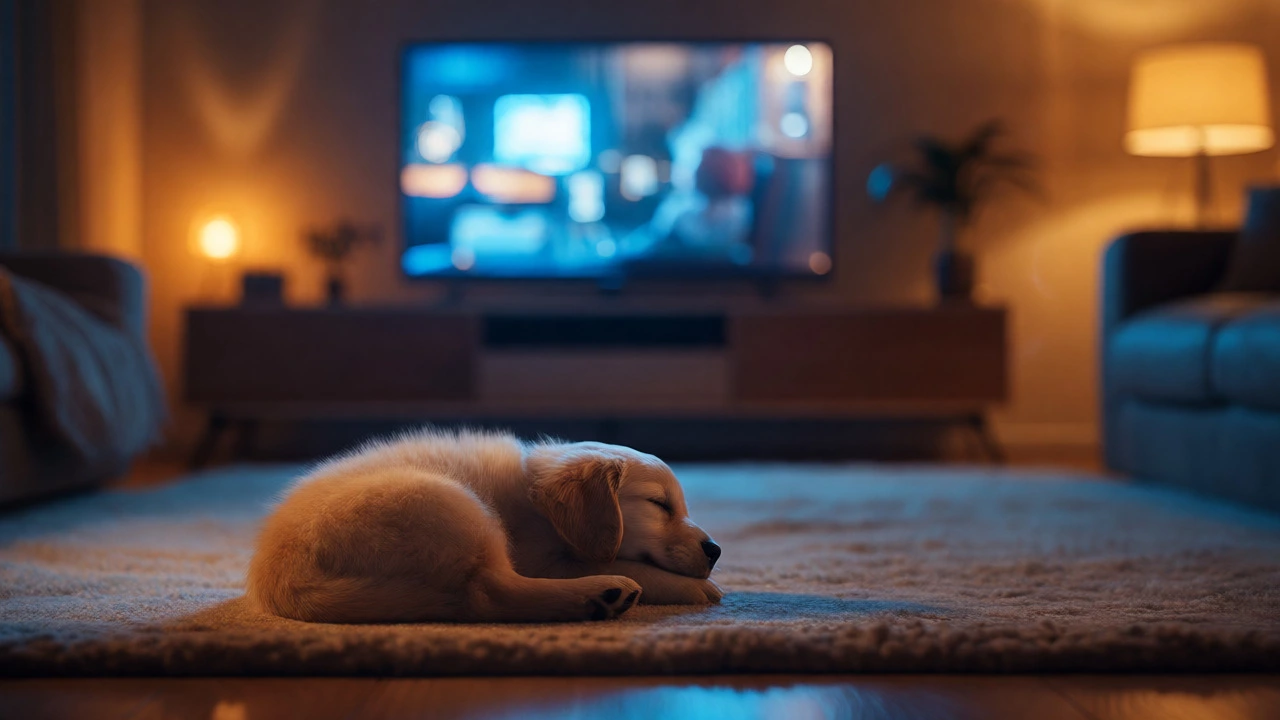
Should I Leave the TV On for My Puppy at Night? Pros, Cons, and Best Practices
Wondering if you should leave the TV on for your puppy at night? Discover how background noise affects puppy sleep, anxiety, and development.
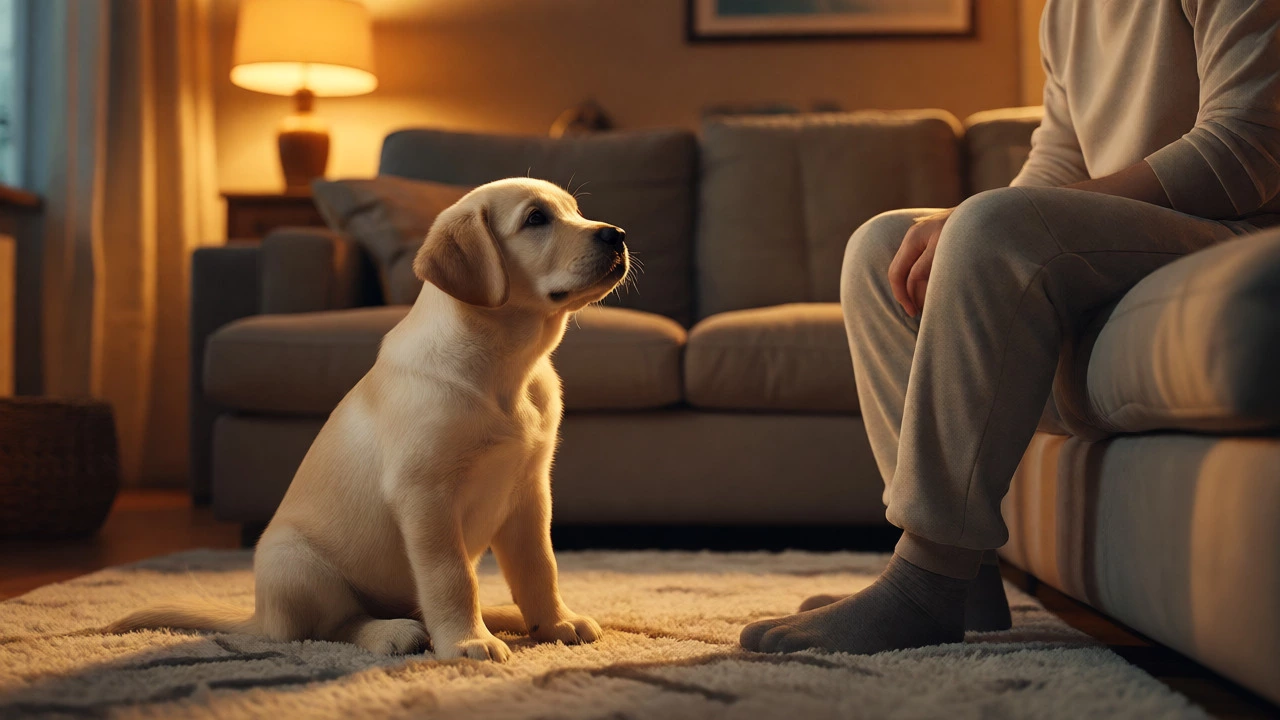
What Time Should a Puppy Go to Bed? A Practical Guide
Discover the ideal bedtime for your puppy based on age and routine. Learn how to establish a sleep schedule that ensures restful nights for both you and your new furry friend.
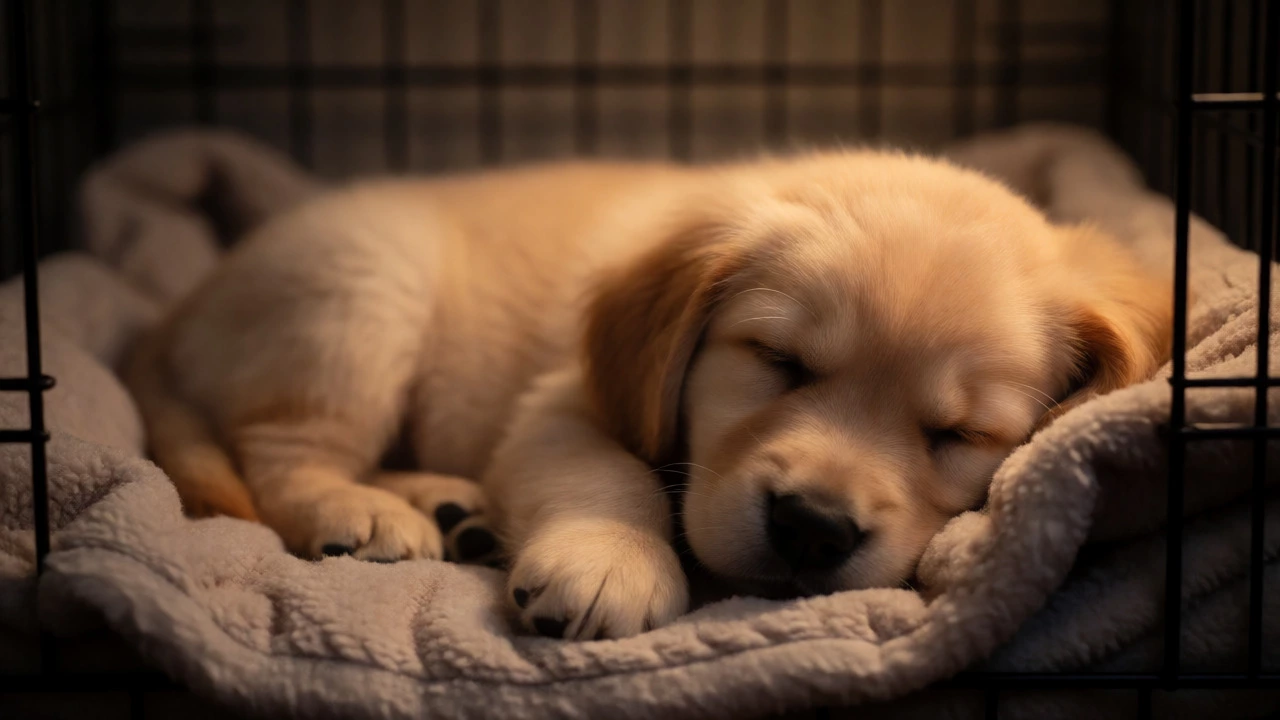
The Perfect Daily Routine for an 8-Week-Old Puppy
Discover the ideal daily routine for an 8-week-old puppy. Learn why sleep cycles matter, how to structure feeds and potty breaks, and simple tips to reduce chaos.

Can Puppies Have Peanut Butter? Safety, Portioning & Toxic Risks
Discover if puppies can safely eat peanut butter. Learn about xylitol risks, proper portion sizes, and creative ways to use PB for training and enrichment.
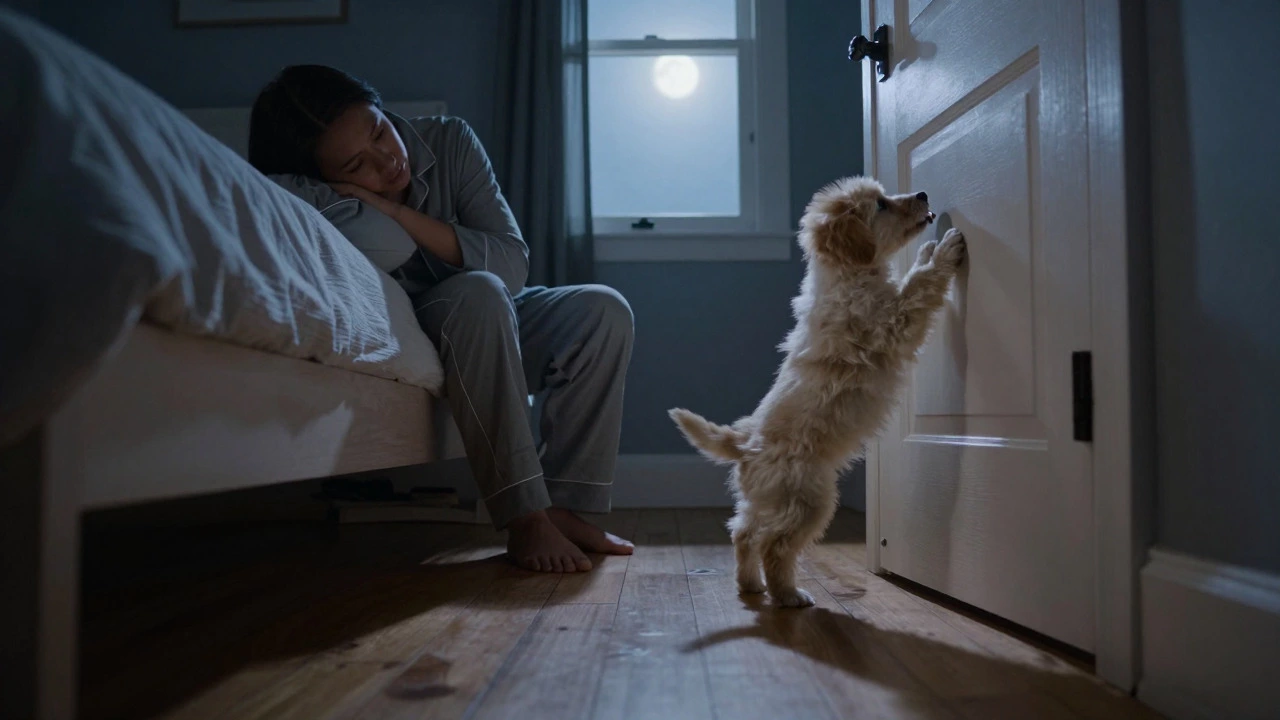
Should You Wake Your Puppy at Night? A Guide to Potty Training Success
Learn when and how to wake your puppy at night for potty training. Discover schedules, crate tips, and common mistakes to avoid for a happy, house-trained dog.
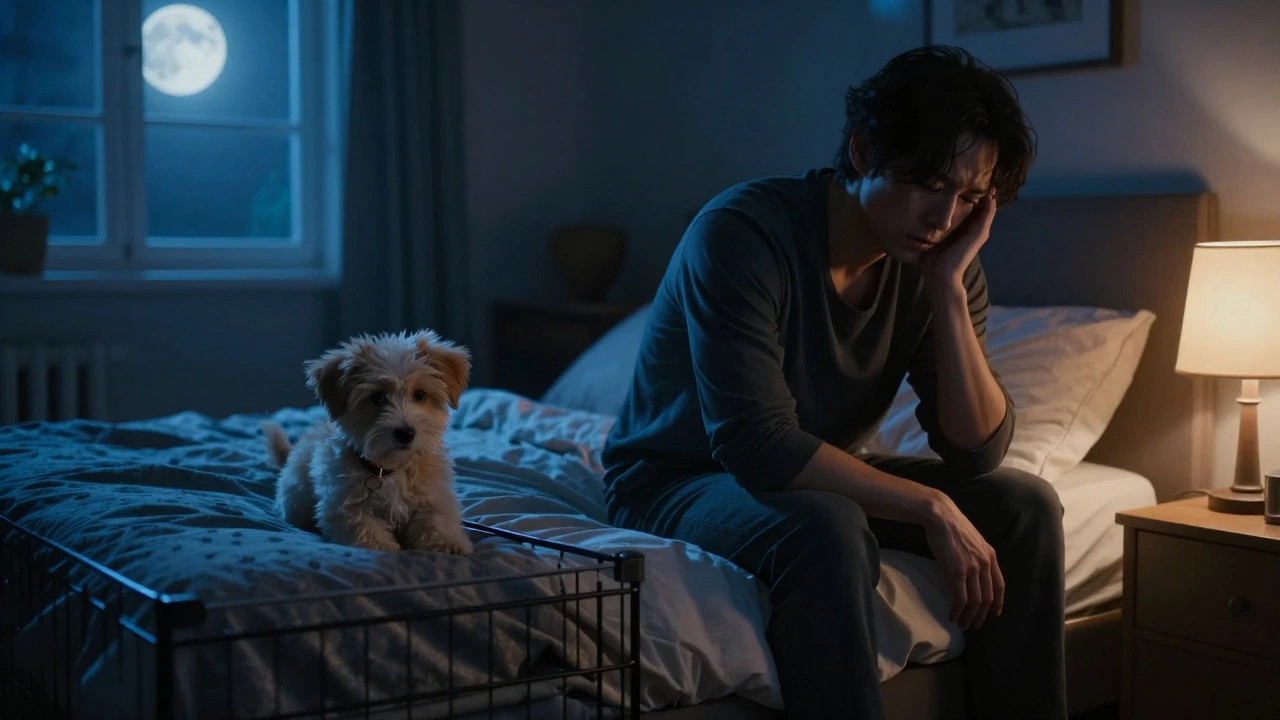
Should You Sleep in the Same Room as Your Puppy? Pros, Cons, and Best Practices
Decide whether to sleep with your puppy by weighing bonding benefits against sleep disruption. Learn crate training tips, interpret night whines, and establish routines for better rest.

Can an 8-Week-Old Puppy Be Potty Trained? A Realistic Guide for New Owners
Yes, you can start potty training an 8-week-old puppy, but manage expectations. Learn about bladder limits, routine building, and crate training to succeed.
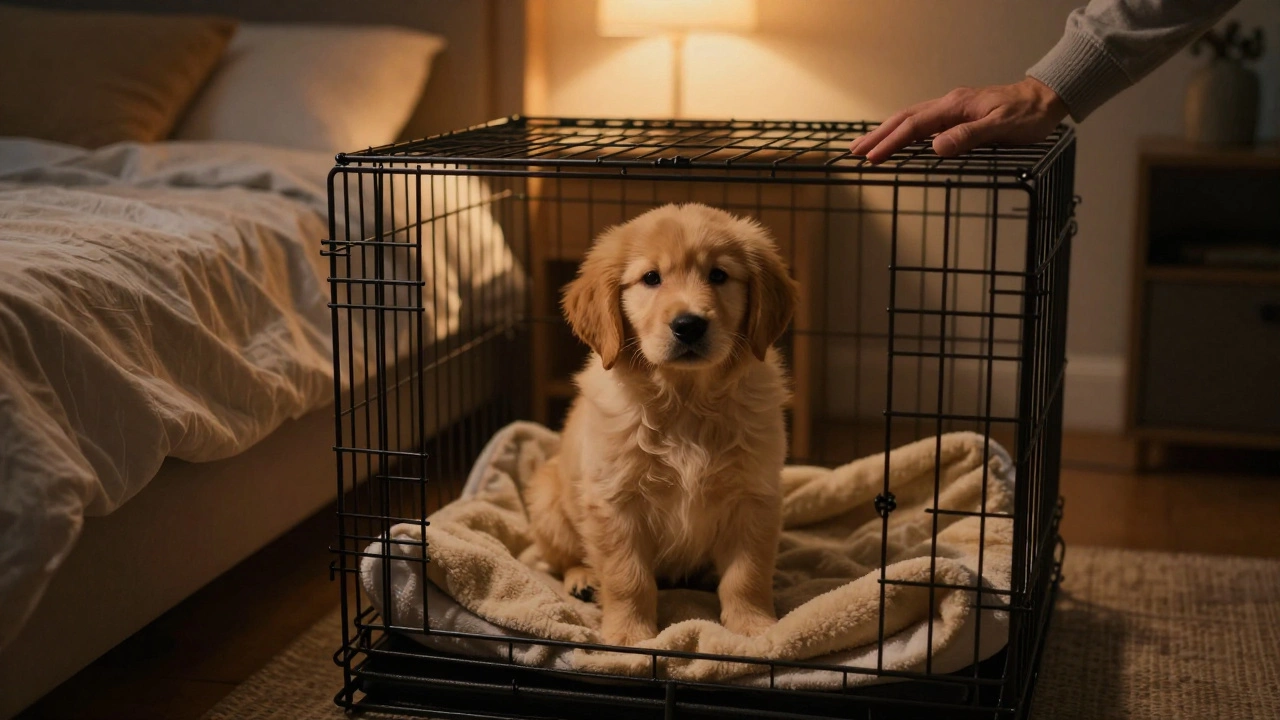
Should You Leave a Puppy Alone on Its First Night? A Complete Guide for New Owners
Discover why leaving a puppy alone on its first night causes stress and how to manage it. Learn practical tips for crate setup, bedtime routines, and handling whining to ensure a smooth transition for your new pet.
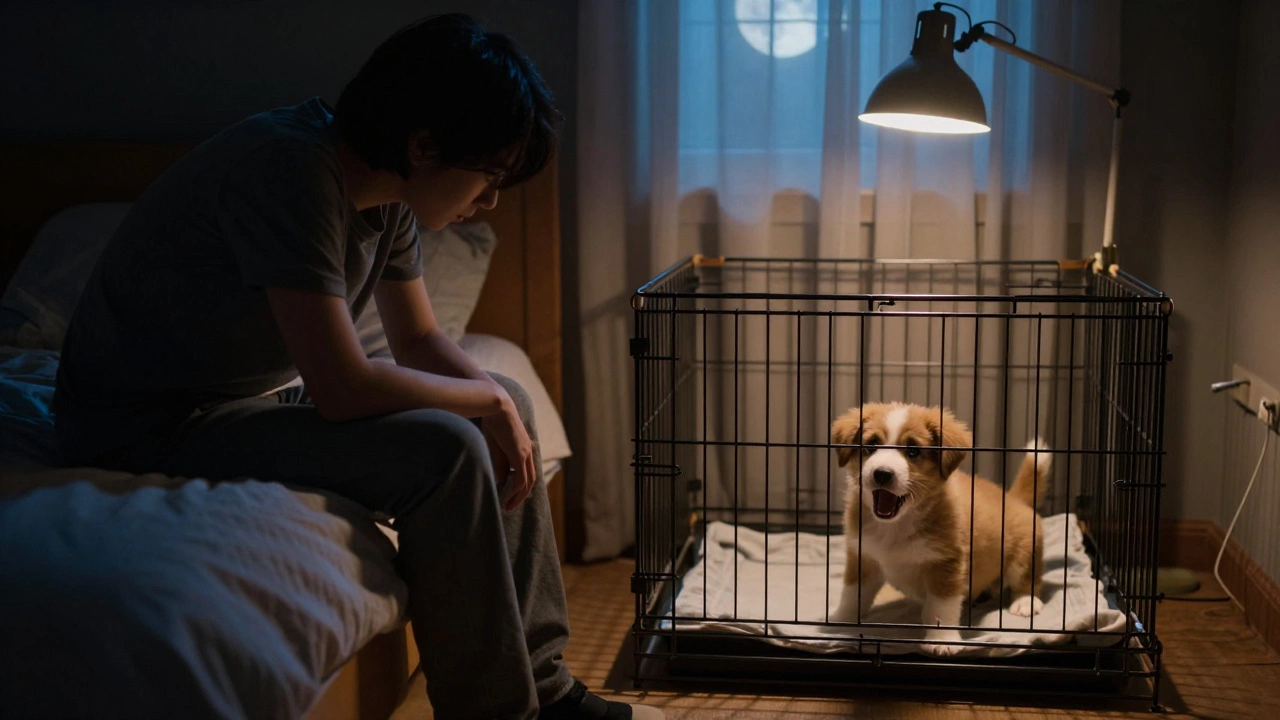
Should You Ignore a Crying Puppy at Night? A Complete Guide to Sleep Training
Stop guessing why your puppy cries at night. Learn the balanced approach to sleep training that avoids harmful ignoring while building independence and trust.
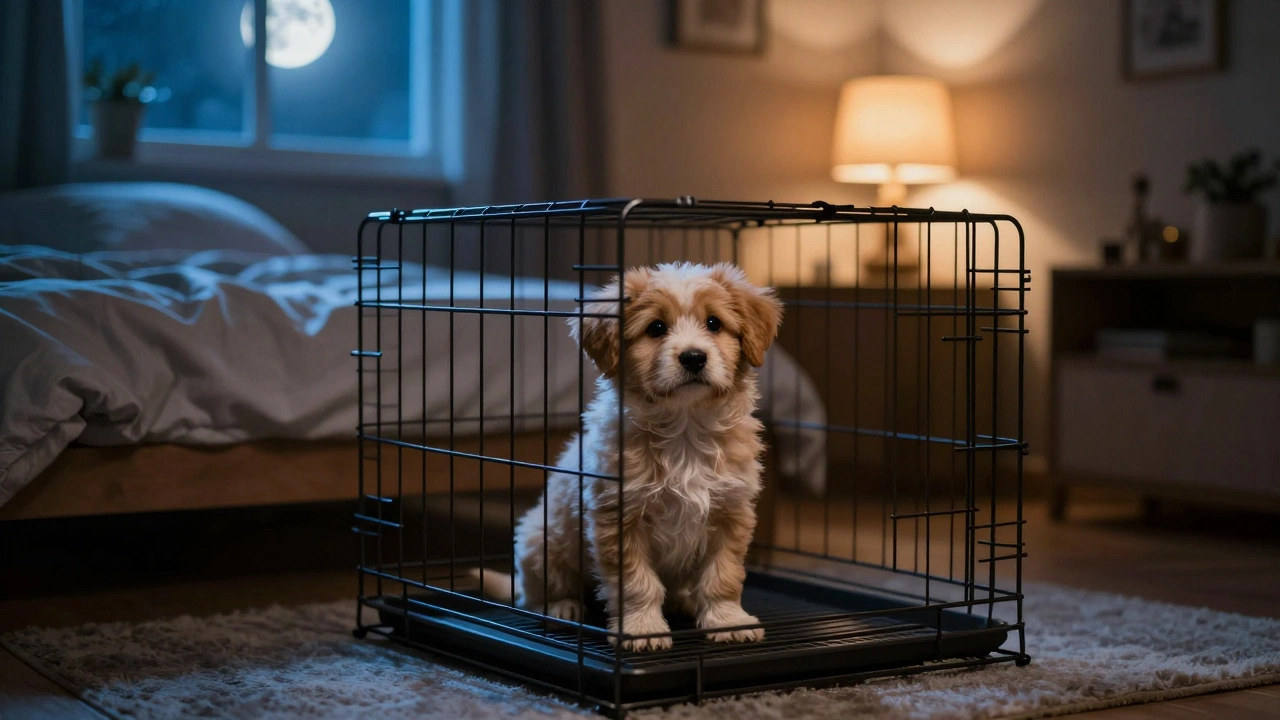
Is It Bad to Let Your Puppy Cry at Night? A Complete Guide to Sleep Training
Discover why puppies cry at night and how to stop it without spoiling them. Learn expert tips on crate training, comfort toys, and routines to help your puppy sleep through the night.
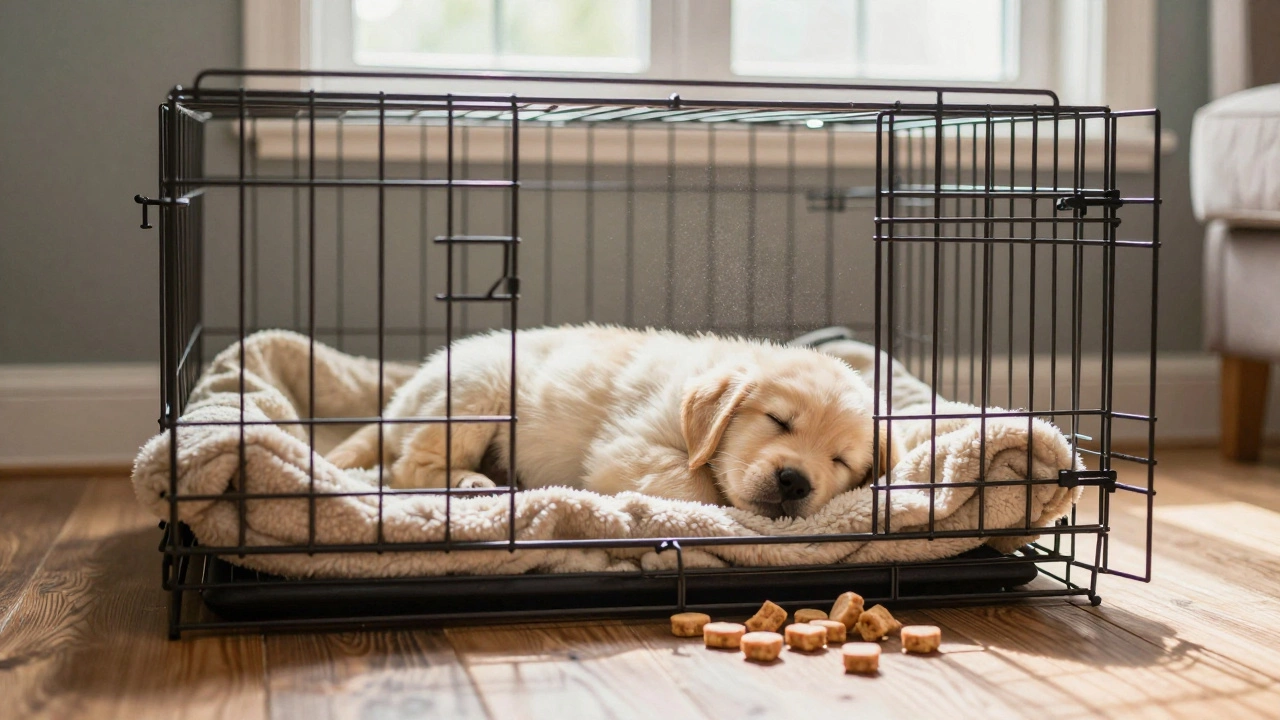
How Long Should a Puppy Be in a Crate Per Day? The Safe Guide
Learn the exact crate times for puppies by age. Discover why the 'age plus one' rule matters, how to avoid separation anxiety, and practical tips for successful crate training.
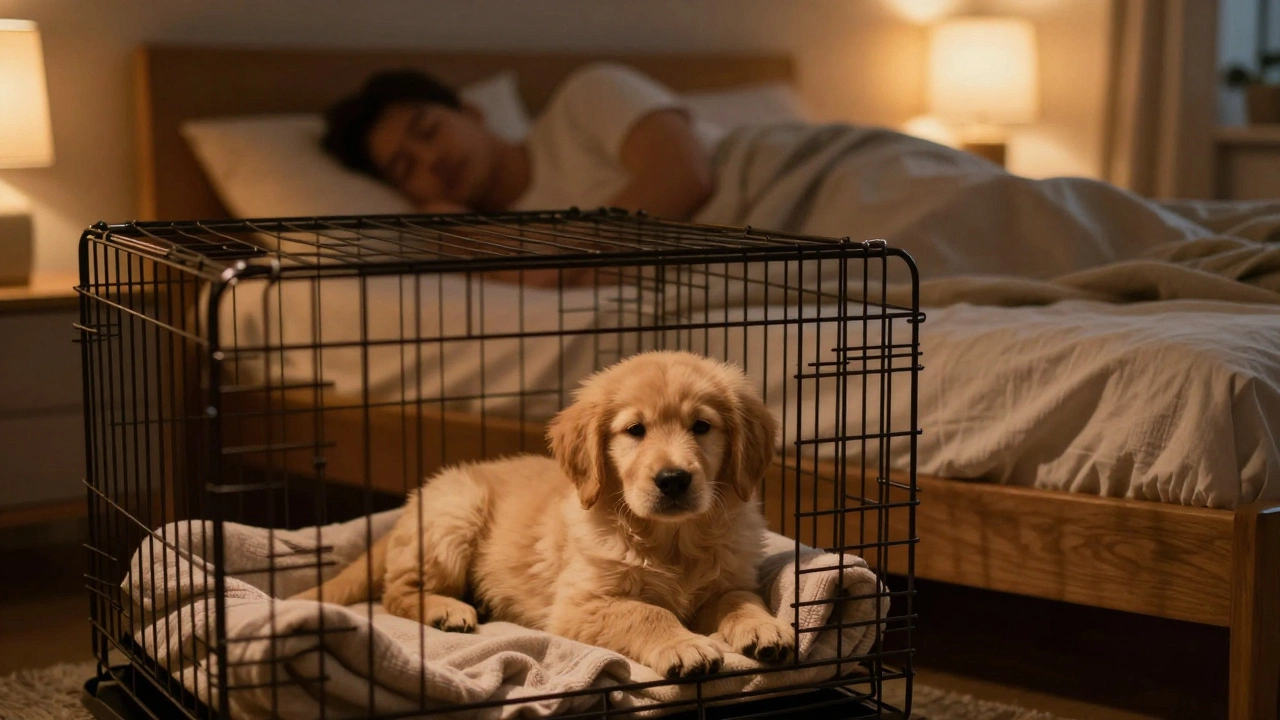
Where Should a Puppy Sleep the First Night? A Complete Guide for New Owners
Struggling with a crying puppy? Learn exactly where and how to set up your new pup's first night for better sleep and faster bonding.