Puppy Nighttime Comfort Calculator
Step 1: Tell us about your puppy
Recommended Nighttime Setup
Why this works?
Watch out for:
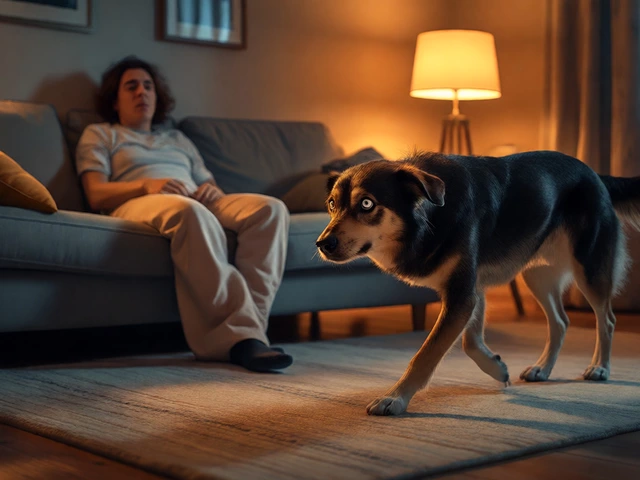
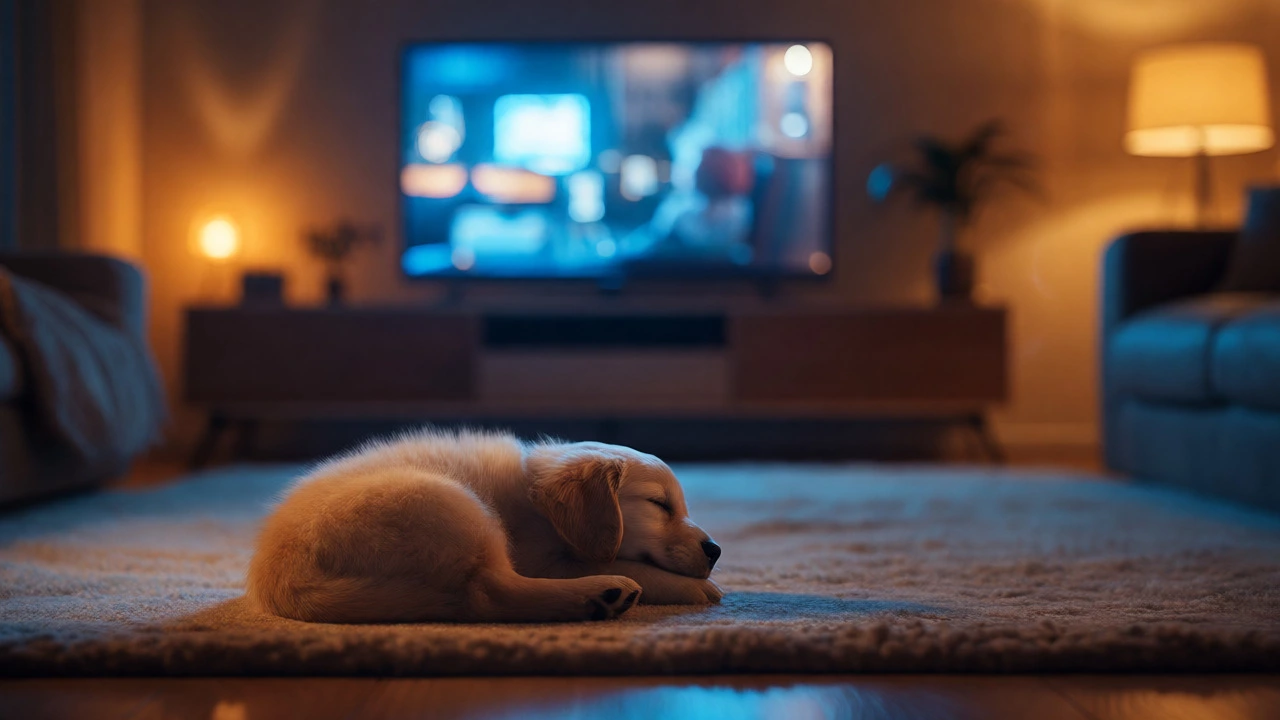
You’re standing in your living room, remote in hand, staring at a sleeping bundle of fur on the floor. The clock reads 10:30 PM. Your puppy is out cold, but you’re wondering if turning off the television will wake them up or make them anxious. It’s a common dilemma for new dog owners. We’ve all been there-worrying that silence might be too loud for a young dog used to the bustle of daytime activity.
The short answer? It depends entirely on your specific puppy’s temperament and what you’re trying to achieve. Leaving the TV on isn’t a universal fix for puppy behavior, but it can be a powerful tool when used correctly. Let’s break down why this habit works for some dogs, why it fails for others, and how to use audio-visual stimulation without disrupting their crucial sleep cycles.
Understanding Puppy Sleep Needs
Before we talk about screens, we need to talk about biology. Puppies are not just small adult dogs; they are growing machines that require massive amounts of rest. A typical young dog needs between 18 and 20 hours of sleep per day. Think about that for a second. If your puppy is awake from 7 AM to 10 PM, that’s already pushing the limit of healthy wakefulness.
Sleep is when puppies process training cues, grow muscle tissue, and consolidate memories. Disrupting this cycle with constant noise or light can lead to irritability, hyperactivity during waking hours, and even weakened immune responses. If you leave the TV on all night, you risk keeping their brain in a state of low-level alertness. Their ears are incredibly sensitive. While humans might tune out the hum of a refrigerator or a distant traffic noise, a puppy’s auditory range extends far beyond ours. A sudden commercial jingle at 2 AM could trigger a startle response, causing them to whine or bark, which then wakes you up, creating a vicious cycle of poor sleep for both of you.
The Case for Background Noise: Anxiety and Loneliness
So why do so many owners swear by the TV trick? For many puppies, especially those recently separated from their littermates, silence can feel oppressive. In the wild, total silence often signals danger or isolation. Background noise mimics the sounds of a "pack" environment. It provides a sense of presence without requiring interaction.
This is particularly true for dogs suffering from mild separation anxiety, a behavioral condition where dogs panic when left alone. Even if you are home, if you are asleep in another room, your puppy might feel isolated. The sound of human voices from a TV can act as a comforting proxy for your presence. It reassures them that the house is still active and safe.
However, there is a big difference between comforting background noise and overstimulation. A nature documentary with soft narration is vastly different from an action movie with explosions. The goal is to create a sonic blanket, not a concert hall. If your puppy tends to pace, chew furniture, or cry when the house gets quiet, controlled audio might help settle their nervous system.
The Risks of Visual Stimulation
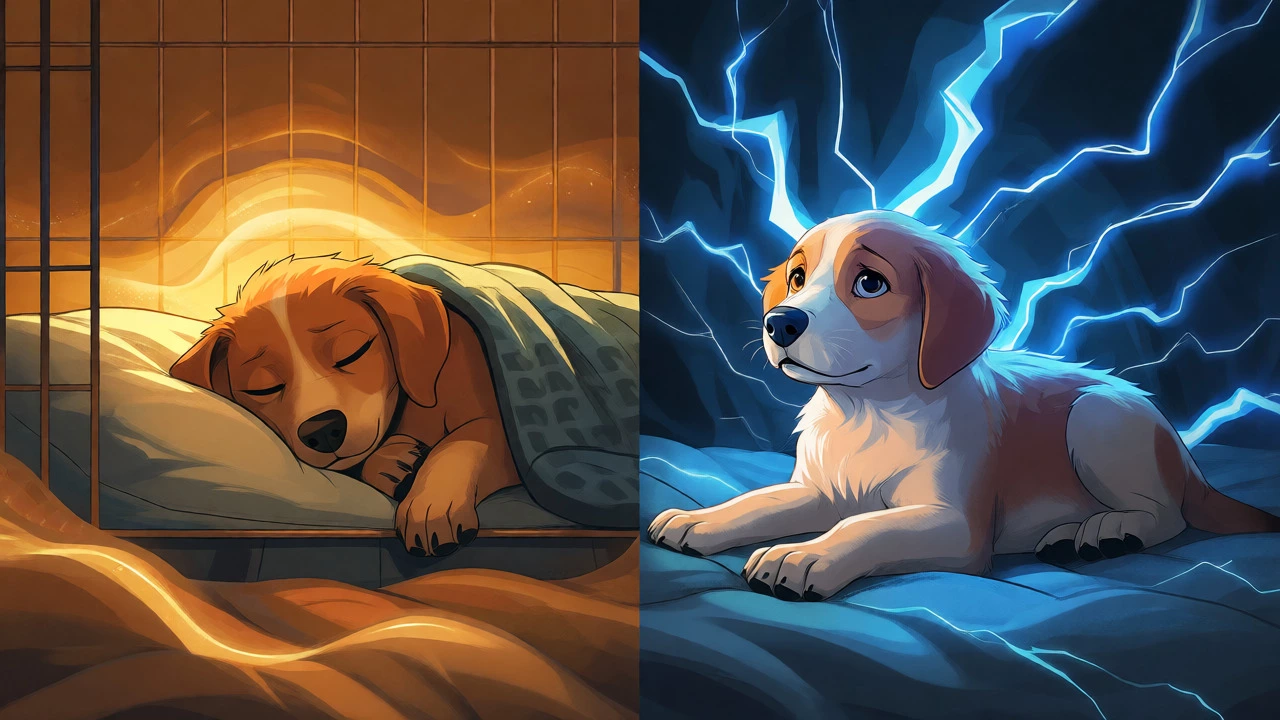
We often focus on the sound, but the light matters too. Modern LED TVs emit blue light, which suppresses melatonin production-the hormone responsible for sleep. While this effect is well-documented in humans, veterinary behaviorists increasingly suspect it impacts canine circadian rhythms as well.
If your puppy sleeps in the same room as the TV, the flickering light can prevent them from entering deep REM sleep. You might notice your puppy twitching their paws or making small noises more frequently than usual. This isn’t always bad dreaming; it can be a sign of shallow sleep. Over time, chronic shallow sleep leads to crankiness. You know that 3 AM zoomies session? That might actually be a symptom of a tired, overtired puppy who couldn’t get proper rest because the TV was flickering shadows across their crate.
| Stimulus Type | Pros | Cons | Best For |
|---|---|---|---|
| Television | Visual distraction, varied audio, feels like company. | Blue light disrupts sleep cycles; sudden volume spikes. | Puppies who fear darkness or need visual engagement. |
| Radio/Podcast | No blue light, consistent audio levels, low energy consumption. | Lacks visual element; may become boring if content is dry. | Anxious puppies needing auditory comfort without light disruption. |
| Silence | Natural environment, no sensory overload, promotes deep rest. | Can feel isolating for highly social breeds. | Confident puppies or those prone to overstimulation. |
| White Noise Machine | Masks outside sounds (traffic, sirens), consistent frequency. | No emotional connection (no human voice). | Puppies easily startled by environmental noises. |
How to Use the TV Correctly
If you decide the TV is right for your pup, don’t just hit "play" and walk away. Treat it like a training tool. Here is how to optimize the setup:
- Volume Control is Critical: Keep the volume below conversational level. If you have to raise your voice to speak over it, it’s too loud for your dog. Aim for a murmur.
- Content Matters: Avoid news channels (often stressful tones) or sports games (unpredictable shouting). Stick to calm programs, audiobooks read in soothing voices, or dedicated "dog relaxation" playlists available on streaming services.
- Use a Timer: Don’t leave it on all night. Set a timer to turn the TV off after 2-4 hours. This allows your puppy to transition into deeper, quieter sleep stages later in the night.
- Distance the Light: If possible, place the TV in a different room than the puppy’s crate. If they must share a space, use a blanket over part of the crate to block direct light exposure while allowing sound through.
Alternatives to the Television
Is the TV really necessary? Often, simpler solutions work better. Many owners find that switching from TV to white noise, which consists of consistent, unstructured sound frequencies yields better results. White noise masks household creaks, street traffic, and other sudden sounds that might startle a sleeping puppy, without adding narrative complexity or light.
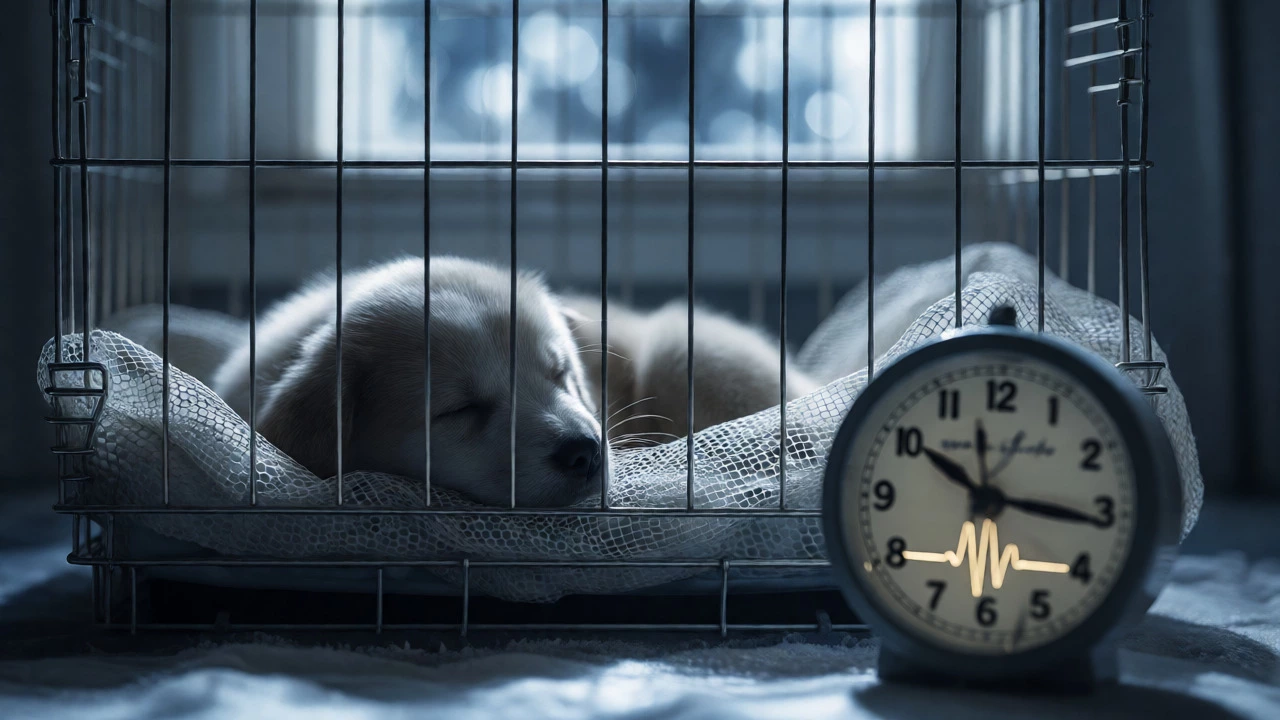
Another effective alternative is a ticking clock or a heartbeat simulator toy. These products mimic the rhythmic sound of a mother’s heart, providing primal comfort to young puppies. They are silent visually and produce a steady, predictable beat that encourages relaxation. For many litters, this simple mechanical sound does what the TV cannot: it soothes without stimulating.
Reading Your Puppy’s Signals
Ultimately, your puppy will tell you what they need. Observe their body language during the first few nights you experiment with background noise.
If your puppy curls up tightly, tucks their tail, or keeps one ear swiveled toward the screen, they are likely stressed or overstimulated. Try lowering the volume or switching to silence. If they stretch out fully, sigh deeply, and enter a relaxed posture, the environment is working. Remember, every breed is different. A Border Collie, known for high intelligence and sensitivity, may find TV chatter distracting, whereas a Golden Retriever might find it comforting.
Don’t let guilt drive your decision. You aren’t raising a robot. Some puppies thrive with the TV on; others prefer the dark. Start with silence. If they seem unsettled, introduce low-volume radio. If that fails, try the TV with a timer. Adjust based on their reaction, not internet forums. Your puppy’s well-rested, happy demeanor is the only metric that matters.
Does leaving the TV on help with separation anxiety?
Yes, for some dogs. Background noise can simulate the presence of people, reducing feelings of isolation. However, it is a management tool, not a cure. Severe separation anxiety usually requires desensitization training and professional guidance rather than just audio masking.
Is blue light from the TV bad for my puppy?
Potentially, yes. Blue light can interfere with melatonin production, similar to its effect on humans. If your puppy sleeps near the TV, the flickering light may prevent them from reaching deep REM sleep, leading to irritability and fatigue during the day.
What kind of TV shows should I play for my dog?
Opt for calm, slow-paced content with soft narration. Nature documentaries, classical music programs, or dedicated dog relaxation videos are ideal. Avoid news, sports, or action movies with sudden loud noises or rapid scene changes, which can cause stress.
How long should I leave the TV on for my puppy?
It is best to use a timer to turn the TV off after 2 to 4 hours. This provides initial comfort when the puppy settles down but allows for quiet, uninterrupted deep sleep later in the night. Leaving it on all night can lead to chronic sleep deprivation.
My puppy barks at the TV. Should I stop using it?
If your puppy barks at images or sounds on the screen, they are likely overstimulated or confused. Try lowering the volume significantly or switching to audio-only sources like radio or white noise. If barking persists, remove the TV from their environment entirely to promote better rest.