Puppy Sleep Progression Planner
Why the First Night Is Different
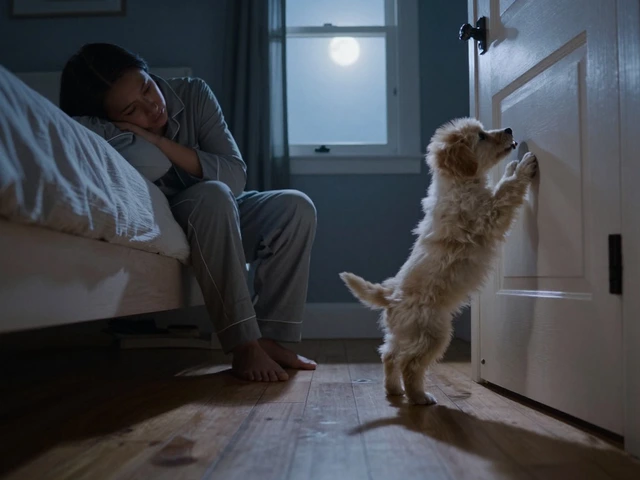
You finally brought your new puppy home. The excitement is high, but as soon as you turn off the lights, the reality sets in: a tiny creature is alone, confused, and likely vocalizing its distress. This isn't just about finding a quiet corner; it's about managing separation anxiety before it becomes a habit. Puppy first night sleep is the critical period during which a young dog adjusts to a new environment, establishing safety cues and sleep patterns that last for months. Most puppies have never been away from their mother or littermates. They are used to constant warmth, movement, and noise. Suddenly placing them in a silent, empty room triggers an instinctual panic response.
If you've ever traveled to places like Dubai, you might have noticed how different environments require specific planning. For instance, if you're looking for verified companions in that city, resources like this directory show how specialized needs demand specialized solutions. Similarly, your puppy’s need for security requires a tailored approach, not a one-size-fits-all solution. You aren't just putting them to bed; you are building trust from minute one.
The Golden Rule: Proximity Over Perfection
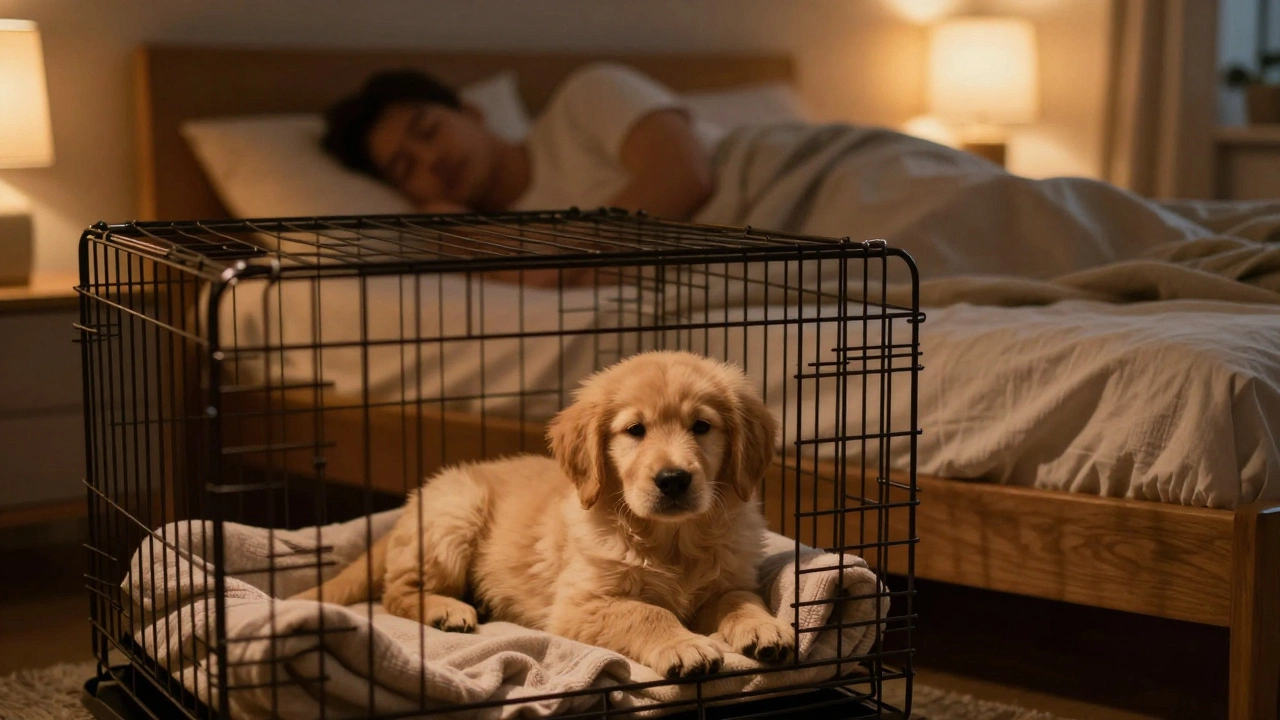
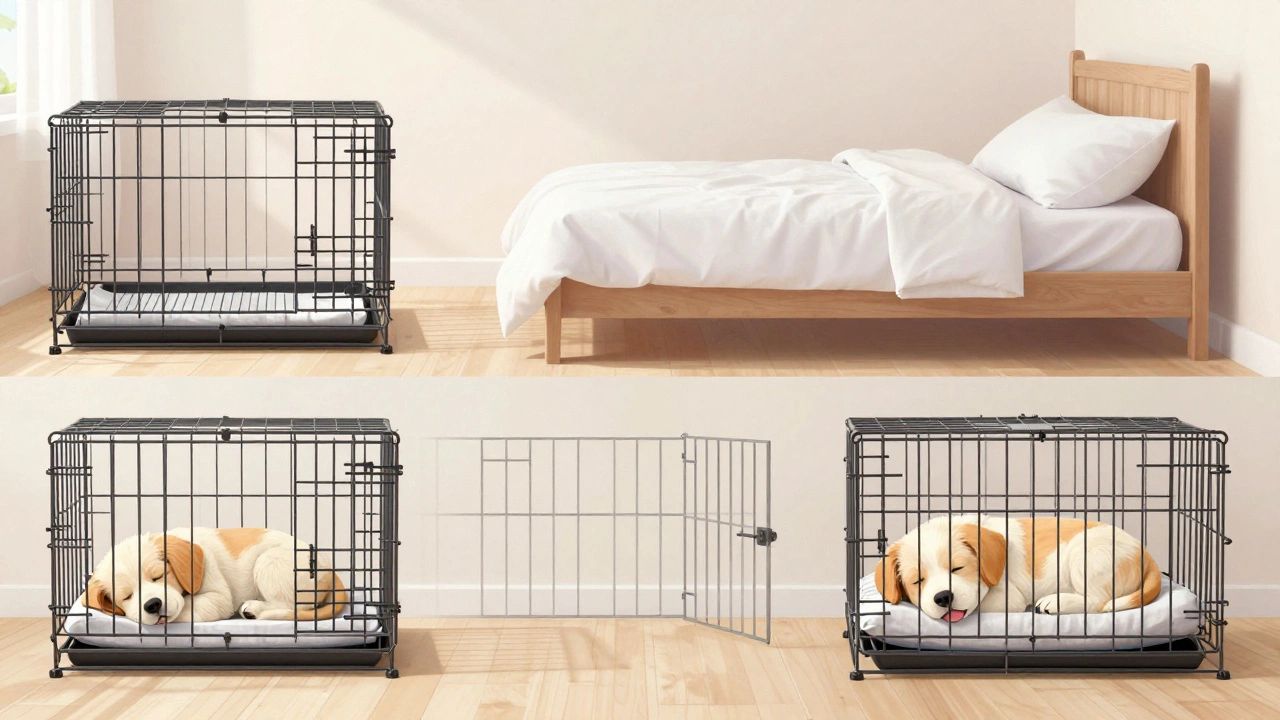
Many new owners make the mistake of setting up a perfect crate in the basement or a spare bedroom far away. This is a recipe for disaster on night one. The goal is proximity. Your puppy should sleep close enough to hear you, smell you, and feel your presence, even if they can't see you clearly. Most veterinarians and behavioral experts recommend keeping the puppy in your bedroom for the first few weeks, at least until they are fully house-trained.
Why your bedroom? Because humans are pack animals, and so are dogs. When a puppy cries out in the dark, hearing your breathing or seeing your silhouette under the door provides immediate reassurance. It signals that the "pack" is still together. If you isolate them, you reinforce the idea that they are abandoned. This doesn't mean they sleep in your bed (unless you choose co-sleeping), but they should be within arm's reach or visual line of sight.
Setting Up the Safe Zone
The physical setup matters more than you think. You want to create a den-like environment that feels secure and cozy. Here is what you need:
- A Crate or Playpen: Crate training is a method of using a confined space to help a dog feel secure and aid in housebreaking by leveraging their natural instinct to avoid soiling their sleeping area. If using a crate, ensure it is large enough for them to stand and turn around, but not so large that they can use one corner as a bathroom. Use a divider if necessary.
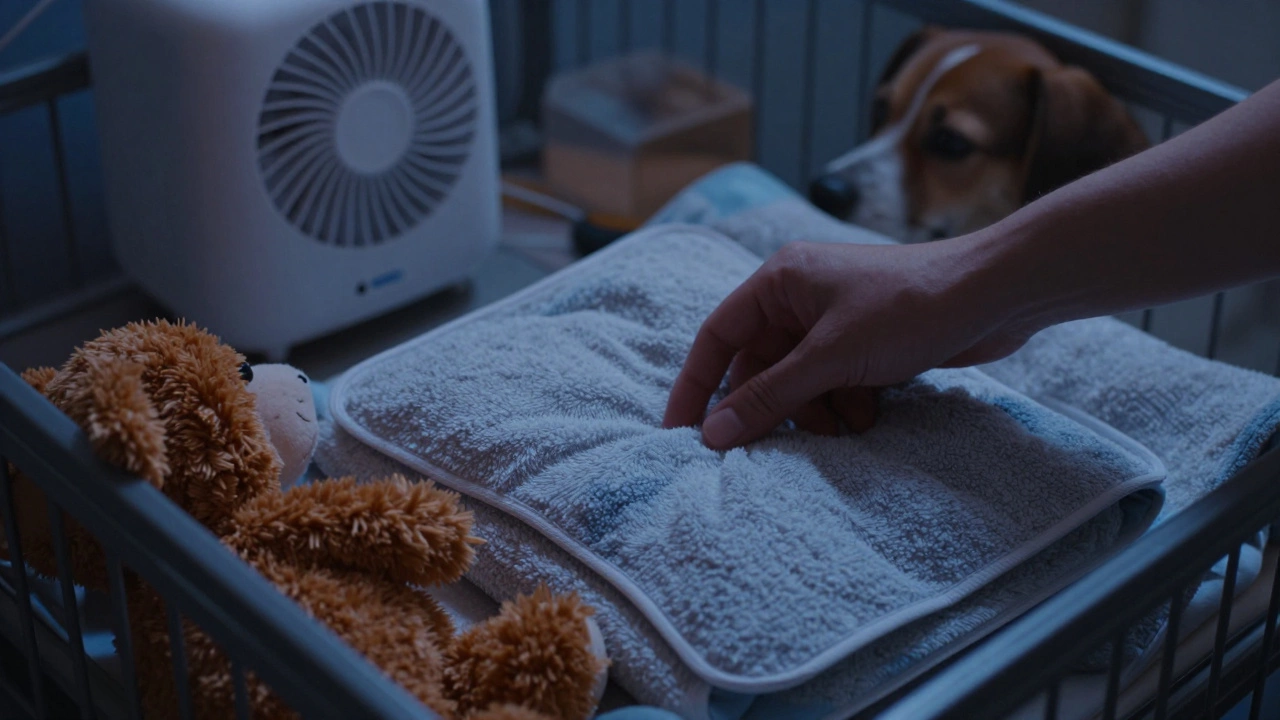
- Comfort Items: Place a soft blanket or towel inside. Better yet, include an item with your scent. Wear an old t-shirt for a day, then place it in the crate. Your smell is their anchor.
- Warmth Source: Puppies cannot regulate their body temperature well. A microwavable heat pad (wrapped in a towel) or a sock filled with rice and heated can mimic the warmth of a mother dog.
- No White Noise Machines: Silence can be deafening to a puppy. A fan, a white noise machine, or even a radio playing softly can mask sudden noises that might startle them.
The Bedtime Routine: Consistency Is Key
Sleep isn't something that happens randomly; it's triggered by a sequence of events. Just like human babies, puppies thrive on predictability. Start this routine 30-60 minutes before you want them to sleep.
- Final Potty Break: Take them out right before bed. Keep it boring-no play, no treats, just business. Come straight back inside.
- Dim the Lights: Signal that the day is over. Low light helps trigger melatonin production.
- Quiet Time: Engage in calm activities. Read a book, pet them gently, or do some slow brushing. Avoid high-energy games like tug-of-war or fetch within two hours of bedtime.
- The Command: Use a consistent phrase like "Bedtime" or "Settle." Say it calmly every time you guide them into their sleeping area.
What to Do When They Cry
This is the hardest part. At some point, your puppy will whine, whimper, or bark. Your instinct might be to rush in and comfort them immediately, but this can backfire. If you reward crying with attention, you teach them that crying equals interaction.
Instead, use the "Wait and See" method:
- Pause: Wait 10-15 seconds. Sometimes they cry out once and settle themselves.
- Check Basic Needs: If the crying continues, check if they need to pee. If it's been less than an hour, they probably don't. If they do need to go, take them out silently (no talking, no eye contact) and bring them back immediately.
- Reassure Without Reinforcing: If they are safe and dry, speak in a low, calm voice. You can say, "It's okay," but do not pick them up or play with them. Your goal is to let them know you are there, not that it's party time.
- Ignore Mild Whining: If the crying is intermittent and not escalating, try ignoring it completely. Many puppies test boundaries to see if their actions produce a result.
Common Mistakes to Avoid
Even well-meaning owners slip up. Here are three pitfalls that extend the adjustment period:
| Mistake | Why It Fails | Better Approach |
|---|---|---|
| Punishing Crying | Increases anxiety and fear of the crate/bedroom. | Use positive reinforcement for quiet behavior. |
| Inconsistent Schedule | Puppy doesn't know when sleep time is. | Stick to the same bedtime and wake-up time daily. |
| Moving Them Around | Confuses their sense of security. | Keep the sleeping spot in the same location for weeks. |
Another major error is giving in after three nights. If you move the puppy into your bed because you're tired, you undo the progress made in the crate. Decide on your long-term goal (crate sleeping vs. co-sleeping) and stick to it consistently. Mixed signals confuse dogs more than strict rules.
When to Worry
While some crying is normal, certain behaviors indicate underlying issues. Contact your vet if:
- The puppy is panting heavily while trying to sleep.
- They seem unable to get comfortable or shift positions constantly.
- There are signs of pain, such as yelping when moving.
- The crying lasts for more than 20 minutes continuously without any breaks.
These could be signs of illness, injury, or severe stress that requires professional intervention. Don't assume it's just "behavioral" if physical symptoms are present.
Transitioning to Independence
As your puppy grows (usually around 12-16 weeks), you can gradually increase the distance between your bed and theirs. Move the crate from next to your bed to the foot of the bed, then to the other side of the room, and eventually to a separate room if desired. This gradual desensitization prevents regression. Remember, patience is your most valuable tool. The first week is tough, but by week three, most puppies are sleeping through the night with minimal fuss.
Should I let my puppy sleep in my bed?
It depends on your preference. Co-sleeping can strengthen bonding but may hinder house-training and independence. If you choose this route, establish clear boundaries early so your puppy doesn't jump on the bed uninvited later. Many trainers recommend starting with a crate near the bed and transitioning only if both parties are comfortable.
How long does it take for a puppy to sleep through the night?
Most puppies can sleep 6-8 hours straight by 12 weeks of age. However, individual breeds vary. High-energy breeds like Border Collies may take longer to settle. Consistent routines and proper exercise during the day significantly speed up this process.
Is it okay to use a thunder shirt for sleep?
Yes, compression garments like ThunderShirts can provide calming pressure for anxious puppies. Ensure it fits snugly but comfortably, allowing full range of motion. Introduce it during daytime play first so the puppy associates it with positive experiences before using it at night.
What if my puppy has accidents in the crate?
Clean the crate thoroughly with an enzymatic cleaner to remove odors. Check if the crate is too large, allowing them to eliminate in one corner. Also, review your feeding schedule-avoid food and water 2-3 hours before bedtime to reduce bladder pressure.
Can I give my puppy medication to help them sleep?
Never give human sleep aids or sedatives to puppies without veterinary approval. Some products contain ingredients toxic to dogs. Instead, focus on environmental adjustments, routine consistency, and natural calming aids like chamomile tea (cooled) or pheromone diffusers.