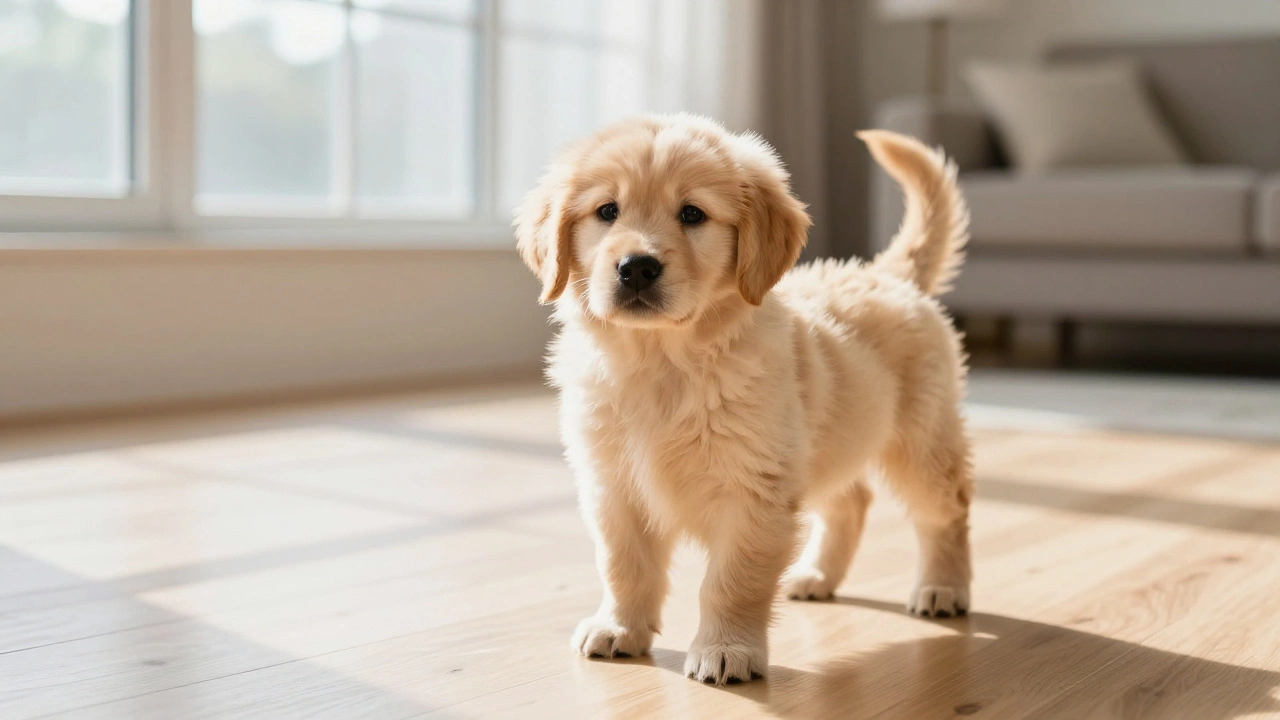
Puppy Potty Training Schedule Generator
Bringing home a tiny, wiggly bundle of joy is one of the most exciting moments in your life. But let’s be honest: it’s also messy. You’ve got an 8-week-old puppy that can barely walk without tripping over its own paws, and you’re wondering if it’s even possible to teach this little creature where to go to the bathroom. The short answer? Yes, but not in the way you might think.
You won’t have a fully housebroken dog by next week. That’s not how biology works. However, you can absolutely start building the foundation right now. In fact, starting at eight weeks is crucial because puppies are like sponges-they absorb habits quickly. If you wait until they are three or four months old, you might find yourself undoing bad habits instead of forming good ones.
The Reality of Puppy Bladder Control
To understand why potty training takes time, you need to look at anatomy. An puppy bladder at eight weeks is roughly the size of a grape. It is incredibly small. Most veterinarians agree on a simple rule of thumb: a puppy can hold their bladder for about one hour for every month of age. So, an eight-week-old (two-month-old) puppy can physically hold it for about two hours maximum. And that’s under perfect conditions.
In reality, excitement, cold weather, or eating a meal can reduce that window significantly. This isn’t your puppy being stubborn; it’s biology. When you realize this, frustration turns into patience. You aren’t fighting against a willful toddler; you are managing a physiological limitation. Understanding this timeline helps you set realistic expectations. You aren’t aiming for perfection yet; you are aiming for consistency.
| Puppy Age | Estimated Hold Time | Key Milestone |
|---|---|---|
| 8 Weeks (2 Months) | 1-2 Hours | Start establishing routine |
| 12 Weeks (3 Months) | 3 Hours | Begin to recognize signals |
| 16 Weeks (4 Months) | 4 Hours | Longer naps possible |
| 6 Months | 6 Hours | Nighttime holding improves |
| 1 Year | 8+ Hours | Adult bladder capacity |
The Power of Routine and Timing
If biology is the constraint, routine is the solution. Puppies thrive on predictability. Their bodies function best when they know what comes next. The goal isn’t to teach them to "hold it" for days; it’s to teach them to "go" in the right place every time their body tells them to.
You need to take your puppy outside at specific triggers. These are non-negotiable times:
- Immediately after waking up: Whether it’s from a nap or sleep, their bladder is full.
- Within 15 minutes of eating or drinking: Digestion stimulates the bowel and bladder.
- After intense play: Excitement lowers inhibition.
- Before bedtime: To ensure a dry night.
Use a consistent door. Don’t send them out the back door one day and the front door the next. Pick one spot in the yard as the "bathroom zone." Use a cue word like "Go potty" while they are doing it. Over time, they will associate the word, the location, and the action. This creates a mental map that makes future training much easier.
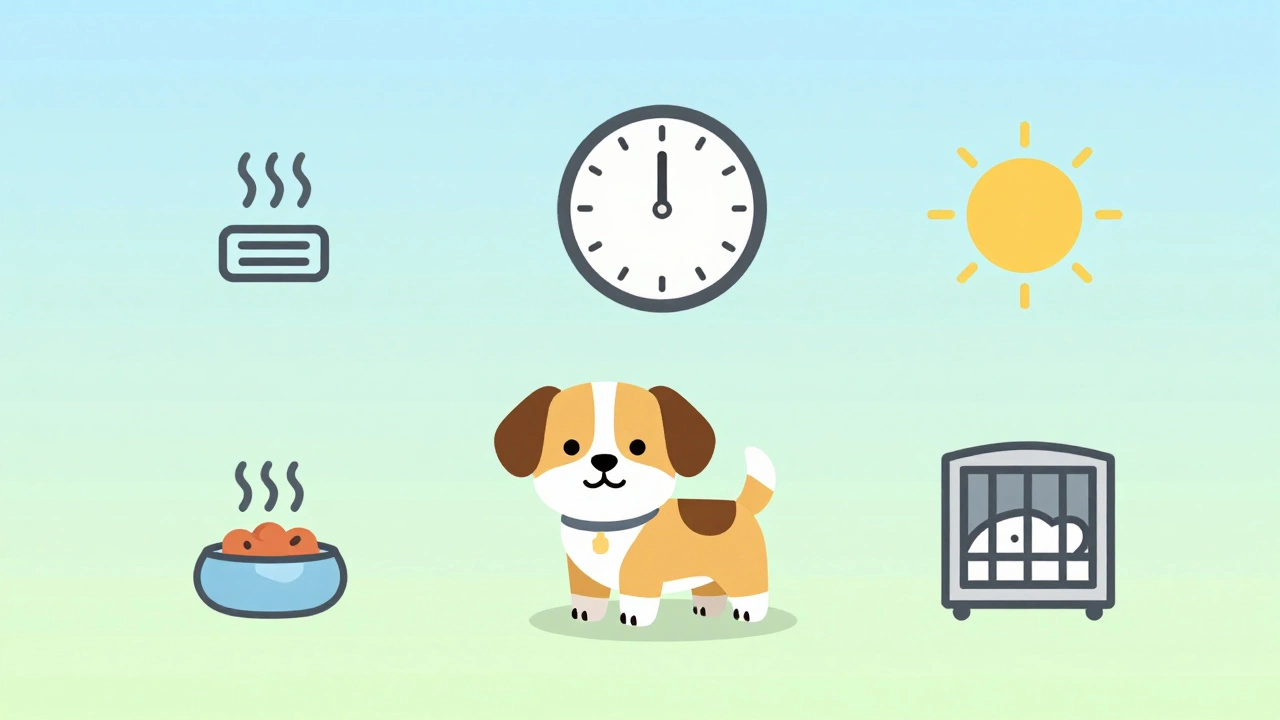
Crate Training: Your Best Friend
Many new owners hear "crate training" and picture imprisonment. But for potty training, a crate is actually a tool for success. Dogs are den animals. By nature, they avoid soiling the space where they sleep. If the crate is the right size-big enough to stand and turn around, but not big enough to pee in one corner and sleep in another-it becomes a powerful aid.
Never use the crate as punishment. It should be a safe, cozy den with a soft blanket and maybe a chew toy. When you can’t watch your puppy closely, they go in the crate. When you take them out, you immediately go to the potty spot. This limits accidents indoors because there is no opportunity to sneak off to the carpet. Remember, the crate is only effective if you respect the bladder limits mentioned earlier. Crating an 8-week-old for six hours straight is cruel and counterproductive; they will simply soil the crate, breaking the natural instinct.
Supervision and Managing Accidents
When your puppy is not in the crate, they must be under direct supervision. Tether them to you with a long leash inside the house if necessary. Watch for the signs: sniffing the floor intensely, circling, whining, or suddenly freezing. These are the red flags. As soon as you see them, calmly interrupt them and rush them outside.
Accidents will happen. Even with perfect timing, an 8-week-old puppy might miss the mark. How you react matters immensely. If you catch them in the act, make a sharp noise like "Oops!" to interrupt, then take them outside. Do not yell. Do not rub their nose in it. Punishment after the fact does nothing but create fear. They cannot connect your anger with something they did ten minutes ago. They only learn that you are unpredictable and scary.
Cleaning up is just as important as prevention. Regular household cleaners often leave behind urine markers that dogs can still smell, inviting them to go in the same spot again. You need an enzymatic cleaner specifically designed for pet stains. These break down the proteins in the urine, removing the scent entirely. If you skip this step, you are essentially leaving a "Welcome Back" sign for your puppy.
Positive Reinforcement Works
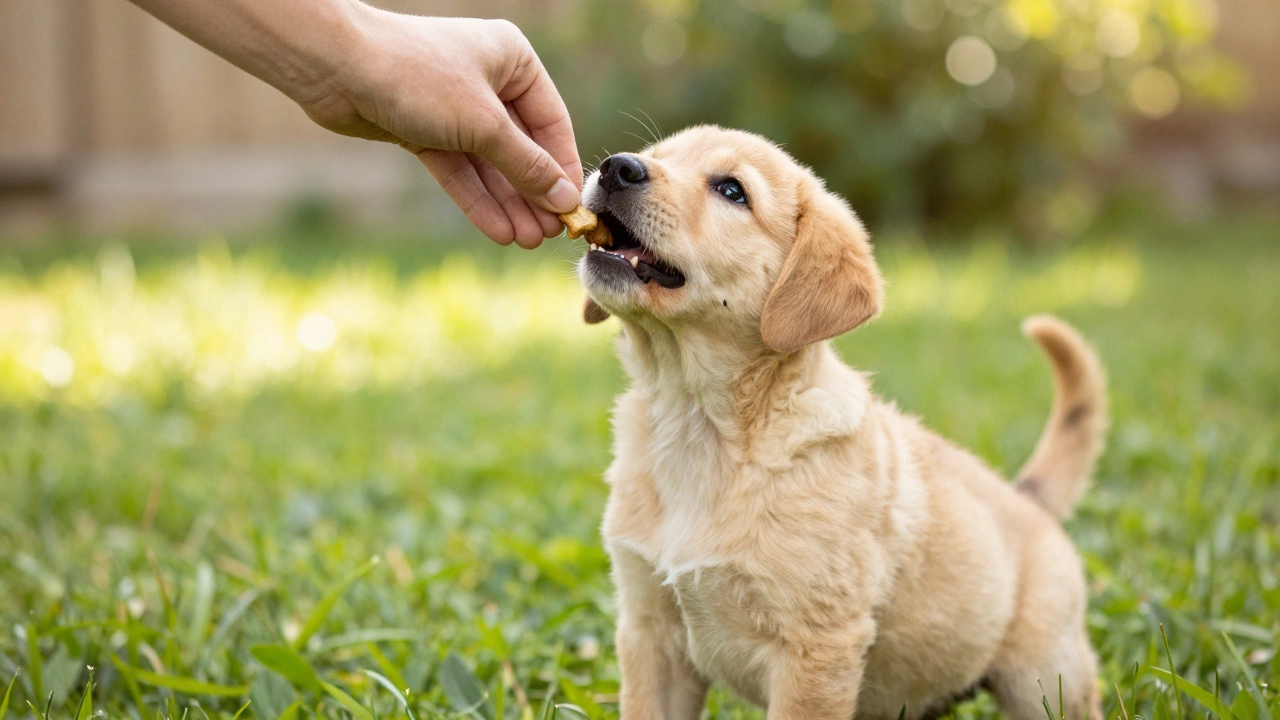
Training is all about association. You want your puppy to feel a surge of joy when they eliminate outside. As soon as they finish, praise them enthusiastically. Use a happy voice, pet them, and give them a high-value treat. Make going outside the best thing that happens all day. This positive reinforcement strengthens the behavior. Over weeks, they will start to seek out the outdoors because they know it leads to rewards and praise, not just relief.
Common Mistakes to Avoid
New owners often fall into traps that delay progress. One common error is giving too much freedom too soon. Letting an 8-week-old puppy roam the whole house unsupervised is a recipe for disaster. Another mistake is inconsistent schedules. If you feed them at random times, their elimination times will be random too. Stick to a feeding schedule. Three small meals a day is standard for puppies this age, helping you predict when they will need to go.
Also, don’t compare your puppy to others. Some breeds, like Huskies or Terriers, can be more stubborn or independent. Others, like Labradors or Golden Retrievers, may pick it up faster due to their eagerness to please. Genetics play a role, but consistency plays a bigger one.
How many times a day should I take my 8-week-old puppy out?
You should aim to take your puppy out every 1-2 hours during the day. This includes after waking up, after eating, after playing, and before bed. On average, expect to go outside 8-10 times a day initially.
Should I wake my puppy up at night to go potty?
Yes, for an 8-week-old puppy, you should wake them up once during the night. Set an alarm for about 4-5 hours after they go to bed. Take them out quietly, do their business, and put them back in the crate without play or interaction. This prevents nighttime accidents and builds bladder strength gradually.
What is the best cleaner for puppy accidents?
Use an enzymatic cleaner. These cleaners contain enzymes that break down the organic matter in urine and feces, eliminating the odor completely. Standard cleaners like bleach or vinegar may mask the smell to humans but not to dogs, leading to repeat accidents in the same spot.
Is it normal for my puppy to have diarrhea?
Occasional soft stool can happen due to diet changes or stress, but frequent diarrhea is not normal. It can indicate parasites, dietary intolerance, or illness. If your puppy has persistent diarrhea, contact your veterinarian immediately, as dehydration is a serious risk for young puppies.
How long does it take to fully potty train a puppy?
Full housebreaking typically takes between 4 to 6 months for most puppies. However, some breeds or individual dogs may take up to a year. Consistency, patience, and avoiding punishment are key factors in speeding up this process.