Puppy Daily Routine Simulator
Note: This schedule is a template. Adjust wake-up times based on your lifestyle, but keep the intervals between naps, meals, and potty breaks consistent. Protect your puppy's sleep (18-20 hours/day) to prevent behavioral issues.
Bringing home an eight-week-old puppy feels like adopting a tiny, chaotic tornado with fur. One minute they are sleeping peacefully in your lap, and the next they are chewing on your shoelaces or having an accident on the rug you just cleaned. It is normal to feel overwhelmed. You want to do everything right, but where do you even start? The secret isn't doing more; it is doing less, but consistently. At this age, puppies thrive on predictability. They don't understand clocks, but they understand patterns. If you can master their daily rhythm, you will save yourself months of frustration.
Puppy Routine is a structured daily schedule that balances sleep, feeding, play, and potty breaks to support healthy development and reduce anxiety in young dogs. Unlike adult dog schedules, which focus on maintenance, a puppy routine focuses on building habits during critical socialization windows. This structure helps prevent behavioral issues like separation anxiety and destructive chewing by providing clear boundaries and consistent reinforcement.
Why Structure Matters More Than Training Commands
You might think you need to teach "sit" or "stay" immediately. But at eight weeks, your puppy’s brain is still developing rapidly. They are learning how to be a dog-how to bite gently, how to settle down, and how to trust humans. A rigid routine does this better than any command. Think of it as scaffolding for their behavior. When a puppy knows exactly what comes next, they feel safe. A safe puppy is a trainable puppy. Without this foundation, you end up chasing them around trying to manage chaos instead of guiding them through life.
The Core Pillars of an Eight-Week-Old Schedule
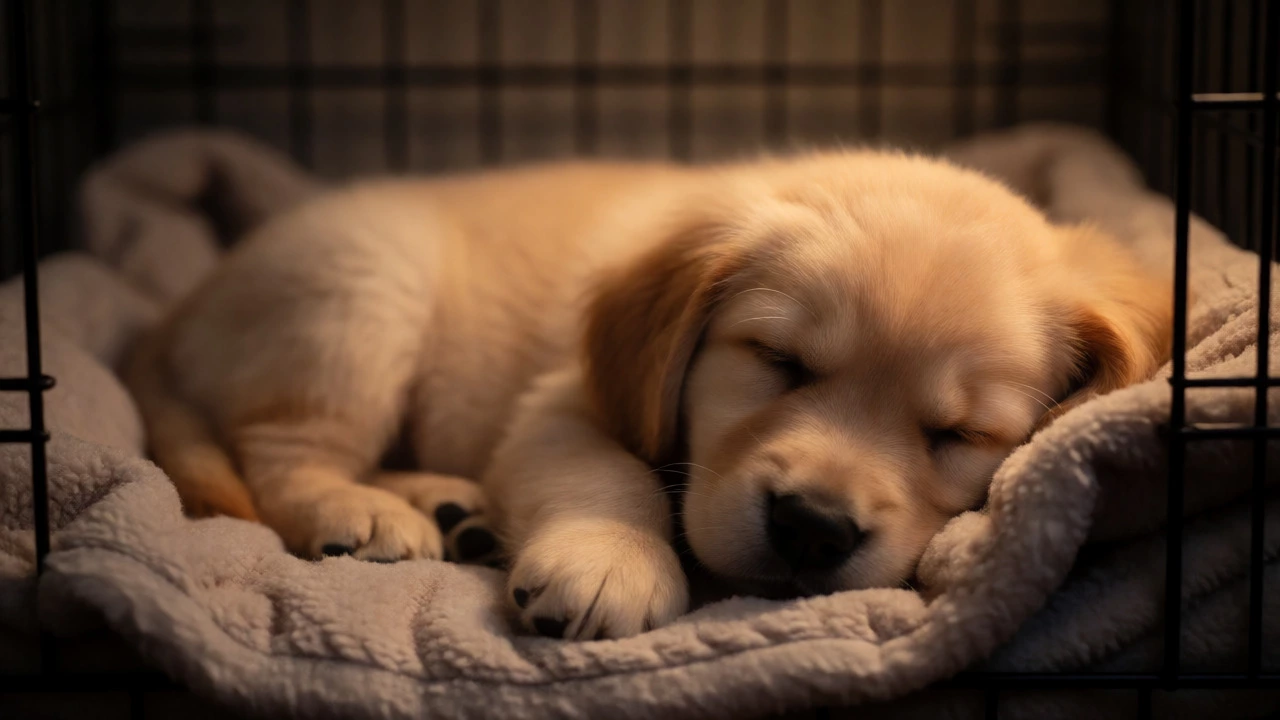
An eight-week-old puppy needs about 18 to 20 hours of sleep per day. Yes, really. Most owners underestimate this. If your puppy seems cranky, hyperactive, or nipping excessively, they are likely overtired, not misbehaved. Your routine must prioritize rest above almost everything else. Here is how the day should look:
- Sleep Cycles: Puppies cannot stay awake for more than 45 to 60 minutes at a time before needing a nap. Use a crate or a gated area to enforce these naps.
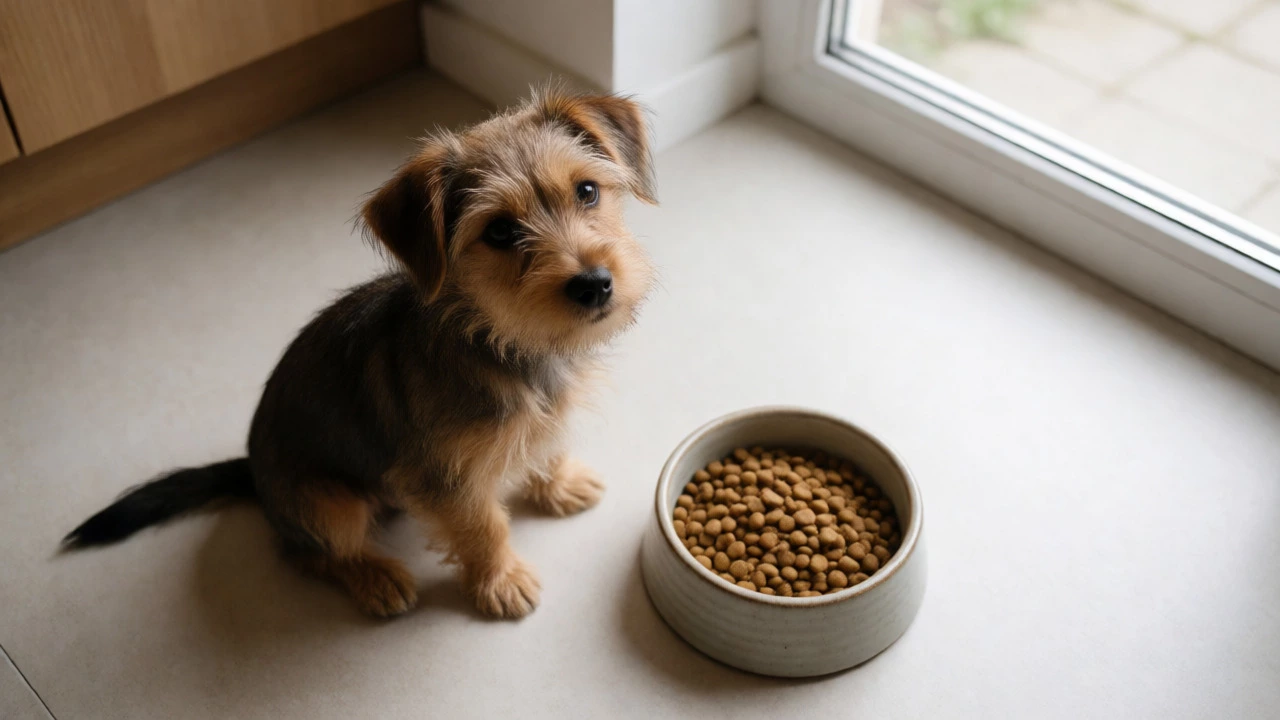
- Feeding Times: Feed three times a day at exact intervals (e.g., 7 AM, 1 PM, 7 PM). Consistency here aids housebreaking because digestion becomes predictable.
- Potty Breaks: Take them out every hour while awake, plus after eating, drinking, playing, or waking from a nap.
- Play Sessions: Keep play short (10-15 minutes) to avoid overstimulation. Focus on gentle games rather than roughhousing.
A Sample Daily Timeline
Let’s break down a realistic day. Adjust the times to fit your work schedule, but keep the order of events consistent.
| Time | Activity | Focus Area |
|---|---|---|
| 7:00 AM | Wake up & Potty | Reward successful potty trip immediately. |
| 7:30 AM | Breakfast | Feed in a quiet spot. No treats yet. |
| 8:00 AM | Short Play/Walk | 10 mins max. Focus on sniffing, not distance. |
| 8:30 AM | Crate Nap | Essential. Cover crate if needed for darkness. |
| 10:30 AM | Wake Up & Potty | Go straight outside. No play until potty is done. |
| 11:00 AM | Training Snack Session | Practice name recognition and 'come' using kibble. |
| 11:30 AM | Crate Nap | Another mandatory rest period. |
| 1:00 PM | Lunch & Potty | Feed, then immediate potty break. |
| 2:00 PM | Quiet Time | Chew toy session in a safe zone. Supervise closely. |
| 3:00 PM | Crate Nap | Do not skip this. Overtired puppies bite harder. |
| 5:00 PM | Wake Up & Potty | Active play after potty success. |
| 6:00 PM | Dinner Prep | Involve family members in calm interactions. |
| 7:00 PM | Dinner | Last meal of the day. |
| 8:00 PM | Final Potty & Wind Down | Low energy activities only. Dim lights. |
| 9:00 PM | Crate Sleep | Full night's rest begins. |
Mastering the Art of Naps
If you take one thing away from this article, let it be this: protect your puppy’s sleep. In Auckland, we often have long daylight hours, which can confuse a puppy’s internal clock. Use blackout curtains or cover their crate with a light blanket to signal nighttime. During the day, if you see yawning, circling, or sudden biting, put them in their crate immediately. Do not wait for them to fall asleep on the floor. Teaching them to self-soothe in their crate prevents bad habits like falling asleep underfoot or waking up grumpy. An overtired puppy is a difficult puppy. Period.
Using Toys to Enforce Routine
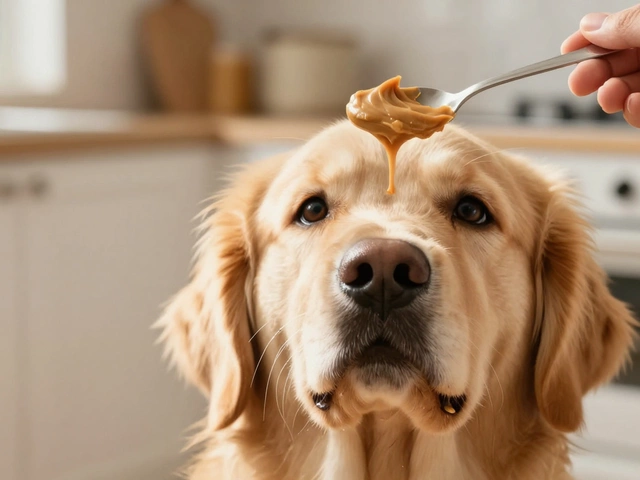
Toys aren't just for fun; they are tools for routine management. At eight weeks, chewing is a natural instinct, especially during teething. Instead of letting them chew furniture, redirect them to appropriate items. Rotate toys weekly to keep interest high. For example, use a stuffed Kong filled with wet food during your dinner prep time. This keeps them occupied and associates your kitchen activity with positive, calm behavior. Avoid rope toys for unsupervised play, as swallowing fibers can cause intestinal blockages. Stick to durable rubber or nylon chews when you cannot watch them directly.
Socialization Within the Routine
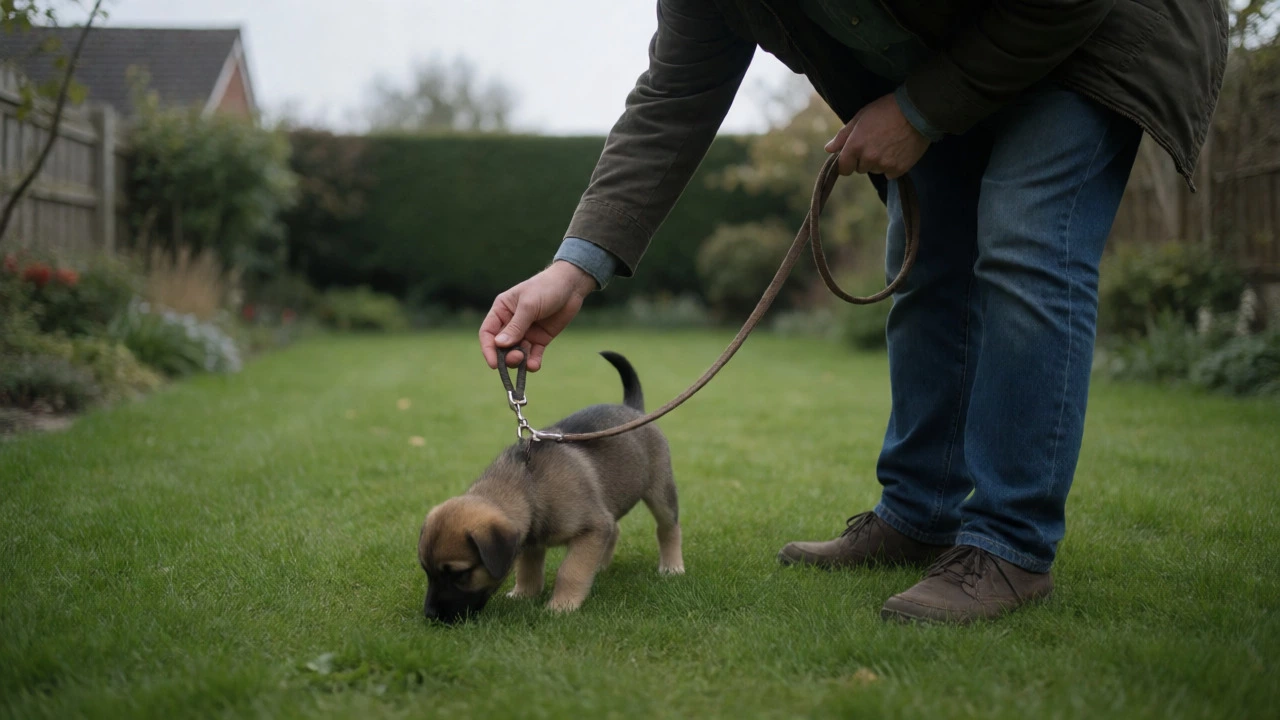
Eight weeks is the peak of the fear impact period. While you shouldn't overwhelm them, you must expose them to the world safely. Incorporate micro-socializations into your routine. When you take them out for a potty break, don't just go back inside. Stand still for two minutes. Let them hear cars, see people walking, and smell the air. Do not force interaction. If they approach a stranger, great. If they hide behind your leg, that is fine too. Reward calm observation with a treat. This builds confidence without flooding their senses. Remember, quality matters more than quantity. Five minutes of calm exposure is better than an hour of chaotic park visits.
Common Pitfalls to Avoid
Many new owners make the mistake of treating weekends differently from weekdays. If you wake up at 7 AM Monday through Friday but sleep until 10 AM Saturday, you disrupt their biological clock. This leads to accidents and whining. Keep wake-up times within 30 minutes of each other, seven days a week. Another trap is ignoring the "pre-potty" signs. Watch for sniffing the ground, spinning, or heading toward the door. Get them out *before* the accident happens. Success breeds success. Every time they eliminate outside, praise them enthusiastically. This reinforces the habit faster than scolding them for mistakes ever could.
Adjusting for Growth and Energy
This routine works well for most breeds, but adjust based on your specific dog. High-energy breeds like Border Collies may need slightly more mental stimulation during play sessions, while brachycephalic breeds like French Bulldogs may tire faster and need longer naps. Monitor your puppy’s stool consistency. If it gets loose, you might be feeding too much or too frequently. Consult your vet if changes persist. As they grow, you will gradually extend awake times. By twelve weeks, they can handle 90 minutes of awake time. By four months, maybe two hours. But for now, stick to the short cycles.
How many times a day should I feed an 8-week-old puppy?
Most veterinarians recommend feeding an 8-week-old puppy three times a day. Their small stomachs cannot hold enough food for two meals, and frequent feeding helps maintain stable blood sugar levels and supports steady growth. Always follow the portion guidelines on your puppy food packaging and consult your vet for breed-specific advice.
Should I wake my puppy up to pee at night?
Yes, initially. An 8-week-old puppy typically has bladder control for only about two to three hours. Setting a gentle alarm for 2:00 or 3:00 AM to take them out prevents accidents and reinforces that the crate is a clean space. As they mature, you can gradually drop this midnight trip.
What if my puppy refuses to nap in the crate?
If your puppy fights the crate, check if they are overtired or understimulated. Ensure the crate is comfortable but not overly spacious. Try giving them a safe chew toy or a frozen washcloth to soothe teething pain. Stay nearby quietly but do not let them out until they settle. Consistency is key; if you give in, they learn that crying works.
Is it okay to take my 8-week-old puppy to the park?
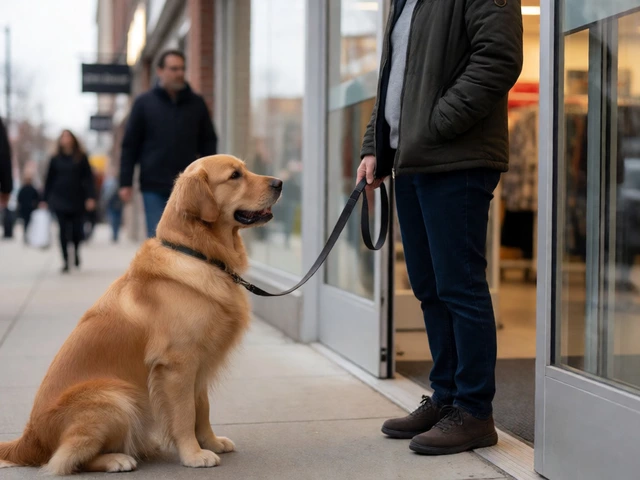
It depends on vaccination status. Generally, vets advise avoiding areas where unknown dogs have eliminated until the second round of vaccinations is complete (usually around 10-12 weeks). However, carrying your puppy or keeping them on a leash in low-traffic areas allows for safe socialization without disease risk. Always ask your vet for local clearance.
How long should play sessions last for an 8-week-old?
Keep play sessions to 10-15 minutes. At this age, puppies fatigue quickly. Overplaying leads to hyperactivity and biting. End the session before they get cranky. If they start nipping hard, it is a sign they are tired and need a nap, not more exercise.