Puppy Crate Time Calculator
Results for Your Puppy
Suggested Daily Schedule:
Enter your puppy's age and work hours to get personalized recommendations
There is nothing quite as heartbreaking as hearing your new puppy whine from behind the bars of their crate. You just want them to be comfortable, safe, and happy. But you also know that crate training is essential for housebreaking and preventing destructive chewing when you can't watch them. So, how long is too long? It’s not just about the clock; it’s about your puppy's bladder control, mental maturity, and physical energy.
If you leave a puppy crated for eight hours straight while you go to work, you aren’t training them-you’re setting them up for failure. A two-month-old puppy physically cannot hold their bladder for that duration. Understanding the biological limits of your dog and creating a realistic daily schedule is the key to a well-adjusted adult dog. Let’s break down exactly how many hours a puppy should spend in a crate, depending on their age and lifestyle.
The Golden Rule: Age Plus One
To figure out the maximum time your puppy can stay in a crate, start with their biology. Puppies have tiny bladders and developing sphincter muscles. The general rule of thumb among veterinarians and trainers is simple: take the puppy's age in months and add one. That number represents the maximum consecutive hours they can comfortably hold their pee.
- 8 weeks old: Maximum 2 hours awake in the crate.
- 3 months old: Maximum 3-4 hours.
- 6 months old: Maximum 5-6 hours.
- 12+ months old: Can often handle 8 hours (adult level).
This isn't a suggestion; it's physiology. If you put an 8-week-old Labrador in a crate for 6 hours, they will eliminate themselves. This creates a messy cleanup and, worse, teaches them that the crate is a bathroom. Once that association forms, unlearning it takes weeks of patience. Always prioritize frequent potty breaks over rigid schedules during the first few months.
Nighttime vs. Daytime Crating
You might notice your puppy sleeps through the night much better than they handle daytime confinement. This is normal. At night, their metabolism slows down, and they are less stimulated by sights and sounds. Most puppies older than 10-12 weeks can sleep for 6 to 8 hours at night without needing a potty break, provided they had a good walk before bed.
Daytime is different. During the day, your puppy is aware of the world. They hear the doorbell, see the cat, and smell the neighbor's dog. These stimuli increase their urge to go outside. Plus, they are more active mentally. A puppy left alone in a crate during the day for four hours will likely become anxious, bored, or desperate to pee.
If you work full-time, you need a backup plan. Consider hiring a dog walker to come midday for a 30-minute potty break and play session. This splits the 8-hour workday into manageable chunks (e.g., 4 hours + 4 hours) rather than one impossible marathon. Without this break, even a 6-month-old puppy may struggle.
Signs Your Puppy Has Been Crated Too Long
Puppies are masters at enduring discomfort because they view humans as pack leaders. They won't always scream if they are simply uncomfortable, but they will give you subtle clues. Watch for these signs that indicate the crate time has exceeded their limit:
- Elimination in the crate: If they pee or poop inside, they held it as long as they could. Check the timing relative to when they were last let out.
- Destructive behavior: Chewing bars, scratching doors, or destroying bedding indicates high stress and pent-up energy.
- Excessive drooling or panting: Signs of heat stress or severe anxiety.
- Whining that doesn't stop after initial settling: Initial whining is normal for the first few minutes. Continuous vocalization usually means a physiological need (peeing) or emotional distress.
If you see these signs, don't punish the puppy. Punishment only increases fear of the crate. Instead, adjust the schedule to provide more frequent breaks.
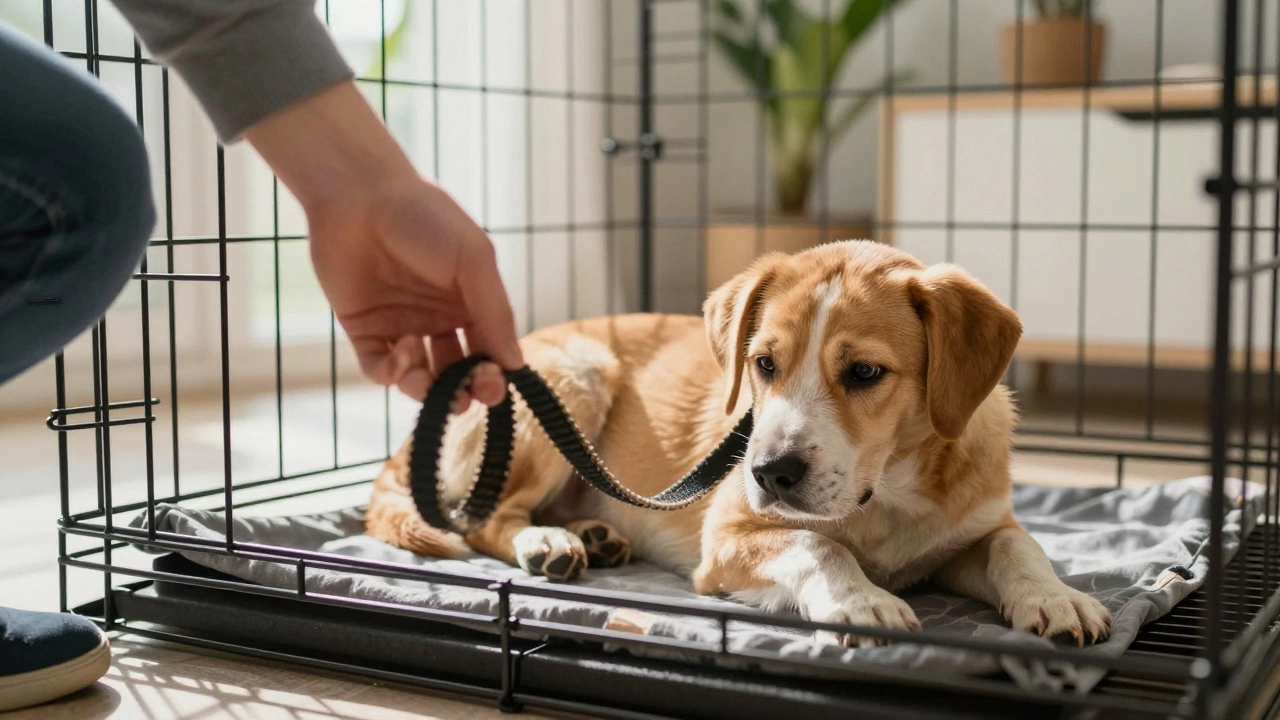
Making the Crate a Positive Space
The goal of crate training is for your puppy to view the crate as their safe den, not a prison. How you introduce the crate dictates how well they tolerate being inside it. Never use the crate as punishment. If you yell at your dog and then put them in the crate, they will associate the box with anger and isolation.
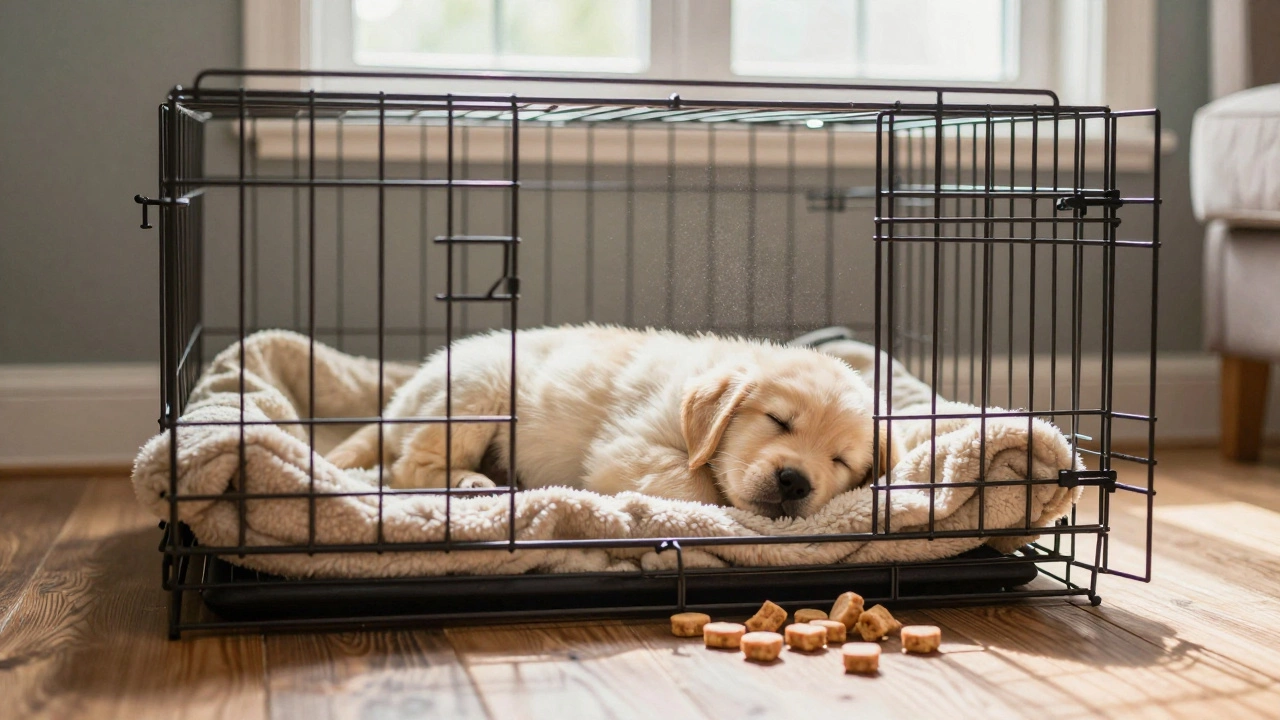
Start by leaving the crate door open with soft bedding inside. Toss high-value treats near the entrance, then deeper inside. Feed their meals in the crate so they associate it with good things. Gradually close the door for short periods while you are in the room, then step out for seconds, then minutes. Build up the duration slowly.
Also, ensure the crate is the right size. If the crate is too large, a puppy will use one corner for sleeping and the opposite corner for eliminating. Use a divider panel to make the space cozy-just big enough for them to stand, turn around, and lie down.
The Role of Exercise and Mental Stimulation
A tired puppy is a good crate mate. Before crating your puppy for any extended period, ensure they have burned off excess energy. A 15-minute vigorous play session or a brisk walk can help them settle faster. However, avoid intense exercise right before bedtime, as it can overstimulate them.
Mental stimulation is equally important. When you do let them out of the crate, engage them. Use puzzle toys, practice basic commands like "sit" or "stay," or play hide-and-seek with treats. This mental fatigue helps them relax when confined later. Boredom is the enemy of successful crate training. A bored puppy will chew their own paws or bark incessantly.
| Puppy Age | Max Consecutive Hours (Day) | Nighttime Sleep Potential | Key Needs |
|---|---|---|---|
| 8-10 Weeks | 1-2 Hours | 4-5 Hours (with midnight break) | Frequent potty breaks, socialization |
| 3-6 Months | 3-4 Hours | 6-8 Hours | Play sessions, basic training |
| 6-12 Months | 4-6 Hours | 8+ Hours | Exercise, mental puzzles |
| 12+ Months | 8 Hours (Adult Level) | 8+ Hours | Regular routine, companionship |
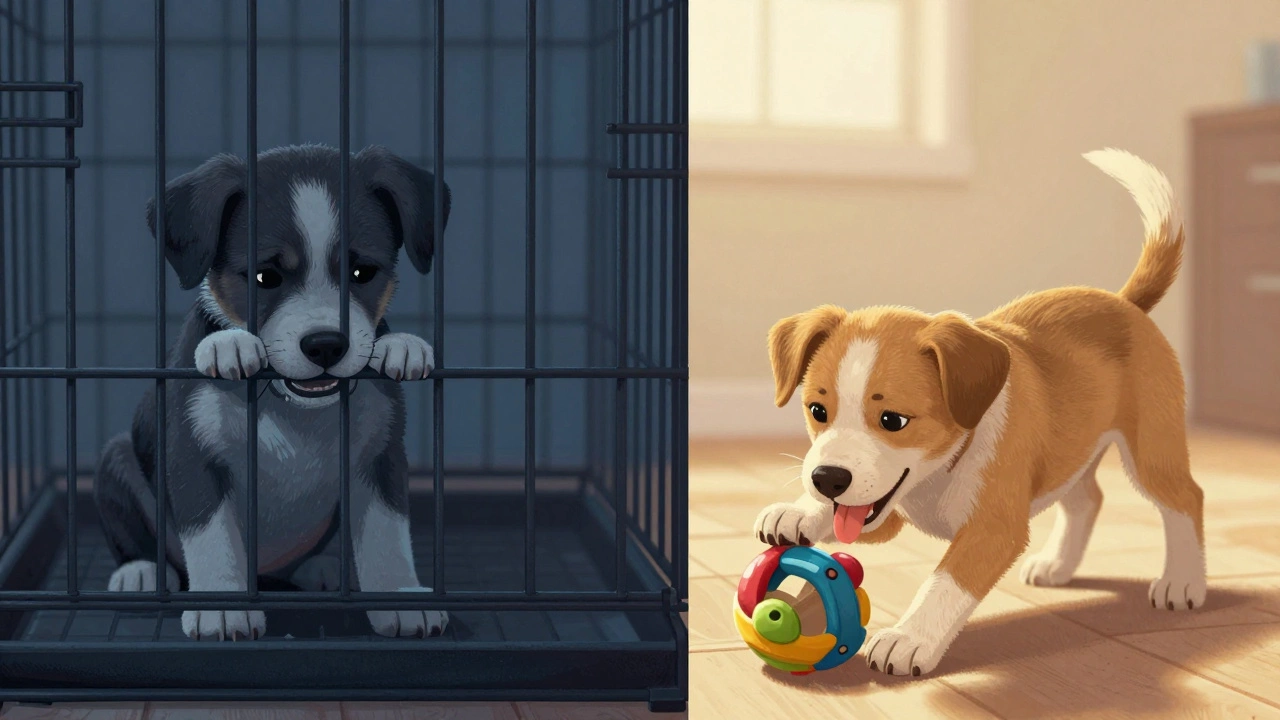
Alternatives to Full-Day Crating
If your job requires you to be away for 8+ hours, crating alone is rarely the solution for a young puppy. Consider these alternatives to keep your dog safe and happy:
- Pen Training: Set up a large exercise pen (x-pen) with a crate, water bowl, potty pad (if trained), and toys. This gives them more room to move while keeping them contained.
- Baby Gates: Block off a puppy-proofed room, like a laundry room or bathroom, where they have access to a bed and safe chews.
- Doggy Daycare: For social breeds, daycare provides exercise and interaction, though it can be tiring for some puppies.
- In-Home Pet Sitter: Someone who visits midday to let the puppy out, play, and provide human connection.
Remember, dogs are social animals. Isolation for long periods can lead to separation anxiety later in life. The more you can mitigate alone time now, the more confident your adult dog will be.
Common Mistakes to Avoid
Many owners accidentally sabotage their crate training progress. Here are the most common pitfalls:
- Ignoring pre-crate potty needs: Always let your puppy out immediately before closing the crate door. Wait until they finish business, then praise them and put them in.
- Crating as punishment: As mentioned, never put a puppy in the crate after scolding them. It must remain a neutral or positive space.
- Leaving food in the crate all day: While lick mats or Kongs are great for enrichment, leaving regular kibble out can encourage binge eating or messiness. Use interactive feeders for short durations.
- Responding to every whimper: If you know they’ve just gone potty and aren’t in pain, ignore mild whining. Responding reinforces the behavior that crying equals freedom. Wait for a moment of silence before letting them out.
Patience is your most valuable tool. Some puppies adapt in days; others take months. Consistency in your schedule and rules will yield the best results. By respecting their physical limits and providing ample love and exercise outside the crate, you’ll build a bond of trust that lasts a lifetime.
Can I leave my 8-week-old puppy in a crate for 8 hours?
No, absolutely not. An 8-week-old puppy can typically only hold their bladder for about 2 hours. Leaving them crated for 8 hours will result in accidents, potential health issues like urinary tract infections, and significant stress. You need a dog walker or sitter to break up the day.
Is it cruel to crate a puppy?
Crate training itself is not cruel when done correctly. Dogs are den animals and naturally seek small, secure spaces. Cruelty occurs when crates are used for excessive durations beyond the puppy's bladder capacity, used as punishment, or if the puppy is denied social interaction and exercise for long periods.
Should I cover the crate with a blanket?
Yes, covering three sides of the crate with a light blanket can help create a cave-like environment that reduces visual stimuli and calms anxious puppies. Ensure there is adequate ventilation and monitor the temperature to prevent overheating.
What if my puppy cries in the crate at night?
First, ensure they have gone potty right before bed. Place the crate next to your bed so they can smell and hear you. If they cry, wait a few minutes to see if they settle. If the crying continues, take them out quietly for a potty break (no play), then return them to the crate. Gradually move the crate further from your bed over several weeks.
How do I transition my puppy out of the crate?
Once your puppy is reliably house-trained and no longer chews furniture, you can gradually increase their freedom. Start by leaving the crate door open, then allow them access to one puppy-proofed room, and eventually the whole house. This process can take months and should be done slowly to prevent setbacks.