Pet Travel Readiness Calculator
Assess Your Pet's Flight Readiness
Step 1: Flight & Pet Details
Step 2: Preparation Checklist
Check off the items you have completed or plan to complete:
Step 3: Your Readiness Report
Care Protocol Based on Duration
You pack the carrier, buy the ticket, and hand over your furry friend at the check-in counter. As you head to your gate, a nagging thought creeps into your mind: Will anyone feed my dog or cat while they are stuck in that dark hold for six hours? It is a natural worry. We treat our pets like family, so imagining them hungry and thirsty during a long journey feels unbearable. But the reality of how airlines handle live animals in cargo is quite different from what most owners expect.
The short answer is no. Airlines do not feed pets in cargo during standard flights. There is no stewardess sneaking down the aisle with kibble, and there are no automated dispensers in the belly of the plane. However, that does not mean your pet goes without care. The system relies on strict preparation by you, the owner, and specific protocols for very long hauls. Understanding exactly how this works can ease your anxiety and ensure your pet stays safe.
Why Airlines Don't Feed Pets During Short Flights
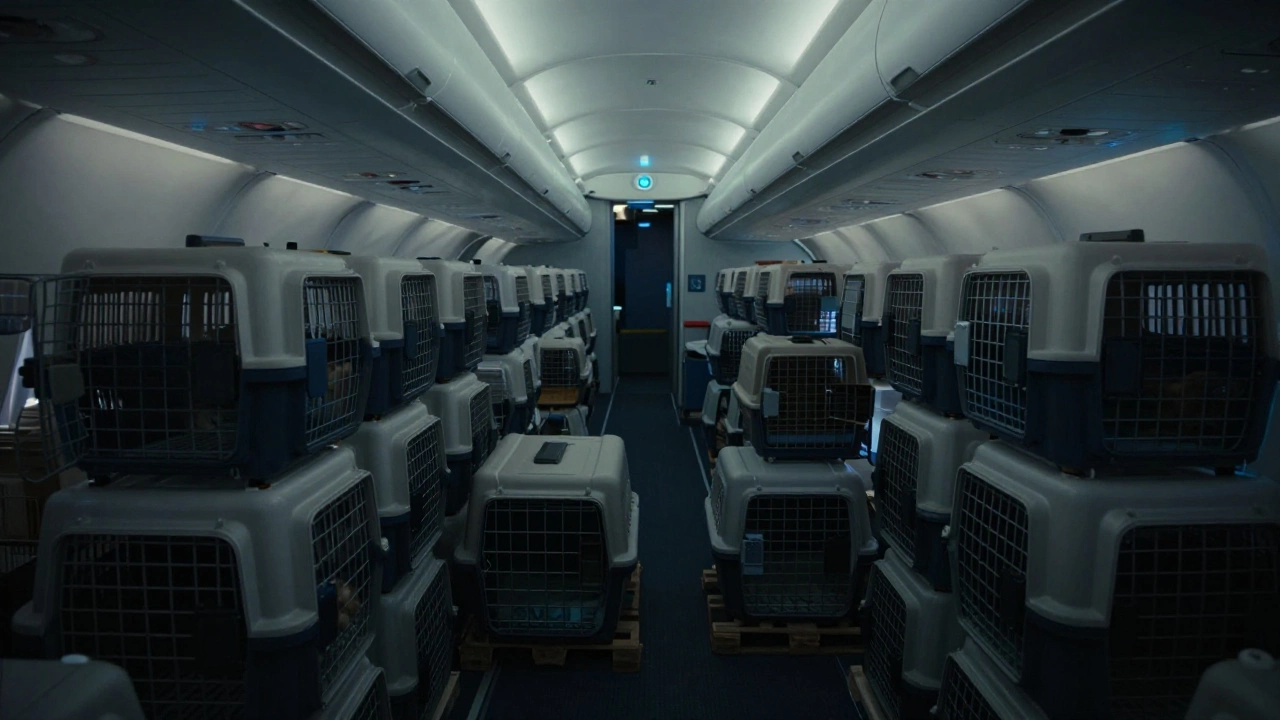
To understand why feeding doesn't happen, you have to look at logistics and safety. When a pet travels as cargo, they are placed in a specialized container called a Kennel. This kennel is loaded into the climate-controlled hold of the aircraft alongside luggage and freight. Accessing this area once the plane is pressurized and moving is impossible for crew members.
Even if access were possible, opening a kennel mid-flight poses significant risks. Animals can become stressed, aggressive, or escape when disturbed. Furthermore, feeding an animal that hasn't moved for hours can cause digestive issues or motion sickness. Most veterinary experts actually recommend withholding food for several hours before travel to prevent vomiting and discomfort.
For flights under eight hours, the expectation is that the pet will go without food. Water, however, is critical. You must attach water bowls to the outside of the kennel door before handing it over. These bowls are designed to be leak-proof but accessible. The airline staff will check these bowls at the airport before loading, but they will not refill them mid-air.
The Eight-Hour Rule and Layovers
Things change when the journey gets longer. The International Air Transport Association (IATA), which sets the global standards for live animal transport, has specific guidelines for flights exceeding eight hours. If your pet’s total travel time-including layovers-exceeds this threshold, airlines are generally required to provide a stopover.
This stopover isn't just a pause; it's a service window. During this break, airline ground staff or contracted handlers will take the kennel out of the hold. They will offer fresh water and, in many cases, dry food. They may also allow the animal a brief period of exercise in a secure holding area. This is known as a "live animal stopover."
It is crucial to note that this is not guaranteed on every route. Some airlines have specific hubs where they can perform these services, while others cannot. Always check with your airline specifically about their stopover policies. If you are booking a connection through a hub that doesn't support live animal handling, you might need to book separate tickets to ensure your pet gets proper care.
| Flight Duration | Food Provided by Airline? | Water Provided by Airline? | Owner Responsibility |
|---|---|---|---|
| Under 8 Hours | No | No (unless stopped) | Attach frozen water bowl; withhold food 4-6 hrs prior |
| 8-12 Hours | Possible (at stopover) | Yes (at stopover) | Confirm stopover availability; provide food/water instructions |
| Over 12 Hours | Yes (mandatory stopover) | Yes (mandatory stopover) | Ensure kennel has clear labeling; provide contact info |
How to Prepare Your Pet's Nutrition Kit
Since you cannot rely on the airline to feed your pet on short flights, you must prepare a nutrition kit. Think of this as a survival package attached to the kennel. The goal is to provide hydration and emergency calories without creating a mess.
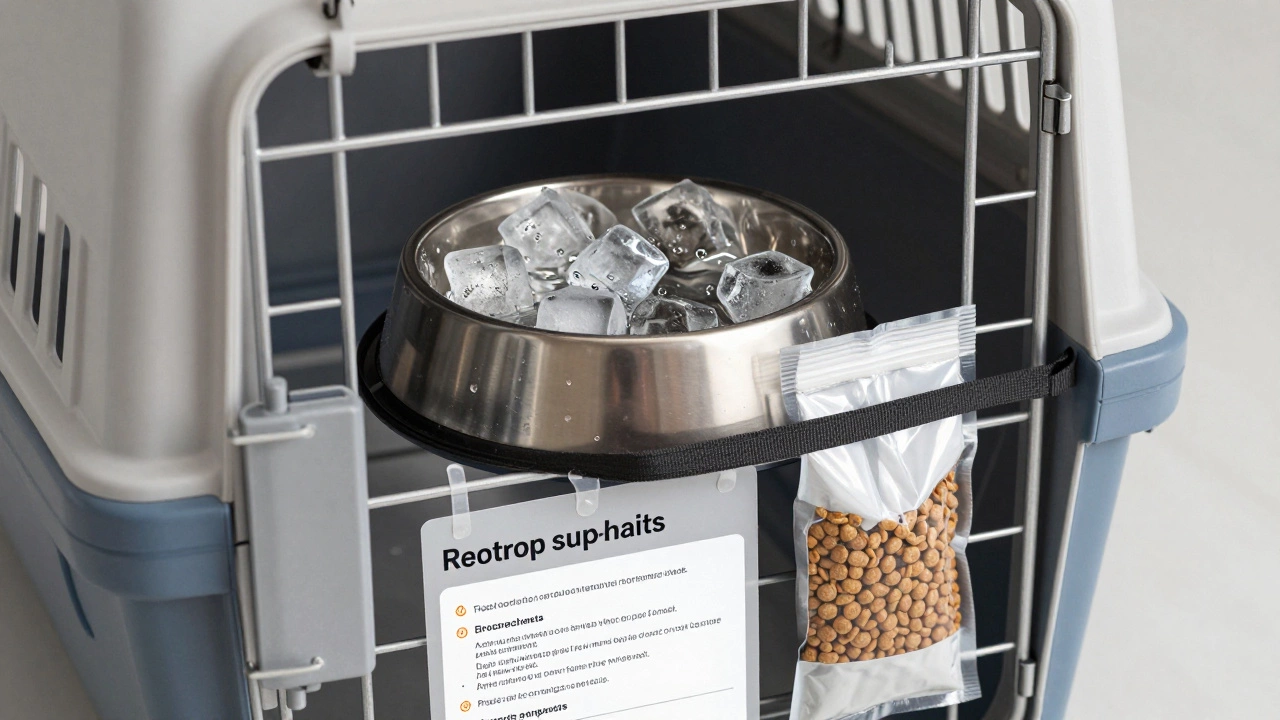
Start with water. Plastic bottles can leak under pressure changes. Instead, use specialized travel bowls that screw onto the kennel door. A pro tip from frequent travelers: freeze the water in the bowl before you leave for the airport. This ensures the water stays cold and solid during the initial heat of the terminal and loading process, melting slowly into liquid during the flight. It also prevents spills if the kennel tips over.
For food, include a small bag of your pet’s regular dry kibble. Do not use wet food-it spoils quickly and leaks. Attach this bag securely to the outside of the kennel with a zip tie or strong tape. Include a written instruction card that says: "If flight exceeds 8 hours, please offer water and a small amount of food." Be specific about quantities. Overfeeding can be dangerous.
Also, consider including a small amount of treats. High-value treats can help distract a stressed animal during layovers if handlers decide to let them out. However, never put anything inside the kennel that could be swallowed whole and cause choking, especially if the animal is anxious.
The Role of Veterinary Health Certificates
Your pet’s ability to travel depends heavily on paperwork. A Veterinary Health Certificate is not just a formality; it is a legal document that confirms your pet is fit to fly. This certificate usually requires a vet visit within 10 days of travel.
During this visit, discuss your travel plans with your veterinarian. Ask specifically about fasting. For example, puppies and senior dogs may not tolerate long periods without food as well as adult dogs. Your vet might recommend a light meal two hours before travel instead of complete fasting. Document these specific instructions on the health certificate or a separate rider attached to the kennel.
If your pet takes medication, you must inform the airline. Some medications affect hydration levels or blood sugar. If your pet is diabetic, for instance, they cannot go without food for extended periods. In such cases, you may need to hire a professional pet transporter who can monitor and feed the animal during layovers, rather than relying on standard cargo procedures.
Choosing the Right Airline and Season
Not all airlines treat pets equally. Major carriers like Delta Air Lines, United Airlines, and American Airlines have robust live animal programs. They train their staff in IATA Live Animal Regulations (LAR). Smaller budget carriers often lack these resources and may not offer stopover services even for long flights.
Always choose an airline that accepts pets as "accompanied cargo" rather than unaccompanied freight. Accompanied cargo means the pet travels on the same flight as you. This allows you to track the flight status and potentially meet the pet at the destination immediately. Unaccompanied freight might involve multiple transfers and unknown delays.
Seasonal restrictions are another critical factor. Many airlines impose "temperature embargoes" during extreme weather. If the temperature at departure, arrival, or any transfer point is above 85°F (29°C) or below 45°F (7°C), airlines may refuse to transport pets. This is because the cargo hold is climate-controlled, but the tarmac is not. Loading and unloading happens in ambient temperatures. Never try to bypass these rules; the risk of heatstroke or hypothermia is too high.
What Happens at the Destination?
When the plane lands, the pet is unloaded along with other cargo. They are held in a designated live animal area until you claim them. This area is usually air-conditioned and monitored. You will need to present your ticket and identification to pick up your pet.
Once you get your pet, check them immediately. Look for signs of stress, dehydration, or injury. Offer water first, not food. Let them drink slowly. Wait at least an hour before offering a full meal to let their digestive system settle. If you notice any unusual behavior, contact a local vet immediately. Keep the airline’s incident report number handy in case you need to file a complaint later.
Frequently Asked Questions
Do airlines feed dogs in cargo for short flights?
No, airlines do not feed dogs in cargo for short flights (under 8 hours). Owners are expected to withhold food for 4-6 hours before travel to prevent motion sickness. Water should be provided via attached bowls, but it will not be refilled mid-flight.
What happens if my pet needs to eat during a 10-hour flight?
For flights over 8 hours, airlines typically schedule a stopover. During this layover, ground staff will offer fresh water and a small amount of dry food. Ensure your airline supports live animal stopovers on your specific route.
Can I put wet food in my pet's carrier for the flight?
It is strongly advised against putting wet food in the carrier. It can leak, spoil, and attract pests. Stick to dry kibble attached to the outside of the kennel for emergency feeding during long layovers.
Are pets kept in climate-controlled areas in the cargo hold?
Yes, modern commercial aircraft keep the cargo hold pressurized and temperature-controlled throughout the flight. However, pets are exposed to ambient temperatures during loading and unloading on the tarmac, which is why seasonal embargoes exist.
Who is responsible if my pet gets sick during the flight?
Airlines have liability limits for live animals. While they follow IATA regulations, they are not veterinarians. It is the owner's responsibility to ensure the pet is healthy enough to fly. Always carry a recent health certificate and consider pet travel insurance for medical emergencies.