Puppy Peanut Butter Safety & Portion Checker
1. Check Ingredients
Tick any additives found in your peanut butter jar. Xylitol is strictly toxic.
2. Puppy Details
Enter details to check safety and calculate portions.
Safety Verdict:
Recommended Daily Limit:
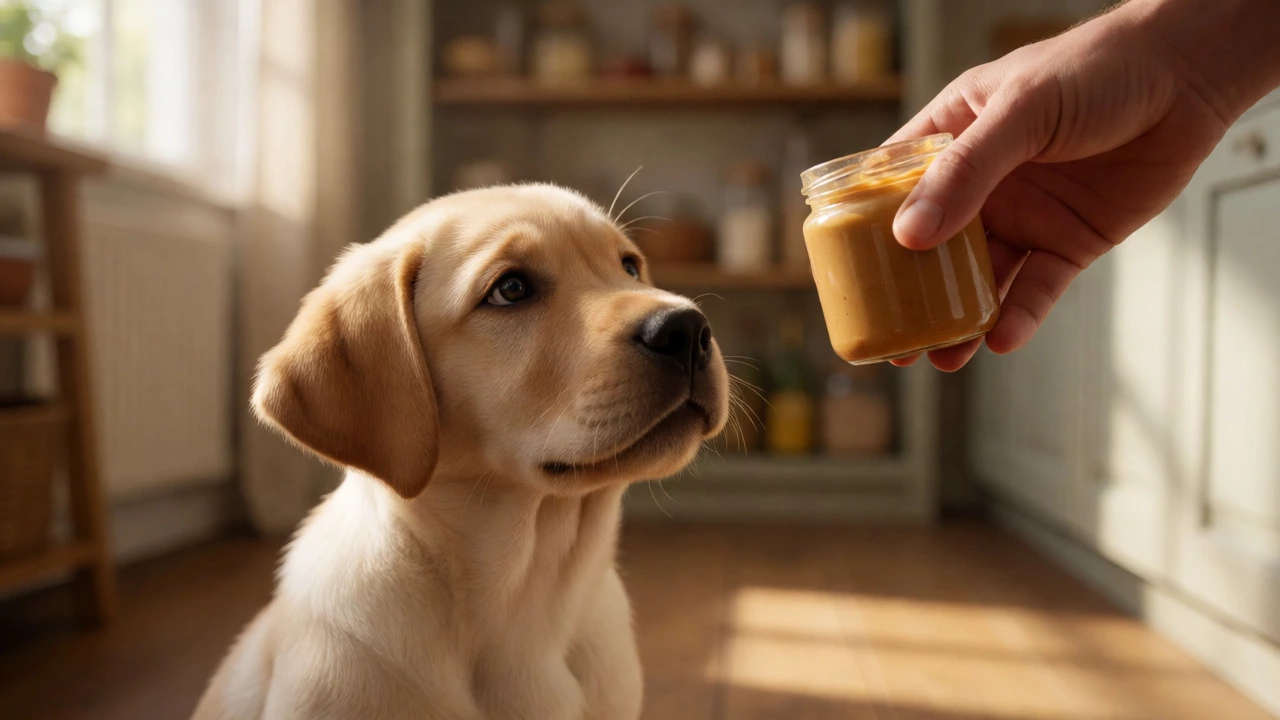
You’re sitting on the floor, watching your new eight-week-old Labrador chew on a rubber toy, and you think: "I want to give him something tasty." You reach into the pantry, grab that jar of creamy peanut butter, and hesitate. Is it safe? Will his tiny stomach handle it? Or worse, is there a hidden ingredient that could send you rushing to the vet at 2 AM?
Here’s the good news: peanut butter is generally safe for puppies, but only if you check one specific thing first. It’s not about the peanuts; it’s about what else is in the jar. Most store-bought brands contain sweeteners or additives that are fine for adult humans but toxic to young dogs. If you get this wrong, you aren’t just giving a treat; you’re risking a medical emergency. Let’s break down exactly how to do this safely, how much to give, and which jars to throw in the bin.
The Xylitol Danger: Why Label Reading Matters More Than Brand Loyalty
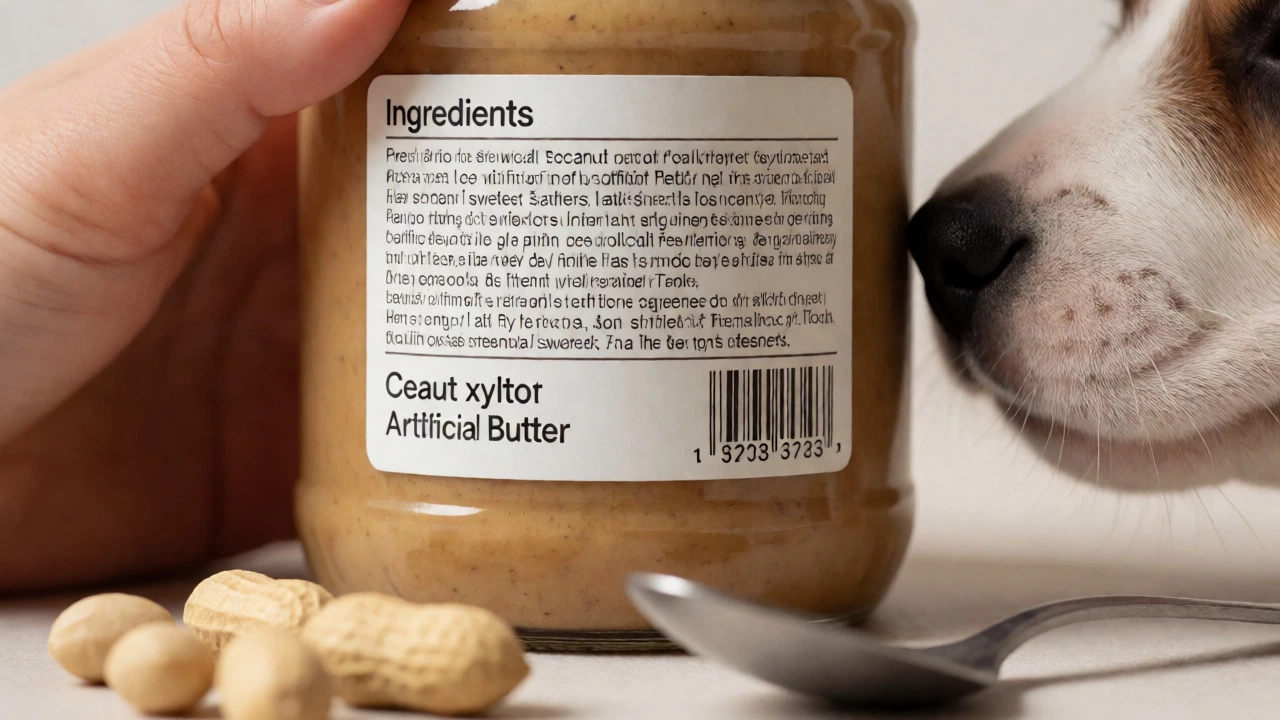
If you remember nothing else from this article, remember this word: xylitol. This artificial sweetener, often found in sugar-free peanut butters, causes a rapid release of insulin in dogs, leading to hypoglycemia (low blood sugar) and potentially fatal liver failure. Unlike humans, who can process small amounts of xylitol without issue, dogs have no defense mechanism against it.
Puppies are even more vulnerable than adult dogs because their livers are still developing, and their body mass is tiny. A teaspoon of peanut butter containing xylitol might be a nuisance for a 30kg adult dog but could be life-threatening for a 5kg puppy. Always flip the jar over. Look under "Ingredients" or "Other Ingredients." If you see xylitol, birch sugar, or any name starting with "xyl," put the jar back on the shelf. Stick to plain, unsalted, unsweetened varieties.
| Additive | Safety Status | Why It Matters |
|---|---|---|
| Xylitol | Toxic | Causes rapid insulin spike and liver damage. |
| Salt (Sodium) | Use Caution | High sodium leads to excessive thirst and urination; bad for kidneys. |
| Chocolate/Cocoa | Toxic | Contains theobromine, which dogs cannot metabolize efficiently. |
| Artificial Sweeteners (Aspartame/Saccharin) | Avoid | Not necessarily lethal, but offers no nutritional benefit and may cause digestive upset. |
| Hydrogenated Oils | Limit | Added to prevent separation; linked to inflammation if consumed in excess. |
Nutritional Benefits: Why Peanut Butter Actually Helps Development
Once you’ve cleared the safety hurdle, you’ll find that peanut butter is actually a nutrient-dense snack. It’s packed with protein, healthy fats, and vitamins B and E. For a growing puppy, these components support coat health, skin integrity, and muscle development. The high fat content also makes it an excellent carrier for medication-try hiding a pill inside a dollop, and you’ll save yourself twenty minutes of wrestling.
However, don’t mistake "healthy" for "low calorie." Peanut butter is energy-dense. One tablespoon contains roughly 90-100 calories. For a small breed puppy like a Chihuahua or Yorkie, that’s nearly half their daily caloric requirement. Overfeeding peanut butter can lead to obesity, which puts stress on developing joints. Think of it as a high-value reward, not a meal replacement.
Portion Control: How Much Is Too Much?
There is no universal serving size because a Great Dane puppy has different needs than a Pomeranian. The rule of thumb is the 10% rule: treats should never make up more than 10% of your puppy’s total daily calorie intake. But since peanut butter is so calorie-heavy, I recommend capping it even lower.
- Small Breeds (under 10kg): No more than ½ teaspoon per day. Seriously, half a teaspoon. It’s easy to overdo it with a spoon.
- Medium Breeds (10-25kg): Up to 1 teaspoon per day.
- Large Breeds (over 25kg): Up to 1 tablespoon per day.
Start with a tiny smear on your finger when your puppy is at least three months old. Watch for any signs of gastrointestinal distress, such as loose stools or vomiting, within the next 24 hours. If they seem fine, you can gradually increase to the recommended limit. Never give peanut butter every single day; rotate it with other low-calorie treats like blueberries or carrot sticks to keep their palate varied and their weight stable.
Choking Hazards and Texture Issues
Peanut butter is sticky. That stickiness is great for stuffing toys but dangerous for choking. Puppies are eager eaters who tend to gulp food rather than chew it. A large glob of smooth peanut butter can stick to the roof of their mouth or throat, causing panic or gagging.
To mitigate this risk, always mix peanut butter with another ingredient or use it sparingly. If you’re using it to stuff a Kong toy, mix it with wet dog food or yogurt to thin out the consistency. This makes it easier for them to lick out without creating a vacuum seal in their mouth. Avoid chunky peanut butter for very young puppies (under four months), as the nut pieces can pose a choking hazard or irritate sensitive gums.
DIY Puppy Treats: Simple Recipes Using Peanut Butter
Making your own treats ensures you control every ingredient. Here are two simple recipes that are safe for most puppies once they are past the initial weaning stage (around 8-10 weeks).
Frozen Banana-PB Cubes
This is perfect for hot Auckland summers or teething puppies who need soothing relief.
- Mash one ripe banana until smooth.
- Stir in one tablespoon of xylitol-free peanut butter.
- Pour the mixture into an ice cube tray.
- Freeze for at least four hours.
- Give one cube at a time as a refreshing snack.
No-Bake Oat Cookies
These are softer than commercial biscuits and easier on puppy teeth.
- Mix 1 cup of rolled oats, ½ cup of mashed pumpkin (plain, no spices), and ¼ cup of peanut butter.
- Form into small balls or flatten slightly on a baking sheet.
- Bake at 160°C (320°F) for 15-20 minutes until firm but not hard.
- Let cool completely before serving.
- Store in the fridge for up to a week.
When to Say No: Specific Health Conditions
Even safe peanut butter isn’t right for every puppy. If your dog has a history of pancreatitis, avoid peanut butter entirely. Pancreatitis is an inflammation of the pancreas often triggered by high-fat foods. Symptoms include vomiting, abdominal pain, and lethargy. Because peanut butter is high in fat, it can trigger a flare-up in susceptible breeds like Schnauzers or Cocker Spaniels.
Also, consider allergies. While rare in young puppies, peanut allergies do exist. Signs include itching, redness around the mouth or paws, and ear infections. If you notice your puppy scratching excessively after eating peanut butter, stop immediately and consult your vet. They may recommend switching to sunflower seed butter, which has a similar texture and taste profile but lacks the common allergens found in legumes.
Using Peanut Butter for Training and Enrichment
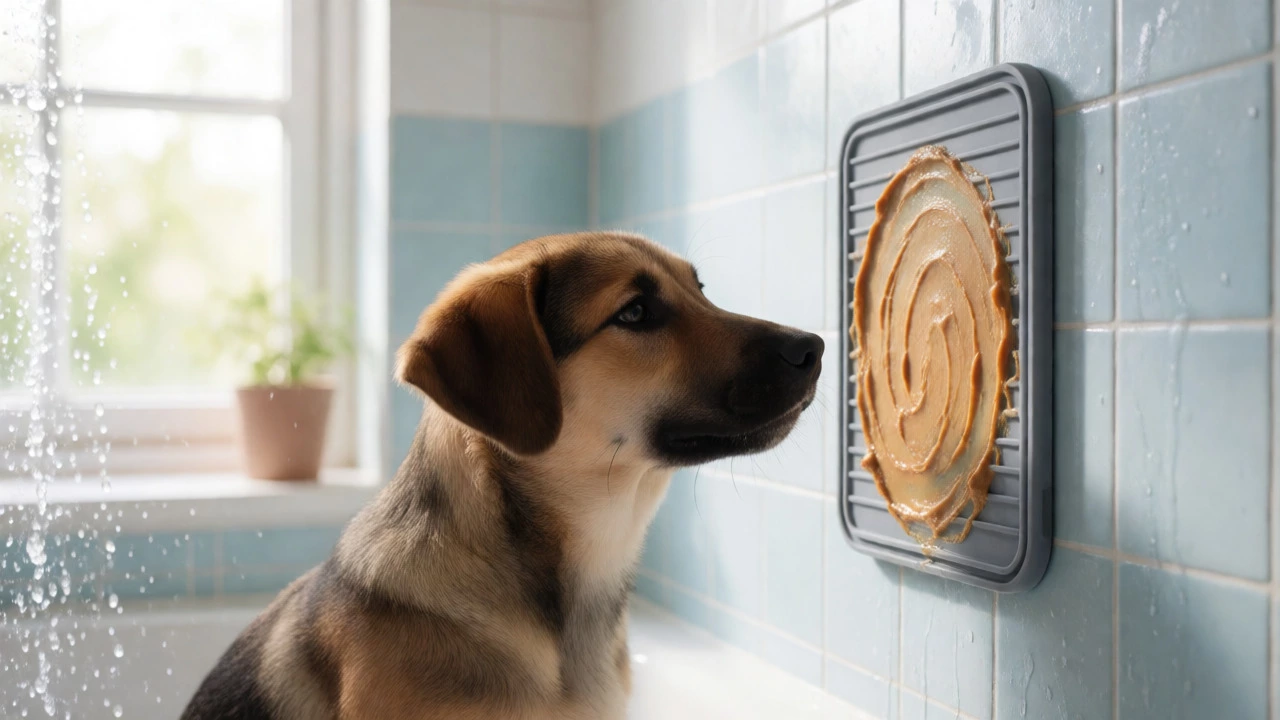
One of the best uses for peanut butter isn’t feeding-it’s behavioral management. Puppies explore the world with their mouths. When you’re doing grooming, nail trims, or bath time, smear a little peanut butter on a silicone licking mat stuck to the wall or floor. This keeps them occupied and associates the stressful activity with a positive experience.
It’s also invaluable for crate training. Stuff a Kong with a mixture of kibble and a small amount of peanut butter, then freeze it. Toss it into the crate. The act of licking releases endorphins, which helps calm anxious puppies. Just ensure the Kong is the correct size for your puppy’s jaw strength to prevent frustration.
Alternatives to Peanut Butter
If you’re worried about xylitol contamination or want variety, here are safe swaps:
- Sunflower Seed Butter: Often cheaper and free of common allergens. Check labels for added salt.
- Cream Cheese: Lower in fat than peanut butter but still rich. Use sparingly.
- Plain Greek Yogurt: High in probiotics, which aid digestion. Ensure it’s unsweetened and lactose-tolerant (most dogs lose the enzyme to digest lactose as adults, but puppies usually tolerate small amounts).
- Pumpkin Puree: Not a spread, but great for mixing into food. High in fiber, which helps with diarrhea.
Remember, the goal is enrichment and bonding, not just filling the belly. By choosing the right product and portioning carefully, you turn a simple pantry staple into a powerful tool for your puppy’s happiness and health.
How early can I introduce peanut butter to my puppy?
You can typically introduce small amounts of peanut butter once your puppy is fully weaned and eating solid food consistently, usually around 8 to 10 weeks of age. However, many vets recommend waiting until 3 to 4 months to ensure their digestive system is mature enough to handle high-fat foods. Always start with a tiny smear to test for tolerance.
What happens if my puppy eats peanut butter with xylitol?
Xylitol toxicity is a medical emergency. Symptoms can appear within 15 to 30 minutes and include vomiting, weakness, difficulty walking, seizures, and collapse. If you suspect ingestion, contact your veterinarian or an animal poison control center immediately. Do not wait for symptoms to worsen; early intervention significantly improves survival rates.
Is crunchy or smooth peanut butter better for puppies?
Smooth peanut butter is safer for young puppies. Chunky varieties contain larger pieces of nuts that can be difficult for small mouths to chew properly, posing a choking hazard. Additionally, the rough texture might irritate sensitive gums during the teething phase. Save the crunchy stuff for adult dogs with strong jaws.
Can peanut butter help with constipation in puppies?
While peanut butter contains some fiber, it is primarily high in fat. High-fat foods can sometimes slow digestion further or cause loose stools rather than helping constipation. For constipation, canned pumpkin puree (not pie filling) is a far more effective and safer remedy due to its higher soluble fiber content.
How long does peanut butter last once opened?
Most natural peanut butters require refrigeration after opening and will last 2 to 3 months. Commercial brands with preservatives can last 6 to 9 months at room temperature, but refrigerating them extends freshness and prevents the oils from going rancid. Rancid fats can cause stomach upset in dogs, so smell it before feeding if it’s been open for a while.