Dog Walker Liability Simulator
Select a scenario below and answer the questions to see who is likely liable for the damages.
Dog Bite
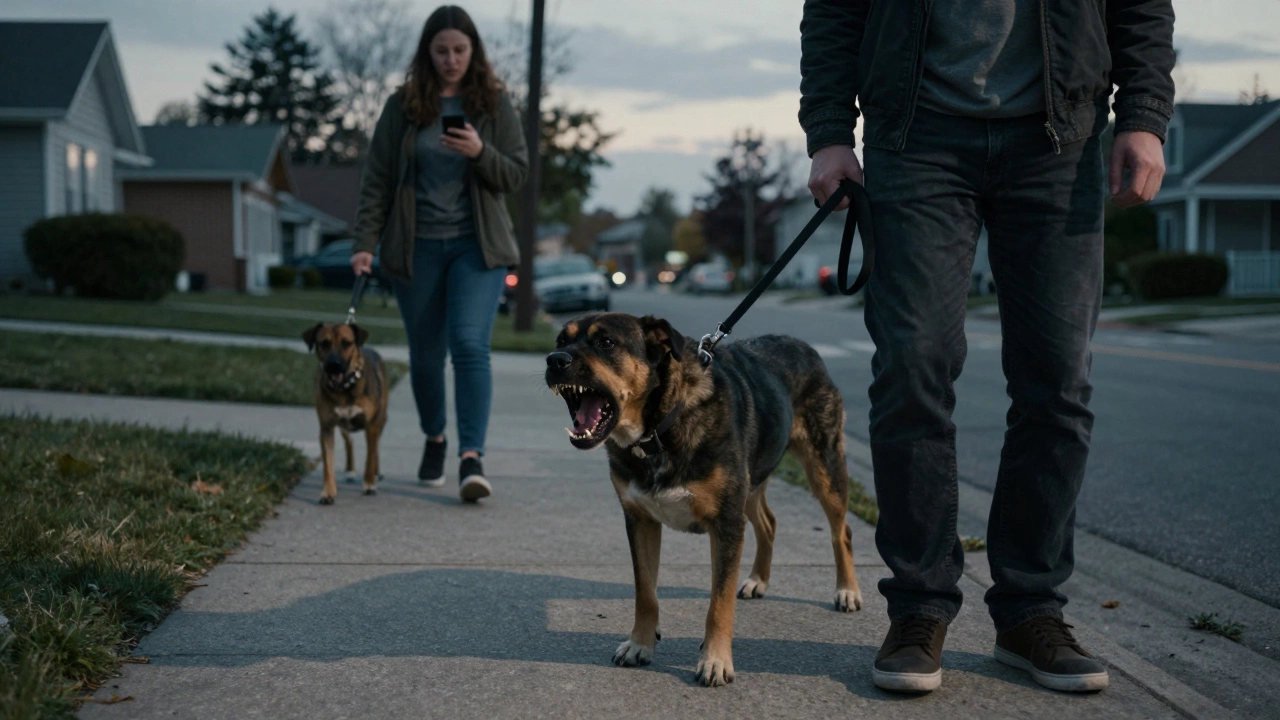
A pedestrian or another dog is bitten during a walk.
Escape & Injury
The dog escapes supervision and causes an accident or gets hurt.
Health Emergency
The dog suffers a medical issue or reaction while under care.
Property Damage
The dog damages a neighbor's property or vehicle.
Please select a scenario...
Analysis Results
Your liability assessment will appear here.
You hand over your house keys to a stranger so they can take your dog for a walk. It’s an act of trust. But what happens when that trust is broken? If your dog gets into a fight, escapes the yard, or injures a pedestrian, who pays for the vet bills or the medical costs? The answer isn't always simple, but it usually comes down to one word: liability.
For dog owners hiring walkers and for walkers building a business, understanding legal responsibility is not just about avoiding lawsuits-it’s about protecting your peace of mind. Liability determines who is on the hook when things go wrong. Whether you are a professional walker or a pet owner, knowing where the line is drawn between accident and negligence can save you thousands of dollars.
The Core Concept: Negligence vs. Accident
In the world of pet care law, not every bad outcome means the walker is liable. To be held legally responsible, a dog walker usually must have been negligent. Negligence is a specific legal term. It means the walker failed to act with the level of care that a reasonable person would have used in the same situation.
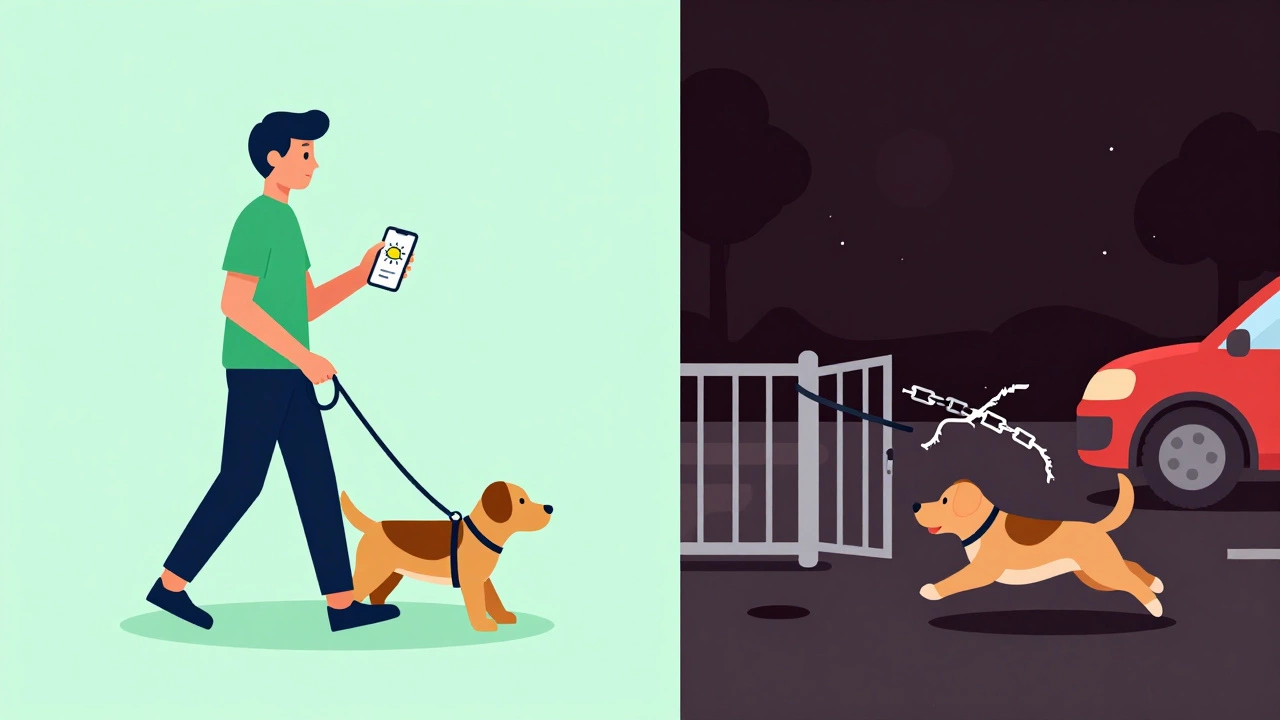
Think of it this way. If a perfectly healthy dog suddenly suffers a heart attack during a normal walk, that is an accident. The walker likely isn’t liable because they couldn’t have predicted or prevented it. However, if the walker left the gate open, ignored signs of heatstroke, or walked a reactive dog without proper gear, that is negligence. They breached their duty of care.
This distinction is crucial. Courts look at whether the walker followed standard industry practices. Did they check the weather? Did they secure the leash? Did they follow the owner's specific instructions? If the answer is no, liability shifts to the walker.
Common Scenarios Where Walkers Are Held Liable
Liability claims against dog walkers typically fall into three main buckets: injury to third parties, injury to the dog itself, and property damage. Let’s break down how these play out in real life.
| Scenario | Who Gets Hurt? | Walker Liable If... |
|---|---|---|
| Dog Bite | Pedestrian, another dog | They ignored known aggression issues or used improper restraint (e.g., retractable leash). |
| Escape & Injury | The dog or a car driver | They failed to secure gates, collars, or leashes properly. |
| Veterinary Neglect | The dog | They administered medication incorrectly or ignored severe symptoms. |
| Property Damage | Neighbor's garden, fence | The dog destroyed property while under the walker's direct supervision. |
Dog bites are the most common source of lawsuits. In many jurisdictions, owners are strictly liable for their dog's actions. This means the owner pays first. However, if the walker was negligent-say, by walking a dog known to be aggressive off-leash-the owner can sue the walker to recover those costs. This is called "indemnification."
Then there is the risk of the dog getting hurt. If a walker drags a dog behind a car because they fell asleep in the vehicle, or if they leave a dog tied outside in freezing temperatures, they are directly liable for veterinary bills and potentially punitive damages for animal cruelty. These cases are serious and can lead to criminal charges, not just civil lawsuits.
The Role of Insurance in Protecting Both Parties
Insurance is the safety net that catches these liabilities. Without it, a single mistake can bankrupt a small business or drain a homeowner’s savings. There are two main types of insurance relevant here: General Liability and Professional Liability.
General Liability Insurance covers bodily injury to third parties and property damage. If your dog bites a neighbor while you’re walking them, this policy helps pay for the neighbor’s medical bills and any legal defense costs. Most reputable professional walkers carry this.
Professional Liability Insurance, also known as Errors and Omissions (E&O) insurance, covers mistakes in the service provided. If a walker forgets to administer insulin, leading to a diabetic emergency, general liability might not cover it. E&O does. It addresses the failure to perform the job correctly.
As a pet owner, you should ask every potential walker: "Do you have liability insurance?" If they say no, walk away. A walker operating without insurance is passing all the financial risk onto you. If something goes wrong, you’ll be chasing them personally for money they likely don’t have.
Why Contracts Matter More Than You Think
A handshake deal is risky. A written contract defines the scope of work and limits liability before an incident occurs. It serves as evidence of what was agreed upon. Key elements every dog walking contract should include:
- Scope of Services: Exactly what will the walker do? How long are the walks? What route will they take?
- Emergency Protocols: Who decides on emergency vet care? What is the spending limit? Does the walker have permission to euthanize in extreme cases?
- Liability Waivers: These clauses state that the owner assumes certain risks, such as pre-existing health conditions or inherent behavioral traits of the dog.
- Indemnification Clause: This protects the walker from being sued by the owner if the dog’s own behavior causes harm, provided the walker wasn’t negligent.
Without a contract, disputes become he-said-she-said scenarios. Did the owner tell the walker the dog was anxious around bikes? If it’s not in writing, the walker has little defense if the dog bolts after a cyclist. A clear contract establishes expectations and reduces ambiguity.
Owner Responsibility: You Can’t Blame the Walker for Everything
While we focus on walker liability, pet owners share the burden. Under the legal doctrine of contributory negligence, if an owner fails to disclose critical information, they may bear some or all of the responsibility.
Imagine you hire a walker but don’t mention that your dog has a history of escaping through fences. If the dog escapes and hits a car, the walker could argue that they acted reasonably based on the information given. By withholding facts, you compromised their ability to provide safe care. Courts often split liability in these cases. You might be found 50% at fault for not disclosing the risk.
Owners are also liable for providing safe equipment. If you give the walker a broken collar or a frayed leash, and the dog slips out, the blame falls partly on you. Always ensure the gear you provide is in good condition and appropriate for your dog’s size and strength.

How to Vet a Professional Walker
Finding a reliable walker involves more than checking their rates. You need to verify their professionalism. Here is a checklist to protect yourself:
- Request Proof of Insurance: Ask for a Certificate of Insurance (COI). Check the coverage limits. $1 million is a common standard for professional liability.
- Check References: Talk to current clients. Ask specifically about emergencies. How did the walker handle them?
- Review Their Contract: Read it carefully. Look for vague language. If you don’t understand a clause, ask for clarification or skip that walker.
- Observe a Trial Walk: Watch how they interact with your dog. Do they use positive reinforcement? Do they stay alert? Do they secure the leash properly?
- Verify Background Checks: Reputable agencies and independent professionals often undergo background checks to ensure they have no criminal history involving violence or animal abuse.
If a walker refuses to provide proof of insurance or sign a contract, consider it a major red flag. Professionalism is demonstrated through documentation and transparency.
State Laws Vary: Know Your Local Regulations
Liability laws are not uniform across the country. Some states have "strict liability" laws for dog bites, meaning the owner is automatically responsible regardless of the dog’s history. Others follow a "one-bite rule," where the owner is only liable if the dog has bitten before.
Additionally, some municipalities require dog walkers to register with the city or obtain a business license. Operating without these licenses can void insurance policies and expose the walker to fines. As an owner, you should know your local ordinances. If a walker is operating illegally, you might be complicit by hiring them.
Understanding these local nuances helps you assess risk. In strict liability states, your homeowner’s insurance might cover a bite claim, but your insurer could then subrogate (sue) the walker if negligence is proven. Knowing this dynamic empowers you to make better hiring decisions.
FAQ
Is my homeowner's insurance enough to cover dog walker incidents?
Homeowner's insurance typically covers dog bites on your property or during routine activities, but it may exclude incidents occurring while a professional service is being performed. Many policies have exclusions for business activities. If a walker is working, their professional liability insurance should be the primary coverage. Always check your policy's fine print regarding "pet care services."
Can I sue a dog walker if my dog gets sick?
You can sue if you can prove negligence caused the illness. For example, if the walker gave your dog chocolate despite knowing it’s toxic, that is negligence. However, if your dog picks up a virus from a park bench, that is generally considered an inherent risk of outdoor activity, and the walker is likely not liable unless they forced the dog into a contaminated area.
What should I do if my dog walker loses my dog?
First, contact the walker immediately to coordinate a search. Document all communication. If the loss was due to negligence (e.g., leaving a gate open), you can file a claim against their liability insurance for the value of the dog and associated costs. If they lack insurance, you may need small claims court. Prevention via contracts and GPS trackers is far better than litigation.
Does a liability waiver protect the walker from everything?
No. Liability waivers cannot protect against gross negligence or intentional misconduct. If a walker ignores clear safety protocols or acts recklessly, a waiver will likely be deemed unenforceable in court. Waivers primarily protect against ordinary accidents and inherent risks of the activity.
How much insurance should a professional dog walker have?
Industry standards suggest at least $1 million in general liability coverage. This amount ensures that significant medical bills or legal fees won't exceed the policy limit. Lower limits, such as $100,000, may leave gaps in coverage for serious injuries. Always ask for a Certificate of Insurance to verify the limits.