Puppy Sleep & Training Planner
Estimate sleep duration, bathroom breaks, and get tailored advice for your new puppy.
Estimated Capabilities
Personalized Strategy
Enter your puppy's details to see their estimated sleep schedule and training tips.
The Midnight Whimper: Why This Question Matters
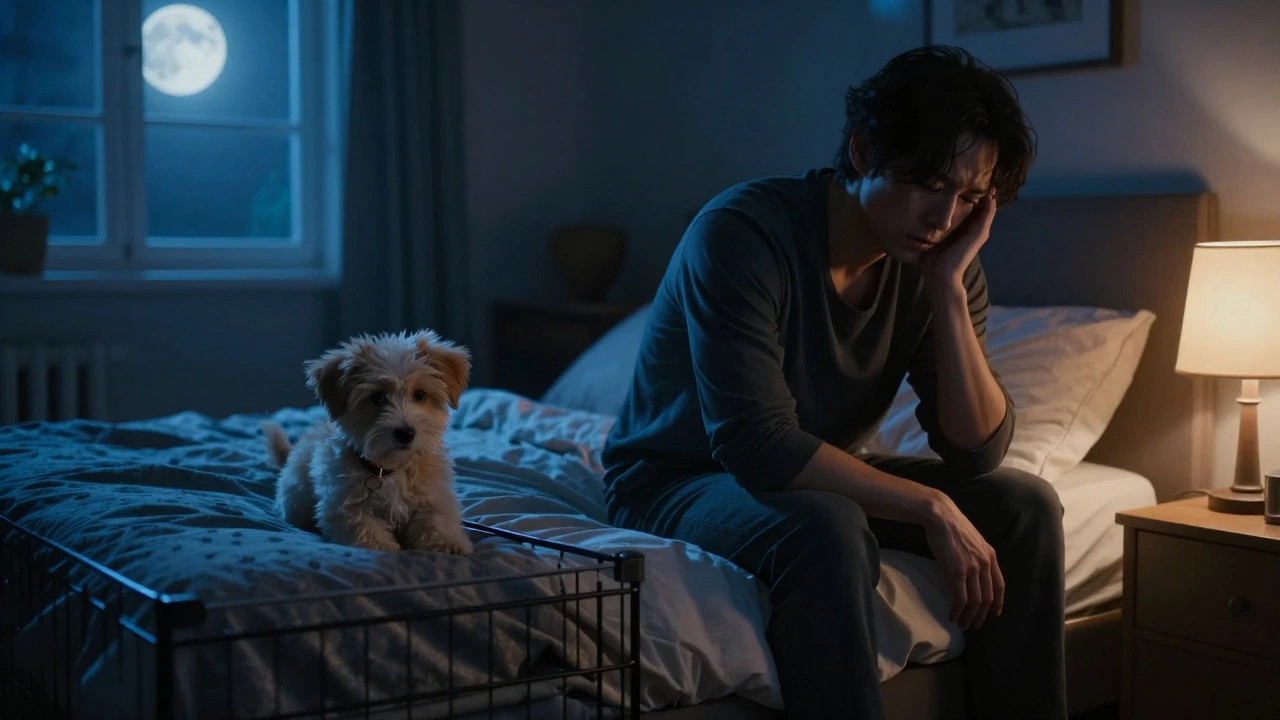
It is 3 AM. The house is silent except for a high-pitched whine coming from the bedroom door. You are exhausted, your new puppy is crying, and you have to be up in four hours for work. Do you bring them into bed, or do you stick to your guns? This is the single most common dilemma facing new dog owners.
Sleeping with your puppy is not just about comfort; it is a critical decision that impacts their behavioral development, your sleep quality, and the long-term bond you share. There is no universal "right" answer, but there is a clear path to making the best choice for your specific situation. Understanding the mechanics of puppy sleep cycles and separation anxiety will help you decide whether co-sleeping is a helpful bridge or a harmful habit.
The Case for Co-Sleeping: Bonding and Security
For many owners, the instinct to pull their shivering pup onto the mattress is overwhelming. From a biological standpoint, this makes sense. Puppies are den animals. In the wild, they sleep in a tight pile with littermates and their mother for warmth and protection. Bringing a puppy into your room mimics this pack environment.
Key benefits of sleeping in the same room include:
- Reduced Separation Anxiety: For puppies prone to panic when alone, hearing your breathing and smelling your scent can lower cortisol levels. A study published in the journal Applied Animal Behaviour Science suggests that proximity to the primary caregiver significantly reduces stress markers in young dogs.
- Stronger Bonding: Physical closeness releases oxytocin in both humans and dogs. This chemical reaction deepens trust and attachment during those crucial first few months.
- Immediate Monitoring: Young puppies have tiny bladders. Having them nearby allows you to hear if they need to go out before they have an accident, reinforcing house-training success.
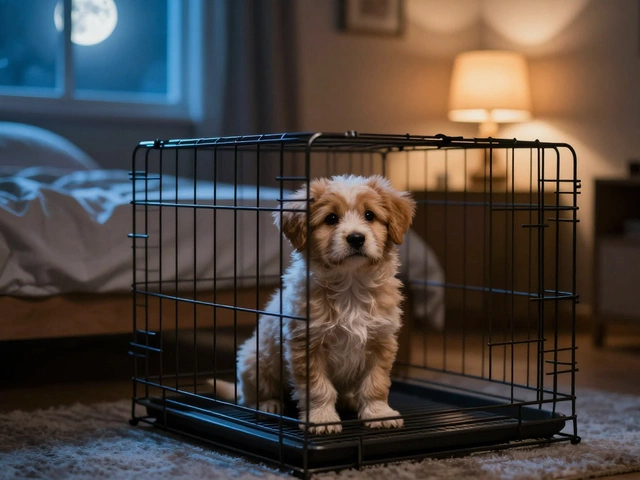
If you choose this route, consider using a crate placed right next to your bed. This gives the puppy a defined, safe space without the temptation to climb into your sheets immediately, offering a middle ground between total isolation and full co-sleeping.
The Hidden Costs: Disrupted Sleep and Boundary Issues
While the emotional appeal of cuddling a puppy is strong, the practical reality often hits hard after the first week. Puppies are not passive sleepers. They dream, they twitch, they bark, and they move. More importantly, they are unpredictable.
Common drawbacks include:
- Fragmented Sleep: Research indicates that sharing a bed with a pet can reduce deep sleep stages by up to 15%. If you are already sleep-deprived from caring for a newborn human or working long hours, adding a puppy to the mix can lead to chronic fatigue.
- Difficult Habit Breaking: What starts as a cute six-week-old weighing five pounds becomes a 70-pound adult who thinks the bed is theirs. Changing established sleep habits later is exponentially harder than setting boundaries early. Many owners report struggling to retrain their dogs to sleep on the floor once the "baby phase" ends.
- Hygiene and Allergies: Puppies explore the world with their mouths. They may carry dirt, fleas, or bacteria from outside into your bedding. For households with allergies or asthma, this can exacerbate symptoms.
If you value uninterrupted rest, keeping the puppy in a separate room-or at least in a crate away from the bed-is often the smarter long-term strategy.
Crate Training: The Gold Standard for Puppy Sleep
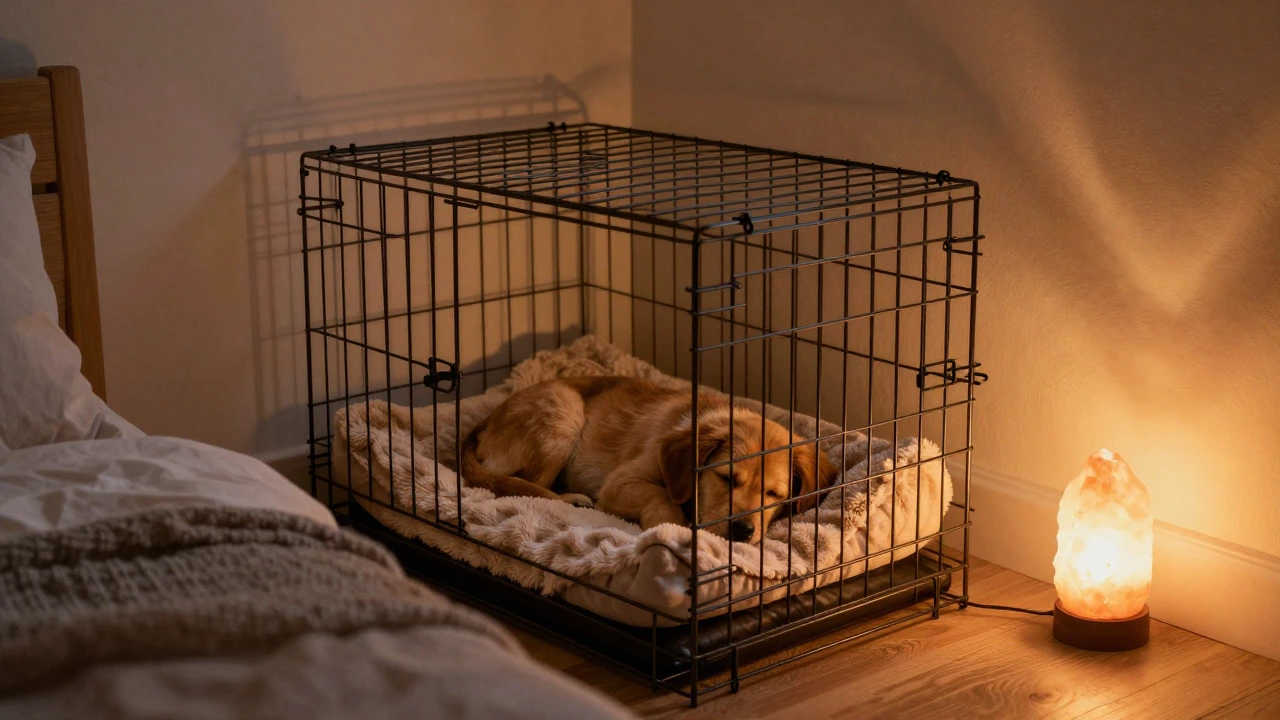
Whether you sleep in the same room or not, crate training is widely considered the most effective method for managing puppy sleep. A crate is not a prison; it is a den. When introduced correctly, it becomes a place of safety and relaxation.
The goal is to make the crate positive. Start by feeding meals inside it, leaving the door open so the puppy can come and go. Gradually add treats and toys. Only close the door for short periods once the puppy is comfortable entering voluntarily.
Best practices for crate placement:
- Near Your Bed (Weeks 1-4): Place the crate in your bedroom. This satisfies the puppy's need for proximity while maintaining physical boundaries. You can reach over to pat them if they whine, but they remain in their own space.
- Gradual Distance (Weeks 5-8): Slowly move the crate further from the bed, then eventually out of the room, provided the puppy is fully house-trained and calm.
- Consistent Routine: Always put the puppy in the crate at the same time each night. Predictability reduces anxiety.
A well-trained puppy in a crate sleeps through the night because they understand that the crate is their personal zone. It prevents destructive chewing on furniture and keeps them safe from hazards like electrical cords.
Decoding Puppy Whines: Need vs. Demand
The hardest part of any sleep arrangement is the noise. Not all whines mean the same thing. Learning to distinguish between a physiological need and a behavioral demand is crucial.
| Sound Type | Likely Cause | Recommended Action |
|---|---|---|
| High-pitched, urgent whining | Needs to eliminate (bathroom) | Take them out immediately, quietly, and return to bed. |
| Low, intermittent whimpering | Discomfort or cold | Check temperature, ensure bedding is soft and warm. |
| Barking or howling | Fear or startle reflex | Reassure calmly, avoid excessive interaction. |
| Persistent, rhythmic crying | Attention-seeking / Boredom | Ignore initially. Wait for silence before rewarding. |
If you rush to comfort every whimper, you teach the puppy that crying equals attention. Instead, wait a few seconds. If the crying stops, let them settle. If it continues, check for basic needs. Once you confirm they don't need the bathroom, ignore the behavior until they are quiet. This teaches self-soothing, a vital skill for independent sleep.
Creating a Calming Pre-Bed Routine
How a puppy sleeps depends heavily on what happens before they get into the crate or bed. A chaotic evening leads to a restless night. Establish a consistent wind-down ritual that signals to your puppy’s brain that activity is over.
An ideal pre-bed routine includes:
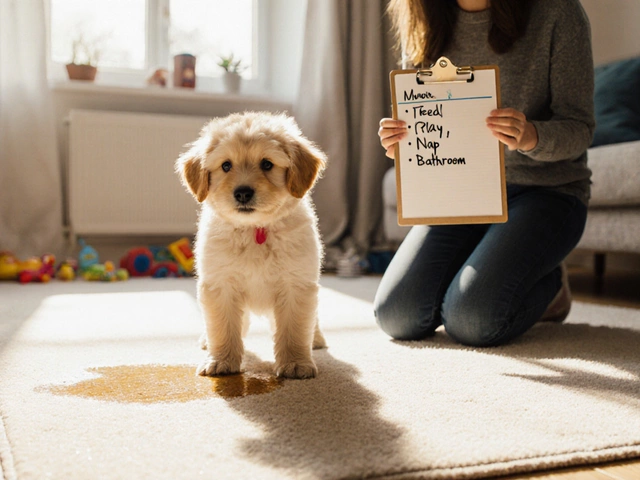
- Final Bathroom Break: Take the puppy out 15 minutes before bedtime. Keep it boring-no play, just business. This empties the bladder and sets a clear expectation.
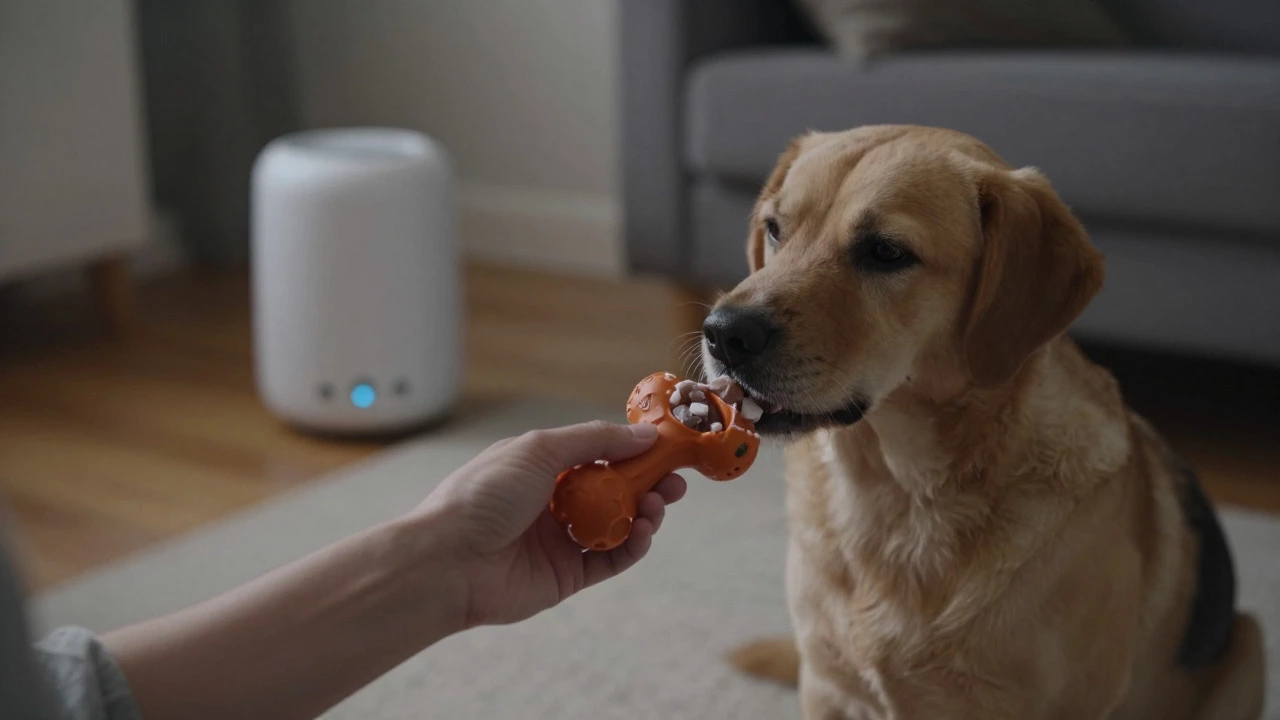
- Mental Stimulation: Use a Kong toy filled with frozen peanut butter or kibble. Chewing is naturally calming for dogs and tires them out mentally.
- Physical Exercise: Ensure the puppy has had adequate playtime earlier in the evening. A tired puppy is a sleeping puppy. However, avoid vigorous exercise right before bed, as it can raise their heart rate and body temperature, making sleep difficult.
- Quiet Time: Dim the lights and speak in low tones. Avoid loud noises or sudden movements that could trigger prey drive or excitement.
Consistency is key. Do this routine every night, even on weekends. Over time, the puppy will associate these cues with sleep, falling asleep faster and staying asleep longer.
When to Seek Professional Help
Most puppies adjust to new sleep arrangements within two to four weeks. However, some cases require extra support. If your puppy exhibits extreme distress, such as vomiting from anxiety, self-harm, or relentless barking that lasts more than an hour despite following best practices, consult a veterinarian or a certified professional dog trainer.
Underlying medical issues like pain, parasites, or respiratory problems can cause nighttime restlessness. Rule out health concerns before assuming the behavior is purely psychological. Additionally, breeds known for high energy or separation anxiety, such as Border Collies or German Shepherds, may need more structured training plans.
FAQ: Common Questions About Puppy Sleep
At what age can a puppy sleep through the night?
Most puppies can sleep through the night (6-8 hours) by 12 to 16 weeks of age. Before this, their bladder control is limited. A general rule of thumb is that a puppy can hold their bladder for one hour per month of age, plus one. So, a 10-week-old puppy might only manage 3-4 hours.
Is it bad to sleep with a puppy in your bed?
It is not inherently "bad," but it can create challenges later. While it offers immediate comfort and bonding, it may make it harder to establish boundaries as the dog grows. Many trainers recommend a crate next to the bed instead, which provides proximity without the potential for disruptive co-sleeping habits.
How do I stop my puppy from crying at night?
First, ensure basic needs are met: empty bladder, comfortable temperature, and no hunger. Then, use the "ignore" method for attention-seeking cries. Wait for a moment of silence before praising or checking. Consistency is crucial; if you give in occasionally, you reinforce the crying behavior.
Should I put a blanket in the puppy's crate?
Yes, but with caution. A soft blanket can provide warmth and mimic the feeling of being with littermates. However, young puppies love to chew. Ensure the blanket is durable and non-toxic, or use a washable towel that can be easily replaced if shredded. Avoid fluffy beds that could cover the puppy's nose.
Can white noise help a puppy sleep?
Absolutely. White noise machines or fans can mask household sounds that might startle a puppy, such as doors closing or people talking. The constant hum creates a soothing auditory environment that promotes deeper sleep and reduces anxiety.