Puppy Sleep & Bladder Capacity Calculator
Enter Puppy Details
Enter the details on the left to see your puppy's estimated bladder capacity and recommended wake-up times.
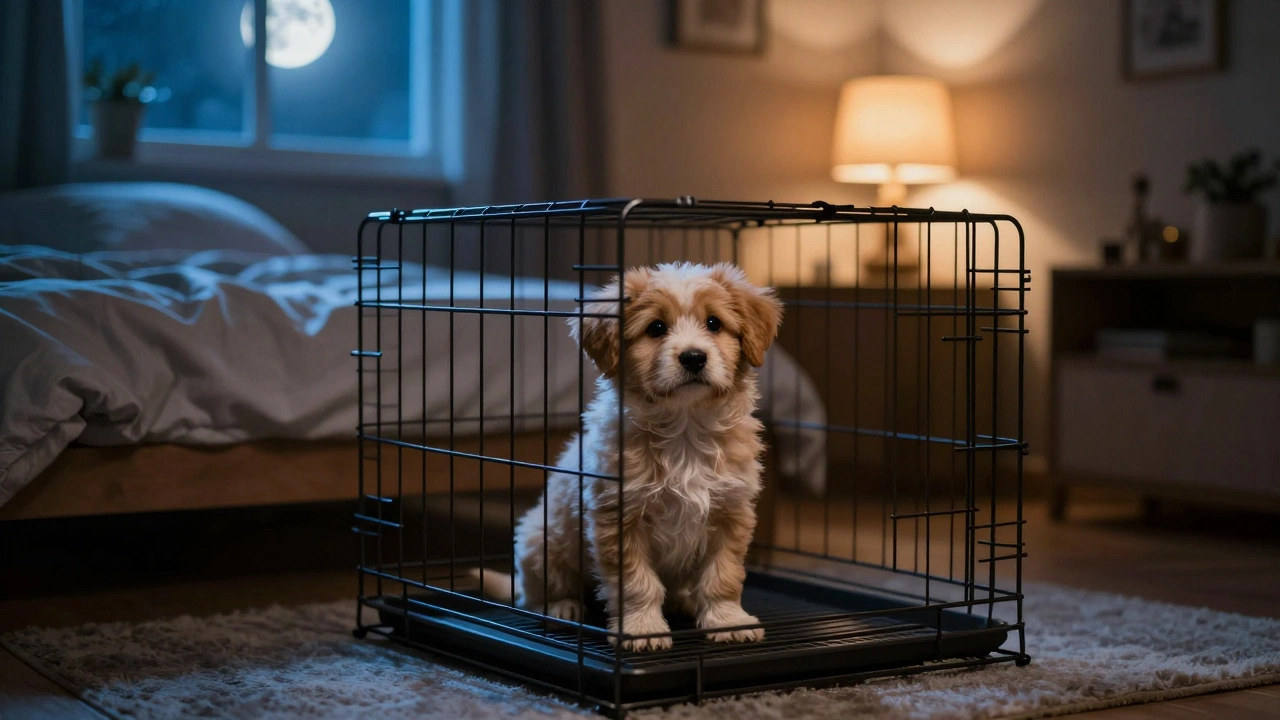
It is 2:13 AM. The house is silent except for a high-pitched, heartbreaking whimper coming from the corner of your bedroom. You know exactly what that sound means. Your new puppy is awake, scared, and alone. Every instinct in your body screams to rush over, scoop them up, and soothe them back to sleep. But then you remember everything you’ve read about "spoiling" dogs or teaching bad habits. So you freeze. Do you comfort them? Do you ignore them? Or is there a middle ground?
The short answer is yes, it can be bad to let your puppy cry indefinitely without intervention, but not for the reasons most people think. Ignoring a distressed puppy doesn’t teach them independence; it often teaches them anxiety and creates a negative association with their sleeping space. However, rushing to pick them up every time they sigh reinforces the idea that crying gets attention. The goal isn't to be cruel or overly attentive-it's to guide them toward self-soothing while ensuring their basic needs are met.
Understanding Why Puppies Cry at Night
Before deciding how to react, you need to understand puppy separation anxiety, which is a common behavioral issue where puppies become distressed when left alone or separated from their primary caregivers. For a puppy, the first few weeks in a new home are a massive shock. They have been ripped away from their mother and littermates-their entire world-and placed in a strange, quiet environment with giant humans who speak a language they don’t understand.
When your puppy cries, they aren't trying to manipulate you. They are communicating genuine distress. Here are the four main drivers behind nighttime vocalization:
- Physical Needs: Their bladder is tiny. A puppy under 12 weeks old physically cannot hold their urine for more than 2-3 hours. If they cry because they need to pee, ignoring them results in an accident and a wet bed, which ruins trust.
- Fear and Loneliness: In the wild, pups sleep in piles for warmth and security. Being isolated in a dark room feels dangerous to their primal brain.
- Discomfort: Is the room too cold? Too hot? Is the crate uncomfortable? Are they hungry?
- Boredom: If they haven't burned off enough energy during the day, they may cry simply because they are restless.
To determine the cause, observe the timing. Crying immediately after being put down usually signals fear or loneliness. Crying after 2-3 hours usually signals a full bladder. Crying throughout the night without pause might indicate pain or extreme stress.
The Myth of "Crying It Out" vs. Positive Reinforcement
You will hear conflicting advice online. Some trainers advocate for the "extinction burst" method-ignoring all crying until it stops. Others suggest co-sleeping. Both extremes have flaws. Extinction bursts can last days and damage the human-animal bond if done incorrectly. Co-sleeping often leads to boundary issues later.
The modern, science-backed approach relies on positive reinforcement, which is a training method that rewards desired behaviors to increase their frequency, rather than punishing unwanted ones. This means we want to reward silence and calmness, not punish crying. However, we also don't want to reward crying with excessive attention.
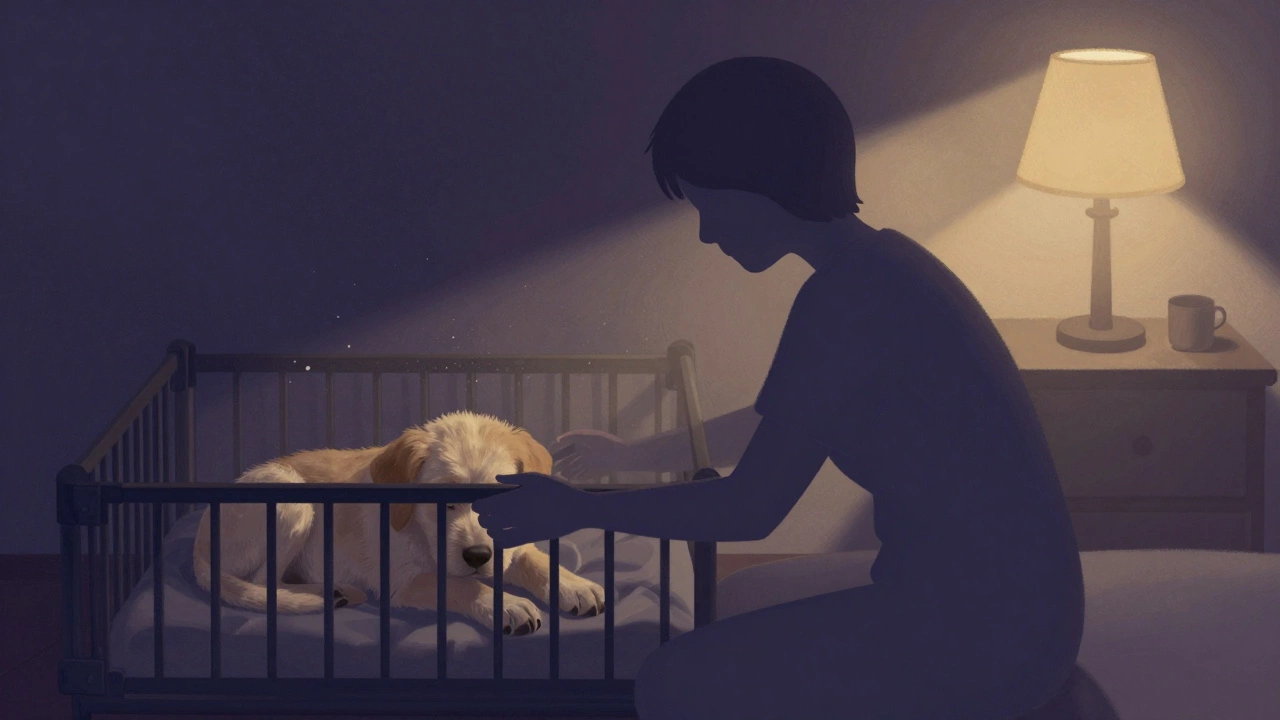
Here is the nuance: If you go to your puppy because they are screaming in terror, you are inadvertently rewarding the screaming by providing relief. But if you never check on them when they are genuinely scared, you are failing as a caregiver. The key is to respond calmly and minimally. No eye contact. No talking. No picking up. Just a quick reassurance that you are there, then leave again. This teaches them that crying doesn't get a play session, but safety is guaranteed.
Setting Up the Perfect Sleep Environment
Prevention is better than cure. How you set up your puppy's sleeping area dictates 80% of your success. Most owners make the mistake of placing the crate in a distant spare room. This isolates the puppy and amplifies their fear.
Instead, place the crate or pen next to your bed. Here’s why this works:
- Proximity: They can smell and hear you. This reduces the panic of abandonment.
- Responsiveness: You can hear the subtle shift from a sleepy sigh to a desperate cry, allowing you to intervene before they fully wake up.
- Temperature Regulation: Bedrooms are usually warmer than hallways or basements, which helps young puppies maintain body heat.
If you are using a crate, ensure it is the right size. A crate that is too large allows the puppy to eliminate in one corner and sleep in another, defeating the purpose of crate training. If you have a large crate, use a divider to create a den-like space. The space should be just big enough for them to stand, turn around, and lie down comfortably.
The Role of Comfort Items and Toys
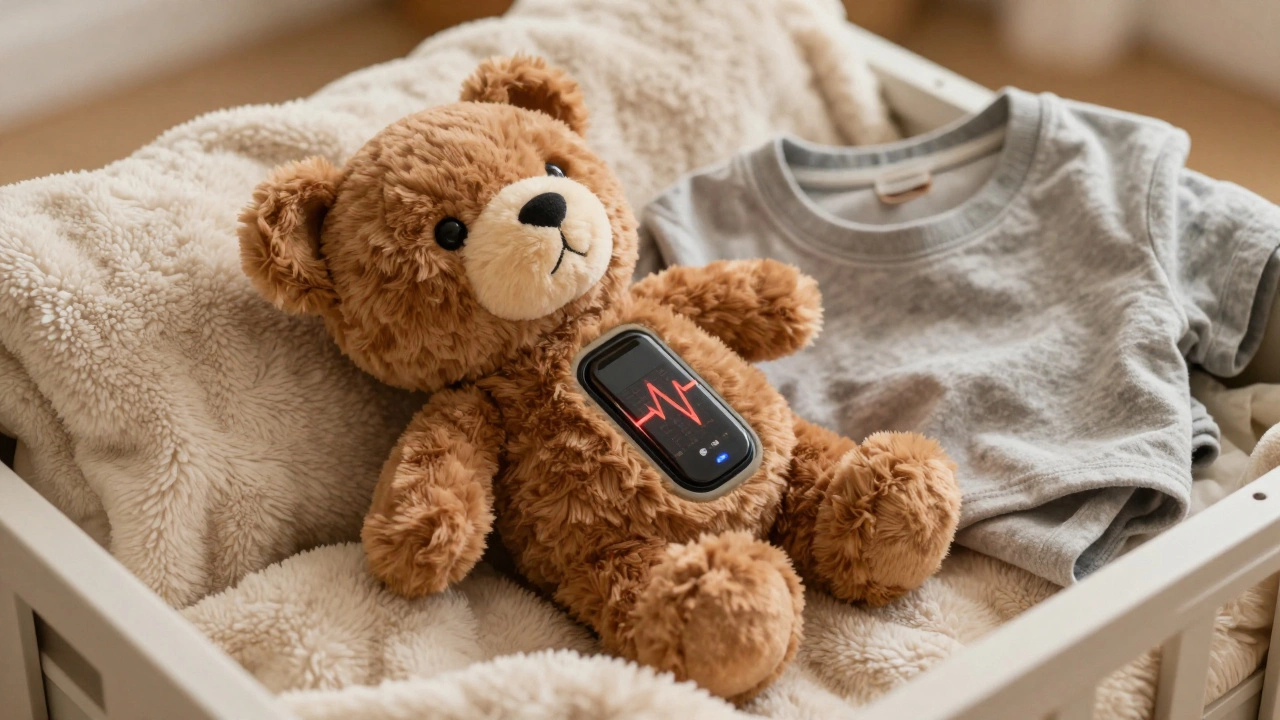
This is where the topic of puppy toys becomes critical. Toys aren't just for daytime play; they are essential tools for nighttime comfort. A specific type of toy, often called a "comfort toy," can mimic the presence of littermates.
Look for toys with these attributes:
- Heartbeat Sound: Many plush toys come with a battery-operated heartbeat module. The rhythmic thumping mimics the mother dog’s heart, which is deeply soothing to newborns.
- Warmth: You can microwave these toys (following manufacturer instructions) to provide gentle warmth. Cold crates are terrifying to small animals.
- Scent Transfer: Place a t-shirt you’ve worn (unwashed) in the crate. Your scent is calming. Alternatively, ask the breeder for a blanket with the scent of the mother and siblings.
- Durability: Avoid toys with small parts like plastic eyes or buttons that could be swallowed. At night, supervision is lower, so safety is paramount. Solid rubber toys or tightly stitched plushies are best.
Avoid interactive puzzle toys at bedtime. These stimulate the brain and encourage hunting behaviors, which will wake your puppy up more. Stick to passive comfort items.
A Step-by-Step Nighttime Routine
Consistency is the backbone of sleep training. Create a predictable routine that signals to your puppy’s brain that sleep is approaching. Start this process 30 minutes before you want them to sleep.
| Time Before Bed | Action | Purpose |
|---|---|---|
| 30 Minutes | Final potty break | Empty bladder to maximize sleep duration |
| 20 Minutes | Calm play or chewing | Burn residual energy without over-stimulation |
| 15 Minutes | Dim lights and reduce noise | Trigger melatonin production and signal wind-down |
| 5 Minutes | Place in crate with comfort toy | Associate crate with safety and relaxation |
| Bedtime | Quiet praise and departure | Reinforce calm behavior without excitement |
When you put them in the crate, say a consistent phrase like "Goodnight, sweetie" in a low, monotone voice. Do not make it exciting. Then, leave. If they cry, wait 30 seconds. If the crying escalates, go in, keep your hands to yourself, and quietly reassure them. If they settle, wait longer before checking. Gradually extend the time between checks. This is known as "graduated extinction."
Common Mistakes That Make Crying Worse
Even well-meaning owners sabotage their progress with these common errors:
- Inconsistent Rules: One night you let them sleep in your bed, the next night in the crate. This confusion increases anxiety. Pick a location and stick to it.
- Playing When They Cry: If you take them out to play or pet them extensively when they whine, you teach them that crying = fun. Keep interactions boring.
- Ignoring Medical Issues: If your puppy is crying in pain, licking excessively, or showing signs of illness, no amount of training will fix this. See a vet immediately.
- Overfeeding Before Bed: A full stomach can cause discomfort or gas. Feed dinner 2-3 hours before bedtime to allow digestion.
When to Seek Professional Help
Most puppies adjust within 1-2 weeks. However, if the crying persists beyond three weeks, intensifies, or is accompanied by destructive behavior (chewing through crate bars), you may be dealing with severe separation anxiety. In these cases, consult a certified professional dog trainer or a veterinary behaviorist. They can assess whether medication or specialized desensitization protocols are needed.
Remember, patience is your most valuable tool. Your puppy is learning a new skill: sleeping alone. Just as you wouldn't expect a toddler to sleep through the night on the first try, give your puppy grace. With the right setup, comforting toys, and consistent routine, those lonely nights will soon turn into peaceful, restful sleep for both of you.
How long can a puppy hold their pee at night?
A general rule of thumb is that a puppy can hold their bladder for one hour per month of age, up to a maximum of 8 hours. For example, an 8-week-old (2-month-old) puppy can typically hold it for about 2-3 hours. Therefore, you should plan to wake up once or twice to take them out during the night until they are older.
Should I put my puppy in my bed if they cry?
It depends on your long-term goals. If you plan to let your dog sleep in your bed forever, then yes, bring them in. However, if you want them to sleep independently, bringing them in rewards the crying behavior. A compromise is to place their crate right next to your bed so they feel close but remain in their own space.
What kind of toys are best for helping a puppy sleep?
The best toys for sleep are soft, plush toys with a heartbeat mechanism or warmable inserts. These mimic the warmth and rhythm of a mother dog. Avoid hard rubber toys or squeaky toys at night, as the noise can disturb both the puppy and you. Ensure the toy is durable and free of loose parts to prevent choking hazards.
Is it okay to talk to my puppy when they cry at night?
You can speak briefly and calmly, but avoid engaging in conversation. Use a low, monotone voice to say something like "It's okay, time to sleep." Do not laugh, play, or use an excited tone. The goal is to reassure them without turning the interaction into a social event. Over time, reduce the verbal reassurance to just physical presence.
Why does my puppy cry only when I leave the room?
This is likely separation anxiety or simple loneliness. Puppies are pack animals and view isolation as a threat. To help, practice short departures during the day. Leave the room for 1 minute, return, and reward calmness. Gradually increase the time. This desensitizes them to your absence so nighttime separations feel less scary.