Dog Health & Nutrition: Simple Tips for a Happier Pup
Keeping your dog in top shape isn’t rocket science, but it does need a bit of know‑how. From the right kibble to the occasional treat, the choices you make everyday add up. Below you’ll find quick, practical advice that you can start using right now.
Everyday Nutrition Basics
First off, a balanced diet is the foundation. Look for a commercial dog food that lists a real meat source as the first ingredient and has limited fillers. If you’re curious about adding fresh foods, start with safe options like plain Greek yogurt or sliced bananas. A spoonful of Greek yogurt gives probiotics that help gut health, while a few banana slices offer potassium and fiber—just keep the portions tiny to avoid sugar overload.
Homemade meals can be rewarding, but they require supplements to stay complete. Calcium, omega‑3 fatty acids, and a good probiotic blend fill the gaps that meat, rice, and veggies can’t cover. Many pet owners mix a calcium powder or crushed eggshells into their dog’s bowl, but always follow dosage guidelines or ask your vet.
Choosing the Right Supplements
Supplements sound like a quick fix, but not every product lives up to the hype. Start by identifying what your dog actually needs. Joint‑support formulas with glucosamine are great for older dogs, while a simple multivitamin can help puppies who are still growing. If coat shine and skin health are your goals, look for omega‑3 oils – fish oil or even a small amount of coconut oil can do the trick, but keep the dosage low to avoid greasy stools.
Vet recommendations matter. Most vets suggest supplements only when a specific deficiency is spotted or when a health issue arises. Before buying, check the ingredient list for artificial fillers, and look for third‑party testing seals. A product that’s transparent about dosage, sourcing, and has a clear “Made in the UK” label is usually a safer bet.
Timing can change how well a supplement works. Fat‑soluble vitamins (A, D, E, K) absorb best with a meal that contains some fat, so sprinkle them on breakfast kibble. Water‑soluble ones like B‑complex can be given any time, but many owners prefer a morning dose to give an energy boost for the day.
Watch your dog’s behavior after you add something new. If you notice a sudden upset stomach, rash, or changes in energy, stop the supplement and call your vet. A quick check can save a lot of hassle later.
Beyond pills, natural foods can double as supplements. A teaspoon of coconut oil can improve coat condition, while a dab of plain yogurt can calm an upset tummy. Just remember that “natural” doesn’t always equal “safe” – always start with a tiny amount and see how your dog reacts.
In short, good dog health mixes solid base nutrition with smart, targeted supplements. Stick to reputable brands, involve your vet when you’re unsure, and keep an eye on how your dog feels. With these simple steps, you’ll be giving your furry friend the nutrition they deserve without the guesswork.

Are Scrambled Eggs Good for Dogs? A Safe Feeding Guide for 2026
Yes, dogs can safely eat scrambled eggs when prepared correctly. Learn about the nutritional benefits, portion sizes, hidden dangers like seasoning, and how to spot egg allergies.
Safe and Affordable Alternatives to Dog Food for Budget Owners
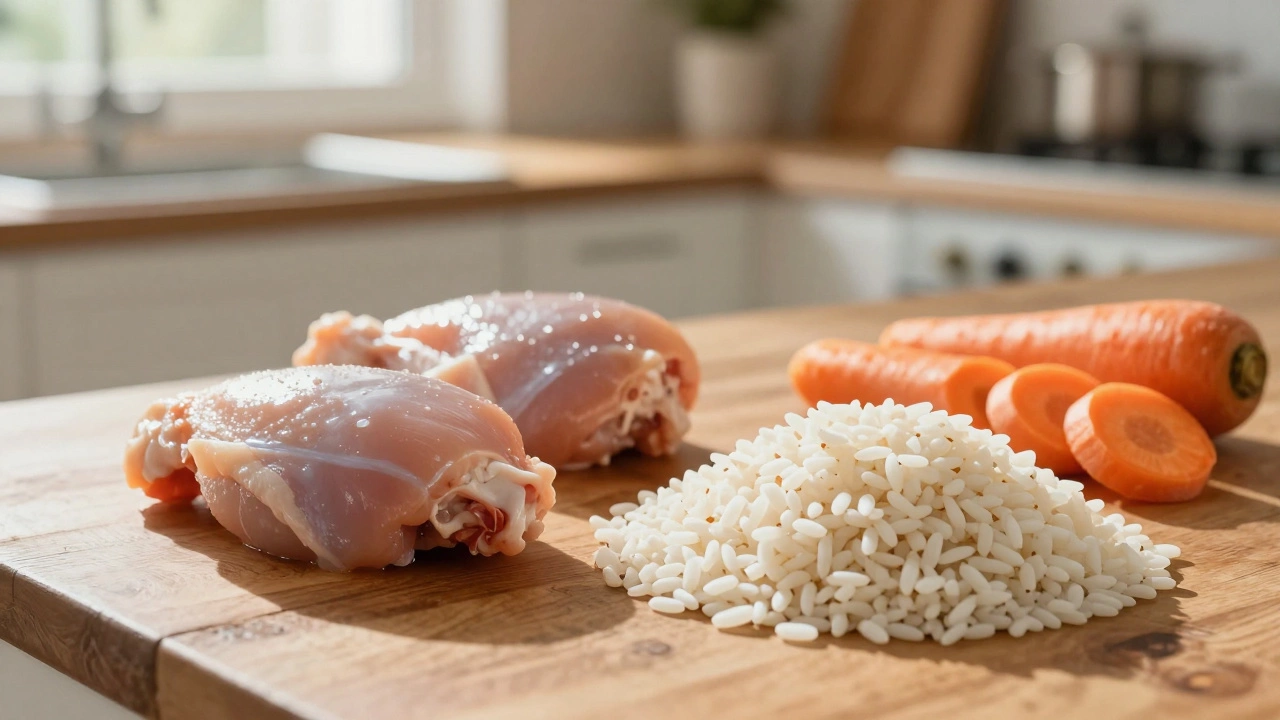
Discover safe, budget-friendly alternatives to commercial dog food during financial hardship. Learn which human foods are safe, how to balance nutrition, and where to find community support.

What Vitamins Should I Give My Dog for Healthy Fur?
Discover the top vitamins and nutrients that actually improve your dog's fur health, what to avoid, how to choose the right supplement, and how long it takes to see results. Science-backed advice for a shiny, healthy coat.

Is Vitamin D Toxic to Dogs? What Pet Owners Need to Know
Vitamin D is highly toxic to dogs-even small amounts can cause kidney failure. Learn the signs, sources, and what to do if your dog is exposed. Never give human supplements to pets.

What Are the Signs of Vitamin D Deficiency in Dogs?
Vitamin D deficiency in dogs can cause muscle weakness, bone pain, and serious health issues. Learn the key signs, who's at risk, and how to prevent or treat it safely with vet-approved care.

Is Coconut Oil Better Than Fish Oil for Dogs?
Coconut oil and fish oil both support dog health, but they work in different ways. Fish oil reduces inflammation and helps with joints and allergies. Coconut oil improves coat shine and digestion. Which one your dog needs depends on their specific health concerns.

Fish Oil vs Salmon Oil for Dogs: Which One Really Works Better?
Fish oil and salmon oil both support dog health, but salmon oil offers more DHA, better bioavailability, and targeted benefits for skin, joints, and brain function. Here's how to choose the right one for your dog.

Do Dogs Like Being Stroked When Asleep?
Dogs need deep, uninterrupted sleep to stay healthy. Petting them while asleep can disrupt their rest-even if they don’t wake up. Learn how to tell if your dog truly enjoys it, and what to do instead for better rest.
Is Bone Broth Good for Dogs? Here’s What Veterinarians Say
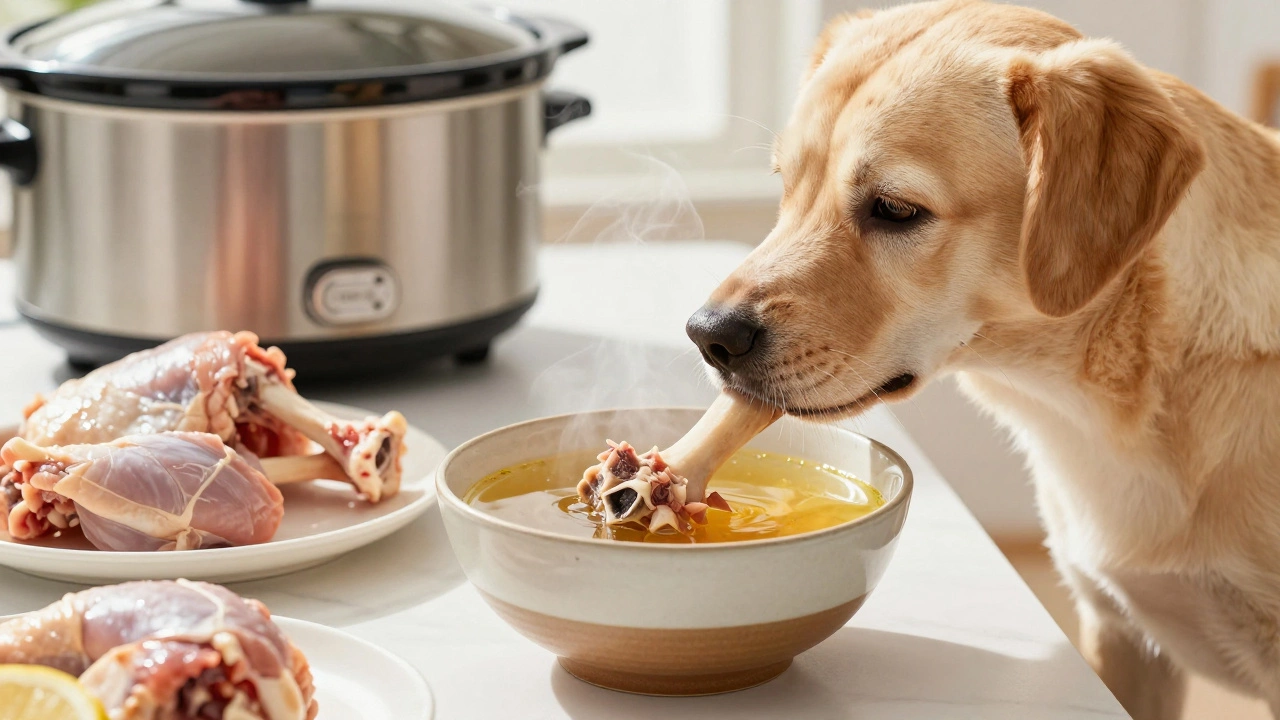
Bone broth can support dog joint health and digestion when made safely at home with no seasonings. But too much or store-bought versions with salt and garlic can harm dogs. Learn how to use it wisely.

Can Dogs Have Cheese? What Veterinarians Really Say
Can dogs have cheese? While small amounts of low-lactose cheese may be safe for some dogs, many experience digestive issues. Learn which types are safest, how much is okay, and what signs to watch for.

Can I Feed My Dog Human Food Instead of Dog Food?
Feeding your dog human food occasionally is fine, but replacing dog food entirely can cause serious health problems. Learn which foods are safe, which are deadly, and how to give your dog the nutrition they need.

Should Dogs Sleep in the Dark? What Science and Dog Behavior Tell You
Most dogs sleep better in the dark thanks to their natural night vision and sleep cycles. Learn why darkness helps dogs rest deeply-and when a nightlight might actually be necessary.