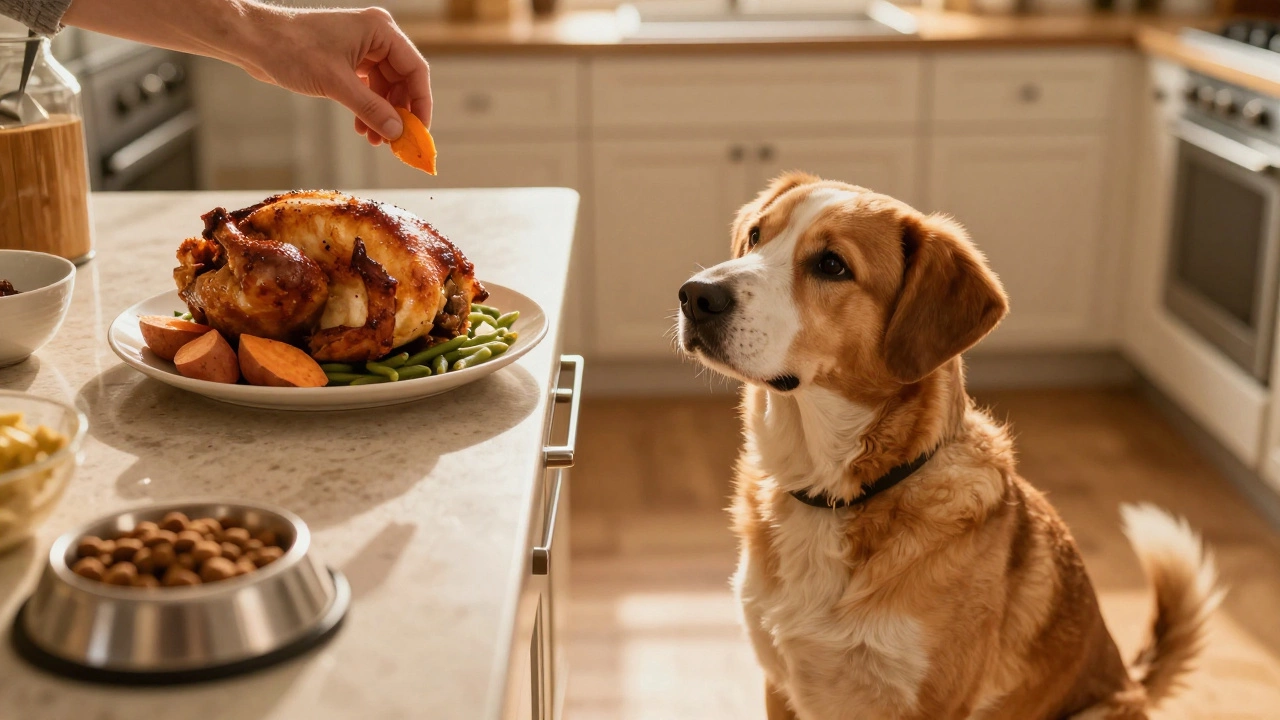
You’ve just finished dinner. The smell of roasted chicken, sweet potatoes, and green beans fills the kitchen. Your dog sits by your leg, eyes locked on your plate, tail thumping like a metronome. It’s hard not to toss them a bite. But is it safe? Can you really swap dog food for human food long-term?
Why This Question Comes Up
Many dog owners start feeding human food out of love-or guilt. Maybe your dog turns up their nose at kibble. Maybe you think, “If it’s good for me, it’s good for them.” Or maybe you’re trying to save money. The truth is, dogs aren’t just small humans. Their bodies process food differently. Feeding them your leftovers isn’t always harmless, even if it seems harmless.A 2023 study from the University of Auckland’s Veterinary Nutrition Lab found that 68% of pet owners regularly give their dogs table scraps. But only 12% of those owners could correctly identify which human foods are toxic to dogs. That’s not just risky-it’s dangerous.
What Human Foods Are Safe for Dogs?
Not all human food is off-limits. In fact, some foods are perfectly fine-and even healthy-in small amounts. Think of them as treats, not meals.- Lean cooked meats like chicken, turkey, or beef (no seasoning, no bones)
- Cooked plain vegetables such as carrots, green beans, broccoli, and sweet potatoes
- Plain cooked rice or pasta (good for upset stomachs, but not a staple)
- Plain yogurt (no sugar, no xylitol) in small portions
- Peanut butter (check label-must be xylitol-free)
- Apples (seeds removed)
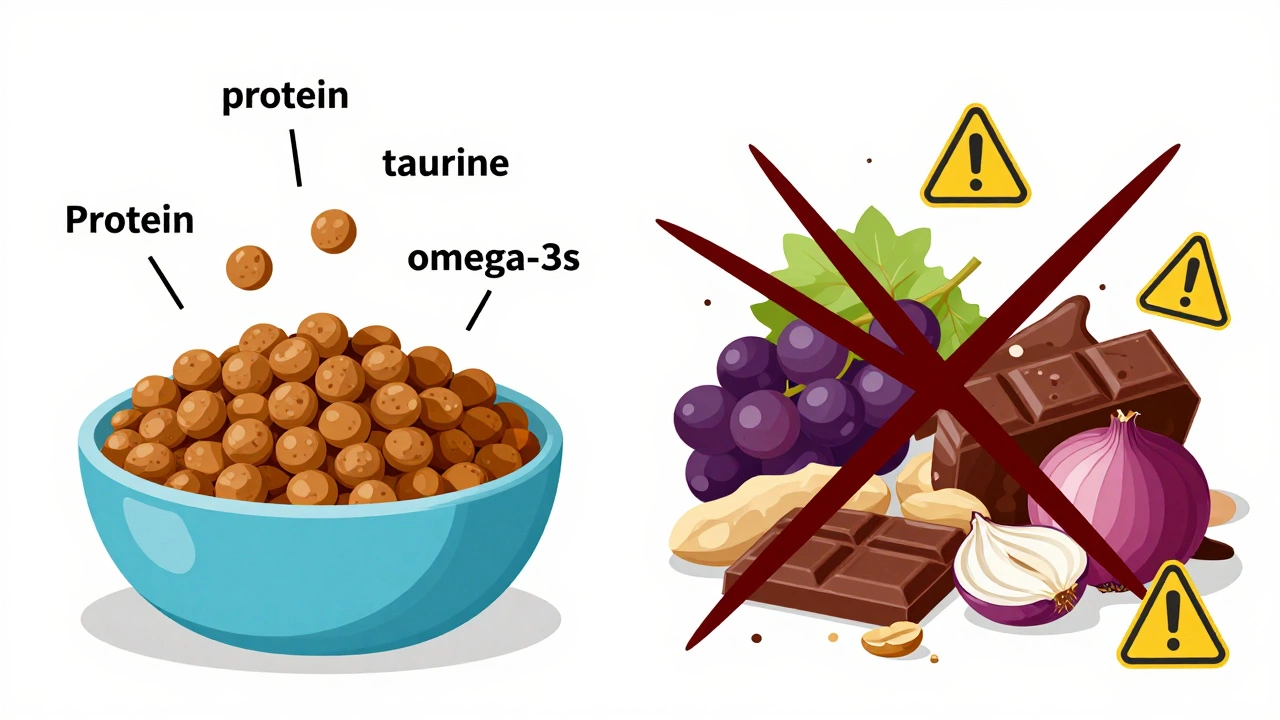
These foods are low-risk and can be used as training rewards or occasional additions to meals. But they’re not nutritionally complete. A dog needs specific ratios of protein, fat, calcium, taurine, and omega-3s that most human meals don’t provide.
What Human Foods Are Dangerous?
Some foods that are harmless to us are deadly to dogs. Even a small bite can cause serious harm.- Chocolate-contains theobromine, which dogs can’t metabolize. As little as 1 ounce of dark chocolate can poison a 10kg dog.
- Onions and garlic-even powdered forms damage red blood cells and can lead to anemia.
- Xylitol-an artificial sweetener found in gum, peanut butter, and baked goods. It causes a rapid drop in blood sugar and liver failure.
- Grapes and raisins-can cause sudden kidney failure. No safe amount is known.
- Avocado-contains persin, which can cause vomiting and diarrhea in dogs.
- Raw or undercooked meat, eggs, and bones-risk of salmonella, E. coli, or splintered bones causing internal injuries.
- Alcohol and caffeine-even tiny amounts can be fatal.
These aren’t just “avoid if possible.” They’re emergencies. If your dog eats any of these, call your vet immediately-even if they seem fine.
Why Dog Food Exists
Dog food isn’t just convenient-it’s scientifically formulated. Commercial dog food is designed to meet AAFCO (Association of American Feed Control Officials) standards, which ensure complete and balanced nutrition for different life stages: puppy, adult, senior, pregnant, or active dogs.For example, a high-quality adult dog food will contain:
- 18-25% protein (from animal sources)
- 10-15% fat (for energy and skin health)
- Calcium and phosphorus in a 1.2:1 ratio (critical for bone growth)
- Taurine and L-carnitine (for heart health)
- Omega-3 and omega-6 fatty acids (for coat and brain function)
Human food rarely hits these numbers. Even a home-cooked diet of chicken and rice lacks the right balance. Over time, this leads to deficiencies. A dog fed only human food can develop brittle bones, dull coat, muscle loss, or even heart disease.
What Happens If You Switch Completely?
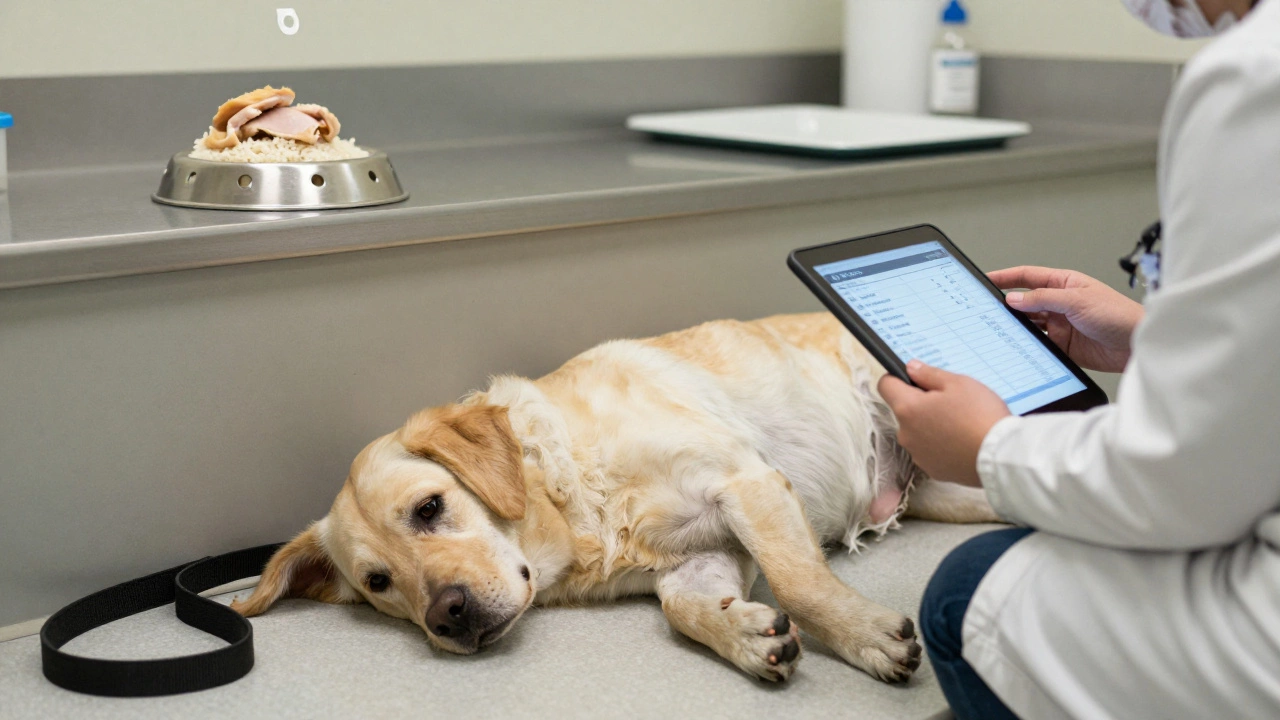
Some people try to go 100% human food-often after reading blogs or watching YouTube videos. It sounds wholesome. But the results aren’t pretty.In 2024, a vet clinic in Wellington reported a 40% increase in cases of nutritional deficiencies in dogs fed homemade diets without professional guidance. One 3-year-old Labrador developed severe osteoporosis because his diet lacked calcium. Another dog, fed only boiled chicken and rice for two years, ended up with dilated cardiomyopathy-a heart condition linked to taurine deficiency.
These aren’t rare cases. They’re predictable outcomes of ignoring canine nutritional science.
Can You Mix Human Food With Dog Food?
Yes-and it’s often a smart move. Adding a spoonful of cooked pumpkin to their kibble can help with digestion. Tossing in a few green beans makes meals more interesting. A small piece of cooked salmon adds omega-3s.The key is moderation. Human food should make up no more than 10% of your dog’s daily calories. That’s about a tablespoon of veggies or a small cube of meat per 10kg of body weight.
Use human food as a topper, not a replacement. It’s a way to enhance their diet-not rewrite it.
What About Homemade Dog Food?
If you’re serious about cooking for your dog, don’t wing it. There are certified veterinary nutritionists who design balanced homemade recipes. Websites like BalanceIt.com or PetDiets.com offer custom formulas based on your dog’s age, weight, and health needs.These recipes include supplements like calcium carbonate, vitamin E, and taurine to fill the gaps. Without them, even the most carefully cooked meal can harm your dog.
Don’t rely on Pinterest recipes. One recipe calling for “1 cup of rice and 2 cups of chicken” might sound perfect-but it’s missing essential minerals and vitamins. Your dog isn’t a test subject.
Signs Your Dog Isn’t Getting Proper Nutrition
If you’ve been feeding human food regularly, watch for these red flags:- Dull, brittle, or shedding coat
- Weight loss despite eating plenty
- Weakness, lethargy, or trouble standing
- Constipation or diarrhea that won’t go away
- Bad breath or gum disease
- Recurring ear or skin infections
These aren’t just “old age.” They’re signs your dog’s body is running out of critical nutrients. Take them to the vet. Get a blood panel. Ask about nutritional testing.
What to Do Instead
You don’t have to choose between dog food and love. Here’s a better approach:- Stick to high-quality commercial dog food as the base. Look for AAFCO statements on the bag.
- Add small amounts of safe human food as treats or toppers-no more than 10% of daily intake.
- Keep toxic foods locked away and out of reach.
- Don’t feed from the table. Teach your dog to wait for their own meal.
- If you want to cook for your dog, consult a veterinary nutritionist. Pay for a custom recipe.
Feeding your dog human food isn’t the problem. Making it their main diet is.
Final Thought
Your dog loves you. They’ll eat anything you give them-even if it’s bad for them. That’s why it’s your job to be smarter than their hunger. Dog food isn’t boring. It’s science. It’s safety. It’s how we give them the longest, healthiest life possible.They don’t need your leftovers. They need you to care enough to get it right.
Can I feed my dog rice and chicken every day?
No. While rice and chicken are safe and often used for upset stomachs, they don’t provide balanced nutrition. Over time, this diet lacks essential fatty acids, calcium, vitamins, and amino acids your dog needs. It can lead to muscle loss, poor coat, and even heart problems. Use it as a short-term meal, not a long-term solution.
Is homemade dog food better than commercial dog food?
Only if it’s formulated by a veterinary nutritionist. Most homemade diets-even well-intentioned ones-are missing key nutrients. Commercial dog food is tested, balanced, and regulated. Homemade food without supplements can cause serious health issues. If you want to cook for your dog, get a custom recipe from a professional.
What human foods are safest for dogs as treats?
Plain cooked chicken, carrots, green beans, apples (no seeds), plain pumpkin, and plain yogurt are among the safest. Always give them in small amounts and avoid seasoning, salt, or sugar. Treats should never make up more than 10% of your dog’s daily calories.
Why is xylitol so dangerous for dogs?
Xylitol causes a rapid release of insulin in dogs, which crashes their blood sugar. This can lead to seizures, liver failure, and death within hours. Just one piece of sugar-free gum can poison a small dog. It’s found in gum, peanut butter, toothpaste, and baked goods. Always check labels.
Can I switch my dog to human food if they hate kibble?
Don’t switch entirely. Instead, try mixing in a small amount of safe human food like cooked chicken or pumpkin to make kibble more appealing. Or switch to a different brand of dog food with a different protein source or texture. Many dogs dislike kibble because it’s too dry or bland-not because it’s bad. There are hundreds of high-quality options.