Vitamin D Toxicity Calculator for Dogs
How Much Vitamin D Is Dangerous?
Vitamin D is extremely dangerous for dogs. Even tiny amounts can be toxic. Toxicity starts at 0.1 mg per kg of body weight. For a 20-pound (9 kg) dog, this equals 0.9 mg.
Many dog owners think giving their pet a vitamin D supplement is harmless-maybe even helpful. After all, humans take it for bone health and immune support. But here’s the hard truth: vitamin D is one of the most dangerous toxins for dogs, even in tiny amounts. Unlike humans, dogs can’t regulate vitamin D levels well, and what’s a safe dose for you could be deadly for them.
How Much Vitamin D Is Too Much?
A dog’s toxic dose of vitamin D starts at just 0.1 mg per kilogram of body weight. That’s about 0.045 mg per pound. For a 20-pound dog, that’s less than half a teaspoon of human vitamin D drops. A single human multivitamin can contain 10 to 50 mcg (0.01 to 0.05 mg) of vitamin D-enough to poison a small dog. Larger doses, like those found in prescription supplements or rodent poisons, can kill a dog within hours.
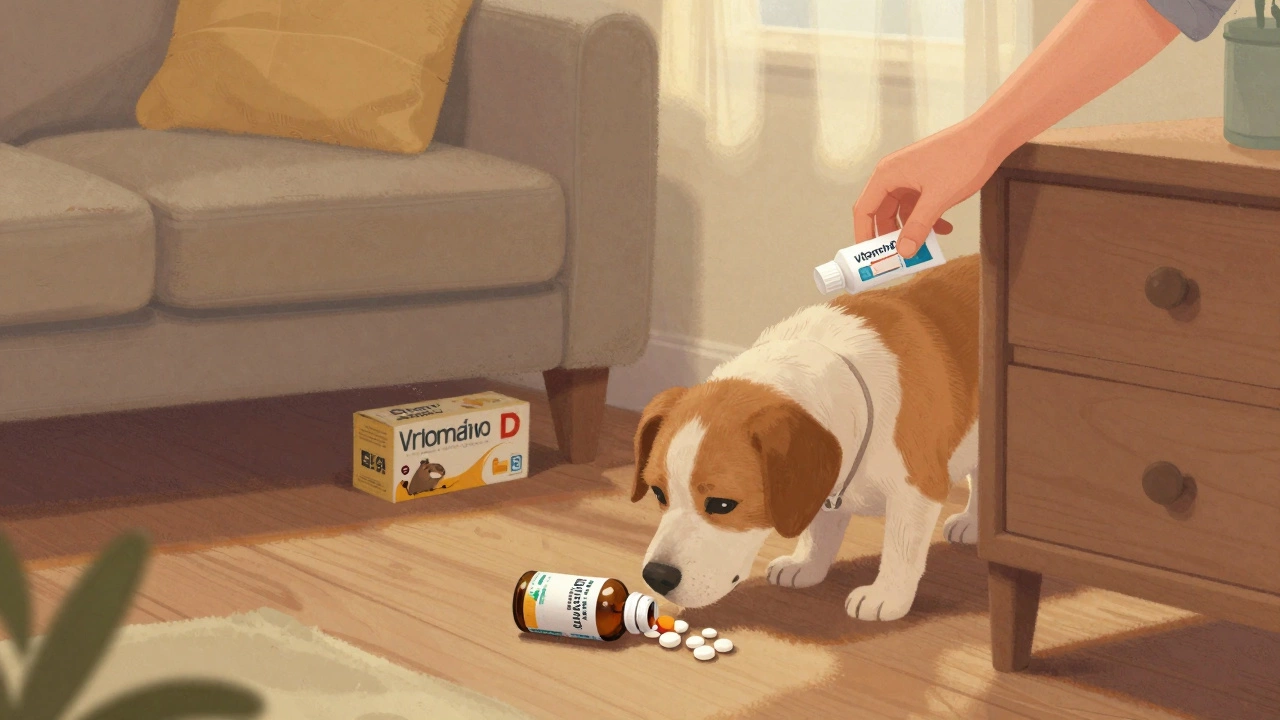
Most cases of vitamin D poisoning happen because owners don’t realize how potent it is. A dog might chew through a bottle of human vitamins, lick up a spilled liquid supplement, or even eat a rodent that’s been poisoned with cholecalciferol (vitamin D3). These aren’t rare accidents-they happen every week in vet clinics across New Zealand and beyond.
What Happens When a Dog Gets Too Much Vitamin D?
Once vitamin D enters a dog’s system, it causes calcium to flood into the bloodstream. This isn’t a slow process. Within 12 to 24 hours, calcium levels spike, and organs start to calcify. The kidneys are the first to suffer. Calcium crystals form in the tubules, blocking urine flow. The heart starts beating irregularly. Muscles twitch. The dog becomes lethargic, loses appetite, vomits, and drinks constantly.
By day two or three, the damage is often irreversible. Kidney failure sets in. Without emergency treatment, death follows. Even with treatment, some dogs never fully recover. One 2023 study from the New Zealand Veterinary Association found that 68% of dogs admitted for vitamin D toxicity had permanent kidney damage, even after aggressive treatment.
Common Sources of Vitamin D Poisoning
It’s not just supplements. Here’s what you might not realize is dangerous:
- Human vitamin D pills - Even low-dose ones (400 IU) can be lethal for small breeds.
- Rodent poisons - Many contain cholecalciferol (vitamin D3). Dogs get sick after eating poisoned rats or mice.
- Prescription dog supplements - Some joint or skin formulas include vitamin D. If dosed wrong, they’re risky.
- Fortified foods - Some pet treats, especially those labeled as “complete and balanced,” may have high vitamin D levels. Always check labels.
- Topical creams or lotions - If you use vitamin D cream for psoriasis or eczema, your dog might lick it off your skin.
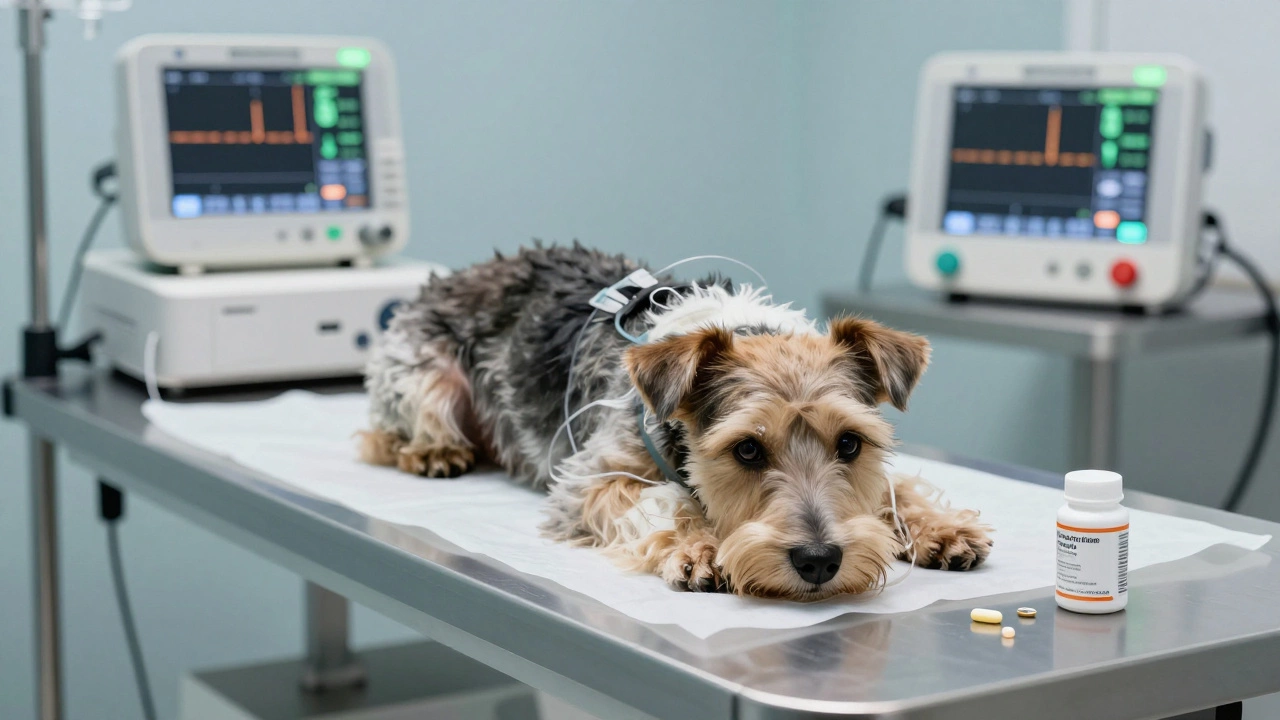
One vet in Auckland treated a 14-pound terrier who ate a single vitamin D3 tablet meant for a human with osteoporosis. The dog’s calcium levels rose to 18 mg/dL (normal is 8-11). He needed 72 hours of IV fluids, dialysis, and a 10-day hospital stay. The owner had no idea the tablet was dangerous. They thought it was just a “vitamin.”
Signs of Vitamin D Toxicity in Dogs
If your dog shows any of these symptoms, get to a vet immediately:
- Excessive thirst and urination
- Vomiting or diarrhea
- Lack of appetite
- Weakness or lethargy
- Shivering or muscle tremors
- Blood in vomit or stool
- Bad breath or mouth ulcers
These signs can look like other illnesses-kidney infection, pancreatitis, or even just a stomach bug. But if your dog has had access to supplements, medications, or rodent poison, assume vitamin D until proven otherwise.
What to Do If You Suspect Poisoning
Time is everything. Don’t wait. Don’t try to make your dog vomit at home. Call your vet or an emergency animal hospital right away. Bring the container or packaging if you have it. The vet will need to know:
- How much was ingested
- When it happened
- What the product was (brand, dosage)
Treatment usually involves:
- IV fluids to flush out calcium
- Drugs like corticosteroids to block vitamin D absorption
- Medications to lower calcium levels
- Monitoring kidney function for days or weeks
There’s no antidote. Recovery depends on how fast you act. Dogs treated within 2 hours have a 90% survival rate. After 12 hours, that drops to under 40%.
Can Dogs Ever Have Vitamin D Safely?
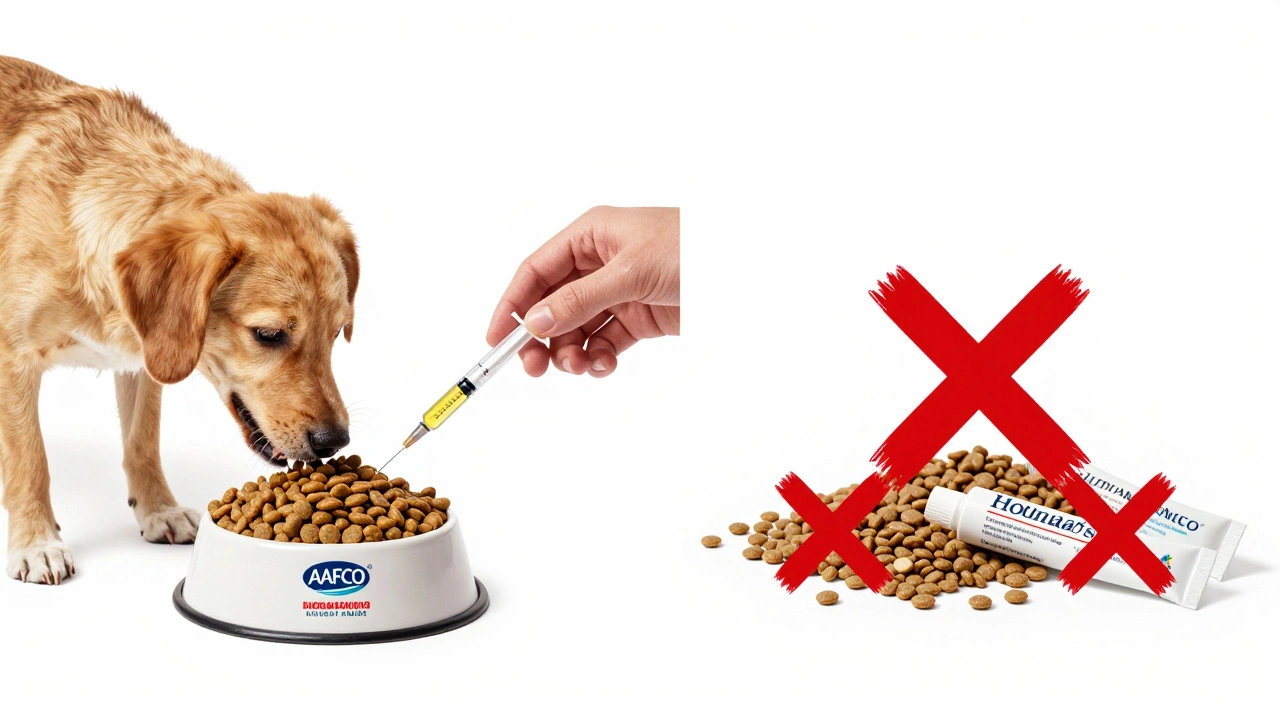
Yes-but only under strict veterinary supervision. Dogs need a tiny amount of vitamin D for bone and immune health. But their bodies get it from their food. Commercial dog foods are already fortified with the right amount. Adding extra is almost always unnecessary and dangerous.
Some dogs with severe kidney disease or malabsorption may need supplements, but only in microgram doses, carefully calculated by a vet. Never give your dog human supplements, even if they’re labeled “natural” or “organic.”
How to Prevent Vitamin D Poisoning
Here’s how to keep your dog safe:
- Store all human vitamins, supplements, and medications in locked cabinets-not on counters or nightstands.
- Never give your dog a human supplement, even “just one.”
- Check pet food and treat labels. Avoid products with more than 500 IU/kg of vitamin D.
- Use pet-safe pest control. Avoid rodent baits containing cholecalciferol.
- Wash your hands after applying vitamin D cream and keep your dog away from treated skin.
- Know the signs. If in doubt, call your vet. Better safe than sorry.
One owner in Christchurch saved her 8-pound Shih Tzu by recognizing the symptoms within 3 hours. She’d seen a post online about vitamin D toxicity and kept the vet’s number saved. That quick action gave her dog a full recovery.
Final Thought: Don’t Guess, Don’t Risk
Vitamin D isn’t a harmless supplement for dogs. It’s a silent killer. What seems like a thoughtful gesture-giving your dog a “healthy” vitamin-could be the most dangerous thing you’ve ever done for them. Stick to dog-specific products. Trust your vet. And if you ever wonder whether something is safe, assume it’s not.
Can a small amount of vitamin D hurt my dog?
Yes-even a single human vitamin D tablet can be toxic to small dogs. Toxicity starts at 0.1 mg per kg of body weight. A 10-pound dog can be poisoned by as little as 0.45 mg. That’s less than what’s in many over-the-counter supplements.
What should I do if my dog ate a vitamin D pill?
Call your vet or emergency animal hospital immediately. Do not wait for symptoms. Bring the pill bottle with you. Time is critical-treatment within 2 hours has the best chance of success. Do not try to induce vomiting at home unless instructed by a professional.
Are there dog-safe sources of vitamin D?
Yes-but only through commercial dog food. Reputable brands include the right amount of vitamin D (usually 500-1,000 IU per kg). Never add extra unless your vet prescribes it. Most dogs get enough from their food alone.
Can vitamin D poisoning be reversed?
If caught early, yes. Aggressive treatment with IV fluids, calcium-lowering drugs, and steroids can prevent permanent damage. But if kidney failure has already started, the damage is often irreversible. Long-term management may be needed for life.
Do all dog foods have enough vitamin D?
Most do. AAFCO standards require dog food to contain 500-3,000 IU/kg of vitamin D. Premium brands often stay near the lower end. If your dog is on a homemade diet, talk to a veterinary nutritionist before adding supplements. Never guess the dose.