Salmon Oil Dosage Calculator for Dogs
Calculate Your Dog's Salmon Oil Dose
When you’re trying to give your dog a real health boost, fish oils like cod liver oil and salmon oil often come up in conversations. But which one actually does more good? It’s not just about marketing claims or what’s on sale at the pet store. Your dog’s coat, joints, heart, and even brain depend on the quality of the oils you choose. And the difference between these two isn’t as simple as one being "better" than the other. It’s about what your dog needs right now.
What’s in cod liver oil?
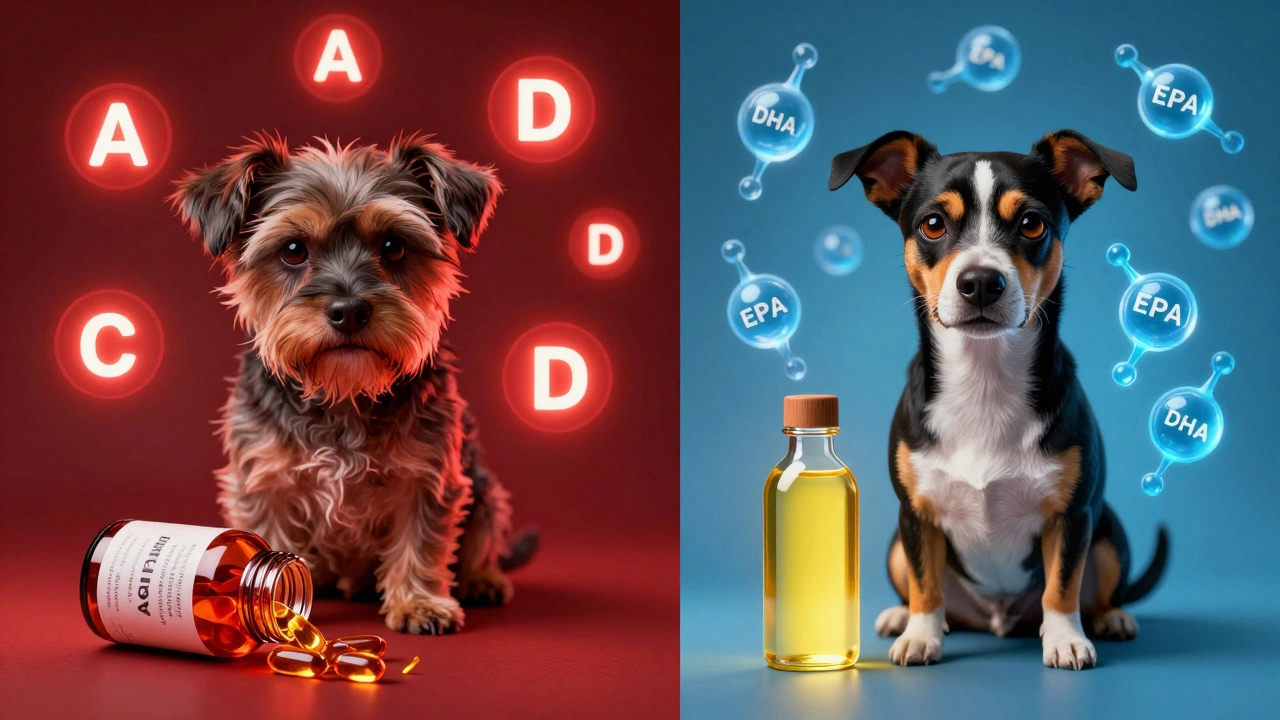
Cod liver oil comes from the liver of cod fish. That’s important - it’s not just any part of the fish. The liver stores vitamins, so cod liver oil is packed with vitamin A and vitamin D, along with omega-3 fatty acids like EPA and DHA. These vitamins are essential for vision, immune function, and bone health. But here’s the catch: too much vitamin A or D can be dangerous. Dogs don’t process these vitamins the same way humans do. A 2023 study from the University of Sydney found that over-supplementing with cod liver oil led to vitamin toxicity in 12% of dogs given daily doses above recommended levels, especially smaller breeds.
For example, a 10kg dog only needs about 1,000 IU of vitamin D per day. A single teaspoon of cod liver oil can contain over 4,000 IU. That’s four times what’s safe. If your dog is already eating a complete commercial dog food - which most are - they’re likely getting enough of these vitamins already. Adding cod liver oil on top? You’re risking hypervitaminosis. Symptoms include loss of appetite, bone pain, vomiting, and even fractures over time.
What’s in salmon oil?
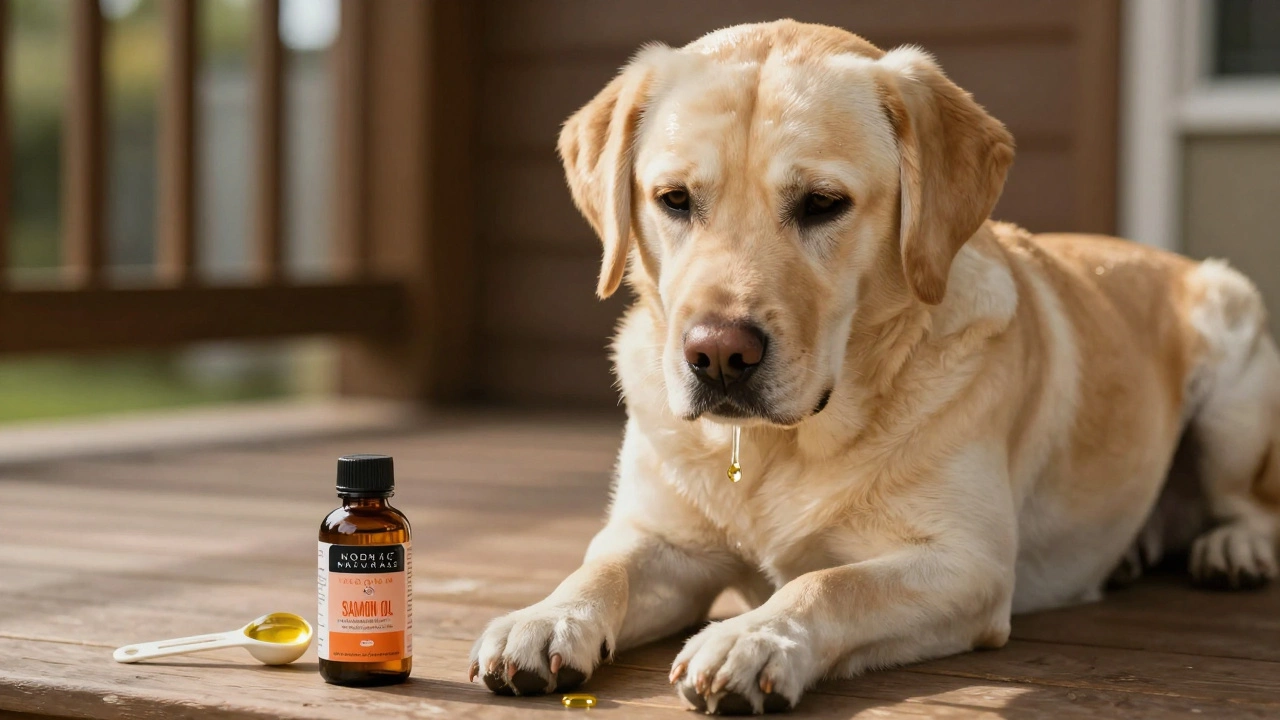
Salmon oil comes from the flesh of salmon, not the liver. That means it doesn’t carry the same vitamin overload. Its main strength is high concentrations of EPA and DHA - the omega-3s your dog actually needs to fight inflammation, support brain function, and keep skin and coat shiny. A typical salmon oil supplement has around 30% EPA and DHA combined. That’s higher than most cod liver oils, which often hover around 15-20%.
Salmon oil doesn’t contain significant amounts of vitamin A or D. That’s not a flaw - it’s a feature. It gives you control. You’re giving your dog the fatty acids without the risk of accidental overdose. For dogs with arthritis, allergies, or dry skin, this targeted approach works better. A 2024 clinical trial at Massey University tracked 87 dogs with chronic skin issues. After 12 weeks on salmon oil, 78% showed noticeable improvement in coat condition and reduced itching. Only 41% of dogs on cod liver oil saw similar results - and some developed mild gastrointestinal upset from the extra vitamins.
Why omega-3s matter more than vitamins here
Dogs can’t make their own omega-3s. They have to get them from food. The modern dog diet - even high-end kibble - is often loaded with omega-6 fatty acids from chicken fat, corn, and soy. Too many omega-6s without enough omega-3s? That’s a recipe for chronic inflammation. That’s why joint pain, itchy skin, and even cognitive decline in older dogs can be linked to this imbalance.
Salmon oil directly fixes that. It delivers EPA and DHA in a form your dog’s body can use right away. Cod liver oil does too - but it comes with baggage. The vitamins in cod liver oil might sound good on paper, but in practice, they’re often unnecessary and potentially harmful. Unless your vet has diagnosed a vitamin deficiency - which is rare in dogs on balanced diets - you don’t need extra A and D.
Real-world scenarios: who gets which oil?
Let’s say your dog is a 7-year-old Labrador with stiff hips. You’re looking for joint support. Salmon oil is the clear pick. It’s clean, potent, and doesn’t interfere with other supplements. Many vets in New Zealand now recommend salmon oil as a first-line omega-3 for arthritis because it’s predictable and safe long-term.
Now imagine your dog is a rescue pup with dull fur and flaky skin. You’ve tried everything. Your vet suspects a mild deficiency. If blood tests show low vitamin D, then cod liver oil might be used short-term under strict supervision. But even then, most vets will switch to salmon oil after a few weeks - once levels normalize.
What about puppies? Their brains are developing. DHA is critical. Salmon oil is the go-to here too. Cod liver oil’s high vitamin A can interfere with bone growth in growing pups. The American Veterinary Medical Association advises against cod liver oil for puppies under 6 months unless under direct veterinary guidance.
What about taste and digestion?
Many dogs love the taste of salmon oil. It smells like fish - but in a way that’s appealing to them. Cod liver oil has a stronger, more bitter taste. Some dogs refuse it outright. Others eat it, then vomit it up later. That’s not just pickiness - it’s your dog’s body rejecting something too rich or unnatural for them.
Salmon oil is also easier on the stomach. In a 2025 survey of 200 dog owners in Auckland who switched from cod liver oil to salmon oil, 68% reported fewer digestive issues within two weeks. Diarrhea, gas, and greasy stools dropped significantly. That’s a big deal if you’ve been dealing with messy accidents or vet bills from upset stomachs.
How to choose the right product
Not all fish oils are created equal. Look for these things:
- Purity: Choose oils tested for heavy metals and PCBs. Reputable brands will say they’re third-party certified.
- Form: Liquid is best. Capsules can be hard to dose accurately for small dogs.
- Omega-3 content: Aim for at least 200mg EPA and 150mg DHA per 10kg of body weight daily.
- Expiration date: Fish oil goes rancid fast. Buy small bottles and store them in the fridge.
Brands like Nordic Naturals, Grizzly Salmon Oil, and Zesty Paws are widely available and meet these standards. Avoid bargain brands sold in bulk at warehouse stores - they often use low-grade fish and lack proper testing.
Final verdict: salmon oil wins - but here’s why
Salmon oil is the better choice for almost every dog. It delivers what your dog actually needs: clean, concentrated omega-3s without the risk of vitamin overload. It’s safer, more effective for skin and joints, easier to digest, and better tolerated long-term.
Cod liver oil isn’t evil. It has its place - but only in very specific cases: short-term use under vet supervision for diagnosed deficiencies. For the average dog? It’s like using a sledgehammer to hang a picture. Overkill. Risky. Unnecessary.
If you’re unsure, start with salmon oil. Give it 6-8 weeks. Watch for shinier fur, less scratching, better mobility. If you don’t see improvement, talk to your vet. Don’t just switch to cod liver oil hoping for a miracle. The real fix isn’t more vitamins - it’s better balance.
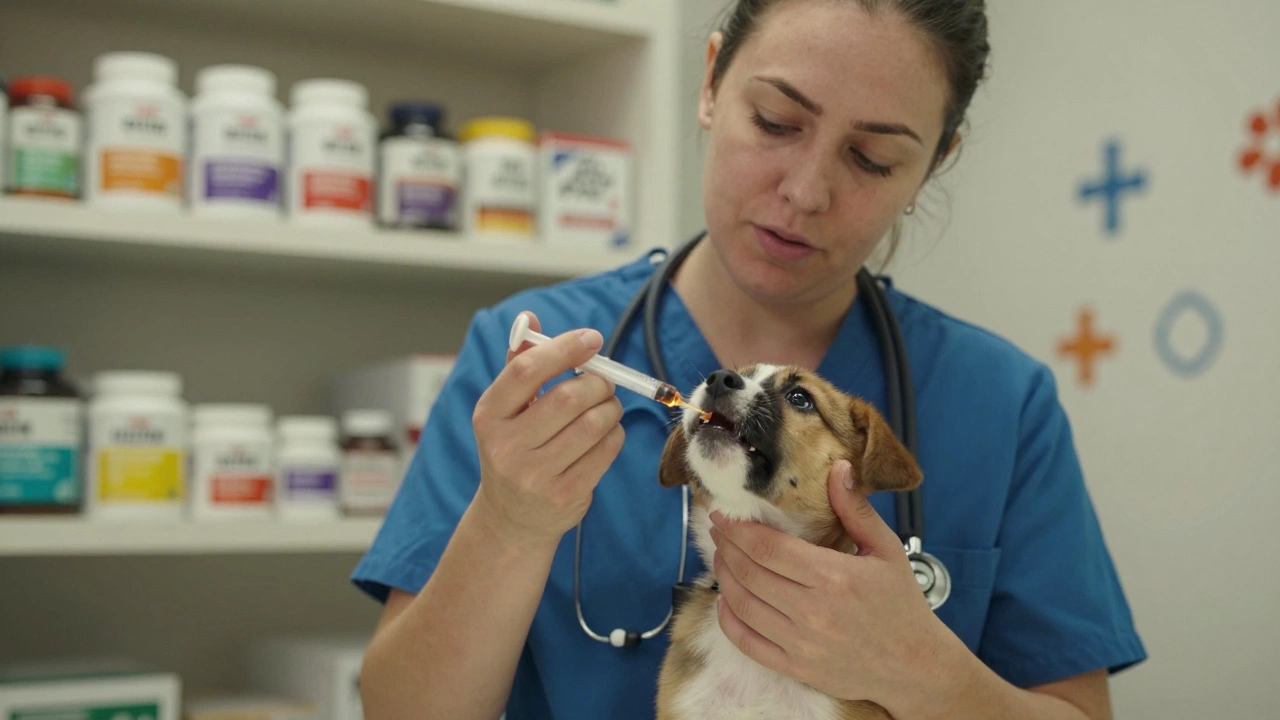
How much should you give?
Here’s a simple guide based on weight:
- Under 10kg: 1/4 teaspoon daily
- 10-20kg: 1/2 teaspoon daily
- 20-30kg: 3/4 teaspoon daily
- Over 30kg: 1 teaspoon daily
Always start with half the dose for the first week. Watch for loose stools. If your dog handles it well, increase to the full amount. Never exceed these amounts without veterinary advice.
What if your dog doesn’t like fish oil?
Some dogs turn their noses up at the smell. Try mixing it into homemade meals or freezing it into small ice cube treats. You can also find salmon oil chews - they’re pricier, but many dogs gobble them up. Just check the label. Some chews contain fillers and barely any actual omega-3s.
Another option: freeze-dried salmon treats. They’re not as concentrated as oil, but they’re a natural way to add omega-3s. A few treats a day can help - especially if your dog refuses liquid oils altogether.
What about plant-based oils like flaxseed?
Don’t waste your money. Dogs can’t convert ALA (the omega-3 in flaxseed) into EPA and DHA effectively. That’s a myth that’s been around for years. Studies show less than 5% conversion. Your dog needs the real thing - fish-derived omega-3s. Skip the flaxseed, coconut oil, or olive oil for this purpose. They don’t do the job.
Can I give my dog both cod liver oil and salmon oil together?
No, you shouldn’t. Combining them increases the risk of vitamin A and D toxicity without adding meaningful benefits. Salmon oil alone provides the omega-3s your dog needs. If you’re concerned about vitamins, talk to your vet about a blood test instead of doubling up on supplements.
Is salmon oil safe for dogs with pancreatitis?
It depends. High-fat supplements can trigger flare-ups in dogs with pancreatitis. If your dog has this condition, only use fish oil under strict veterinary supervision. Your vet may recommend a low-dose, highly purified form and monitor your dog closely. Never start fish oil without consulting them first.
How long does it take to see results from salmon oil?
Most dogs show improvements in skin and coat within 4-6 weeks. For joint mobility, it can take 8-12 weeks. Consistency matters. Don’t stop after two weeks if you don’t see a change right away. Omega-3s work gradually by reducing inflammation at the cellular level.
Can puppies take salmon oil?
Yes, and they benefit greatly. DHA supports brain and eye development in growing puppies. Start with a reduced dose - about half the adult amount - once they’re weaned. Always choose a product labeled for puppies or all life stages. Avoid cod liver oil in puppies unless specifically recommended by a vet.
Does salmon oil make my dog smell fishy?
Some dogs do develop a faint fishy odor on their breath or skin, especially if they’re sensitive. It’s harmless and usually fades after a few weeks. If the smell is strong or accompanied by vomiting or diarrhea, stop the supplement and check the oil’s freshness. Rancid oil can cause this reaction.
What to do next
Start with a high-quality salmon oil. Pick a brand you trust. Measure carefully. Stick with it for at least two months. Keep notes: is your dog scratching less? Moving easier? Sleeping better? That’s the real test.
If you’ve been using cod liver oil and your dog is doing fine - no vomiting, no loose stools, no skin issues - you’re probably okay. But don’t assume it’s helping more than it should. It might just be not hurting. Switching to salmon oil could still give you better results with fewer risks.
When in doubt, ask your vet for a blood panel. It’s the only way to know what your dog actually needs - not what the bottle says.