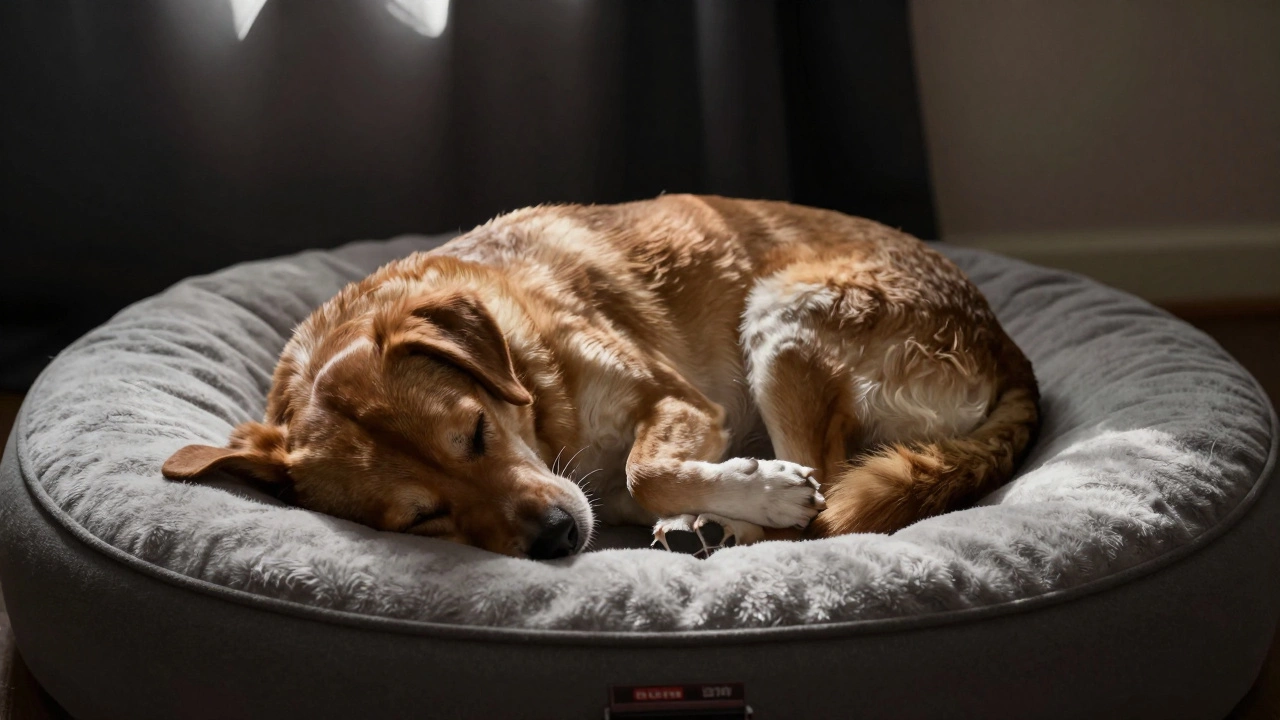
Ever watched your dog curled up in their bed, breathing slow and steady, and thought, "Should I reach over and scratch their belly?" You’re not alone. Millions of dog owners do it every night. But here’s the thing: just because it feels nice to you doesn’t mean your dog thinks so too.
What Happens When a Dog Is Asleep?
Dogs don’t sleep like humans. They cycle through light and deep sleep faster-about every 20 minutes. During light sleep, their ears twitch, their paws paddle, and their eyes might flutter. That’s when they’re dreaming, probably chasing squirrels or reliving a game of fetch. Deep sleep? That’s when their body repairs itself. Their breathing slows, muscles relax completely, and brain activity drops. This is the phase where recovery happens.
Studies from the University of Pennsylvania show that dogs spend roughly 44% of their day sleeping, with 12% in deep rest. That’s more than most humans. And during those deep cycles, their nervous system is in repair mode. Disturbing them-even gently-can interrupt that process.
Do Dogs Even Like Being Touched While Asleep?
Some dogs? Yes. Others? Absolutely not.
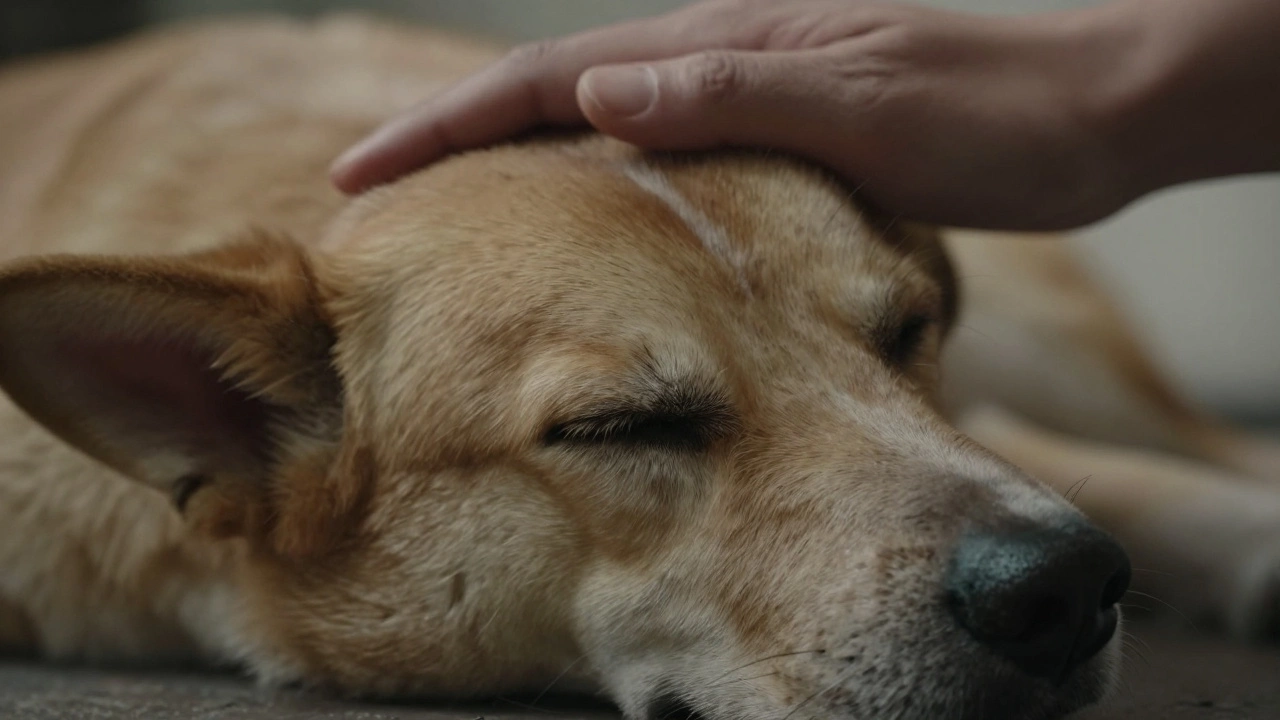
There’s no universal rule. It depends on their personality, past experiences, and how well they trust you. A dog who was handled gently as a puppy, who’s used to being petted during naps, might sigh and lean into your hand. But a dog who was startled awake as a pup, or who’s anxious by nature? They might flinch, stiffen, or even growl without fully waking up.
One 2023 study from the University of Auckland tracked 127 dogs over 60 nights. Researchers used motion sensors and heart rate monitors. Dogs who were petted during light sleep showed no change in heart rate. But during deep sleep? 68% of dogs had a spike in heart rate-clear signs of stress-even if they didn’t wake up. Their bodies were reacting. Their minds? Still asleep.
Why This Matters for Dog Beds
Your dog’s bed isn’t just a cozy spot. It’s their safe zone. A place where they feel secure enough to let their guard down. If you regularly stroke them while they’re sleeping, you’re teaching them that their safe space isn’t really safe. That can lead to sleep anxiety. They might start sleeping with one eye open. Or refuse to nap unless you’re in the room. Or worse-they might start avoiding their bed altogether.
Think about it: if someone kept gently touching you while you were in deep REM sleep, you’d feel unsettled too. Dogs feel that same unease. It’s not about being mean. It’s about respecting their biology.
How to Tell If Your Dog Likes It
Not all dogs react the same. Here’s how to read your dog’s signals:
- They lean into your hand - This is a clear yes. Their body is relaxed, breathing stays even.
- They sigh or nudge your hand - They’re inviting more. This is rare but meaningful.
- They freeze or stop breathing - Red flag. They’re not sleeping-they’re bracing.
- They twitch or pull away - Even if they don’t wake up, their body is saying no.
- They growl or snap - Don’t ignore this. It’s not aggression. It’s a sleep disturbance response.
Pay attention to timing too. If you pet them right after they settle in, they might not react. But if you touch them 15 minutes later, during deep sleep? The reaction is often stronger.
What to Do Instead
You want to comfort your dog. That’s natural. But there are better ways:
- Stroke them before they sleep - A gentle rub down before bed helps them relax. It signals safety, not disruption.
- Use a heated bed - Dogs with joint pain or older dogs benefit from warmth. A heated dog bed can mimic the comfort of being cuddled without physical contact.
- Keep their space quiet - Noise, sudden movements, or bright lights are more disruptive than petting. Use blackout curtains. Keep the TV low. Avoid walking around the room when they’re napping.
- Let them choose their spot - Some dogs sleep better on the floor. Others prefer the couch. Let them pick. Forcing them into a specific bed can cause stress.
When to Worry
If your dog consistently reacts badly to being touched while sleeping, it’s not just about preference. It could signal:
- Chronic pain - Arthritis or muscle soreness can make even light touch painful.
- Anxiety disorders - Dogs with separation anxiety often sleep lightly and react to any disturbance.
- Neurological issues - Sudden changes in sleep behavior, like jerking or vocalizing, could point to seizures or other conditions.
These aren’t normal. If your dog’s sleep behavior changed recently, or if they’re showing signs of discomfort during the day, talk to your vet. A simple check-up can rule out health problems.
Final Thought: Respect Their Rest
Dogs give us so much-loyalty, joy, comfort. The least we can do is let them rest without interruption. Their sleep isn’t just downtime. It’s essential. Their body rebuilds, their brain processes, and their immune system strengthens while they’re asleep.
Next time you see your dog curled up, resist the urge. Let them be. If they want your company, they’ll nudge you awake. And when they do? That’s the real gift.
Can I pet my dog if they’re sleeping on my bed?
It’s okay if your dog is used to it and shows no signs of stress-like stiffening, freezing, or pulling away. But if they’ve never been petted while sleeping before, it’s best to avoid it. Even if they don’t wake up, their body might still be stressed. Let them rest undisturbed.
Do dogs dream when they sleep?
Yes. Dogs enter REM sleep, just like humans. You’ll see their paws twitch, ears move, or hear soft whimpers. That’s them dreaming-probably about chasing balls, other dogs, or running through fields. Don’t wake them during this phase. It’s part of healthy brain function.
What’s the best type of dog bed for deep sleep?
Orthopedic memory foam beds are best for deep, restful sleep, especially for older dogs or those with joint issues. They reduce pressure points and keep the spine aligned. Avoid flat, thin beds. Dogs need enough cushioning to sink in and feel secure.
Should I let my dog sleep in my bedroom?
Yes, if they’re calm and don’t disrupt your sleep. Many dogs feel more secure sleeping near their humans. But make sure they have their own space-like a bed or mat-not right on top of you. This helps them learn to rest without needing constant contact.
Why does my dog sleep with one eye open?
This is a survival instinct. Dogs evolved as prey animals. Sleeping with one eye slightly open helps them stay alert to threats. If your dog does this often, it might mean they don’t feel fully safe. Try making their sleeping area quieter, darker, and more predictable. A covered bed or crate with a blanket over it can help.