Most dog owners know that their pets need proper food, exercise, and vet checkups. But few realize that vitamin D plays a critical role in their dog’s health-and that a deficiency can sneak up quietly. Unlike humans, dogs don’t make vitamin D from sunlight the same way. They rely almost entirely on what they get in their food. When their levels drop, the signs aren’t always obvious at first. But left unchecked, vitamin D deficiency can lead to serious, even life-threatening problems.
Why Vitamin D Matters for Dogs
Vitamin D isn’t just about bones. In dogs, it helps regulate calcium and phosphorus levels in the blood. These minerals are essential for strong bones, healthy muscles, nerve function, and even heart rhythm. Without enough vitamin D, the body can’t absorb calcium properly, no matter how much calcium is in the diet. This imbalance triggers a chain reaction: muscles weaken, bones soften, and organs start to malfunction.
Unlike humans, dogs don’t synthesize vitamin D efficiently through their skin. They get almost all of it from their food. That means commercial dog foods must be formulated correctly. But not all brands get it right. Homemade diets, raw food plans, or low-quality kibble can easily fall short. Even dogs eating premium food can develop a deficiency if they have underlying health issues that affect absorption.
Early Signs of Vitamin D Deficiency
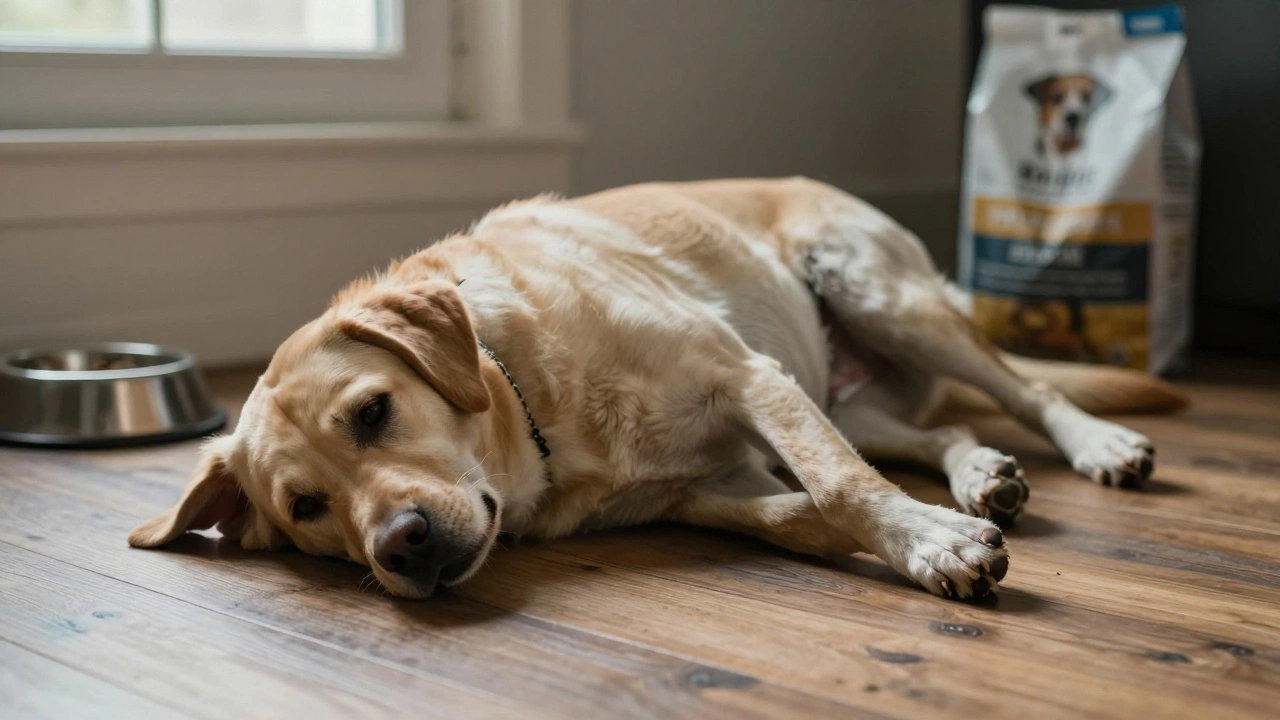
The earliest signs are subtle and often mistaken for aging or general lethargy. If your dog seems slower than usual, doesn’t jump on the couch like they used to, or avoids stairs, it could be more than just getting older. Muscle weakness is one of the first red flags. You might notice them struggling to stand up after lying down, or their back legs giving out during walks.
Another early clue is a change in appetite. A dog with low vitamin D may eat less, lose interest in treats, or seem uninterested in food they once loved. This isn’t pickiness-it’s a biological signal. Their body is signaling that something is off. Weight loss often follows, even if they’re eating normally.
Physical Symptoms You Can See
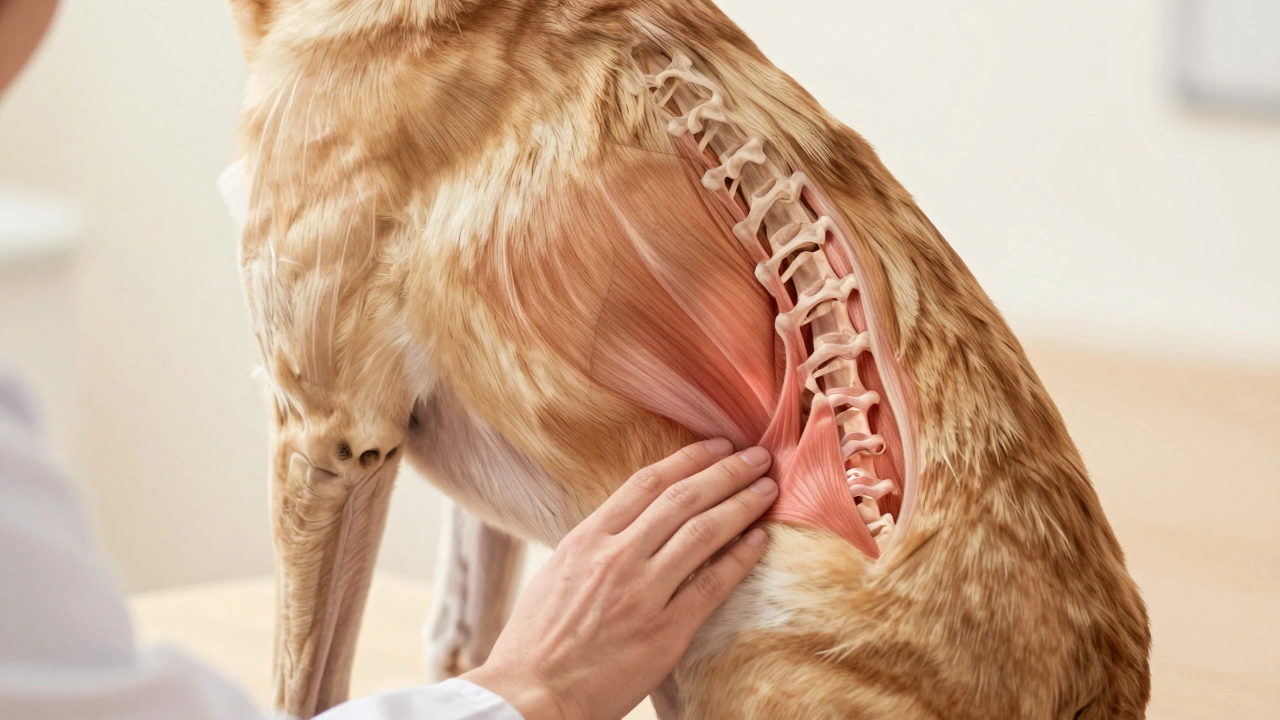
As the deficiency progresses, more obvious physical symptoms appear. One of the clearest indicators is bone pain or tenderness. Dogs can’t tell you they hurt, but they’ll show it. If your dog whimpers when you touch their spine, hips, or legs, or if they’re reluctant to be touched in certain areas, it’s worth investigating.
Joint stiffness is another common sign. You might notice your dog limping, especially after resting. It’s not arthritis-it’s osteomalacia, a condition where bones soften due to lack of mineralization. This is the canine version of rickets in children. Their bones lose density and become flexible, which can lead to deformities over time.
Some dogs develop a hunched posture or walk with a stiff, awkward gait. Their spine may curve unnaturally. In severe cases, you might see a swollen jaw or misaligned teeth. These aren’t normal aging changes. They’re signs that the body is breaking down its own bone structure to get calcium from storage.
Behavioral and Systemic Changes
Vitamin D doesn’t just affect bones. It plays a role in immune function and cell growth. A deficiency can make your dog more prone to infections. If your dog keeps getting ear infections, skin irritations, or urinary tract infections that don’t respond to treatment, low vitamin D could be a hidden factor.
Some dogs develop unexplained vomiting or diarrhea. Others start drooling more than usual. These aren’t digestive issues alone-they’re signs that the kidneys and intestines are struggling to regulate minerals properly. In advanced cases, dogs may experience seizures or irregular heartbeats. This happens when calcium levels in the blood drop too low, affecting nerve and muscle signaling.
Who’s at Risk?
Not all dogs are equally at risk. Certain breeds are more prone to vitamin D issues. German Shepherds, Rottweilers, and Labrador Retrievers have shown higher rates of deficiency in veterinary studies. Older dogs are also more vulnerable, as their kidneys become less efficient at converting vitamin D into its active form.
Dogs with chronic kidney disease, liver disease, or inflammatory bowel disease are at higher risk. These conditions interfere with how the body processes vitamin D. Even dogs on long-term steroid medications can develop deficiency, because steroids disrupt vitamin D metabolism.
And yes-dogs on homemade diets are at risk if they’re not supplemented properly. A diet of boiled chicken and rice might seem healthy, but it’s nearly void of vitamin D. Same goes for raw diets that lack organ meats or bone meal. Even some commercial foods, especially those labeled as “grain-free” or “limited ingredient,” may not contain enough vitamin D if they’re not formulated with scientific backing.
How to Confirm a Deficiency
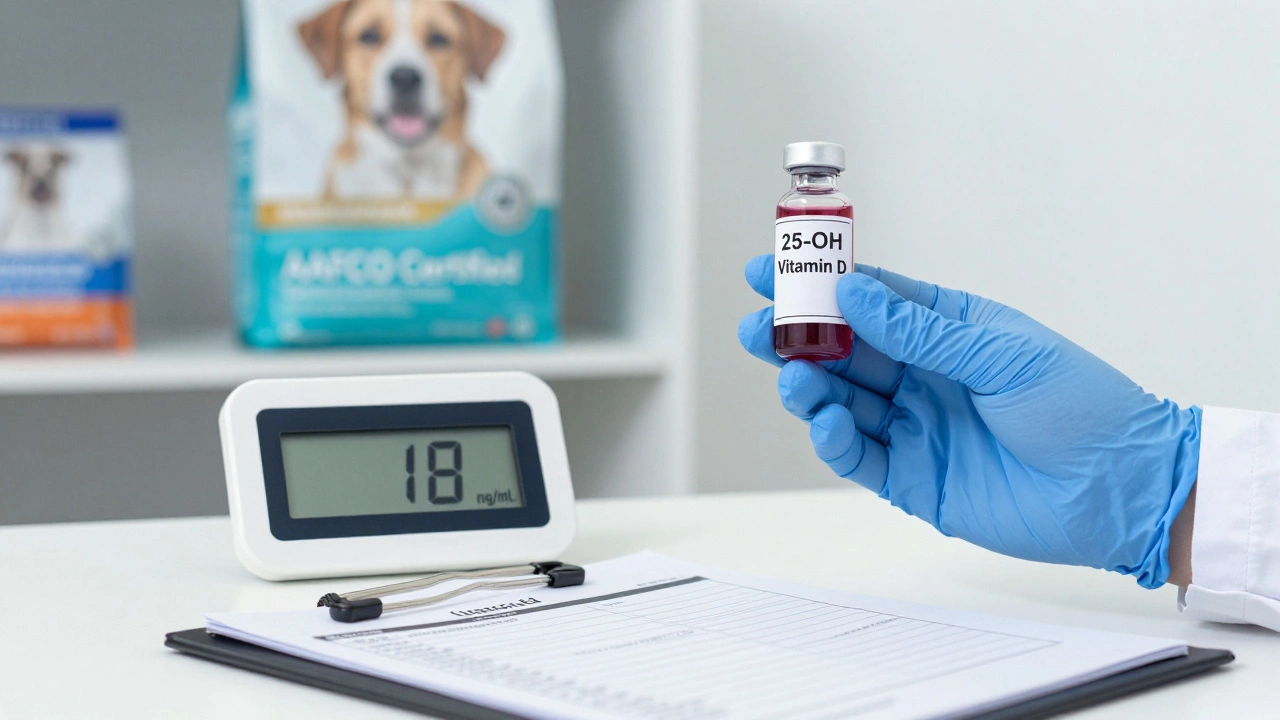
If you suspect your dog has low vitamin D, don’t guess. A simple blood test can confirm it. Veterinarians measure 25-hydroxyvitamin D, the main circulating form in the body. Normal levels for dogs range from 60 to 150 ng/mL. Levels below 20 ng/mL are considered severely deficient. Levels between 20 and 60 are insufficient and should be addressed.
Don’t rely on symptoms alone. Many dogs with mild deficiency show no obvious signs. That’s why routine bloodwork during annual checkups is so important. If your vet hasn’t tested your dog’s vitamin D levels, ask. It’s inexpensive, non-invasive, and can catch problems before they become serious.
What to Do If Your Dog Is Deficient
Once confirmed, your vet will likely recommend a vitamin D supplement. But here’s the catch: you can’t just give your dog human vitamin D pills. The dosage is extremely tight. Too little won’t help. Too much can cause toxicity, which is just as dangerous as deficiency. Vitamin D poisoning in dogs causes vomiting, kidney failure, and even death.
Always use a vet-approved supplement. Prescription forms like cholecalciferol (D3) are dosed precisely for canine use. Over-the-counter human supplements are not safe. Even a single 1,000 IU human tablet can be toxic to a small dog.
In addition to supplements, switch to a high-quality dog food that clearly lists vitamin D content. Look for foods that include fish oil, egg yolks, or liver-natural sources of vitamin D. Avoid foods with vague ingredient lists like “animal fat” or “meat meal” without specific sources.
Prevention Is Simple
The best way to avoid deficiency is to feed a balanced, science-backed diet. Choose dog foods that meet AAFCO (Association of American Feed Control Officials) standards for adult dogs or puppies. These foods are formulated to include the right amount of vitamin D.
Don’t assume that because your dog eats well, they’re getting enough. Many popular brands don’t test their nutrient levels rigorously. Check the guaranteed analysis on the bag. It should list vitamin D in IU/kg. A good food should contain between 500 and 3,000 IU per kg.
For dogs on homemade diets, work with a veterinary nutritionist. They can create a custom plan with the right balance of vitamins and minerals. Never rely on internet recipes or advice from pet stores.
When to Call the Vet
If your dog shows any combination of these signs-weakness, loss of appetite, limping, vomiting, or unusual behavior-schedule a vet visit. Don’t wait. Vitamin D deficiency is treatable, but only if caught early. Left untreated, it can lead to permanent bone damage, chronic pain, or organ failure.
And remember: never supplement without a vet’s guidance. What seems like a simple fix can turn into an emergency. Dogs are incredibly sensitive to vitamin D. A single mistake can be fatal.