Nelson's Equestrian and Pet Supplies - Page 2
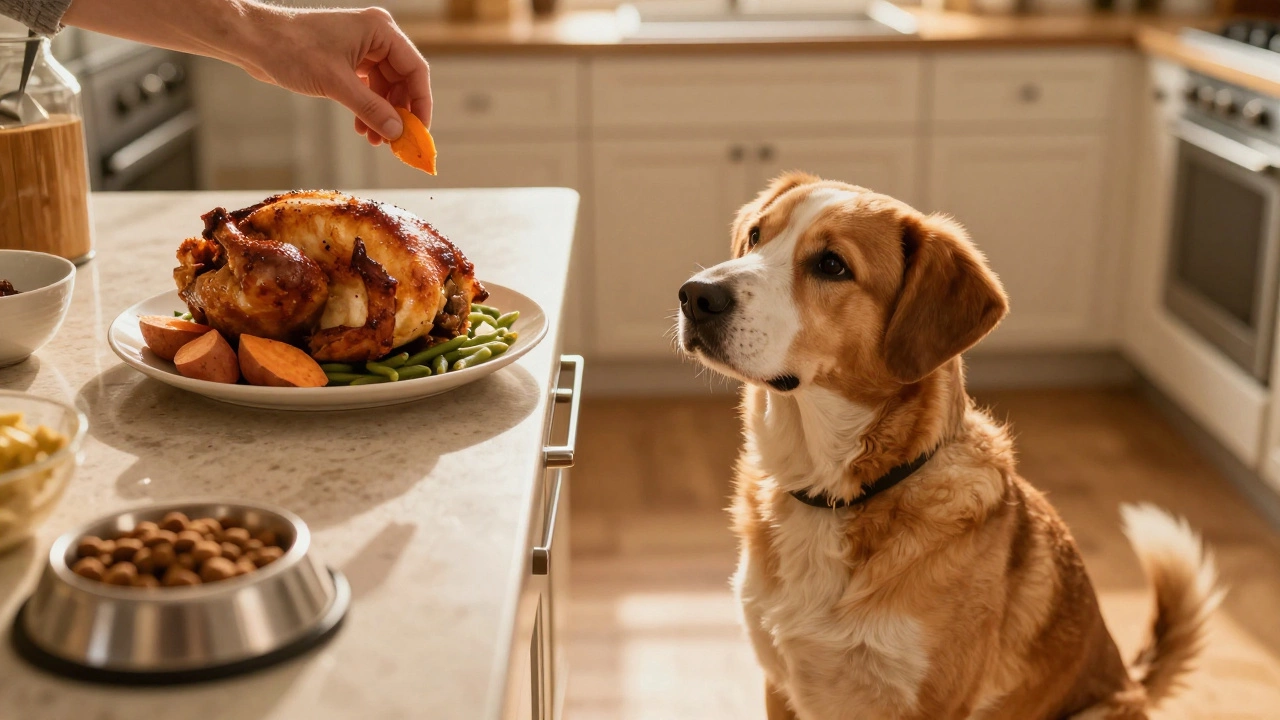
Can I Feed My Dog Human Food Instead of Dog Food?
Feeding your dog human food occasionally is fine, but replacing dog food entirely can cause serious health problems. Learn which foods are safe, which are deadly, and how to give your dog the nutrition they need.

How Many Times Should You Feed a Cat? A Simple Guide for Every Life Stage
Learn how often to feed your cat based on age, health, and food type. Get clear guidelines for kittens, adults, and seniors, plus tips to avoid overfeeding and keep your cat healthy.

Should Dogs Sleep in the Dark? What Science and Dog Behavior Tell You
Most dogs sleep better in the dark thanks to their natural night vision and sleep cycles. Learn why darkness helps dogs rest deeply-and when a nightlight might actually be necessary.

Where Should an Untrained Puppy Sleep? A Simple Guide for New Owners
Where your untrained puppy sleeps affects their behavior, safety, and training. Learn the best place for a new puppy to sleep at night and how to build a routine that works for both of you.

What Is a Good Bedtime for an 8-Week-Old Puppy?
An 8-week-old puppy needs 18 to 20 hours of sleep daily. A consistent bedtime between 8 p.m. and 10 p.m. helps them rest, grow, and avoid accidents. Routine, a quiet crate, and patience are key.
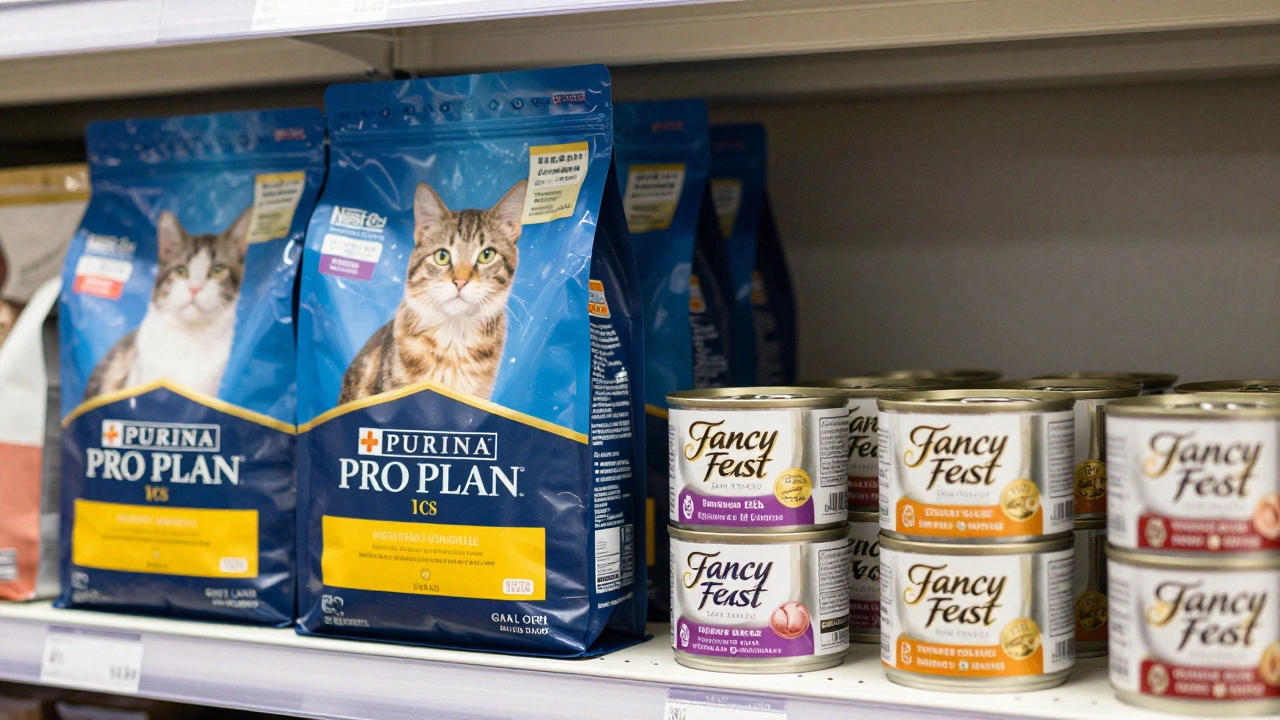
Is Purina and Fancy Feast the same company? Here's the real story
Purina and Fancy Feast are both owned by Nestlé, but they’re not the same. Fancy Feast is a premium wet food line, while Purina offers budget to premium dry and wet options. Learn how they differ and what to feed your cat.

Should Cats Have Access to Food All the Time? The Truth About Free Feeding
Leaving food out all day for your cat might seem kind, but it can lead to obesity, diabetes, and other health problems. Learn why scheduled meals are safer and how to make the switch.
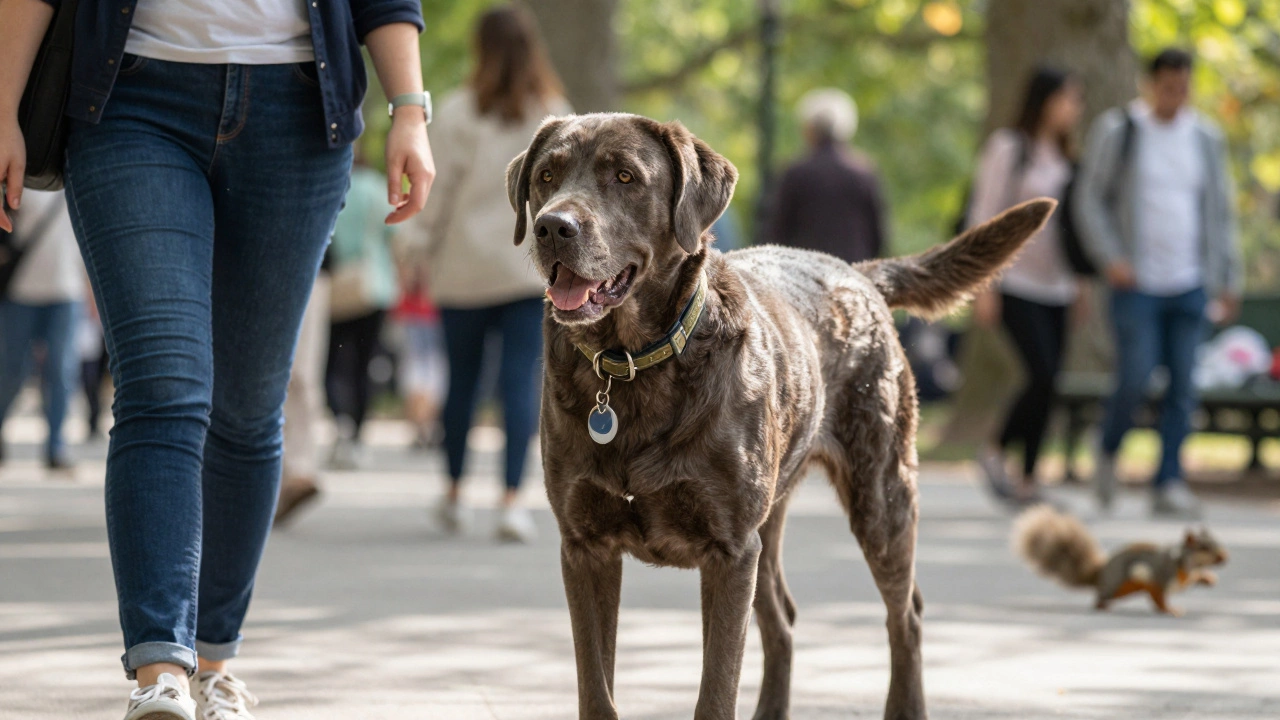
Buckle vs Snap Dog Collars: Which Is Safer and More Practical for Your Dog?
Buckle and snap dog collars each have pros and cons. Learn which one is safer, more reliable, and better suited for your dog's lifestyle based on real-world behavior and expert recommendations.
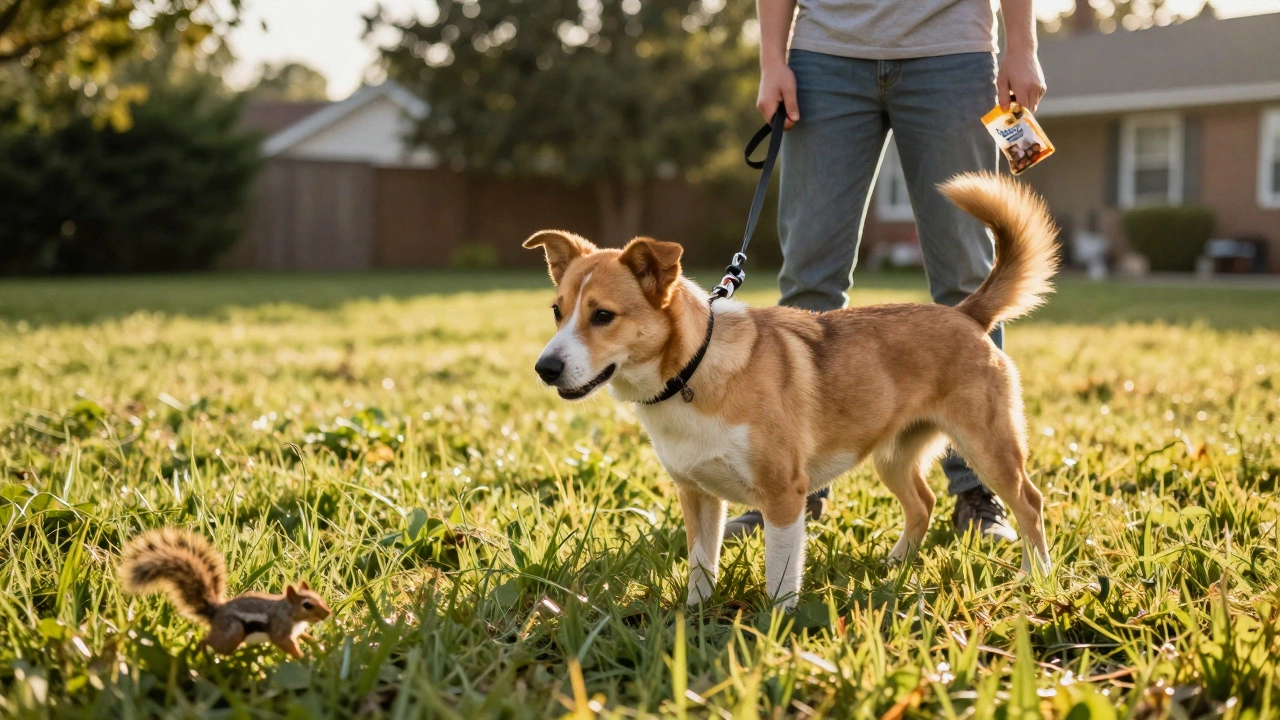
What Is the Hardest Age to Train a Dog?
The hardest age to train a dog is between 6 and 18 months, when hormonal changes and independence make obedience challenging. Learn why this phase is critical and how to train effectively without giving up.

What Airline Allows Large Dogs? Best Pet-Friendly Airlines for Big Breeds in 2026
Find out which airlines allow large dogs to fly in cargo in 2026, including weight limits, breed restrictions, costs, and what you need to prepare. Get the real rules for flying big breeds safely.

What Is the Best Cat Food for a Starving Cat?
Feeding a starving cat wrong can kill them. Learn the safe, vet-approved way to re-feed a malnourished cat with high-protein wet food, what to avoid, and how to prevent fatal complications.

How Long Can Dry Dog Food Sit in a Bowl? Safety and Freshness Guide
Dry dog food shouldn't sit in a bowl longer than 4 hours. Learn why bacteria, mold, and rancidity make leftover kibble risky-even if it looks fine. Keep your dog healthy with simple feeding habits.