Puppy Bladder Control Calculator
How Long Can Your Puppy Sleep?
Calculate your puppy's safe sleep duration based on age. Based on the University of Pennsylvania's research, puppies need regular bathroom breaks to avoid accidents and anxiety.
Bringing home a new puppy is exciting-but that first night can feel overwhelming. You’ve got the food, the toys, the leash-but where should your untrained puppy sleep? This isn’t just about comfort. It’s about safety, training, and building trust from day one.
Why Where Your Puppy Sleeps Matters
A puppy’s sleep environment shapes their behavior for months, maybe years. If you let them sleep on your bed right away, they’ll expect it forever. If you leave them alone in a cold, empty room, they’ll panic. The goal isn’t perfection-it’s consistency. Puppies thrive on routine. Their brains are still wiring together, and a predictable sleep spot helps them feel secure.
Studies from the University of Pennsylvania’s Veterinary Behavior Clinic show that puppies who sleep in a quiet, contained space during their first 30 days are 40% less likely to develop separation anxiety by six months. That’s not luck. It’s structure.
The Best Place for a New Puppy to Sleep
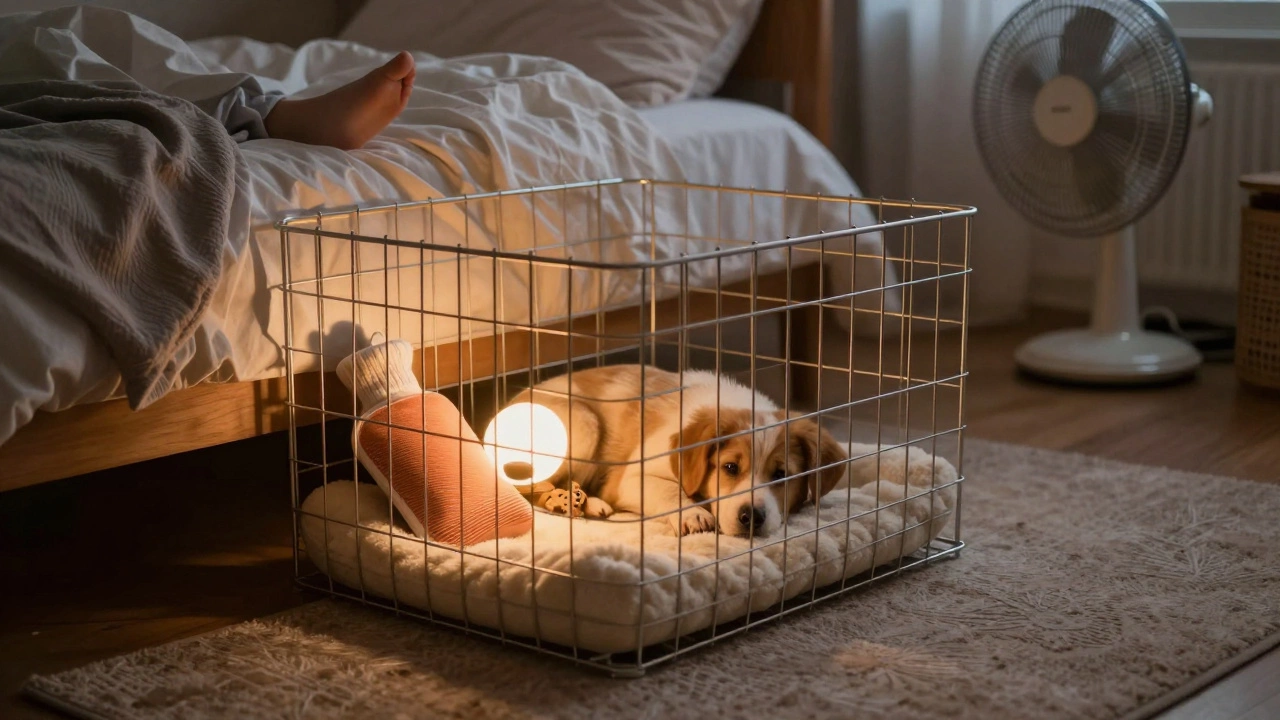
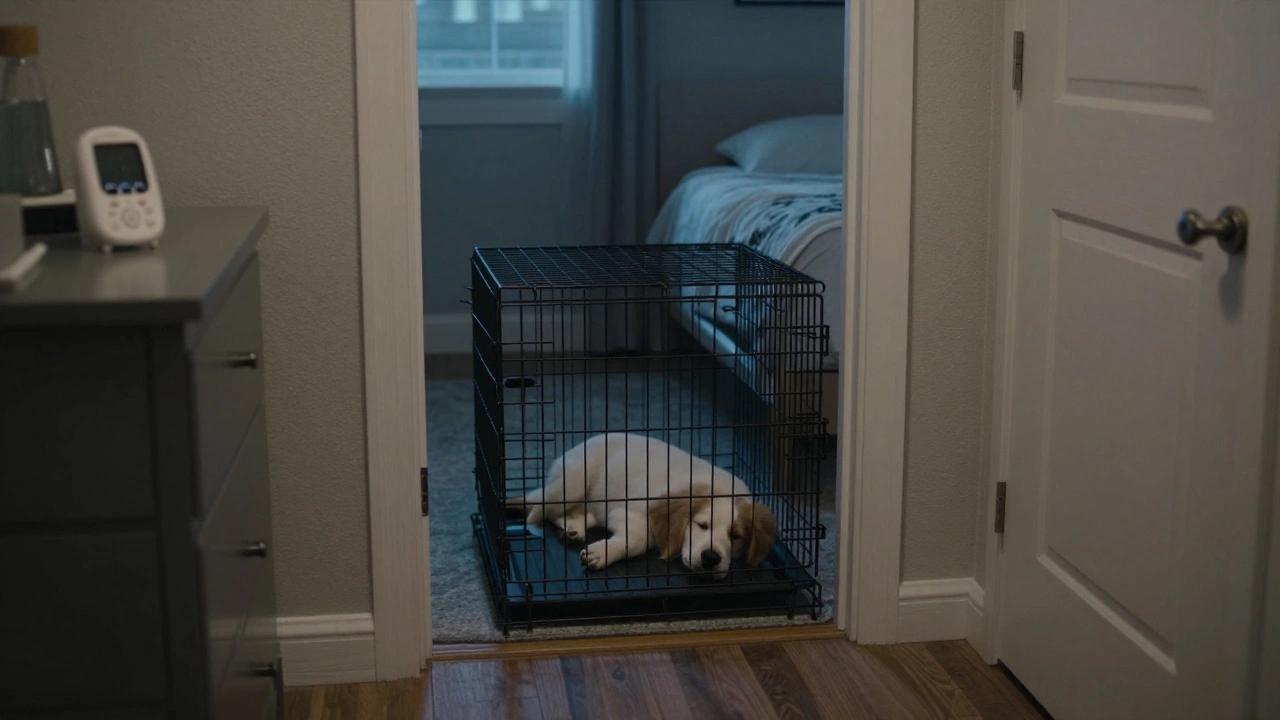
For most first-time owners, the answer is simple: in a crate, placed in your bedroom.
Why the crate? It’s not a punishment. It’s a den. Dogs are den animals by nature. A crate gives them a safe, cozy space they can call their own. And putting it in your room? That’s the secret. Puppies are social creatures. They don’t want to be alone. Hearing your breathing, knowing you’re nearby, helps them settle faster.
Use a crate that’s just big enough for them to stand up, turn around, and lie down. Too big, and they’ll use one corner to pee and sleep in another. Too small, and they’ll feel trapped. If your puppy is still growing, get a crate with a divider so you can adjust the space as they grow.
Line the bottom with a soft, washable pad. No blankets or towels at first-they might chew them. A fleece bed or puppy-specific crate mat works best. Add a stuffed toy with a heartbeat sound or a warm water bottle wrapped in a sock (not too hot) to mimic littermates.
What Not to Do
Don’t let your puppy sleep on the couch. It’s tempting-especially if they whine. But you’re teaching them that whining gets them a better bed. And when they’re older, you’ll regret it.
Don’t put them in a spare room or basement. Puppies under 16 weeks can’t hold their bladders for more than 3-4 hours. If they’re locked away, they’ll have accidents, get scared, and start associating alone time with fear.
Don’t use a playpen or baby gate in the middle of the living room. It’s too open. Too noisy. Too distracting. Puppies need quiet to sleep deeply.
How to Make the Crate Feel Like Home
Don’t just drop your puppy in the crate and walk away. That’s how fear starts.
Here’s how to build positive associations:
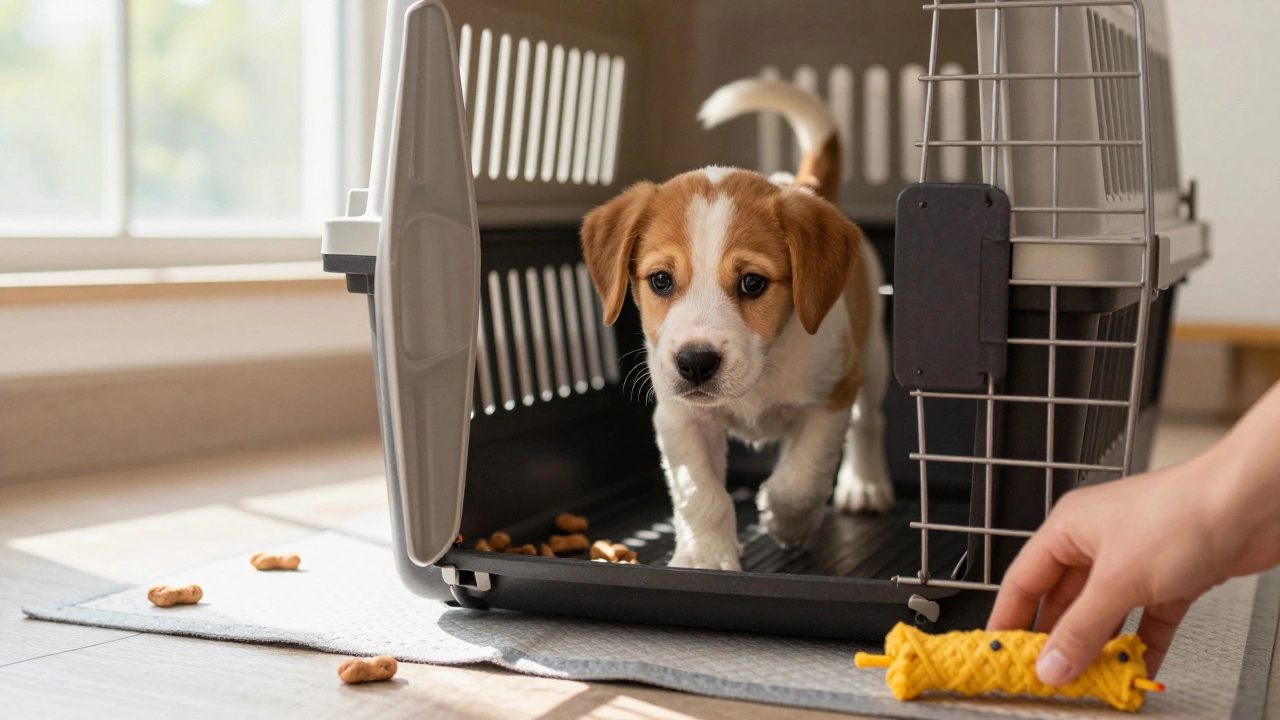
- Leave the crate door open during the day. Toss in a few treats. Let them explore on their own.
- Feed meals inside the crate. Start with the door open, then close it for a few seconds while they eat. Slowly increase the time.
- Give them a chew toy or stuffed Kong only when they’re in the crate. That way, they learn the crate = good things.
- Use a calm, happy voice when they go in. Say, “Good night,” or “Crate time.” Don’t make a big deal out of it.
After a few days, they’ll start walking in on their own. That’s your cue to start nighttime sleep.
First Night Tips
On night one, expect whining. It’s normal. Don’t rush to open the door. Wait 5-10 minutes. If they’re still crying, check if they need to go outside. Take them out quietly-no play, no attention. Just pee, then back to the crate.
If they’re whining because they’re scared, don’t ignore them completely. Talk softly from outside the crate. Say, “I’m right here.” But don’t pick them up or let them out. You’re teaching them that crying doesn’t get them out-it gets them comfort.
Keep the room dim. Use a nightlight if needed. A fan or white noise machine helps drown out sudden sounds-door slams, cars, barking dogs outside.
Set an alarm for 2-3 hours after bedtime. Take them out even if they’re sleeping. Puppies that young can’t hold it. Accidents teach them nothing. Scheduled potty breaks teach them control.
When to Move Them Out of Your Room
Don’t rush this. Most puppies aren’t ready to sleep alone in another room until they’re 4-6 months old. Even then, only move them if they’re reliably sleeping through the night, holding their bladder, and not whining.
Start by moving the crate to the doorway of your room. Then to the hallway. Then to another room. Each step should take a week. Watch for signs of stress-chewing the crate, barking nonstop, accidents. If you see those, go back a step.
What If You Don’t Want to Use a Crate?
Some owners avoid crates. That’s fine-but you need a plan. A puppy-proofed room with a baby gate works. But you must supervise during the day and check on them hourly at night.
Remove everything they can chew: shoes, cords, rugs, houseplants. Cover electrical outlets. Block under furniture. Puppies explore with their mouths. And they’re fast.
Put a washable puppy bed, water bowl, and a few safe toys in the room. Use a puppy monitor so you can hear them. But remember: without a crate, you’re responsible for every minute they’re awake. That’s harder than it sounds.
How Long Until They Sleep Through the Night?
Most puppies start sleeping 6-8 hours straight by 12-16 weeks. Some take longer. It depends on breed, temperament, and how consistent you are.
Small breeds like Chihuahuas or Yorkies often take longer because they have smaller bladders. Large breeds like Labs or Goldens may sleep through the night sooner.
Don’t compare. Your puppy isn’t behind. They’re just learning. Progress isn’t linear. Some nights they’ll sleep like a angel. Others, they’ll cry for an hour. Stick with the routine. It will pay off.
Common Mistakes and How to Fix Them
- Mistake: Letting them sleep in your bed to stop crying. Fix: Stick to the crate. Comfort them with your voice, not your bed.
- Mistake: Moving the crate every few days. Fix: One spot, every night. Consistency builds security.
- Mistake: Ignoring nighttime whining completely. Fix: Check for bathroom needs. If it’s fear, offer calm reassurance. Never punish.
- Mistake: Using a crate as punishment. Fix: Always make it a positive place. Never yell at them and shove them in.
Remember: this isn’t about control. It’s about teaching your puppy how to feel safe in a human world. They’re not being bad. They’re just puppies.
What Comes Next?
Once your puppy sleeps through the night, you can start adding daytime routines: potty breaks every 2 hours, short training sessions, leash walks. But sleep is the foundation. Get this right, and everything else gets easier.
It’s not about being the perfect owner. It’s about being the steady one. The one who shows up, night after night, even when you’re tired. That’s what your puppy remembers.
Can I let my puppy sleep in my bed?
You can, but it’s not recommended for untrained puppies. Sleeping in your bed too early can lead to separation anxiety, difficulty with crate training later, and behavioral issues like jumping on furniture or guarding the bed. Wait until your puppy is fully trained, at least 6 months old, and you’re sure you want to make it a permanent habit.
How long can a puppy sleep without peeing?
A general rule is one hour per month of age. A 10-week-old puppy (about 2.5 months) can hold it for about 2.5-3 hours. By 16 weeks, most can sleep 6-8 hours. Always take them out before bed and set an alarm for the first nighttime potty break.
Should I use a puppy crate or a playpen?
A crate is better for sleep. It’s enclosed and feels like a den. A playpen is fine for daytime play or supervision, but it’s too open for nighttime. Puppies need a quiet, confined space to feel safe enough to sleep deeply.
What if my puppy cries all night?
First, check if they need to go outside. If not, wait a few minutes. Puppies often cry briefly and settle on their own. If they’re still crying after 10 minutes, speak calmly from outside the crate. Don’t open it. If it’s fear, they need reassurance-not freedom. Consistency helps them learn it’s safe to rest.
Is it okay to let my puppy sleep on the floor without a bed?
Not for long. Puppies are small and can get cold easily, especially on hard floors. Even a thin, washable pad helps with warmth and comfort. Avoid fluffy blankets-they can be chewed and swallowed. A firm, flat mat is safest.