Dog Training Phase Calculator
When is your dog's toughest training phase?
The article explains that the hardest age to train a dog is between 6-18 months. Enter your dog's birth date to see if they're in this critical phase.
Result
Your dog's age will appear here.
Most people think training a dog starts when they bring home a cute puppy. But the real challenge? It’s not the first week. It’s not even the first month. The hardest age to train a dog is between 6 and 18 months. That’s when your fluffy baby turns into a stubborn, energy-filled teenager who forgets every command you taught them - and thinks chewing your shoes is a great idea.
Why 6 to 18 Months Is the Toughest Phase
This isn’t just a phase - it’s a biological reset. At 6 months, your dog hits puberty. Hormones shift. Their brain rewires. The puppy who sat nicely for treats now ignores you when you call. They’re testing boundaries, chasing squirrels, and acting like they’ve never been trained. It’s not defiance. It’s development.
Studies from the University of Pennsylvania’s Dog Behavior Clinic show that 78% of dog owners report a dramatic drop in obedience between 6 and 12 months. The same dogs who mastered sit and stay at 4 months suddenly act like they’ve never heard the words. This isn’t failure. It’s normal.
Before 6 months, puppies are like sponges. They learn fast because they’re still figuring out the world. After 18 months, they settle into routines. But in between? They’re confused, energetic, and emotionally unpredictable. You’re not doing anything wrong. Your dog isn’t broken. You’re just hitting the adolescent storm.
What Changes During the Adolescent Stage
Here’s what’s really going on inside your dog’s head:
- Increased independence: They stop relying on you for safety and start exploring on their own terms.
- Reactivity spikes: Loud noises, other dogs, and fast-moving objects trigger stronger reactions. A leash pull that used to be mild becomes a full-body tug-of-war.
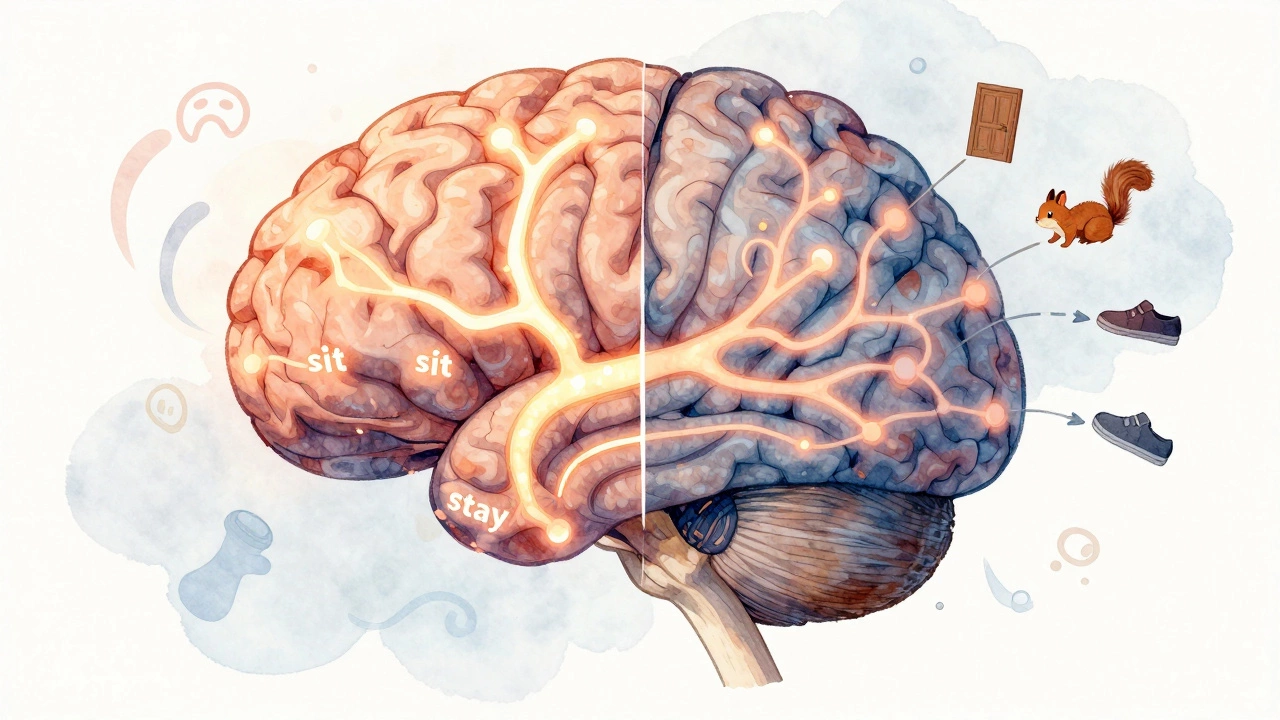
- Memory gaps: Commands learned as a puppy fade if not practiced. Your dog isn’t being rude - their brain is pruning unused neural pathways.
- Fear periods: Many dogs go through a second fear period around 8-11 months. A dog who loved the vet before might now panic at the sight of the carrier.
These changes are natural. But they’re also the exact moments when training falls apart - because most owners stop. They think, “They’re just being a teenager,” and wait for it to pass. That’s the mistake.
What Happens If You Don’t Train During This Stage
Skipping training between 6 and 18 months doesn’t mean your dog will be “bad.” It means they’ll become harder to manage. Here’s what often happens:
- Jumping on guests becomes a habit, not a phase.
- Leash pulling turns into a full-body workout for you.
- Door dashing leads to near-misses with traffic.
- Resource guarding (growling over food or toys) escalates.
- Reactivity to other dogs becomes fear-based aggression.
These aren’t personality flaws. They’re learned behaviors that got reinforced because no one corrected them. Dogs don’t hold grudges. But they remember what works. If pulling on the leash got them to the park faster, they’ll keep doing it.
By the time your dog turns two, fixing these habits takes months - sometimes years. The same behaviors that were easy to fix at 4 months now require professional help, retraining, and patience.
How to Train During the Hardest Age
You don’t need to start over. You need to adjust your approach.
- Reinforce basics daily: Even if your dog ignores you, ask for sit or stay three times a day. Use high-value treats - boiled chicken, cheese, or freeze-dried liver. Don’t rely on kibble.
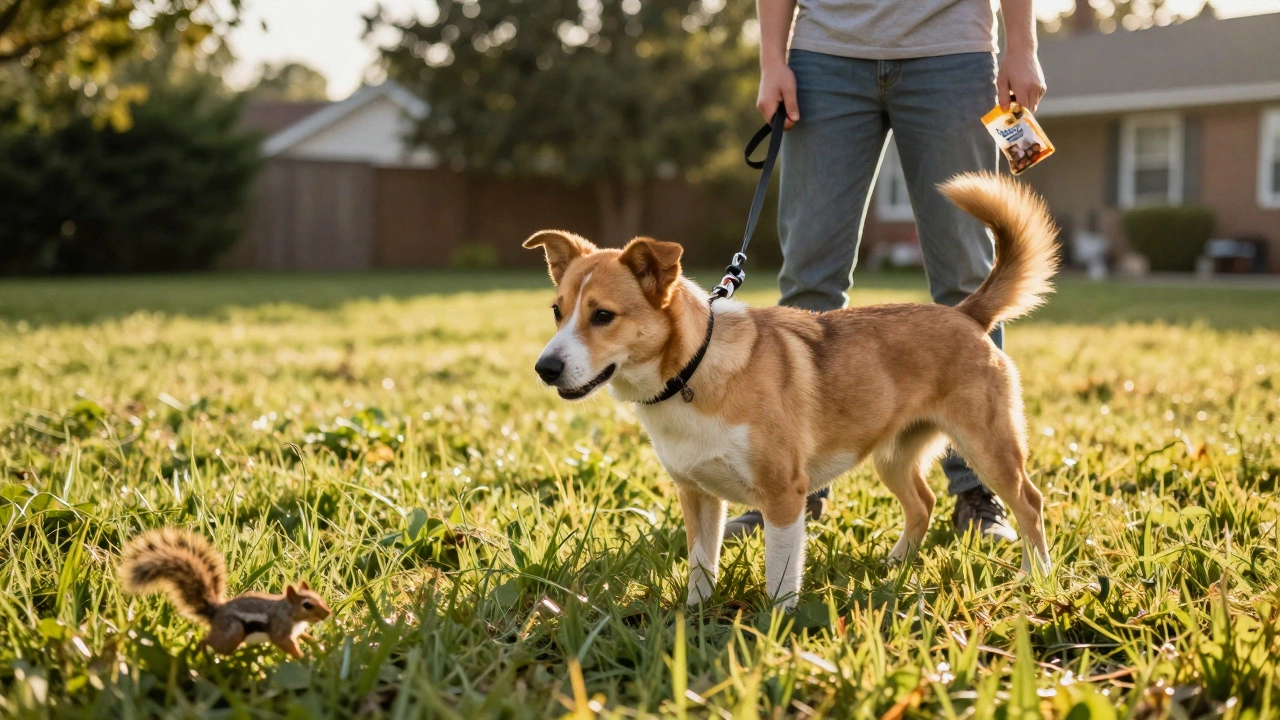
- Manage the environment: If your dog pulls on leash, carry treats and stop walking the moment they pull. Wait for loose leash, then move forward. No yanking. No yelling. Just patience.
- Use time-outs, not punishment: If your dog jumps or bites, turn away. Walk into another room. No eye contact. No talking. They learn that bad behavior = no attention.
- Channel energy: A tired dog is a trained dog. Add 20 minutes of scent games, puzzle toys, or fetch to their routine. Mental exercise burns more energy than physical.
- Practice in distractions: Train in your backyard, then the driveway, then the quiet park. Gradually add noise, people, and other dogs. Don’t jump to the busy street too soon.
Consistency matters more than perfection. You don’t need to train for an hour. Five minutes, three times a day, is enough - if you stick to it.
What to Avoid
Here are the three biggest mistakes owners make during this stage:
- Waiting for it to pass: Training isn’t optional. It’s maintenance. If you stop, your dog learns that commands are suggestions, not rules.
- Using punishment: Yelling, alpha rolls, or shock collars don’t teach. They create fear and mistrust. Your dog will obey out of fear, not understanding.
- Comparing to other dogs: Every dog develops at their own pace. A German Shepherd might calm down at 14 months. A Border Collie might not settle until 24. Your dog isn’t behind - they’re just different.
Training isn’t about control. It’s about communication. Your dog isn’t trying to challenge you. They’re trying to figure out what you want.
When to Seek Help
Most dogs improve with consistent, positive training. But if you see any of these, call a certified trainer:
- Aggression toward people or other dogs
- Constant destructive chewing (beyond teething)
- Extreme separation anxiety
- Freezing or cowering in everyday situations
Look for a trainer certified by the Certification Council for Professional Dog Trainers (CCPDT) or the Association of Professional Dog Trainers (APDT). Avoid anyone who uses terms like “dominance,” “alpha,” or “pack leader.” Those are outdated myths.
What Comes After 18 Months
By 18 to 24 months, most dogs settle. Their energy levels stabilize. Their focus improves. They start to understand that following your cues brings rewards - not just treats, but freedom, play, and affection.
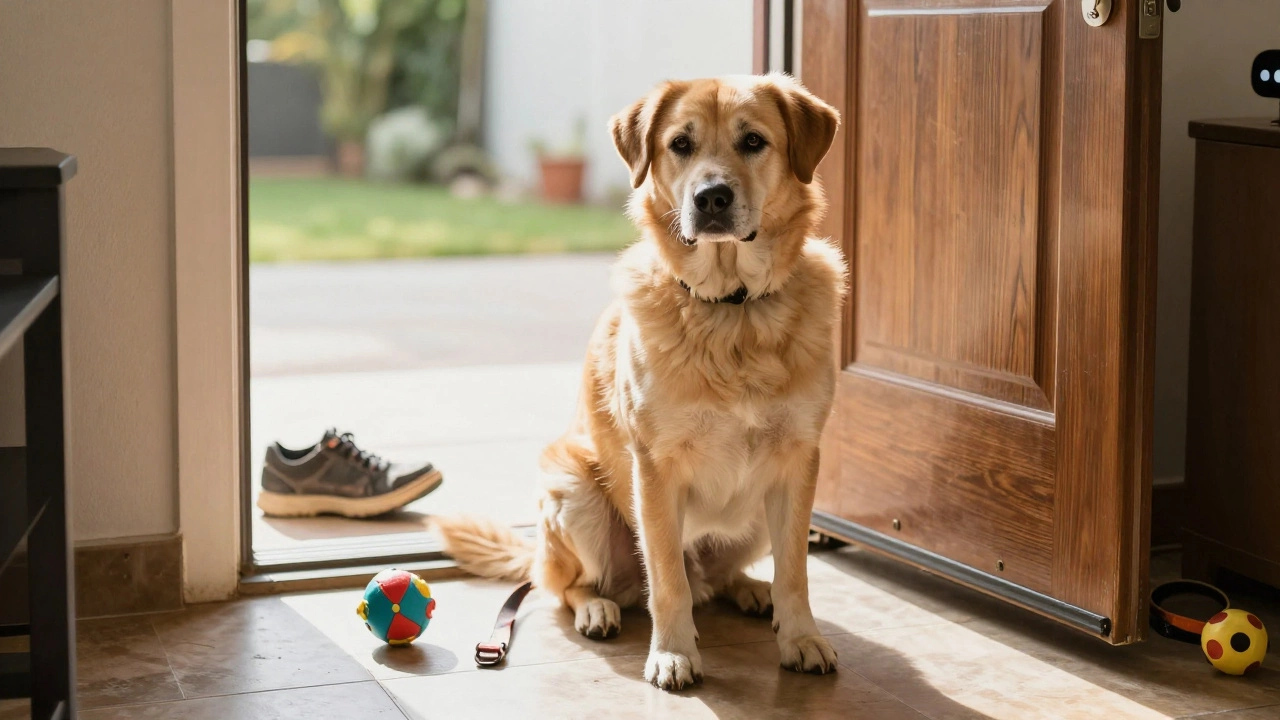
That’s when training becomes rewarding again. You’ll notice your dog checking in with you before chasing a squirrel. They’ll pause before jumping on the couch. They’ll sit quietly when you open the door. That’s not magic. That’s consistency.
Don’t give up during the messy middle. The hardest age isn’t the end of training. It’s the turning point. If you push through, you’ll end up with a dog who’s not just obedient - but truly connected to you.