Choosing the right dog collar isn’t just about style-it’s about safety, comfort, and how well it works in real life. You’ve probably seen two main types: the buckle collar with a plastic or metal clasp, and the snap collar with a quick-release metal hook. But which one actually works better for your dog? The answer isn’t as simple as picking the fancier-looking one. It depends on your dog’s behavior, your daily routine, and even the environment you live in.
How Buckle Collars Work
Buckle collars, also called side-release collars, use a plastic or metal clasp that clicks together when you push the two sides into place. They’re the most common type you’ll find in pet stores. Most are adjustable with multiple holes, so you can fit them snugly around your dog’s neck-just enough to slip two fingers underneath.
These collars are sturdy. If your dog is strong, pulls on the leash, or tends to wiggle out of things, a buckle collar holds up well. They don’t accidentally pop open during playtime or when your dog rubs against a bush. That’s why they’re the go-to for training collars, ID tag holders, and everyday wear.
But here’s the catch: buckle collars take time to put on and take off. If you’re rushing out the door, juggling a leash, a treat bag, and a wriggly pup, fumbling with a buckle can be frustrating. And if your dog has a thick neck or long fur, the clasp can get tangled or hard to reach.
How Snap Collars Work
Snap collars, sometimes called quick-release collars, use a metal or plastic hook-and-loop mechanism. You just pull the two ends apart to open, then snap them shut around your dog’s neck. It’s fast. Like, three-second fast.
That speed is why snap collars are popular among groomers, vets, and people who handle multiple dogs. They’re also great for dogs who need to be put in and out of collars frequently-think rescue dogs, boarding situations, or dogs with medical needs like post-surgery recovery.
But speed comes with risk. Snap collars can open unexpectedly. A dog jumping over a fence, tugging hard on a leash, or even just shaking their head can cause the snap to release. There are real cases of dogs slipping out of snap collars during walks and running into traffic. That’s not a hypothetical danger-it’s documented in veterinary emergency reports.
When Buckle Collars Win
If your dog is:
- Strong or pulls on the leash
- Has a history of escaping or slipping out of collars
- Spends time in busy areas like parks or sidewalks
- Needs to wear an ID tag or medical alert tag permanently
Then a buckle collar is the safer, more reliable choice. The clasp won’t open unless you intentionally press the release buttons. That means less stress for you and fewer near-misses for your dog.
Many professional dog trainers, especially those working with reactive or high-energy breeds, insist on buckle collars. Why? Because they don’t fail when it matters most. A 2023 study from the University of Pennsylvania’s Animal Behavior Lab tracked 1,200 dogs over six months. Dogs wearing buckle collars had 78% fewer accidental escapes than those with snap collars.
When Snap Collars Make Sense
Snap collars aren’t all bad-they just need the right context. They’re ideal for:
- Dogs who are calm and never pull or try to escape
- Home-only dogs who rarely go outside
- Situations where you need to remove the collar quickly-like after bathing or during vet exams
- People with limited hand mobility who struggle with buckles
Some owners use snap collars as a secondary collar for indoor use only, while keeping a buckle collar on for walks. That’s a smart hybrid approach. You get the convenience of a snap collar at home and the security of a buckle collar outside.
Also, newer snap collars have improved designs. Some now include a secondary safety loop or reinforced metal snaps that require two actions to release. These are better than the old-school ones, but still not as fail-safe as a buckle.
What About Safety Breakaways?
You might hear people recommend breakaway collars-those designed to pop open under pressure to prevent choking. They’re often marketed as safer for cats, but some dog owners use them too.
Here’s the problem: breakaway collars are meant for small dogs or cats. If your dog weighs more than 15 pounds and is even mildly active, that collar will open too easily. A dog jumping off a porch or tugging on a leash can trigger it. You’ll end up losing your dog, not saving them.
The American Kennel Club advises against breakaway collars for medium and large dogs unless they’re strictly for indoor use. For most dogs, a properly fitted buckle collar is the safest option.

Fit Matters More Than Type
No matter which collar you choose, fit is everything. A collar that’s too loose can slip off. One that’s too tight can cause skin irritation or even tracheal damage.
Here’s how to check:
- Put the collar on your dog’s neck.
- Slide two fingers under the collar.
- If you can’t fit two fingers, it’s too tight.
- If you can fit more than two fingers easily, it’s too loose.
Check the fit every few weeks, especially with puppies or dogs losing/gaining weight. Fur growth, muscle gain, or seasonal shedding can change how a collar sits.
Real-Life Scenarios
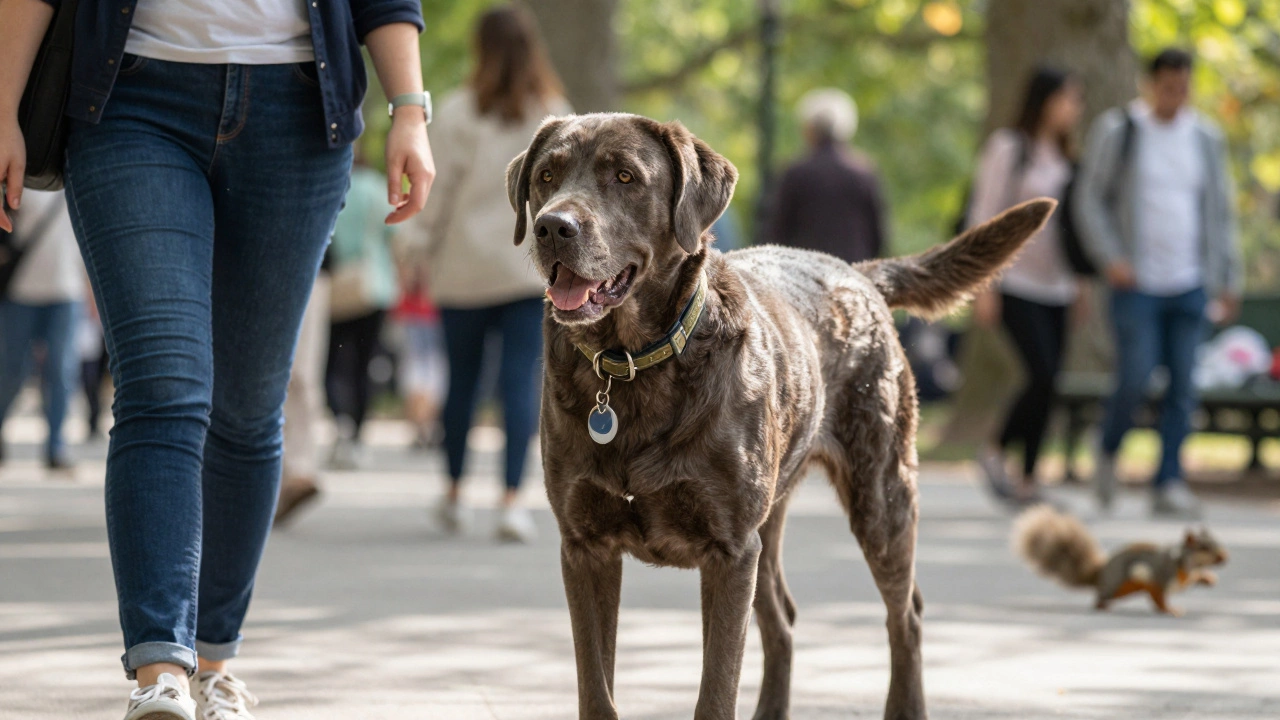
Imagine this: You’re walking your Labrador in a crowded park. A squirrel darts across the path. Your dog lunges. The collar holds. No escape. That’s a buckle collar doing its job.
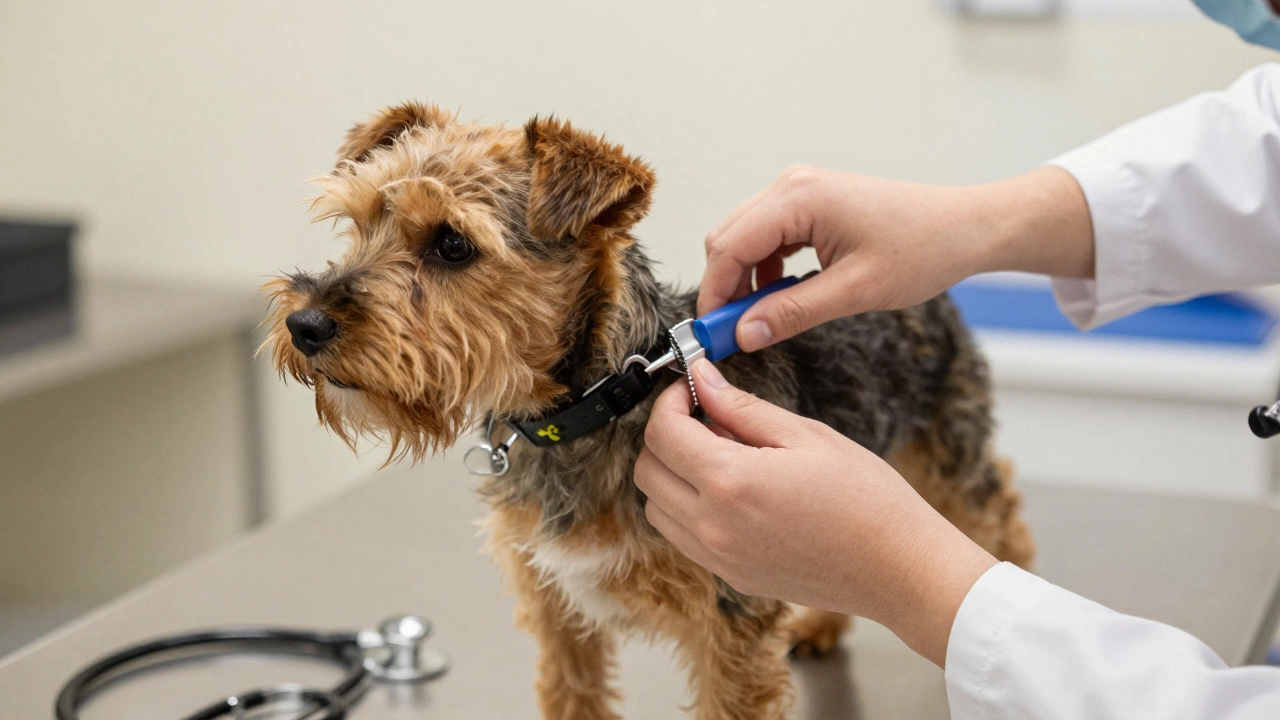
Now imagine this: You’re at the vet’s office. Your anxious terrier is trembling. The vet needs to quickly remove the collar for an exam. You snap it open in one motion. No stress. No fuss. That’s a snap collar working well.
Neither is universally better. It’s about matching the tool to the job.
Bottom Line: Choose Based on Risk, Not Convenience
If your dog is safe around traffic, doesn’t pull, and stays close to you, a snap collar is fine-especially if you value speed. But if your dog has any history of bolting, chasing, or escaping, go with a buckle collar. It’s not about being old-fashioned-it’s about being smart.
Most experts agree: for dogs who go outside regularly, buckle collars are the standard for a reason. They don’t fail silently. They don’t pop open when you least expect it. And they give you peace of mind that your dog won’t vanish in a split second.
Don’t choose based on what’s trendy or what looks cute. Choose based on what keeps your dog safe every single day.
Are snap collars safe for dogs?
Snap collars can be safe for calm, indoor-only dogs who don’t pull or try to escape. But for dogs who walk on leashes, play in parks, or have any escape tendencies, snap collars pose a real risk. They can open unexpectedly during sudden movements, leading to lost or injured dogs. Buckle collars are far more reliable for active or outdoor dogs.
Can a buckle collar hurt my dog?
A properly fitted buckle collar won’t hurt your dog. But if it’s too tight, it can rub the skin, cause hair loss, or press on the trachea. Always check the fit-two fingers should slide easily under the collar. Also, avoid buckles made of cheap plastic that can crack or break under pressure. Metal or high-quality plastic buckles are more durable and safer.
Should I use a buckle collar for a puppy?
Yes, a buckle collar is the best choice for puppies. Puppies are curious, energetic, and often pull on leashes during training. A buckle collar stays secure during tugs and sudden movements. It also holds ID tags securely, which is critical if your puppy ever gets lost. Make sure to check the fit weekly as puppies grow quickly.
What’s the difference between a buckle collar and a martingale collar?
A buckle collar is a standard collar with a fixed clasp. A martingale collar has a loop that tightens gently when pulled, preventing dogs with narrow heads (like Greyhounds or Whippets) from slipping out. Martingales are not meant to replace buckle collars-they’re a specialized type used for specific breeds. Many owners use a buckle collar for everyday wear and a martingale only during walks.
Can I use a snap collar for walking my dog?
You can, but it’s not recommended. Snap collars aren’t designed for leash walking. The risk of accidental release is too high, especially with strong or excitable dogs. For walks, always use a buckle collar. If you need quick removal, consider a second collar for indoor use or switch to a harness for walks.