Puppy Source Red Flag Checker
Answer the following questions based on your interaction with the seller. This tool helps identify potential "red flags" associated with puppy mills.
Основные выводы
- Unsold dogs are often viewed as financial liabilities rather than living beings.
- Many 'surplus' dogs end up in overburdened rescue systems or face euthanasia.
- Breeding dogs (the parents) face the bleakest fate once they can no longer produce.
- Strict regulations and consumer choices are the only way to break this cycle.
The Business of "Surplus" Puppies
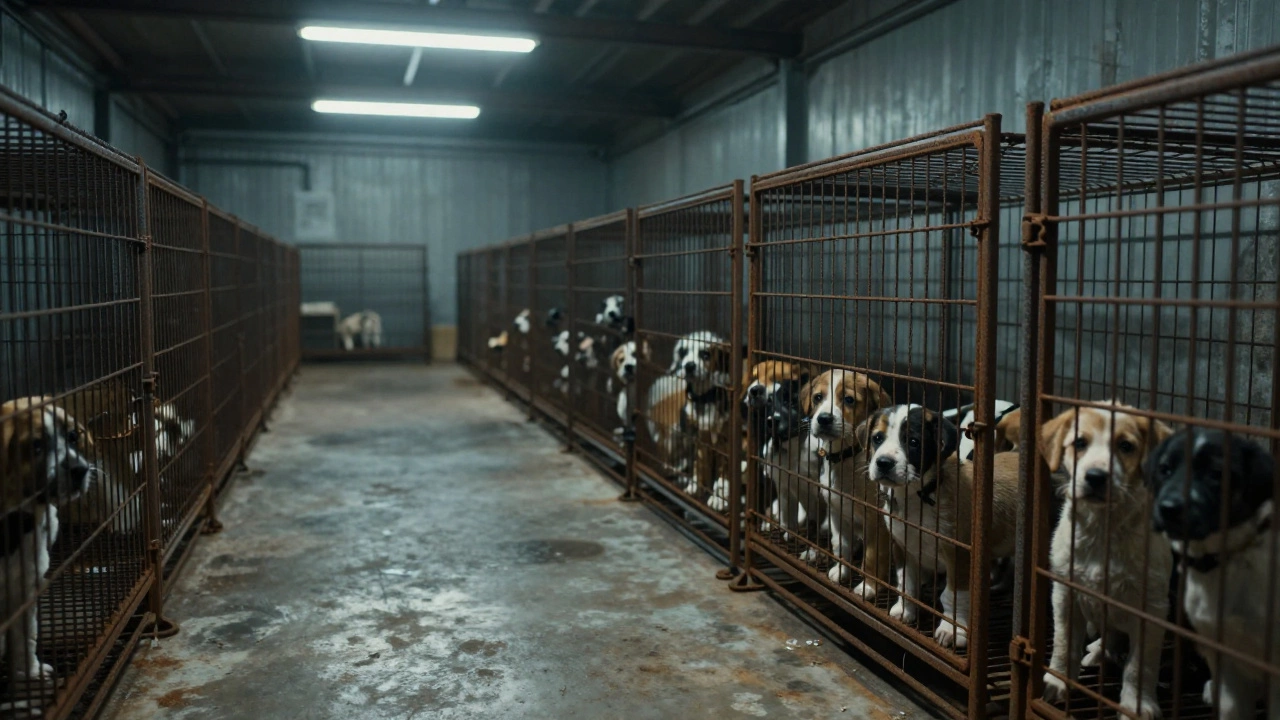
In a commercial operation, the goal is maximum turnover. Puppies are most marketable when they are between 8 and 12 weeks old. Once they hit the 4-month or 6-month mark, they become harder to sell. They require more food, more space, and they aren't as "cute" to an impulsive buyer. Puppy Mills is a type of large-scale commercial dog breeding operation where profit is prioritized over the health and wellbeing of the animals. In these facilities, an unsold dog is a drain on the profit margin.
What happens next depends on the breeder's level of cruelty. Some may drop the price significantly, which often attracts buyers who aren't prepared for the behavioral issues these dogs have. Others simply stop providing basic care, leaving the dogs in crates with minimal food and water until they either die or are disposed of. It is a grim reality where the living creature is treated like a defective piece of hardware.
The Path to Rescue and Shelters
When a mill decides to "clear out" their inventory, they rarely take the dogs to a high-end clinic. Instead, they often dump them at local Animal Shelters, which are facilities that provide temporary care for homeless, lost, or abandoned animals. Imagine a shelter already at 110% capacity suddenly receiving 40 dogs from a single mill. This creates a crisis for the staff and the animals.
These dogs aren't just physically frail; they are psychologically broken. Because they spent their first few months in a cage without human interaction, they often suffer from what rescuers call "kennel syndrome." They might cower in corners, fear the sound of a human voice, or struggle to understand how to walk on a leash. The transition from a mill to a shelter is often just a change from one cage to another, and for many, the shelter is where they wait for a death sentence if they aren't adopted quickly.
| Feature | Puppy Mill (Commercial) | Ethical Breeder |
|---|---|---|
| Unsold Puppy Fate | Dumped at shelters or euthanized | Returned to breeder or vetted home |
| Parent Dog Care | Caged for life until "spent" | Live as pets in the home |
| Health Screening | Minimal to none | Genetic and health testing |
| Socialization | Isolated in cages | Raised with humans and other dogs |
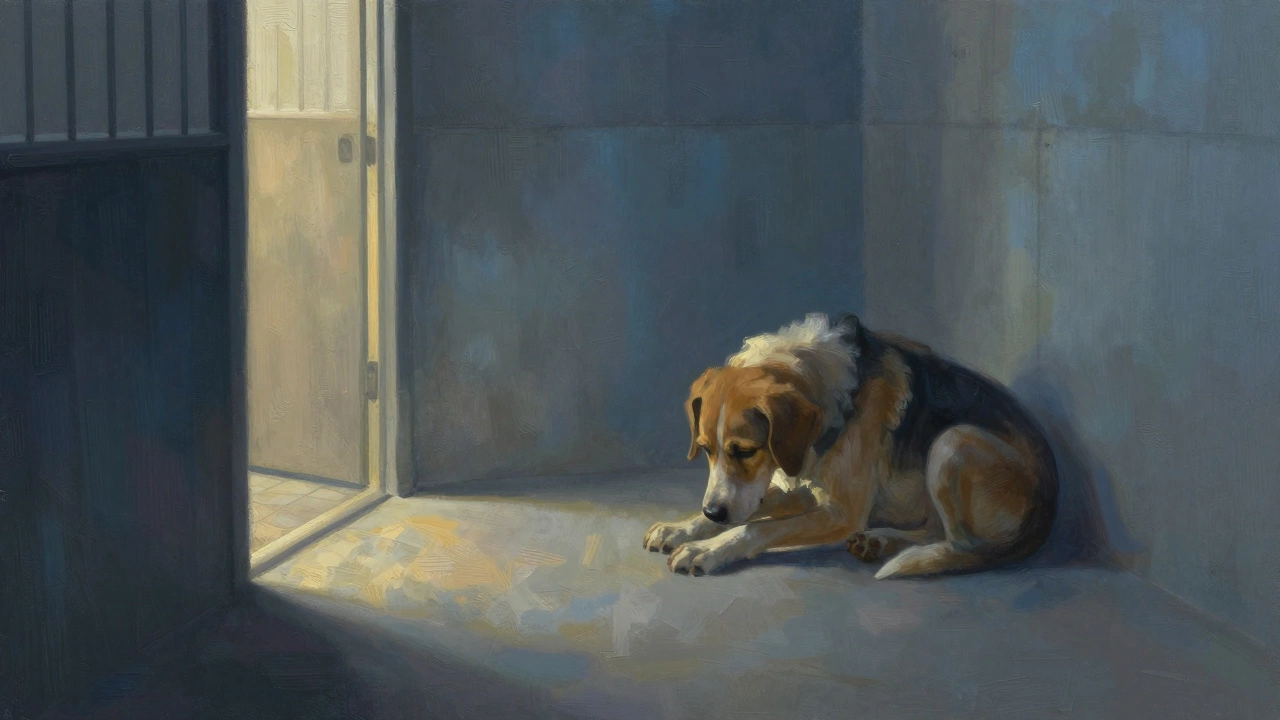
The Tragedy of the Breeding Parents
While puppies get the headlines, the adults are the real victims. The Dam (the mother) and the sire (the father) are the engines of the mill. Once a female dog has had too many litters-often five to ten in a few years-her body gives out. She may develop Pyometra, which is a serious uterine infection common in unspayed dogs, or suffer from severe mammary tumors.
When these dogs are no longer "productive," the breeder has no incentive to keep them. They are often euthanized on-site or abandoned in remote areas. In some cases, they are sold as "retired" dogs to unsuspecting buyers without any medical history, meaning the new owner inherits a dog with chronic health issues and zero socialization. It is a heartbreaking end to a life spent in a cage.
How to Spot a Mill in Disguise
Nowadays, mills don't always look like muddy fields with rusty cages. Many use Broker Websites to hide the truth. These sites use stolen photos of happy puppies in living rooms to trick you into thinking you're buying from a home breeder. But if you look closely, the red flags are there.
Ask yourself: Can I visit the place where the puppy was born? If the answer is a firm "no" or if they offer to meet you in a parking lot, you're likely dealing with a mill. Do they have puppies from five different breeds available at once? No single ethical breeder does that. They focus on one or two breeds they know inside and out. When a seller pressures you to "buy now or lose the puppy," they are treating the animal like a limited-time offer on a website, not a living being.

The Role of Animal Rescue Organizations
Thankfully, there are groups fighting back. Animal Rescue organizations are non-profit groups that rescue animals from shelters and mills to find them forever homes. These organizations do the heavy lifting of rehabilitating mill survivors. This process isn't fast; it takes months of patience to teach a dog that a hand reaching out is for petting, not for hitting.
Rescuers often coordinate "saves," where they buy out entire litters from a mill to shut them down or work with law enforcement to raid illegal operations. These dogs require extensive veterinary care, including vaccinations and spaying/neutering, which is why these organizations rely so heavily on donations. Every time you adopt a "mill dog," you are effectively stealing a customer from the industry.
Breaking the Cycle of Demand
The only way to stop the tragedy of unsold dogs is to kill the demand. As long as people want a "purebred" dog delivered to their door without questioning the source, mills will exist. We need to shift our mindset from buying a dog as a luxury product to seeing it as a lifelong commitment. This means embracing "mutts" or supporting local rescues.
If you are set on a specific breed, find a breeder who lets you meet the mother, shows you the weaning area, and asks you a dozen questions about your lifestyle before they even consider selling you a puppy. Ethical breeders care more about where the puppy goes than how much money they make. If a breeder is too eager to take your money, they are probably thinking about the profit margin, not the dog's future.
Why don't puppy mill owners just give the dogs away?
Because puppy mills are businesses. Giving dogs away for free takes time and effort to find a safe home, which doesn't generate profit. Dumping them at a shelter is faster and costs the breeder nothing, even though it puts the burden on the public tax-funded system.
Are all puppy mills illegal?
Not necessarily. Many operate under legal business licenses but treat the animals with the absolute minimum care required by law. The laws in many regions are outdated and don't forbid the kinds of psychological torture or neglect that happen daily in these facilities.
How can I tell if a puppy came from a mill?
Look for signs of poor health like runny eyes, lethargy, or an unusually small size for their age. Behaviorally, mill puppies are often overly timid or, conversely, hyper-aggressive because they haven't been socialized with other dogs or humans.
What is the best way to help dogs in these situations?
The most effective way is to "Adopt, Don't Shop." If you must buy, do exhaustive research on the breeder. Supporting legislation that bans commercial breeding and increases penalties for animal cruelty also helps create long-term change.
Can mill dogs ever become normal pets?
Yes, but it requires a lot of patience. With positive reinforcement training and a stable environment, most mill dogs can learn to trust humans. Some may always have "quirks," like a fear of loud noises, but they can still find immense happiness in a loving home.