Dog Holiday Happiness Calculator
Answer these questions based on your dog's personality and your planned trip to see how they might react.
Result
Verdict
Loading...
Fill out the form to see if your dog is ready for adventure!
The Truth About Canine Vacations
It’s easy to assume that because you’re excited about a beach getaway or a mountain hike, your dog is just as thrilled. After all, they get to go outside, sniff new things, and spend uninterrupted time with you. But the reality of dog friendly holidaystrips where pets are welcome accommodations is more complex than packing their favorite toy and hitting the road.
Dogs are creatures of habit. Their sense of security comes from routine, familiar scents, and predictable environments. When you disrupt that rhythm for a week-long trip, you aren’t just taking them on an adventure; you’re upending their entire world. The question isn’t just whether they *can* go-it’s whether they actually *enjoy* it. Some dogs thrive on the novelty, while others view the car ride itself as a source of pure anxiety.
Reading the Room: Signs Your Dog Is Having Fun
You might think your dog is having the time of their life because they’re wagging their tail when you pack the suitcase. But excitement about preparation doesn’t always equal enjoyment of the experience. To know if your pup is truly enjoying the holiday, you need to look beyond the initial hype and observe their body language during the trip.
- Relaxed Body Posture: A happy dog has a loose, wiggly body. If their muscles are tense, their ears are pinned back, or they’re constantly panting without exertion, they’re stressed.
- Engagement with Environment: Does your dog explore the new surroundings with curiosity? Do they play with other animals or engage with the scenery? Or do they hide under the bed at the rental property?
- Appetite Retention: Stress often kills appetite. If your dog eats their meals normally at the new location, it’s a strong sign they feel safe enough to relax.
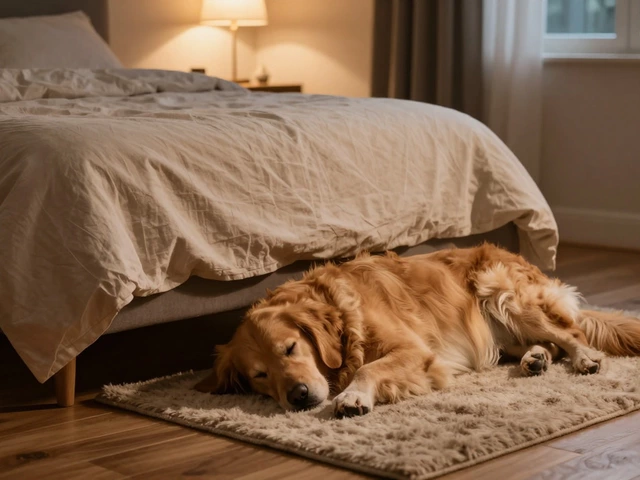
- Sleep Quality: Look for deep, dreamy sleep rather than light, twitchy napping. A dog that sleeps soundly in a strange place trusts their environment.
If your dog exhibits these behaviors, they are likely enjoying the break. They see the holiday as an extension of their daily life, just with better smells and more interesting views. However, if you notice excessive drooling, whining, or attempts to escape, the holiday might be doing more harm than good.
The Science of Canine Stress During Travel
To understand why some dogs hate holidays, we have to look at how they process change. Unlike humans, who can mentally prepare for a trip by looking at photos or reading brochures, dogs live entirely in the present moment. For them, the moment the leash comes out, the context changes instantly.
Research into canine welfare highlights that separation anxietydistress caused by being away from owners or familiar settings is a major factor. Even if you are there every second, the absence of their home scent-their "safe zone"-can trigger cortisol spikes. This hormonal response leads to physical symptoms like diarrhea, vomiting, or loss of coat luster. These aren’t just minor inconveniences; they are physiological signs that the holiday environment is overwhelming their nervous system.
Furthermore, noise sensitivity plays a huge role. Hotels, B&Bs, and campsites come with unfamiliar sounds: crashing waves, barking neighbors, distant traffic, or even the hum of a different refrigerator. For a dog with sensitive hearing, this constant auditory input can be exhausting, leading to burnout after just two days.
Choosing the Right Destination for Your Breed
Not all pet-friendly accommodationslodgings that allow dogs on premises are created equal, and not all destinations suit every breed. Matching your dog’s energy level and temperament to the type of holiday is crucial for their enjoyment.
| Dog Type / Temperament | Ideal Holiday Style | Why It Works | Pitfalls to Avoid |
|---|---|---|---|
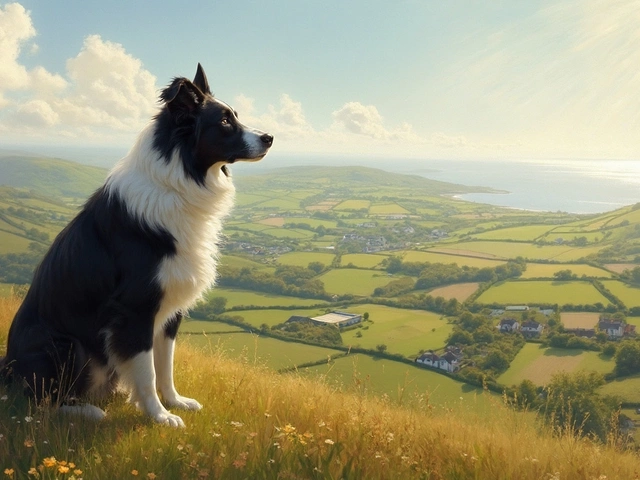
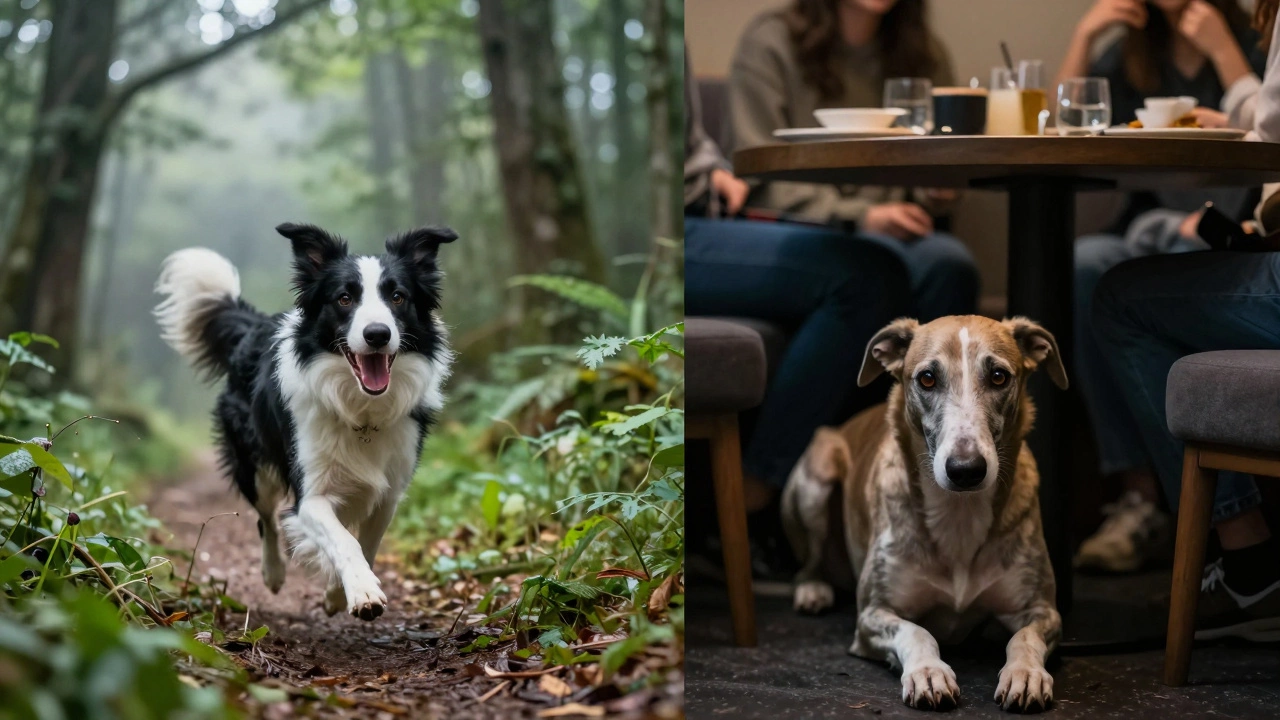
| High Energy (e.g., Border Collie) | Active Camping or Hiking | Allows for extensive exercise and mental stimulation through tracking scents. | Stagnant beach days where they can't run freely. |
| Low Energy / Senior (e.g., Bulldog) | Quiet Countryside Cottage | Peaceful environment with short walks and comfortable indoor spaces. | Crowded city breaks or noisy festivals. |
| Social & Confident (e.g., Labrador) | Resort with Dog Parks | Opportunities for socialization and structured activities. | Isolated locations with no other dogs around. |
| Anxious / Shy (e.g., Greyhound) | Private Rental Home | Controlled environment where they can retreat to a quiet room. | Shared spaces like hostels or busy hotels. |
For example, taking a high-strung rescue dog to a bustling seaside town in July is a recipe for disaster. The crowds, the other dogs, and the noise will likely overwhelm them. Instead, a secluded woodland cabin offers the same "change of scenery" benefit without the sensory overload. Conversely, a lazy couch-potato pug might find a hiking holiday torturous, preferring the comfort of a sofa over miles of uneven terrain.
Preparation: Turning Stress into Routine
The key to making your dog enjoy the holiday lies in what happens before you leave. You can’t force relaxation, but you can build familiarity. Start by introducing elements of the trip into your home weeks in advance.
If you’re going camping, set up the tent in your backyard and let your dog sleep in it for a few nights. If you’re driving, take short practice drives to nowhere specific, rewarding calm behavior with treats. This desensitizes them to the triggers associated with travel. Bring along their usual bed, blanket, or a piece of clothing that smells like home. These familiar scent anchorsitems carrying home odors to reduce anxiety provide a psychological safety net in an unfamiliar place.
Maintain feeding schedules as closely as possible. Don’t switch to exotic local food options for your dog; stick to their regular kibble or diet. Sudden dietary changes combined with environmental stress can lead to gastrointestinal upset, which ruins the holiday for both of you.
When to Leave the Dog at Home
Sometimes, the most loving decision you can make is to keep your dog home. While the trend of bringing pets everywhere is strong, it’s not always appropriate. If your dog has severe separation anxiety, medical conditions requiring strict monitoring, or a history of aggression towards other animals, a holiday might not be the right choice.
In these cases, hiring a trusted dog sitter who stays in your home is often better than boarding or traveling. Your dog remains in their territory, maintaining their routine and scent profile, while you still get your break. Many professional sitters offer packages that include walks and playtime, ensuring your dog feels attended to without the stress of relocation.
Remember, a holiday is supposed to be relaxing for everyone involved. If you find yourself spending the entire trip managing your dog’s panic attacks, cleaning up accidents, or worrying about their safety, it’s not a vacation-it’s work. Prioritize your dog’s well-being over the desire to share every moment. A happy dog at home is better than a stressed dog on the road.
Tips for a Smooth First Trip
If you’ve decided to take the plunge, start small. Don’t book a two-week international flight for your first attempt. Try a weekend staycation at a nearby hotel or a one-night camping trip close to home. This allows you to gauge your dog’s reaction without the pressure of long-distance logistics.
Always carry a travel kitessential supplies for pet travel that includes:
- Vaccination records and microchip details
- Familiar toys and bedding
- A supply of their regular food and water bowl
- Poop bags and cleaning wipes
- A sturdy leash and collar with ID tags
Be patient. The first night in a new place is usually the hardest. Give your dog space to settle in. Don’t force interaction with strangers or other animals immediately. Let them set the pace. By respecting their boundaries and preparing thoroughly, you increase the chances that your next holiday will be a genuinely enjoyable experience for both of you.
How do I know if my dog is stressed on holiday?
Look for signs such as excessive panting, drooling, pacing, whining, hiding, loss of appetite, or destructive behavior. Physical symptoms like diarrhea or vomiting can also indicate severe stress. If your dog’s ears are pinned back and their tail is tucked, they are likely uncomfortable.
Should I bring my dog’s bed on holiday?
Yes, absolutely. Familiar items like beds, blankets, or toys carry your home scent, which provides comfort and reduces anxiety in new environments. These items act as a psychological anchor for your dog.
Is it better to board my dog or take them on holiday?
It depends on your dog’s temperament. Social, confident dogs often enjoy the novelty of travel. Anxious, shy, or senior dogs may prefer staying home with a sitter who maintains their routine. Always prioritize your dog’s emotional well-being over convenience.
Can dogs get motion sickness on holiday trips?
Yes, many dogs suffer from motion sickness, especially if they are anxious. Symptoms include drooling, yawning, restlessness, and vomiting. Consult your vet for anti-nausea medication if this is a recurring issue, and ensure your dog has a secure, forward-facing position in the vehicle.
What are the best types of holidays for dogs?
The best holidays match your dog’s energy level. Active breeds enjoy hiking or camping where they can run and explore. Low-energy or anxious dogs do better in quiet, private rentals with controlled environments. Avoid crowded, noisy destinations unless your dog is highly socialized.