Puppy Nap & Crate Guide Calculator
Enter details to see personalized advice.
Picture this: your new puppy is curled up in their cozy bed, eyes heavy, breathing slow. They look so peaceful that you hesitate to disturb them. But there’s a question nagging at the back of your mind-should you leave the crate door open or close it for their nap? It might seem like a small decision, but getting it right can make a huge difference in your pup’s sense of security and your own peace of mind.
The short answer is yes, you should generally close the crate door when your puppy naps. Crates are designed to be safe, den-like spaces where dogs feel protected. Closing the door helps reinforce that feeling while preventing accidental escapes or disruptions during rest time. However, how and why you do it matters just as much as the act itself.
Why Closing the Crate Door Helps Your Puppy Sleep Better
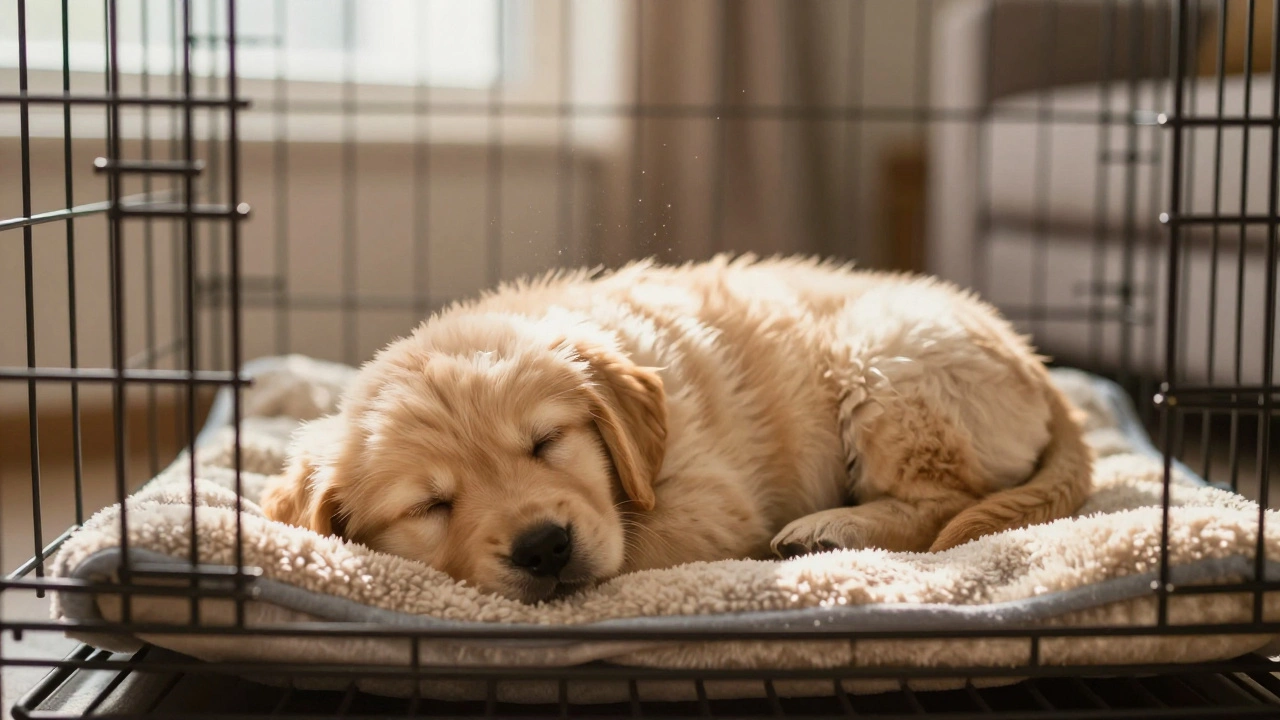
Dogs are naturally den animals. In the wild, they seek out enclosed spaces to rest because these spots offer protection from predators and harsh weather. Domesticated puppies still carry those instincts. When you close the crate door, you’re tapping into that primal comfort zone.
- Safety First: An open crate invites curiosity-and sometimes chaos. Puppies explore with their mouths, paws, and noses. If the door is left ajar, they may wander off mid-nap, chew something dangerous, or fall asleep somewhere unsafe.
- Better Rest Quality: A closed crate minimizes distractions. No sudden noises, no passing footsteps, no other pets interrupting their slumber. This leads to deeper, more restorative sleep-which is crucial for growing pups.
- Positive Association: Over time, your puppy learns that being crated equals relaxation and downtime. The consistency builds trust between you and your pet.
Think of it like putting on noise-canceling headphones before bed-it doesn’t stop all sound, but it creates a buffer that lets you unwind fully.
When Not to Close the Crate Door (And What to Do Instead)
While closing the crate door is usually best, there are exceptions. For example, if your puppy is brand-new to crate training and seems anxious about confinement, forcing the door shut could create negative associations. Here’s what to watch for:
- Panting, Whining, or Scratching: These signs suggest discomfort or fear. Don’t force closure yet-work on building positive feelings first.
- First Few Days Only: During initial introduction phases, let the puppy enter and exit freely. Reward calm behavior inside without locking them in.
- Medical Concerns: If your vet has advised against prolonged confinement due to health issues, follow their guidance instead.
In such cases, use treats, toys, and gentle praise to encourage voluntary crate entry. Gradually increase duration once your pup appears relaxed and curious rather than stressed.
How Long Should Your Puppy Nap in Their Crate?
Nap length varies by age, breed, and individual temperament. Generally speaking:
- 8-16 Weeks Old: Most puppies need 18-20 hours of total sleep per day, including multiple naps. Each session lasts anywhere from 30 minutes to two hours.
- 4-6 Months Old: Total sleep drops slightly to around 14-18 hours daily, with longer stretches possible.
- Over 6 Months: Adult-sized breeds begin approaching adult sleep patterns (~12-14 hours), though many still enjoy afternoon naps.
If your puppy wakes up crying after only 15-20 minutes, consider whether they’ve had enough bathroom breaks, mental stimulation, or physical exercise earlier in the day. Overtiredness often manifests as fussiness upon waking.
| Puppy Age | Total Daily Sleep | Average Nap Length |
|---|---|---|
| 8-16 weeks | 18-20 hours | 30 min - 2 hrs |
| 4-6 months | 14-18 hours | 1-3 hours |
| 6+ months | 12-14 hours | Varies widely |
Crate Setup Tips for Comfortable Napping
Your goal isn’t just to contain your puppy-it’s to give them a place they genuinely love spending time in. Start with proper setup:
- Size Matters: Choose a crate large enough for standing, turning, and lying down comfortably-but not so big that they designate one corner as a toilet area. Adjustable dividers work great for growing pups.
- Soft Bedding: Use washable blankets or orthopedic pads tailored to your breed’s joint needs. Avoid loose strings or fabric scraps that pose choking hazards.
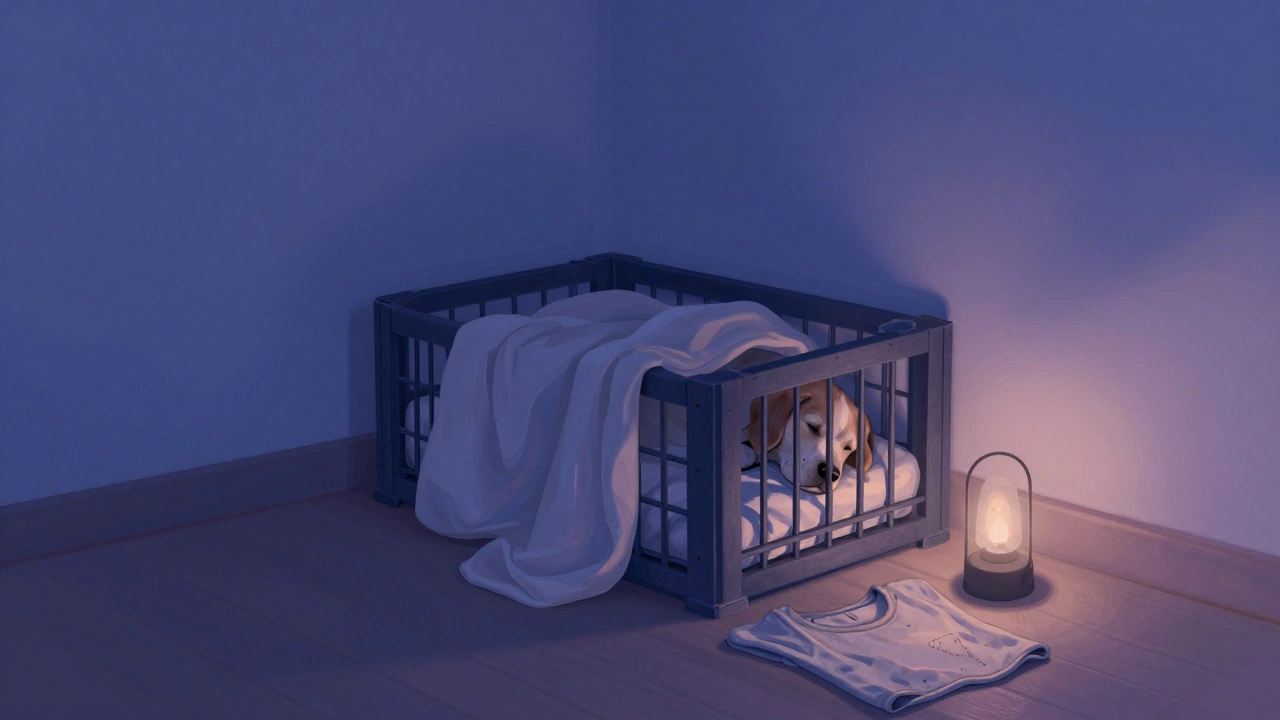
- Quiet Location: Place the crate in a low-traffic area away from direct sunlight, drafts, or loud appliances. Bedrooms often provide ideal companionship levels for young dogs.
- Familiar Smells: Include an item scented with your presence (like a worn t-shirt) to ease separation anxiety.
A well-prepared crate becomes more than furniture-it turns into a sanctuary.
What If My Puppy Refuses to Stay Inside?
Resistance happens. Some puppies test boundaries, others simply haven’t learned patience yet. Try these strategies:
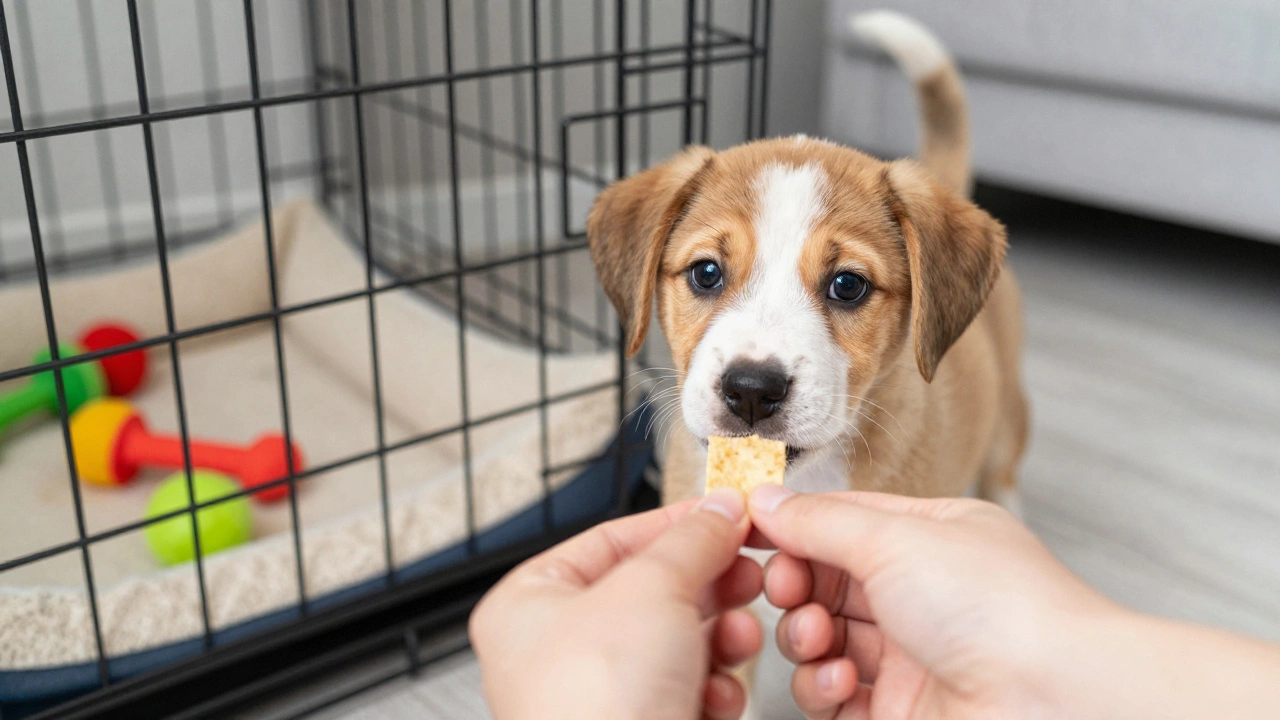
- Food Motivation: Toss high-value treats into the crate regularly-even when not expecting them to stay long. Build excitement around entering.
- Gradual Desensitization: Begin with seconds-long closures, slowly extending durations over days. Celebrate success with verbal praise and rewards.
- Consistent Routine: Feed meals near or inside the crate. Establish predictable times for crate use so expectations become clear.
- Patience Above All: Never punish your puppy for whining or scratching. That reinforces stress rather than teaching calmness.
Remember: progress takes time. Even experienced trainers agree that mastery typically requires 2-4 weeks of consistent effort.
Common Mistakes to Avoid During Crate Training
Even loving owners slip up occasionally. Watch out for these pitfalls:
- Using the Crate as Punishment: Dogs associate places with emotions. Turning the crate into a timeout spot ruins its reputation as a safe haven.
- Ignoring Early Warning Signs: Excessive drooling, trembling, or refusal to eat inside signals distress. Adjust your approach accordingly.
- Forcing Too Much Too Soon: Rushing through steps causes setbacks. Slow progression yields better results.
- Neglecting Exercise Needs: A tired puppy sleeps better. Ensure adequate playtime and walks throughout the day.
Mistakes aren’t failures-they’re learning opportunities. Observe, adapt, repeat.
Final Thoughts: Trust the Process
Closing the crate door during naps supports both your puppy’s development and your household harmony. Done correctly, it fosters independence, improves sleep quality, and strengthens your bond. Just remember to tailor your methods to your unique companion’s personality and pace.
Every successful trainer started exactly where you are now-with questions, doubts, and hopes for improvement. Keep going. Your efforts today shape tomorrow’s confident, content canine friend.
Is it okay to leave the crate door open while my puppy naps?
Leaving the crate door open during naps increases risks of escape, injury, or poor sleep hygiene. Closed doors promote safer, quieter environments unless your puppy shows significant anxiety or resistance.
How do I know if my puppy is comfortable in the crate?
Look for relaxed body language, soft eye contact, occasional stretching, and quiet vocalizations. Stress indicators include panting, pacing, excessive whining, or attempts to bolt.
Can I put music in the background while my puppy naps in the crate?
Yes! Calming classical music, white noise machines, or specially composed pet relaxation tracks can mask disruptive sounds and soothe nervous systems. Test volume carefully to avoid overwhelming sensitive ears.
What should I do if my puppy cries every time I close the crate door?
Start shorter sessions, reward calm behavior immediately outside the crate, and gradually extend confinement periods. Ignore attention-seeking cries temporarily, ensuring basic needs are met beforehand.
Do older dogs benefit from crate napping too?
Absolutely. Senior dogs appreciate designated resting zones free from household foot traffic. Crates help manage arthritis pain, reduce confusion, and maintain routine stability.