Maryland Store Pet Policy Checker
Select your animal's status and the type of store you wish to enter to see the likely policy.
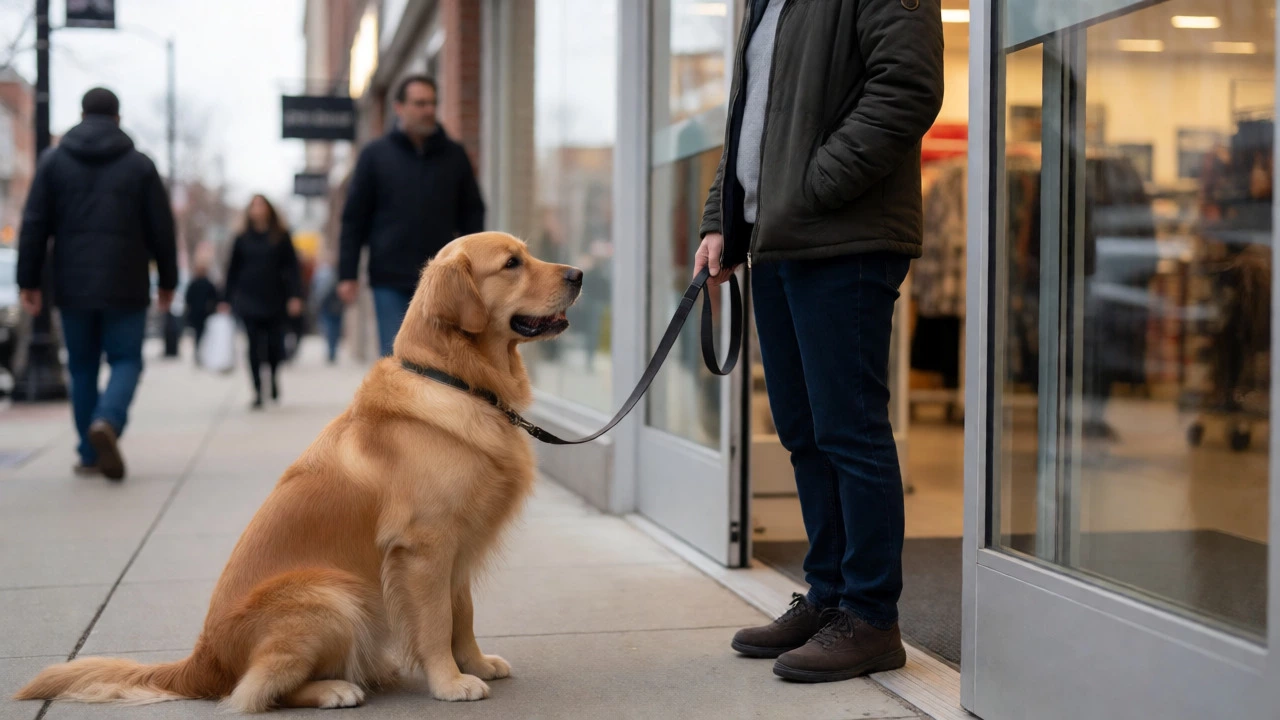
You’re standing outside a big-box retailer in Baltimore or maybe a boutique in Bethesda, leash in hand, wondering if you can bring your pup inside. It’s a common dilemma for Maryland residents. The short answer? There is no single statewide law that says "yes" or "no" to dogs in every store. Instead, it’s a patchwork of state health codes, local county ordinances, and individual business policies. If you’ve ever been asked to leave a Target with your tail between your legs (or your dog’s), you know the frustration. But understanding the rules can save you time and embarrassment.
The State Law vs. Business Rights
Here is the core conflict: Maryland state law protects Service Animals under the Americans with Disabilities Act (ADA) and state-specific statutes, but it does not mandate access for pets in private businesses. This means a grocery store owner has the legal right to ban all non-service animals from their premises. However, many retailers choose to be more welcoming than the law requires. The key distinction lies in whether the animal is trained to perform tasks for a person with a disability or is simply a companion. Without that specific training documentation or visible harness, most managers will default to the "no pets" rule to avoid liability and hygiene complaints.
| Store Type | Typical Policy | Exception Notes |
|---|---|---|
| Grocery Stores | No Pets Allowed | Health code restrictions usually apply strictly here. |
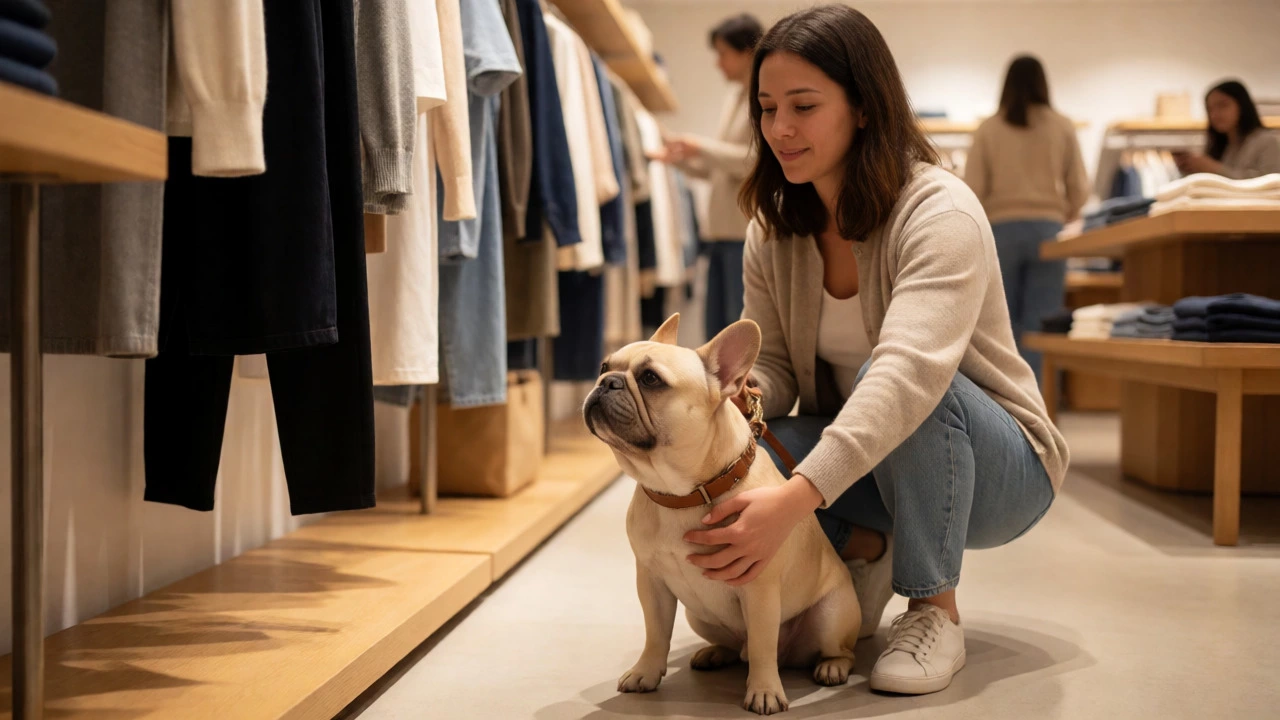
| Clothing Boutiques | Manager Discretion | Often allow small, well-behaved dogs on leashes. |
| Pet Supply Stores | Pets Welcome | Specific zones may exclude aggressive breeds. |
| Farmers Markets | Varies by Vendor | Outdoor areas are generally more permissive. |
Understanding Service Animal Regulations
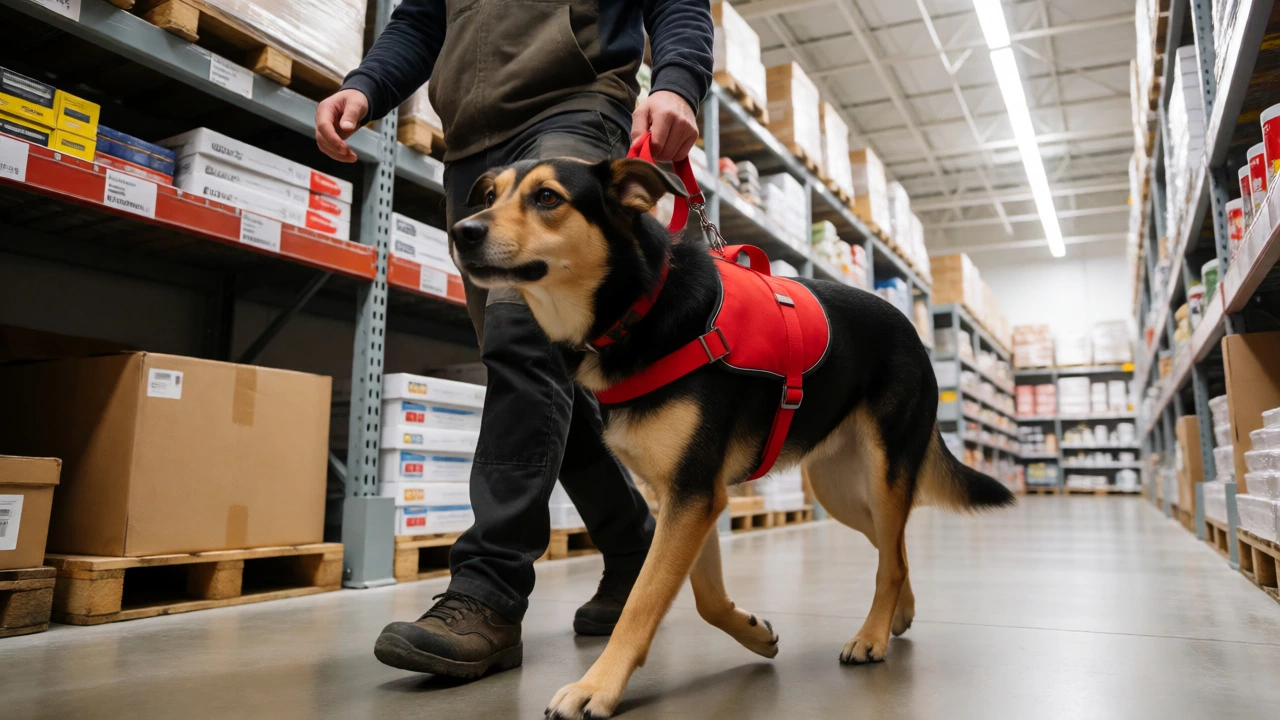
If you rely on a service dog, your rights are much stronger. In Maryland, Public Accommodations must permit service animals to accompany individuals with disabilities in all areas where the public is normally allowed. This includes restaurants, hotels, and retail stores. The definition of a service animal is strict: it must be a dog (or sometimes a miniature horse) individually trained to do work or perform tasks for an individual with a disability. Emotional support animals (ESAs), despite their therapeutic benefits, do not qualify as service animals under the ADA. Consequently, a shopkeeper can legally ask an ESA handler to remove the dog if they have a "no pets" policy, whereas they cannot do so for a genuine service dog.
Store employees are limited in what they can ask. They can only inquire about two things: first, whether the dog is required because of a disability, and second, what work or task the dog has been trained to perform. They cannot ask for proof of certification or demand that the dog demonstrate its task. If you encounter resistance, knowing these specific questions helps de-escalate the situation quickly. Remember, the burden of behavior falls on the handler; if a service dog is out of control or not housebroken, the business can request its removal.
Local County and City Variances
Maryland’s counties add another layer of complexity. While state law sets the baseline, local jurisdictions like Montgomery County and Baltimore City often have stricter health department regulations regarding animals in food establishments. For instance, some cities prohibit any animals, even service dogs, from entering areas where food is prepared or served, unless there is a separate outdoor seating area. This creates a confusing landscape where a dog might be welcome in the clothing section of a department store but banned from the café within the same building.
Baltimore City, for example, has historically had tighter controls on animals in public spaces compared to suburban counties like Howard or Anne Arundel. Always check local ordinances if you plan to visit multiple locations. A quick search for "[City Name] health code animals in retail" can provide clarity before you head out. Ignoring these local nuances can lead to fines for the business owner, which makes them hesitant to bend the rules for pet owners.
How to Identify Dog-Friendly Businesses
So, how do you find places that actually want your dog? You don’t have to guess. Several indicators signal a pet-friendly environment. Look for signage at the entrance featuring paw prints or explicit "Pets Welcome" decals. Many independent boutiques in neighborhoods like Fells Point in Baltimore or Clifton Park in Annapolis actively court dog owners because they drive foot traffic. These businesses often provide water bowls or treat jars near the register.
Digital tools are also your best friend. Apps like BringFido or Yelp reviews often contain recent user comments about pet policies. A review from last month stating "They let my Golden Retriever in!" is far more reliable than a generic website description. Additionally, national chains have varying corporate policies. While Target and Walmart generally prohibit pets nationwide due to health concerns, exceptions exist based on franchise ownership or local manager discretion. Conversely, home improvement stores like Home Depot often allow dogs, provided they are leashed and well-behaved, making them popular spots for weekend shopping trips with pups.
Etiquette for Shopping with Your Dog
Even if a store allows dogs, your behavior determines whether you’ll be welcomed back. First, keep your dog on a short leash. Long retractable leashes can snag on displays or trip other shoppers. Second, ensure your dog is vaccinated and current on flea and tick prevention. No one wants to browse shirts while dealing with a flea-ridden neighbor.
- Leash Control: Keep the leash taut enough to prevent wandering into aisles.
- Clean Up: Accidents happen. Have bags ready and clean up immediately.
- Vaccination Proof: Carry a copy of rabies tags in case management asks.
- Respect Boundaries: If a customer looks uncomfortable, give them space.
Avoid bringing dogs into high-risk zones like pharmacies or fresh produce sections, even if technically allowed. The smell of meat or the presence of open food containers can trigger instinctual behaviors that lead to messes. If your dog tends to bark at strangers or jump on people, consider leaving them at home or using a carrier if the store permits it. A calm dog is a welcome guest; a chaotic one becomes a liability.
What to Do If You’re Asked to Leave
If a manager asks you to remove your dog, stay polite. Arguing rarely changes minds and can escalate tension. Ask if there is a designated waiting area or if they offer curbside pickup. Sometimes, the issue isn’t the dog itself but a specific incident or fear among staff. Offering to step outside briefly can resolve misunderstandings. If you believe your service animal rights were violated, document the interaction-note the employee’s name, time, and location-and file a complaint with the business’s corporate office or the local health department if necessary.
Ultimately, shopping with your dog in Maryland is possible, but it requires preparation. Know the difference between service animals and pets, respect local health codes, and always prioritize good manners. By doing so, you help maintain positive relationships between retailers and the pet-owning community, ensuring more doors remain open for you and your four-legged friends in the future.
Are emotional support animals allowed in Maryland stores?
Generally, no. Under the Americans with Disabilities Act (ADA), emotional support animals are not considered service animals. Therefore, private businesses in Maryland can legally deny entry to ESAs if they have a "no pets" policy, unlike certified service dogs which must be accommodated.
Can I bring my dog into a grocery store in Maryland?
Most major grocery chains prohibit non-service animals due to state health codes regarding food handling. However, some smaller markets or farmers' markets may allow dogs, especially in outdoor sections. Always check the specific store's posted policy before entering.
Does Maryland require dogs to wear vests in public?
No, Maryland law does not require service dogs to wear vests or identification cards. However, wearing a vest can help reduce confusion and questions from store staff and other customers, making the shopping experience smoother for everyone.
What happens if my dog causes damage in a store?
You are liable for any damage your dog causes. This could include broken merchandise or cleaning fees for accidents. If the damage is significant, the store may charge you directly or withhold your deposit if applicable. Good insurance coverage for pet owners can help mitigate these costs.
Are there specific counties in Maryland that are more dog-friendly?
While policies vary by business rather than county, urban centers like Baltimore City and Montgomery County tend to have more independent businesses that explicitly advertise pet-friendly environments. Suburban areas may have fewer options, so checking online reviews beforehand is crucial.