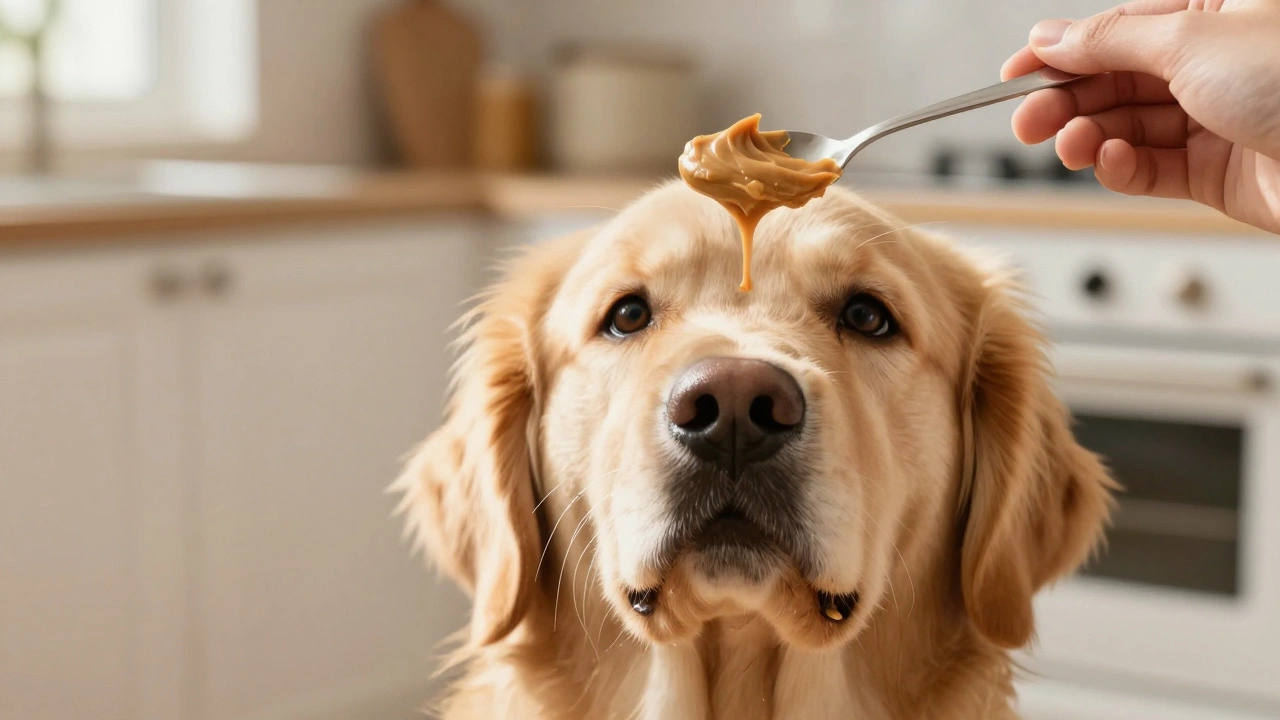
That look. You know the one. Your dog stares at you with wide, hopeful eyes while you spread that creamy, salty goodness on a spoon. It’s irresistible to us, but is it safe for them? The short answer is yes, most dogs can eat peanut butter. In fact, it’s a favorite treat among veterinarians and trainers alike because it’s sticky enough to keep a pup busy for ten minutes and usually packed with healthy fats.
However, there is a massive catch. One specific ingredient found in many human-grade brands can be lethal to your dog within hours. Before you hand over that jar, you need to understand exactly what makes peanut butter safe, what makes it dangerous, and how much is actually too much.
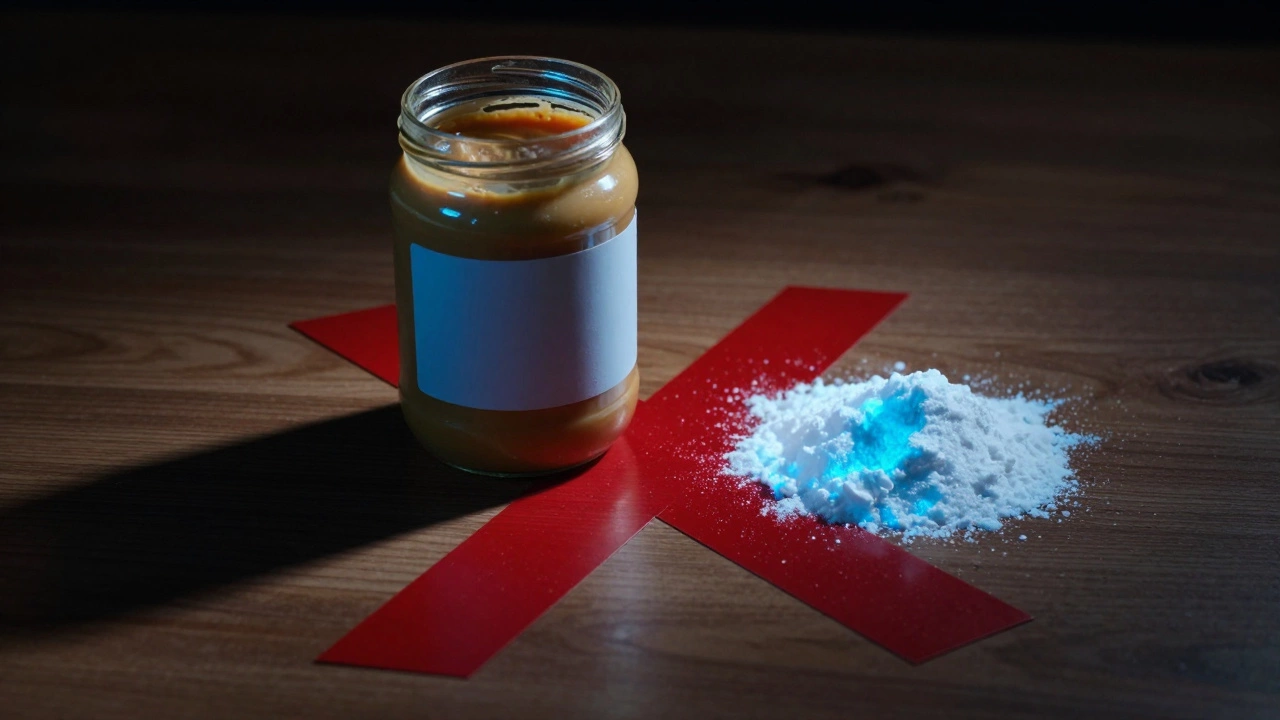
The Silent Killer: Xylitol Warning
Why is xylitol dangerous for dogs?
Xylitol triggers a rapid release of insulin in dogs, causing their blood sugar to crash dangerously low (hypoglycemia). This can lead to weakness, seizures, collapse, and acute liver failure.
If you take away only one thing from this article, let it be this: check the label for Xylitol is a sugar alcohol used as a sweetener in many 'sugar-free' or 'diet' foods. While humans metabolize xylitol safely, it causes a massive spike in insulin production in dogs. This leads to a rapid drop in blood sugar, known as hypoglycemia, which can happen within 10 to 60 minutes of ingestion.
The danger doesn’t stop there. High doses of xylitol can also cause severe liver failure. Symptoms of xylitol poisoning include vomiting, loss of coordination, lethargy, and seizures. If you suspect your dog has eaten peanut butter containing xylitol, do not wait for symptoms to appear. Contact your veterinarian or an emergency animal hospital immediately. Bring the jar with you so they can see the concentration of the toxin.
Not all brands use xylitol, but its popularity has grown in recent years due to marketing claims about dental health and lower calorie counts. Always scan the ingredient list. If you see "xylitol," "birch sugar," or "magnesium sulfate" (sometimes used alongside it), put the jar back.
Nutritional Breakdown: What’s Actually Inside?
When you strip away the additives, peanuts are legumes, not nuts, and they offer some genuine benefits for canine diets. They are rich in protein, which supports muscle maintenance, and contain niacin (Vitamin B3), which aids in energy metabolism. The primary component, however, is fat.
| Nutrient | Amount | Relevance to Dogs |
|---|---|---|
| Calories | ~94 kcal | High density; easy to overfeed |
| Fat | 8g | Healthy monounsaturated fats, but risky for pancreatitis |
| Protein | 4g | Good supplement, but incomplete amino acid profile |
| Sodium | 135mg | Often too high; aim for low-sodium versions |
The fat content is a double-edged sword. Monounsaturated fats are great for skin and coat health, giving your dog that shiny, soft fur we all love. But because peanut butter is so calorie-dense, just two tablespoons can account for a significant portion of a small dog’s daily caloric intake. For larger breeds, it might be a harmless snack, but for a Chihuahua or a Dachshund, it’s a meal replacement that leaves no room for their actual kibble.
Additionally, many commercial brands add salt and hydrogenated oils. Salt is fine in tiny amounts, but excessive sodium can lead to increased thirst and urination, or worse, sodium ion poisoning in sensitive dogs. Hydrogenated oils contain trans fats, which offer no nutritional benefit and can contribute to inflammation and heart issues over time.
Choosing the Right Jar for Your Dog
Not all peanut butter is created equal. When shopping for a dog-safe option, you’re looking for simplicity. The ideal ingredient list should have only one or two items: peanuts, and possibly salt or oil.
- Natural or Organic: These brands typically avoid artificial preservatives and flavors. Look for jars where the oil separates from the solids; this indicates a lack of stabilizers like hydrogenated oils.
- No Added Sugar: Dogs don’t need sucrose or high-fructose corn syrup. These ingredients contribute to obesity and dental decay without providing any health benefits.
- Low Sodium: Human peanut butter is often quite salty. Seek out "no salt added" or "low sodium" varieties to protect your dog’s kidneys and cardiovascular system.
- Smooth vs. Crunchy: Smooth is generally safer and easier to digest. Crunchy peanut butter contains small pieces of hard shell or nut fragments that could pose a choking hazard or cause gastrointestinal irritation in small dogs.
Avoid flavored varieties like honey-roasted, chocolate-hazelnut, or cinnamon raisin. Chocolate is toxic to dogs, and raisins can cause kidney failure. Even "healthy" additions like garlic powder (found in some savory spreads) are toxic to canines.
How Much Is Too Much?
Treats should make up no more than 10% of your dog’s daily caloric intake. This is the golden rule of dog nutrition. If your dog eats 500 calories a day, treats-including peanut butter-should total no more than 50 calories.
Since one tablespoon of peanut butter contains roughly 94 calories, even half a tablespoon exceeds the limit for many small breeds. Here is a rough guide based on size:
- Small Breeds (under 20 lbs): A pea-sized amount once or twice a week.
- Medium Breeds (20-50 lbs): Half a teaspoon to one teaspoon, occasionally.
- Large Breeds (over 50 lbs): Up to one tablespoon, but still limited to occasional use.
Remember, peanut butter is a treat, not a staple. It does not provide balanced nutrition. Relying on it as a regular food source will lead to nutrient deficiencies and weight gain.
Health Risks Beyond Xylitol
Even if the peanut butter is free of xylitol, there are other risks to consider. The most common is pancreatitis. This is an inflammation of the pancreas, often triggered by sudden intake of high-fat foods. Symptoms include severe abdominal pain, vomiting, diarrhea, and loss of appetite. Pancreatitis can be life-threatening and requires immediate veterinary care. If your dog has a history of pancreatitis or is overweight, skip the peanut butter entirely.
Allergies are another concern. While rare, dogs can be allergic to peanuts. Signs of an allergic reaction include itching, swelling of the face or ears, hives, and difficulty breathing. If you’re introducing peanut butter for the first time, start with a minuscule amount and watch your dog closely for 24 hours.
Choking is a lesser-known risk. Because peanut butter is thick and sticky, it can adhere to the roof of the mouth or throat, especially in brachycephalic breeds like Bulldogs, Pugs, and Boxers. These dogs already struggle with airflow, and a glob of sticky paste can exacerbate breathing difficulties. If you give peanut butter to these breeds, mix it with water or yogurt to thin it out, or freeze it into small, manageable cubes.
Creative and Safe Ways to Serve Peanut Butter
You don’t have to just let your dog lick it off a spoon. There are several engaging ways to incorporate peanut butter into your dog’s routine that provide mental stimulation and physical activity.
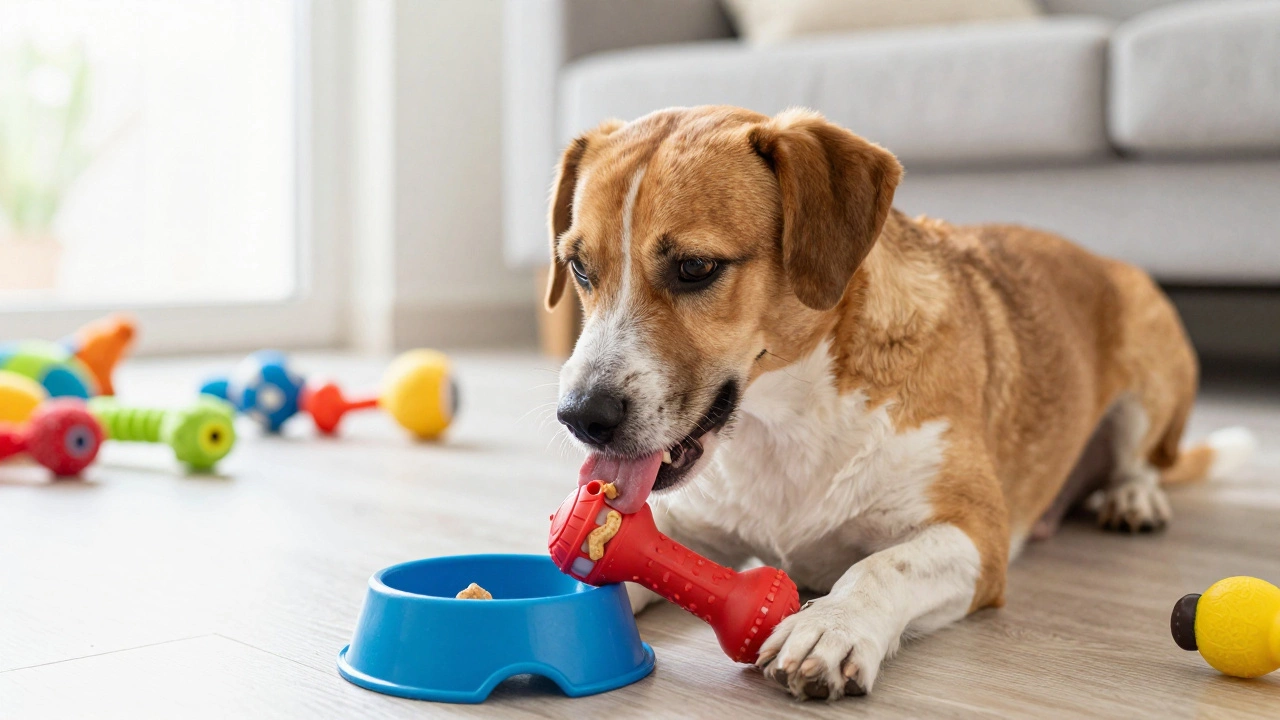
- Kong Toys: Stuff a Kong toy with peanut butter and freeze it. This creates a long-lasting puzzle that keeps your dog occupied for hours, reducing anxiety and destructive behavior.
- Toothbrush Paste: Use a finger brush to apply a tiny smear of peanut butter to your dog’s teeth. The texture helps scrape away plaque, and the taste encourages cooperation during brushing.
- Medication Mask: Hide pills or liquid medicine in a small dollop of peanut butter. The strong flavor masks bitter tastes, making medication administration less stressful for both of you.
- Training Rewards: Keep a small container of peanut butter in your pocket during training sessions. Smear a bit on the ground for "stay" commands or on your hand for target training.
- Paw Cleaner: After a muddy walk, wipe your dog’s paws with a damp cloth, then rub a little peanut butter on the pads. It helps clean residual dirt and moisturizes dry skin.
Alternatives to Peanut Butter
If you’re worried about fat content or allergies, there are other safe spreads and treats you can use. Pumpkin puree (not pie filling) is excellent for digestion and low in calories. Plain Greek yogurt provides probiotics and calcium, but ensure it’s unsweetened and free of xylitol. Apple sauce (unsweetened) offers fiber and vitamins, though again, check for hidden sweeteners.
Commercial dog-safe spreads are also available. These are formulated specifically for canine nutritional needs, with lower fat and higher protein ratios. While they may cost more per ounce, they eliminate the guesswork regarding ingredients.
What to Do If Your Dog Eats Unsafe Peanut Butter
If your dog ingests peanut butter with xylitol, act fast. Time is critical. Call your vet or the ASPCA Animal Poison Control Center (888-426-4435) immediately. Have the product label ready to provide exact quantities. Do not induce vomiting unless instructed by a professional, as this can sometimes cause more harm than good depending on the dog’s condition.
If the peanut butter was safe but your dog ate a large amount, monitor for signs of pancreatitis or gastrointestinal upset. Vomiting, diarrhea, or lethargy warrant a call to the vet. Withhold food for 12-24 hours to let the stomach settle, then reintroduce a bland diet like boiled chicken and rice.
Frequently Asked Questions
Can puppies eat peanut butter?
Yes, but in very small amounts. Puppies have smaller stomachs and are more prone to digestive upset. Introduce it gradually and ensure it is xylitol-free. Avoid giving it to puppies under six months old unless recommended by your vet.
Is almond butter safe for dogs?
Almond butter is generally safe if it contains no xylitol or added salt. However, almonds themselves can be difficult for dogs to digest and may cause stomach upset. Peanut butter is a better choice due to its softer texture and higher digestibility.
Does peanut butter help with bad breath?
It can mask odors temporarily, but it does not treat the underlying cause of bad breath, such as tartar buildup or gum disease. Regular dental hygiene, including brushing and professional cleanings, is necessary for long-term oral health.
Can peanut butter cause diarrhea?
Yes, especially if given in large quantities or if your dog is not used to it. The high fat content can irritate the stomach lining. Start with small amounts to see how your dog tolerates it.
Are there any peanut butter brands that are always safe?
No brand is immune to formula changes. Always read the ingredient list every time you buy a new jar. Popular brands like Jif and Skippy have introduced xylitol-containing products in certain regions or lines. Never assume safety based on brand recognition alone.