Grooming Difficulty Estimator
How Difficult is Your Dog to Groom?
Based on the article, determine your dog's grooming difficulty score. Select a breed and enter your daily brushing time to see estimated maintenance requirements and potential risks.
If you’ve ever tried to brush a dog that looks like a woolly cloud with legs, you know not all breeds are created equal when it comes to grooming. Some dogs shed lightly and glide through a brush like silk. Others? They turn a 15-minute grooming session into a two-hour battle of wills - and sometimes, tears.
So what’s the most difficult dog to groom? It’s not one breed alone. But if you had to pick the top contender based on fur density, texture, matting risk, and owner neglect, the Poodle stands out - not because it’s messy, but because it demands perfection.
Why Poodles Are the Hardest to Groom
Poodles aren’t just fancy dogs with haircuts. Their coat is made of dense, curly, single-layer hair that grows continuously - like human hair. Unlike double-coated breeds that shed, Poodles don’t drop fur naturally. That means every strand stays put… until it tangles.
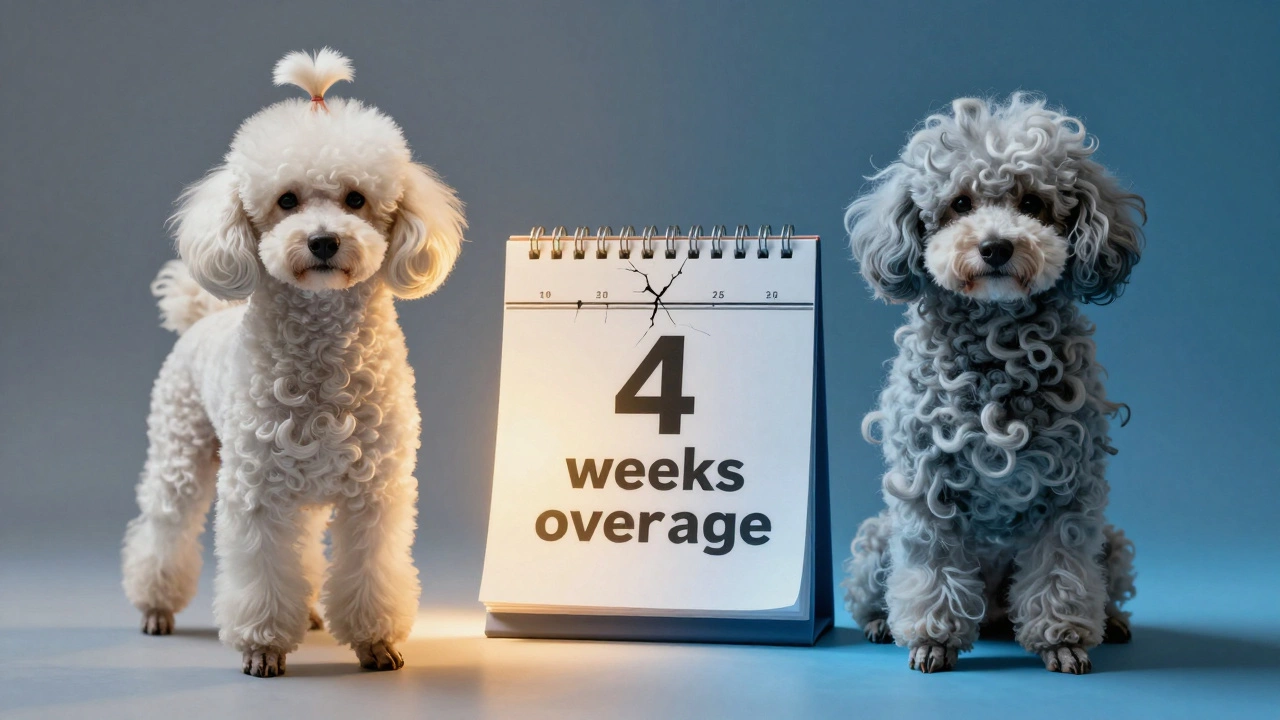
Left unattended for even four weeks, a Poodle’s coat can turn into a felted mess. Mats form under the armpits, behind the ears, around the tail base. These aren’t just annoying clumps. They pull on the skin, cause sores, trap moisture, and invite infections. A single mat can take 45 minutes to carefully cut out with scissors - and if you’re not trained, you’ll end up shaving the whole dog anyway.
Professional groomers call Poodles the “high-maintenance luxury car” of dogs. You can’t just brush them once a week. You need daily brushing, professional clipping every 4-6 weeks, and careful drying after baths. Skip a session? The coat collapses into a tangled prison.
Other Top Contenders for Hardest to Groom
While Poodles lead the pack, they’re not alone. Several other breeds give groomers sleepless nights.
- Shih Tzu: Their long, silky hair grows fast and falls over their eyes, ears, and paws. Without daily brushing, it mats into thick, painful patches. Many owners don’t realize how often they need to brush - until the dog starts limping from a mat under the leg.
- Maltese: Pure white fur shows every speck of dirt and tear stain. Their hair grows to the floor and tangles easily. Bathing them without drying every strand properly leaves them looking dingy and smelling damp.
- Bichon Frise: Fluffy on purpose, but that fluff is a magnet for debris. If you miss a spot during brushing, the undercoat clumps. The result? A dog that looks like a cotton ball with a bad attitude.
- Old English Sheepdog: This breed’s shaggy coat can grow over a foot long. It’s thick, coarse, and full of undercoat. Grooming one takes hours. Most owners give up and let their dog look like a walking mop.
- Bedlington Terrier: Their woolly, lamb-like coat requires hand-stripping - a painful, time-consuming process where hairs are pulled out by hand. Many groomers charge double for this breed because it’s labor-intensive.
What Makes a Dog Hard to Groom?
It’s not just about long hair. The real challenge comes from a mix of three factors:
- Coat type: Curly, woolly, or silky hair traps debris and mats faster than straight hair. Double coats (like Huskies) shed heavily but are easier to manage with the right tools.
- Growth rate: Dogs like Poodles and Maltese grow hair nonstop. If it’s not trimmed, it keeps getting longer and more tangled.
- Undercoat density: Breeds with thick undercoats (like Bichons or Sheepdogs) shed underneath. If not brushed out, the undercoat mats over time - hidden until you bathe the dog.
Some breeds combine all three. That’s why grooming them isn’t a chore - it’s a full-time job.
What Happens When You Skip Grooming?
People often think, “My dog just needs a bath.” But a bath on a matted dog makes things worse. Water slides over the surface, soaking the skin underneath. Mats swell, tighten, and pull the skin. After a few days, the dog develops hot spots - painful, infected patches that ooze.
One client brought in her 8-year-old Bichon named Luna. She hadn’t been groomed in 10 months. The dog weighed 18 pounds - but the hair weighed another 7. Luna couldn’t walk without dragging her back legs. Her ears were clogged. Her eyes were sealed shut with tear stains. She had three open sores from mat pressure. The groomer had to shave her completely. It took three hours.
That’s not an extreme case. It’s common.
Can You Groom These Dogs at Home?
Yes - but only if you’re prepared.
You need:
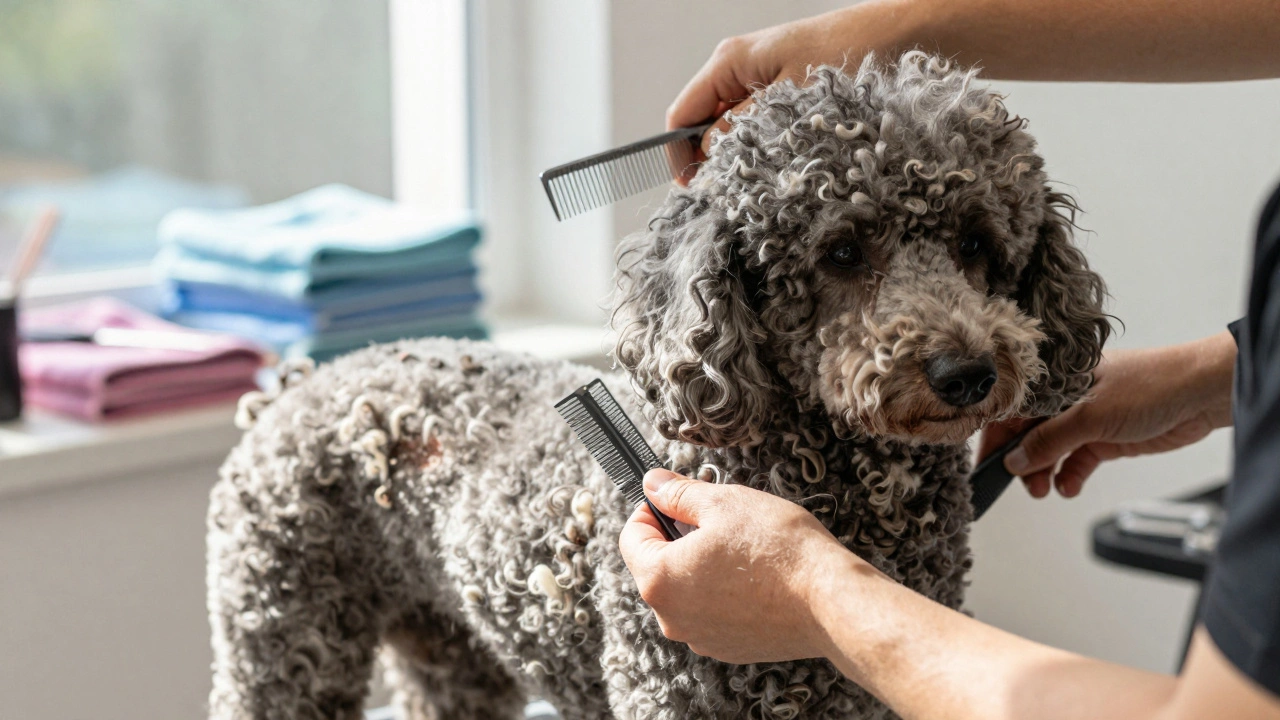
- A metal comb with fine teeth (not a brush)
- A slicker brush for detangling
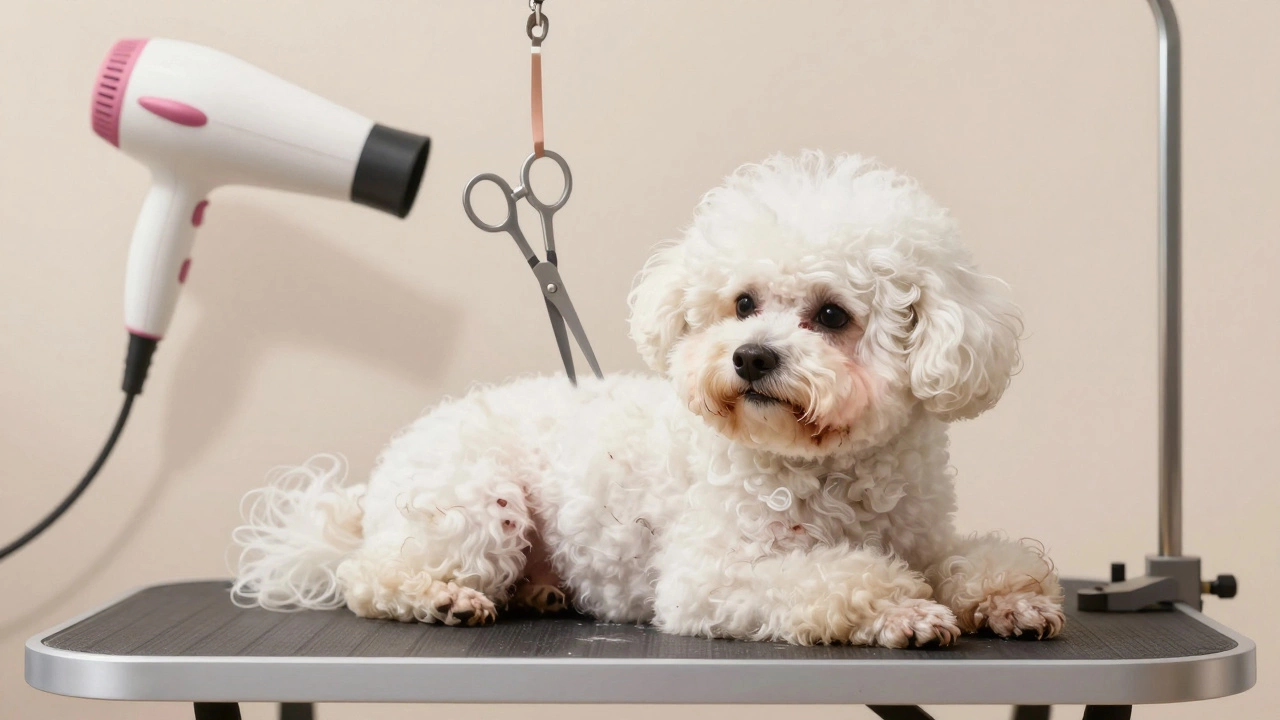
- Scissors with rounded tips (for safety)
- A high-velocity dryer (a regular blow dryer won’t cut it)
- At least 20 minutes a day, every day
And even then, most owners can’t do it right. Brushing a Poodle’s face without tugging its eyelashes? Trimming its paws without cutting the quick? Those take training. Many people buy grooming tools, try once, get frustrated, and give up.
That’s why professional groomers charge $75-$150 per session for these breeds. It’s not overpriced. It’s labor.
The Hidden Cost of Neglect
Ignoring grooming doesn’t just look bad - it costs money. A single mat-related infection can cost $300-$800 in vet bills. Skin surgeries, antibiotics, special shampoos - it adds up fast.
And then there’s the emotional toll. Dogs with matted fur are often in pain. They become anxious, avoid touch, or even snap. A dog that once loved being petted now flinches at your hand. That’s not just grooming failure. It’s neglect.
What’s the Best Way to Handle a Difficult Coat?
Start early. If you have a puppy from one of these breeds, begin brushing at 8 weeks. Get them used to the comb. Make it calm. Reward with treats. Don’t wait until the coat is a disaster.
Set a calendar reminder. Every 4 weeks: groom. Every 2 weeks: brush. Daily: check for mats behind ears, under legs, around the tail.
Find a groomer you trust. Ask them to show you how they handle the mats. Watch how they dry the coat. Learn the tools they use. Don’t be afraid to ask questions. Good groomers want you to understand.
And if you’re not willing to commit? Maybe a Poodle isn’t the right dog for you.
Final Thought: It’s Not About the Breed - It’s About the Commitment
The most difficult dog to groom isn’t the one with the longest hair. It’s the one whose owner thinks grooming is optional. The breeds listed here aren’t impossible - they’re just honest. They tell you exactly how much work they need. If you’re ready for that? They’re loyal, loving, and worth every minute. If you’re not? You’ll end up with a stressed dog and a bigger vet bill.
There’s no shortcut. No magic spray. No “grooming in a box.” Just time, patience, and consistency.
Is it true that Poodles don’t shed at all?
Yes, Poodles are considered hypoallergenic because they don’t shed like other dogs. Their hair grows continuously and stays in the coat until it’s brushed or cut out. But that doesn’t mean they’re low-maintenance - in fact, it’s why they’re so hard to groom. Without regular trimming, their hair mats and tangles severely.
Can I shave my Poodle to make grooming easier?
You can, and many owners do - especially during hot months. But shaving doesn’t replace grooming. A shaved Poodle still needs brushing to prevent skin issues and sunburn. Plus, their coat grows back curly and uneven unless trimmed properly. A professional clip is better than a full shave, which can damage the hair follicles over time.
Why do some dogs get mats even with daily brushing?
Mats often form in areas where hair rubs together - behind the ears, under the armpits, around the tail. If you’re only brushing the top layer, you’re missing the undercoat. You need a metal comb to go down to the skin and pull out loose hairs. Also, if your dog gets wet and isn’t dried completely, moisture traps hairs together and creates mats faster.
How often should a Bichon Frise be professionally groomed?
Every 4 to 6 weeks. Bichons have a dense undercoat that traps dirt and oils. If left longer, the coat becomes matted and starts to smell. Between visits, brush them at least 3 times a week. Daily brushing is ideal, especially around the eyes and legs where mats form fastest.
Are there any dog breeds that are easier to groom than Poodles?
Absolutely. Short-haired breeds like Beagles, Boxers, and Labradors only need weekly brushing and occasional baths. Even medium-coated dogs like Border Collies are easier - they shed, so loose hair comes out naturally. The real challenge is with dogs that don’t shed and have fine, curly, or woolly hair. Those are the ones that demand daily care.