Dog Grooming Cost Estimator
Wondering why that invoice is higher than expected? This tool breaks down the hidden costs of professional grooming—labor, specialized equipment, chemicals, and insurance—to show you the value behind the price tag.
Why this price?
Select options above to see how a $100+ groom adds up.
You stare at the invoice. It’s more than you expected. Maybe it’s $85 for a standard poodle, or $140 for a full shave-down on a nervous rescue mix. You love your dog, but that price tag stings. Is the groomer just marking up their time, or is there real value hidden in those line items? The short answer: yes, there is. But the long answer involves biology, chemistry, and some serious physical labor.
Quick Summary
- Labor Intensity: Professional grooming takes 2-4 hours of skilled, standing work per dog.
- Equipment Costs: High-end dryers, shears, and tables cost thousands upfront and require regular maintenance.
- Safety & Insurance: Liability insurance and safe handling protocols add significant overhead.
- Breed Complexity: Double-coated breeds like Huskies or Poodles require specialized techniques that take longer.
- Overhead Reality: Rent, utilities, and business taxes often consume 60% of the service fee before profit.
The Hidden Labor Behind the Fluff
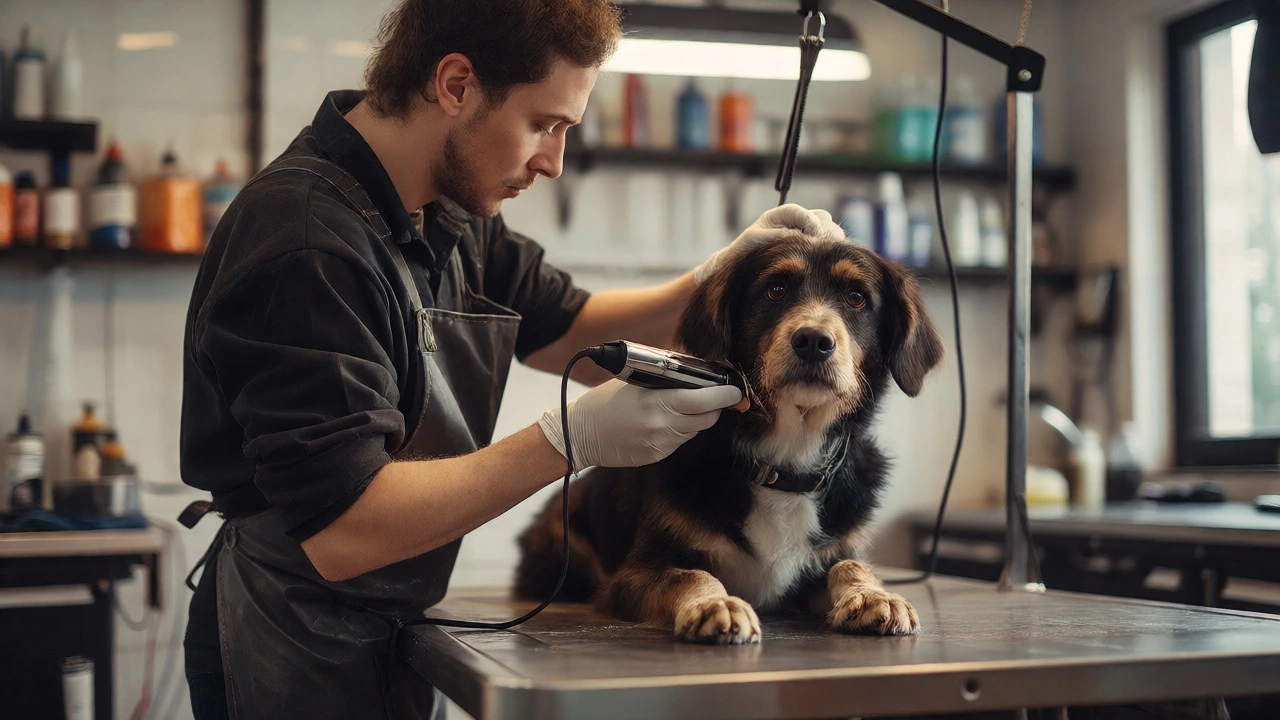
When you drop off your dog, you see them leave happy. When you pick them up, they look like a cloud. What you don’t see is the three-hour window where a human being stands on concrete floors, holding a squirming 60-pound animal while manipulating sharp tools. Dog grooming is not just washing; it is a skilled trade requiring anatomy knowledge, patience, and physical endurance.
Think about your own hair. If you went to a salon, would you expect to pay $30 for a cut that took two hours? Probably not. Yet, many owners expect similar speed for dogs. A basic bath and brush-out for a Labrador might take 90 minutes if the coat is matted. That’s 1.5 hours of one-on-one attention. Multiply that by five dogs a day, and the math gets tight fast. Groomers aren't charging for the towel; they're charging for the hour of their life spent keeping your dog still and safe.
Equipment Isn't Cheap (And Neither Is Maintenance)
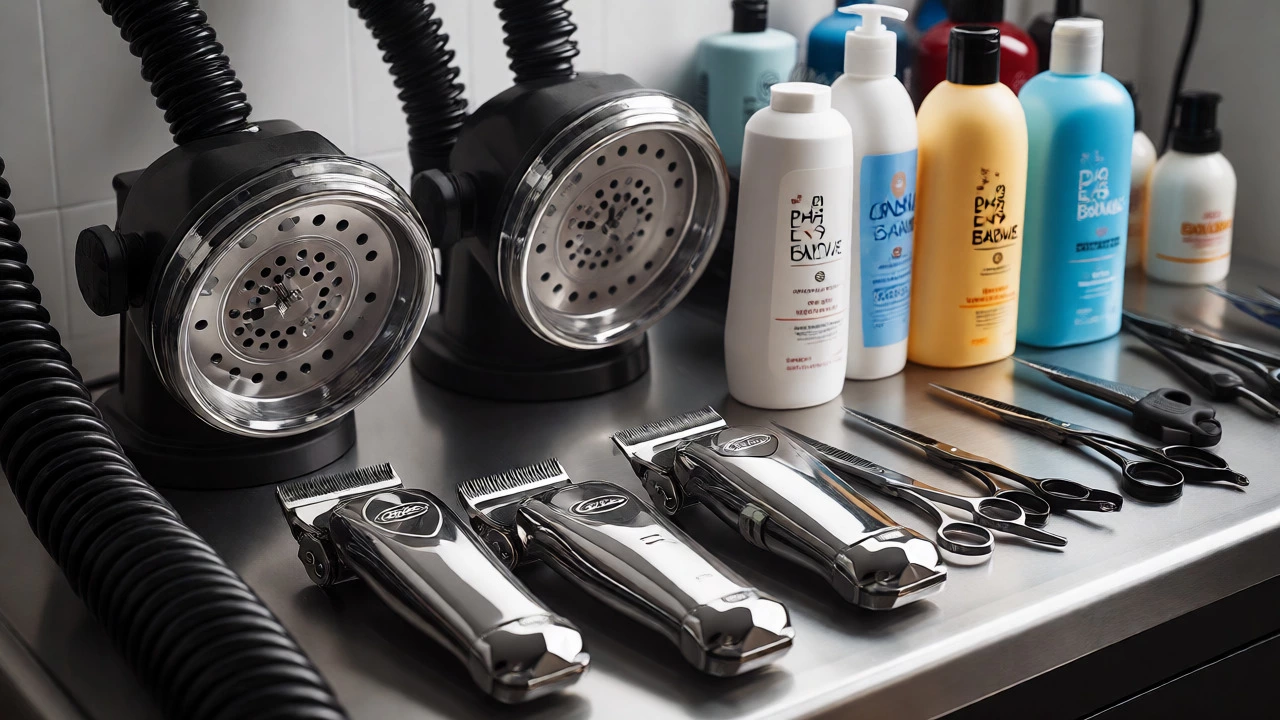
You might think a vacuum cleaner and a pair of scissors do the job. In reality, professional gear is industrial-grade. A high-velocity dryer, which blasts water out of double coats without heat damage, costs between $300 and $800. These machines run hot and loud, wearing out motors quickly. Then there are the clippers. A single set of professional Oster or Andis clippers runs $150-$250. They need frequent blade changes, oiling, and sharpening. Sharpening alone can cost $10-$15 per blade set every few weeks.
If you use dull blades, you pull hair instead of cutting it. That hurts the dog and ruins the finish. To avoid this, groomers replace or sharpen tools constantly. This isn't a hobbyist setup with a kitchen sink; it's a workspace designed for efficiency and safety. The initial investment for a small grooming shop easily hits $20,000-$30,000 before the first dog walks through the door. Those costs have to be recouped.
Chemistry and Skin Health
Shampoo from the grocery store aisle is mostly detergent. It strips oils. Professional shampoos are pH-balanced specifically for canine skin, which has a different acidity level than human skin. Using the wrong product causes itching, flaking, and secondary infections. Groomers stock specific lines for white coats, sensitive skin, or flea control.
Consider the cost of goods sold (COGS). A premium whitening shampoo might cost $25 for a gallon. A large dog uses 2-3 ounces per wash. Add conditioner, detangler, ear cleaner, and paw balm. For a full-service groom, consumables alone can eat up $5-$10 of the fee. If the dog has severe mats, the groomer might spend extra time using dematting sprays or even shaving down the coat, which requires more passes with the clipper, heating up the blade faster and requiring more frequent replacements.
Risk Management and Insurance
Dogs bite. It’s an occupational hazard. Even the sweetest Golden Retriever might snap if they’re scared, in pain, or having a bad day. Professional groomers carry liability insurance to cover accidents. If a dog slips off a table and breaks a leg, who pays? If a groomer accidentally nicks a quick and the owner sues for negligence, who covers the legal fees?
Insurance premiums for pet businesses have risen sharply in recent years. A small shop might pay $1,500-$3,000 annually for general liability and workers' compensation. This risk transfer is part of what you pay for. You’re buying peace of mind that if something goes wrong, there’s a financial safety net. DIY grooming puts that risk entirely on you. One slip with nail clippers can lead to a vet visit costing $200+, wiping out any savings from skipping the pro.
Breed-Specific Challenges
Not all dogs are created equal when it comes to grooming. A Boxer needs a bath and a nail trim-maybe 30 minutes total. A Standard Poodle needs scissoring, shaping, and precise detailing. That could take four hours. Why? Because poodle hair grows continuously like human hair. It doesn't shed out; it mats. If you don't brush daily, you have felt-like mats against the skin. Removing those mats safely requires skill. Pulling them out tears the skin. Shaving them removes the protective coat, leading to sunburn or cold stress.
| Breed Type | Coat Characteristics | Avg. Service Time | Primary Risk |
|---|---|---|---|
| Short-Haired (Beagle) | Single coat, sheds seasonally | 30-45 mins | Nail bleeding |
| Double-Coated (Husky) | Undercoat + guard hairs | 2-3 hours | Blowing coat incorrectly damages insulation |
| Hair-Type (Poodle) | Continuous growth, no shedding | 3-4 hours | Mats pulling on skin |
| Wire-Haired (Terrier) | Stiff texture, hand-stripping needed | 2-3 hours | Pulling hair manually is painful if done poorly |
Business Overhead: The Silent Killer
Let’s look at the numbers. Say a groomer charges $100 for a medium dog. After taking home $100, where does it go? First, payroll. If the groomer is an employee, they might get 40-50%. That leaves $50. Next, rent. A commercial space in a decent neighborhood might cost $2,000/month. Utilities (water, electricity for dryers) run another $300-$500. Marketing to keep clients coming back costs money. Software for booking appointments? Another subscription fee.
After all expenses, the profit margin on a single dog is often thin. Many groomers operate on volume, needing 8-10 dogs a day to make a sustainable living wage. If they only do 5, they lose money. This pressure explains why prices rise during holidays or busy seasons. Demand spikes, but the number of hours in a day stays the same. Supply and demand rules apply here just like in any other service industry.
Is DIY Really Cheaper?
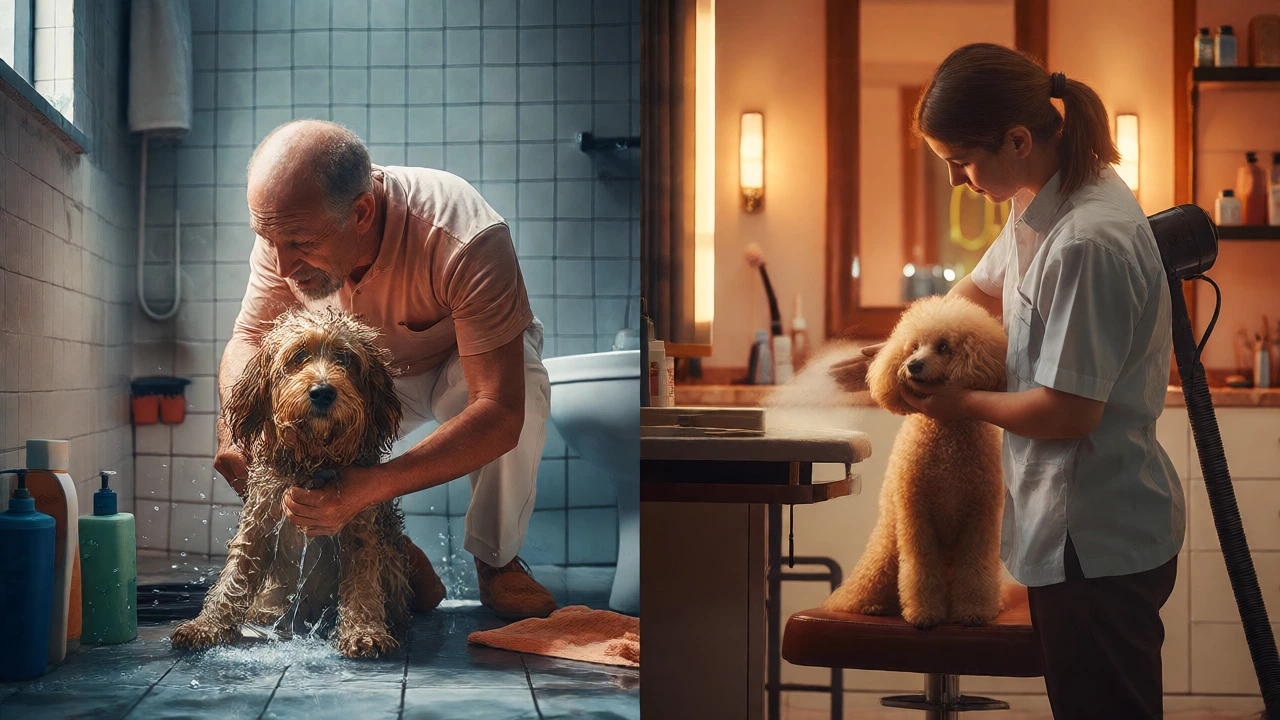
You might argue, "I'll buy my own clippers and do it myself." Let’s test that theory. You buy a starter kit: clippers ($100), dryer ($200), shampoo ($20), brushes ($30). Total upfront: $350. Now, how long will it take you to learn to cut a poodle’s face without nicking its eye? Weeks? Months? During that learning curve, you’ll waste time and possibly cause stress to your dog.
Plus, home baths rarely remove all the undercoat. Without a high-velocity dryer, moisture gets trapped near the skin, leading to hot spots. Vet visits for skin issues average $150-$300. One bad haircut or one infection wipes out the savings from six professional grooms. Professional groomers also spot health issues early-lumps, ticks, ear infections-that you might miss. Early detection saves money later.
How to Save Money Without Sacrificing Quality
You don’t have to break the bank to keep your dog looking good. Here are practical ways to manage costs:
- Maintain Between Visits: Brush your dog twice a week. Less matting means less time in the chair, which lowers the bill.
- Choose Simpler Styles: Ask for a "teddy bear" cut or a uniform length rather than breed-standard scissoring. It looks cute and takes 30% less time.
- Book Regularly: Don’t wait until your dog is a felt monster. Monthly or bi-monthly appointments prevent severe matting charges.
- Ask About Packages: Some salons offer discounts for multiple pets or prepaid series.
- Learn Nail Trims: Invest in a good grinder and teach your dog to tolerate foot handling. Nails are the easiest thing to do at home.
Frequently Asked Questions
Why do groomers charge extra for mats?
Mats pull tightly on the skin, causing pain and restricting blood flow. Removing them safely requires careful clipping close to the skin, which takes significantly more time and skill than brushing loose hair. If mats are too tight, the groomer may have to shave the entire area, altering the coat style. This extra labor and risk justify the surcharge.
Do all groomers use the same products?
No. Reputable groomers use professional-grade, pH-balanced shampoos and conditioners tailored to specific coat types (e.g., whitening, moisturizing, hypoallergenic). Cheap, generic detergents can strip natural oils and cause skin irritation. High-quality products protect the coat’s integrity and your dog’s comfort.
Is it worth paying more for a certified groomer?
Certification indicates ongoing education in safety, anatomy, and technique. Certified groomers are trained to handle difficult behaviors, recognize skin abnormalities, and use tools correctly to avoid injury. While not mandatory, certification reduces the risk of mistakes that could lead to vet bills or discomfort for your pet.
Why did my bill increase suddenly?
Several factors can cause sudden price hikes: increased business overhead (rent, utilities), higher costs for supplies due to inflation, or additional services required for your dog (e.g., de-shedding treatment, medicated bath, or severe mat removal). Always ask for an estimate before the service begins.
Can I just bathe my dog at home?
Yes, for short-haired breeds with no skin issues, home bathing is fine. However, for double-coated or long-haired breeds, home drying is often inadequate. Trapped moisture leads to fungal or bacterial infections. Professional dryers remove water from the undercoat efficiently, preventing these costly health problems.
Final Thoughts
Grooming isn’t a luxury; it’s healthcare wrapped in aesthetics. The next time you see the bill, remember the hours of standing, the specialized tools, the safe environment, and the expertise that keeps your dog comfortable. You’re not just paying for a haircut. You’re paying for a skilled professional to navigate the complex biology of your best friend’s coat.