Pet Insurance Policy Finder
Not sure which policy fits your pet? Answer these questions to find the best coverage type for your situation.
Select your pet's details and click "Find My Best Coverage" to see recommendations.
Imagine your dog suddenly can’t walk after a hike, or your cat develops kidney disease at age seven. The vet bill hits $2,500, and you’re staring at it wondering if you can afford treatment. This is exactly why pet insurance exists. But here’s the catch most people miss: not all policies are created equal. In fact, there are three distinct types, each designed for different risks and budgets. Choosing the wrong one leaves you exposed when it matters most.
Most owners think they’re buying “coverage,” but they’re actually choosing between protecting against accidents, illnesses, or routine care. Some plans cover everything; others cover nothing until disaster strikes. Let’s break down what these three types actually do, so you don’t waste money on gaps in your protection.
Accident-Only Policies: The Safety Net for Mishaps
Accident-only pet insurance is the most basic tier. It covers injuries from unexpected events-think broken bones from falls, lacerations from fights, or swallowing foreign objects like socks or toys. If your puppy chews through a power cord and needs emergency surgery, this policy pays up to your annual limit.
This type works best for young, healthy pets with low risk of chronic conditions. A 2024 survey by the North American Veterinary Community found that 68% of emergency visits for dogs under two involve trauma, not disease. That makes accident-only a smart starter option for puppies or kittens.
- Covers: Broken bones, bites, poisoning, swallowed objects, bite wounds.
- Does NOT cover: Cancer, diabetes, arthritis, infections, dental disease.
- Average monthly cost: $15-$25 for dogs, $10-$20 for cats.
The downside? If your dog gets sick-not injured-you pay out of pocket. Many owners assume their policy covers “emergencies,” but vomiting from pancreatitis isn’t an accident. It’s an illness. And that distinction can cost thousands.
Illness Coverage: Protecting Against Disease and Chronic Conditions
Illness-inclusive pet insurance expands beyond accidents to cover medical conditions diagnosed after the policy starts. This includes cancer, heart disease, kidney failure, allergies requiring long-term medication, and even behavioral therapy for anxiety disorders.
This is where things get expensive-but also valuable. According to Banfield State of Pet Health reports, 1 in 3 pets will develop a chronic condition by age eight. For breeds prone to issues (like German Shepherds with hip dysplasia or Persians with polycystic kidney disease), illness coverage becomes essential.
| Coverage Type | Accident Only | Illness + Accident | Wellness Add-On |
|---|---|---|---|
| Injuries (fractures, cuts) | Yes | Yes | No |
| Diseases (cancer, diabetes) | No | Yes | No |
| Vaccines & checkups | No | No | Yes |
| Pre-existing conditions | Excluded | Excluded | Varies |
| Typical Annual Limit | $5k-$10k | $10k-Unlimited | $500-$1,200 |
Note: Pre-existing conditions are almost always excluded. If your cat had bladder stones before signing up, future stone-related treatments won’t be covered. Always disclose full medical history during enrollment.
Illness plans often include optional add-ons like diagnostic imaging (X-rays, ultrasounds) or specialist referrals. Without them, you might get reimbursed for surgery but not the MRI that led to diagnosis.
Wellness Plans: Budgeting for Routine Care
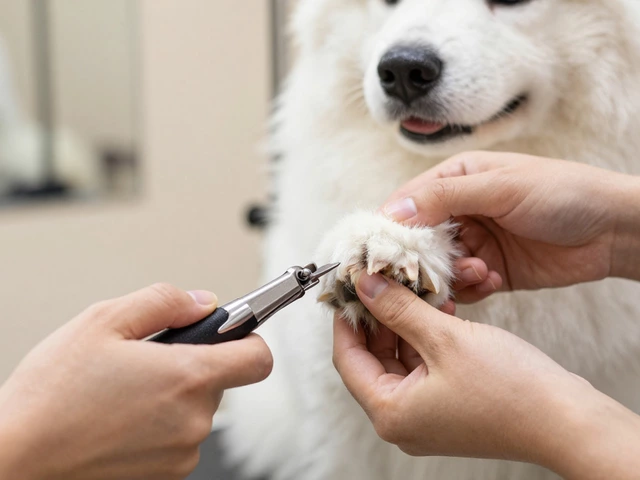
Pet wellness plans aren’t insurance-they’re prepaid budgeting tools. They cover predictable expenses: annual exams, vaccinations, flea/tick prevention, heartworm meds, dental cleanings, and microchipping.
Think of it like a subscription box for vet visits. You pay a fixed monthly fee ($20-$60 depending on pet size and region), and the insurer reimburses you up to a set amount per service. Unlike accident or illness policies, wellness plans usually have no deductibles and reimburse 80-100% of eligible costs.
Here’s the math: A typical adult dog needs one exam ($75), rabies vaccine ($25), DHPP booster ($35), flea med ($60/year), and dental cleaning ($400 every 2 years). Total ≈ $600 over two years. A $30/month wellness plan = $720 over two years. So unless you use every benefit, you’re losing money.
- Best for: Owners who want predictable spending and never skip preventive care.
- Worst for: People who delay vet visits or have older pets needing more than routine services.
- Pro tip: Bundle wellness with illness coverage for maximum value-but only if you’ll actually use the benefits.

How to Choose Based on Your Pet’s Life Stage
Your pet’s age dramatically changes which type makes sense. Puppies and kittens face high accident risk but low disease incidence. Adults need balanced coverage. Seniors require robust illness support-and sometimes wellness too.
For example, a 6-month-old Labrador might benefit from accident-only plus a small wellness stipend for vaccines. By age five, switching to full illness coverage protects against emerging joint issues. At ten, adding senior-specific riders (for cognitive dysfunction or mobility aids) could save hundreds annually.
Breed matters too. Brachycephalic dogs (Pugs, Bulldogs) suffer frequent respiratory emergencies-accident-style claims that illness plans may partially cover if labeled “breathing difficulty.” Meanwhile, Maine Coon cats face hypertrophic cardiomyopathy, which requires ongoing monitoring and meds-best handled by comprehensive illness policies.
Common Pitfalls That Cost Real Money
Many buyers overlook fine print that turns cheap premiums into false security. Here’s what trips people up:
- Per-incident limits: Some policies cap payouts per condition, not annually. One $3,000 cancer treatment might exhaust your entire year’s allowance.
- Waiting periods: Most insurers impose 14-30 days before illness coverage kicks in. Accidents often start immediately-but not always.
- Reimbursement models: “Actual cost” vs. “schedule-based” affects how much you get back. Schedule-based pays fixed amounts regardless of actual bill, potentially leaving you short.
- Exclusion lists: Read what’s NOT covered. Hereditary conditions, elective procedures, and alternative therapies (acupuncture, chiropractic) are commonly excluded.
Always ask: “If my pet has [specific breed issue], is it considered pre-existing if undiagnosed?” Insurers vary wildly on this point.
Real-Life Scenarios: Which Policy Saved Whom?
Let’s look at three anonymized cases from veterinary clinics in Texas and Oregon:
Case 1: Bella, 2-year-old Beagle, ate a tennis ball causing intestinal blockage. Surgery cost $2,800. Her owner had accident-only coverage with a $5,000 annual limit. Fully reimbursed minus $250 deductible. Total out-of-pocket: $250.
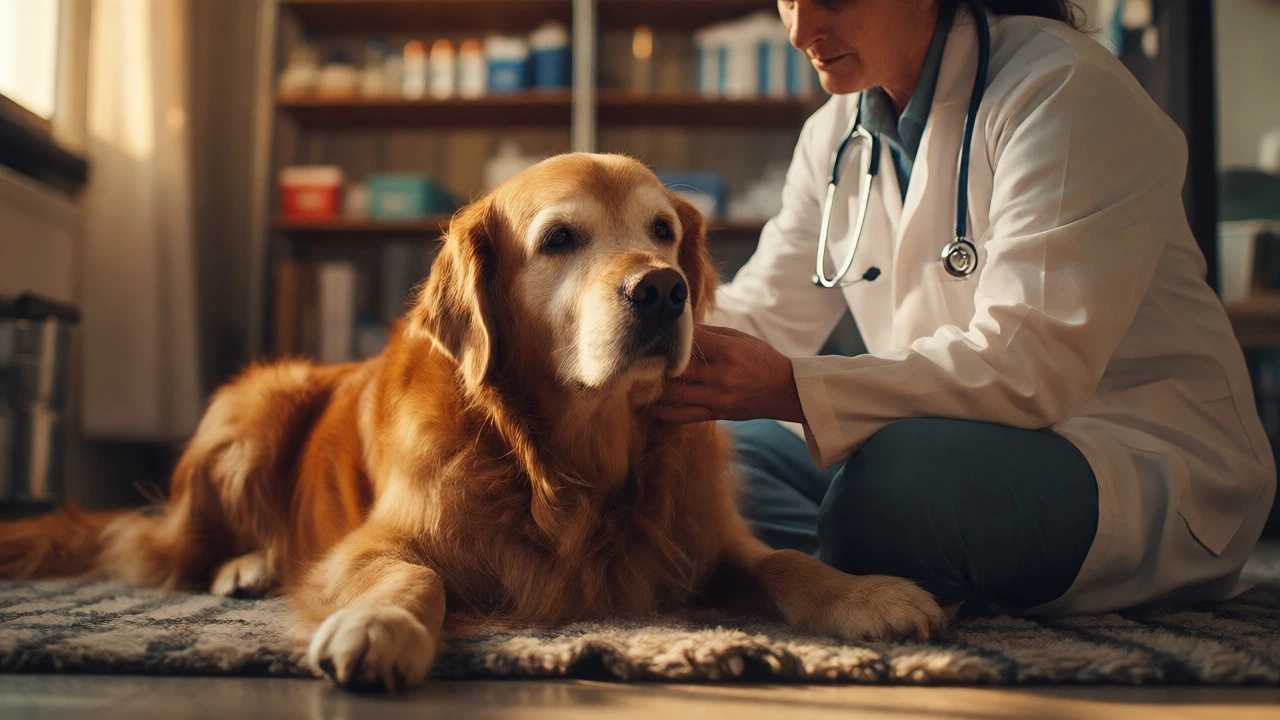
Case 2: Max, 7-year-old Golden Retriever, developed lymphoma. Chemo totaled $9,200 over six months. Owner carried illness+accident policy with unlimited annual cap and 80% reimbursement. Paid $1,840 out of pocket after $500 deductible.
Case 3: Luna, 12-year-old Siamese cat, needed biannual bloodwork and thyroid meds. Owner used standalone wellness plan costing $35/month. Over two years, spent $840 but received $780 in reimbursements. Net loss: $60-but peace of mind ensured consistent care.
These examples show how matching policy type to likely needs prevents both under-insuring and overspending.
Frequently Asked Questions
Can I switch from accident-only to full illness coverage later?
Usually yes, but new waiting periods apply, and any condition diagnosed during the accident-only phase becomes pre-existing and permanently excluded. Upgrade early-before symptoms appear-to avoid gaps.
Do wellness plans count as insurance?
Technically no. Wellness plans are budgeting tools with guaranteed reimbursements for scheduled services. True insurance transfers financial risk from unpredictable large losses. Many companies bundle both, but they serve different purposes.
Are hereditary conditions covered?
It depends. Some insurers exclude known genetic predispositions (like hip dysplasia in German Shepherds) unless specifically added via rider. Others cover them if first diagnosed after policy inception. Always verify exclusion lists per breed.
What happens if I miss a premium payment?
Most policies enter a grace period (often 15-30 days). After that, coverage suspends. Claims filed during suspension are denied-even if the incident occurred while active. Set auto-pay to prevent accidental lapses.
Is pet insurance worth it for indoor cats?
Absolutely. Indoor cats still face urinary blockages, dental disease, and cancers. A single hospitalization for urethral obstruction can exceed $1,500. Given lower accident risk, illness-focused plans offer better ROI than accident-only for felines.