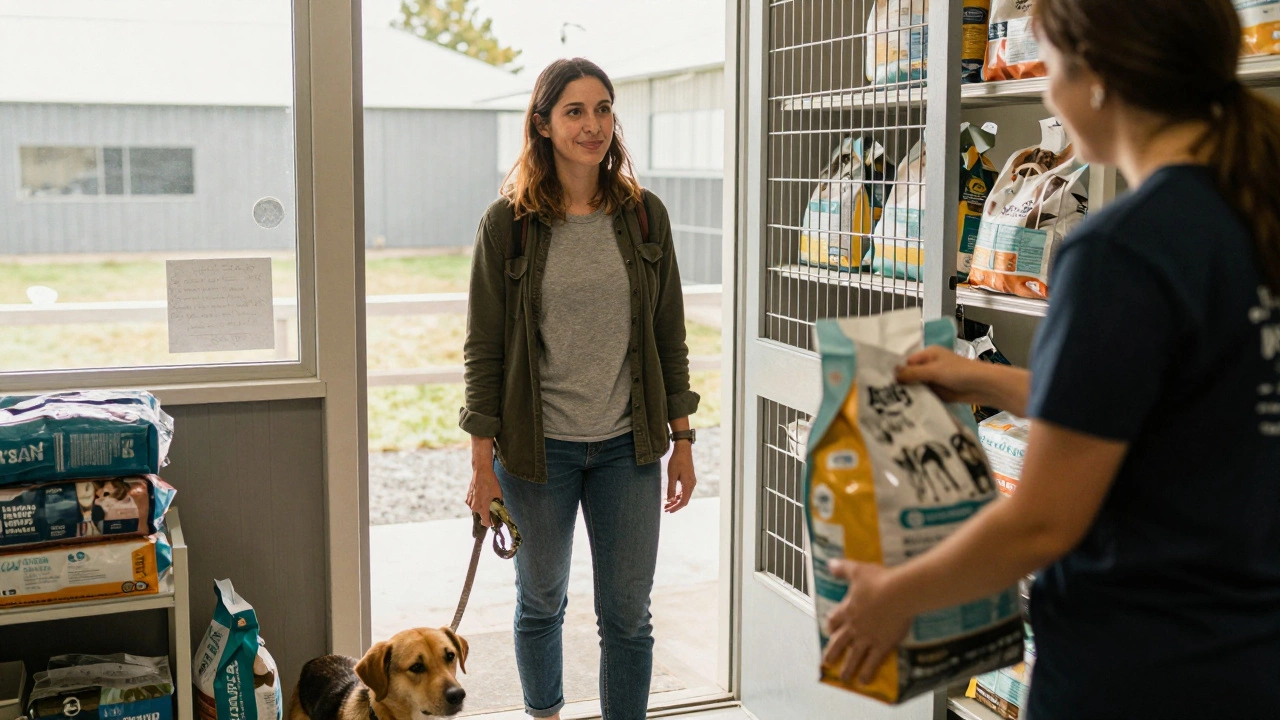
If your dog is hungry and your wallet is empty, you’re not alone. Thousands of pet owners in New Zealand and around the world face this exact crisis every month. Dogs don’t care if you lost your job, had a medical bill, or just can’t make rent this week. They just need to eat. And the good news? There are real, working options available right now - no judgment, no shame, just help.
Reach out to local animal shelters and rescue groups
In Auckland, places like the SPCA, Animal Welfare League, and smaller community rescues run food banks specifically for pets. They don’t ask for proof of income. They don’t require forms. You walk in, explain you’re struggling, and they give you a bag of dog food - sometimes even a few weeks’ supply. Some even deliver. The SPCA’s Pet Food Bank alone handed out over 12,000 kg of food last year. Don’t wait until your dog is losing weight. Call today. Most shelters have a hotline or online form for emergency food requests.
Use food banks that include pets
Human food banks in New Zealand, like Foodbank NZ and local community pantries, now regularly include pet food. Yes, you read that right. If you qualify for a food parcel for yourself, you can usually get a bag of dog kibble too. Just ask when you sign up. Some even let you pick the brand. In Wellington, Hamilton, and Christchurch, this is standard. Auckland’s network is expanding fast - check with your local community center or ask at your nearest food bank. Bring your dog’s food bag or label so they know what size and type you need.
Ask your vet for help
Veterinarians see this every week. If you’re on a low income, on a benefit, or just going through a rough patch, most clinics have a small emergency fund or partnerships with charities that cover pet food. Even if your dog isn’t sick, just say: “I can’t afford food right now.” Many vets will give you a voucher for free or discounted food from a partner supplier. Some even keep bags of dry food in the back for exactly this situation. Don’t be embarrassed. Your vet wants your dog to stay healthy. That’s their job.
Switch to affordable, balanced alternatives
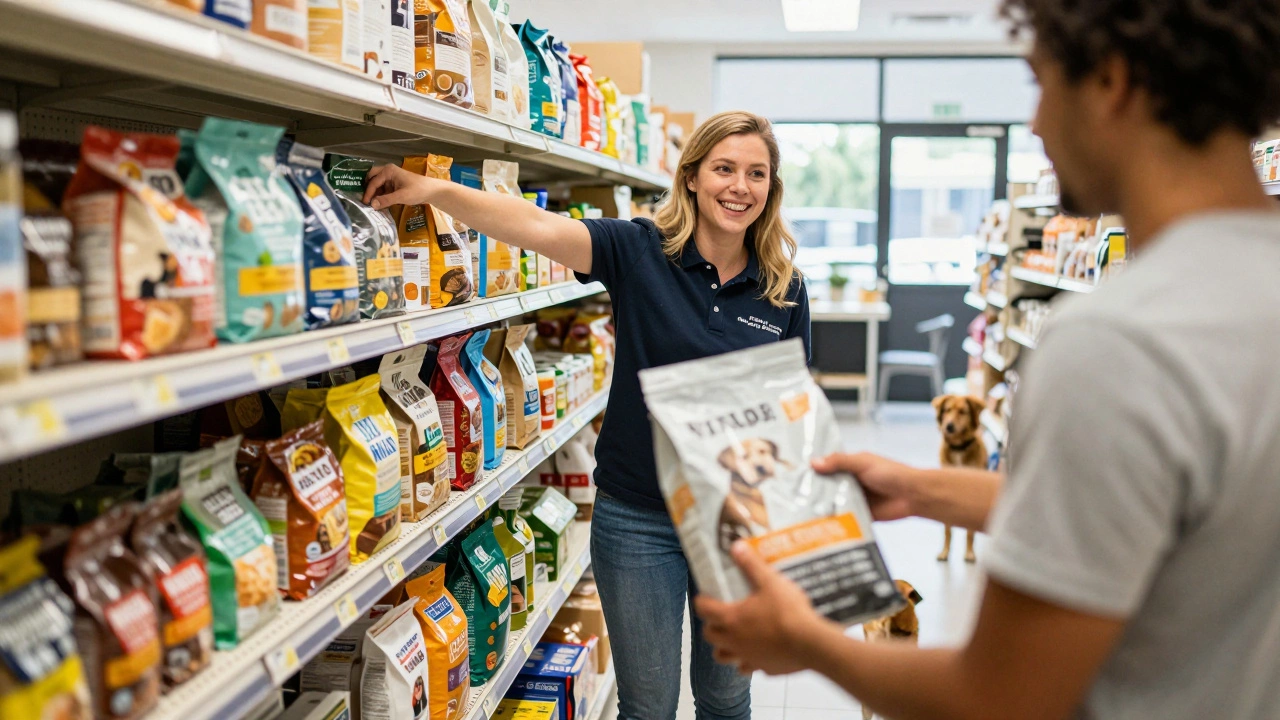
You don’t need premium brands to keep your dog fed and healthy. Look for store brands like Woolworths’ “Everyday Value” or Countdown’s “Simple” line. These cost 40-60% less than premium names but meet the same nutritional standards. Check the label: the first ingredient should be meat (chicken, beef, lamb), not corn or wheat. Avoid anything with “meat by-products” listed before real meat. A 15kg bag of basic kibble can last 4-6 weeks for a medium dog and cost under $40. You can also mix in cooked rice, boiled eggs, or steamed vegetables (no onions, garlic, or grapes) to stretch the food. It’s not gourmet, but it keeps your dog alive and strong.
Apply for government or nonprofit assistance
New Zealand’s Ministry of Social Development (MSD) doesn’t pay for pet food directly - but if you’re on Jobseeker Support, Sole Parent Support, or the Disability Allowance, you can request a Special Needs Grant. These grants can cover essentials like pet food if you can prove your pet is part of your household and you’re struggling. You’ll need a letter from your vet or shelter confirming your dog’s needs, but the process takes less than a week. Organizations like Dogs Trust and the NZ Companion Animal Council also offer one-time food vouchers. Apply online - it’s faster than you think.
Barter or trade skills for food
Some local pet owners, groomers, or trainers are willing to swap services. Need a bag of kibble? Offer to walk dogs for a neighbor, clean a vet’s kennels for an hour, or help with social media for a small rescue group. Facebook groups like “Auckland Pet Swap” or “NZ Pet Food Exchange” are full of people doing exactly this. One woman in Papatoetoe traded babysitting for a month’s supply of food. Another fixed a neighbor’s bike in exchange for 3 bags of dog food. It’s not charity - it’s community. You have skills. Someone else has food.
Make temporary homemade meals
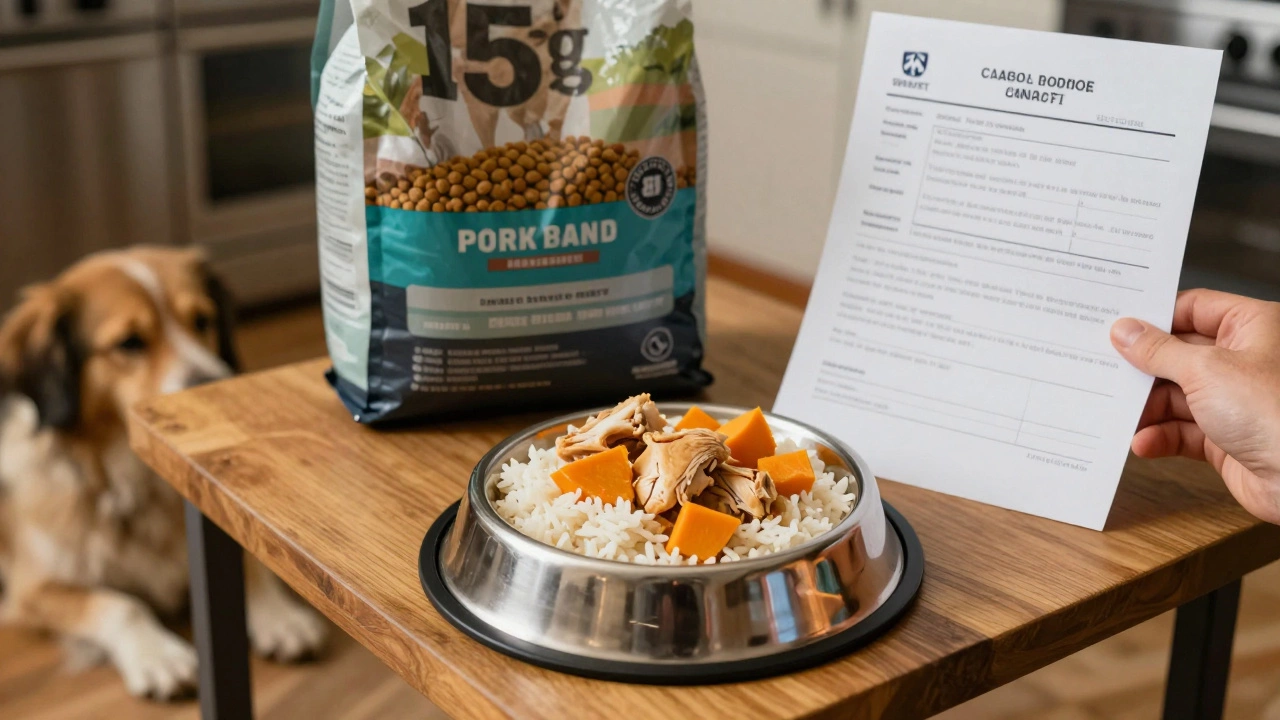
If you’re in a tight spot and can’t get food right away, here’s a safe 3-day emergency plan: Mix 1 part cooked white rice with 1 part boiled chicken (no skin, no salt). Add a spoon of plain pumpkin (not pie filling) for fiber. Feed small, frequent meals. This isn’t a long-term diet - it lacks taurine and other essential nutrients - but it will keep your dog from starving while you wait for help. Never feed raw meat, onions, grapes, chocolate, or xylitol. Keep it simple. A dog can survive on this for a few days without harm. Use it only as a bridge, not a solution.
Start a small, honest fundraiser
GoFundMe, Givealittle, or even a simple Facebook post can work. Don’t say “I’m broke.” Say: “My dog means everything to me. I’m doing everything I can to feed him, but I need a little help. Any amount helps.” Include a photo of your dog. People respond to faces. One man in Tauranga raised $300 in 36 hours just by posting a picture of his senior dog with a note: “He’s been my best friend since I lost my job. I won’t let him go hungry.” You’d be surprised how many people want to help.
What NOT to do
- Don’t skip meals. A hungry dog becomes weak, sick, and more expensive to treat later.
- Don’t buy cheap, low-quality food that’s full of fillers. It can cause long-term health problems.
- Don’t give up your dog. Surrendering isn’t the answer - help is available.
- Don’t wait until your dog is vomiting or lethargic. Act now.
Plan ahead for next time
Once you get back on your feet, start a small emergency fund - even $5 a week. Keep a 2-week supply of basic kibble in your pantry. Set up a monthly automatic transfer of $10 to a “pet food savings” jar. You don’t need much. Just enough to avoid the panic next time. Many shelters offer free pet care workshops - attend one. Learn how to stretch food, spot early signs of malnutrition, and find ongoing support.
Your dog trusts you. You’re not failing them by asking for help. You’re showing them what loyalty looks like - by refusing to give up.
Can I get free dog food in Auckland?
Yes. The SPCA Auckland, Animal Welfare League, and several community food banks offer free dog food to residents in need. No proof of income is required. Just call or visit during business hours. Some locations even offer delivery. The SPCA’s Pet Food Bank distributed over 12,000 kg of food in 2025 alone.
Can I use a human food bank for dog food?
Yes. Foodbank NZ and many local community pantries now include pet food in their distributions. If you qualify for a food parcel for yourself, ask for a bag of dog kibble. Bring your dog’s food label so they can match the right size and type. This service is available in Auckland, Wellington, Hamilton, and Christchurch.
What’s the cheapest dog food that’s still safe?
Look for store brands like Woolworths’ Everyday Value or Countdown’s Simple range. These cost 40-60% less than premium brands but meet the same nutritional standards. The first ingredient should be meat (chicken, beef, lamb), not corn or wheat. A 15kg bag typically lasts 4-6 weeks for a medium dog and costs under $40.
Can my vet help me get dog food?
Many vets have emergency food vouchers or partnerships with charities. Even if your dog isn’t sick, ask directly: “I can’t afford food right now.” Most clinics keep a small stock of kibble for clients in need. They won’t judge - they’ve seen this before.
Is it safe to feed my dog homemade food temporarily?
Yes, for a few days. Mix equal parts boiled white rice and skinless chicken. Add a spoon of plain pumpkin for fiber. Avoid onions, garlic, grapes, and raw meat. This isn’t nutritionally complete long-term, but it prevents starvation while you get help. Never use this as a permanent solution.
Can I apply for government help to feed my dog?
Yes. If you’re on Jobseeker Support, Sole Parent Support, or the Disability Allowance, you can apply for a Special Needs Grant from MSD. These grants can cover pet food if you provide a letter from your vet or shelter confirming your dog’s needs. The process usually takes less than a week.