Dog Collar Safety & Comfort Checker
Answer the questions below to get a personalized recommendation for your dog's collar routine.
Recommendation
Action Plan
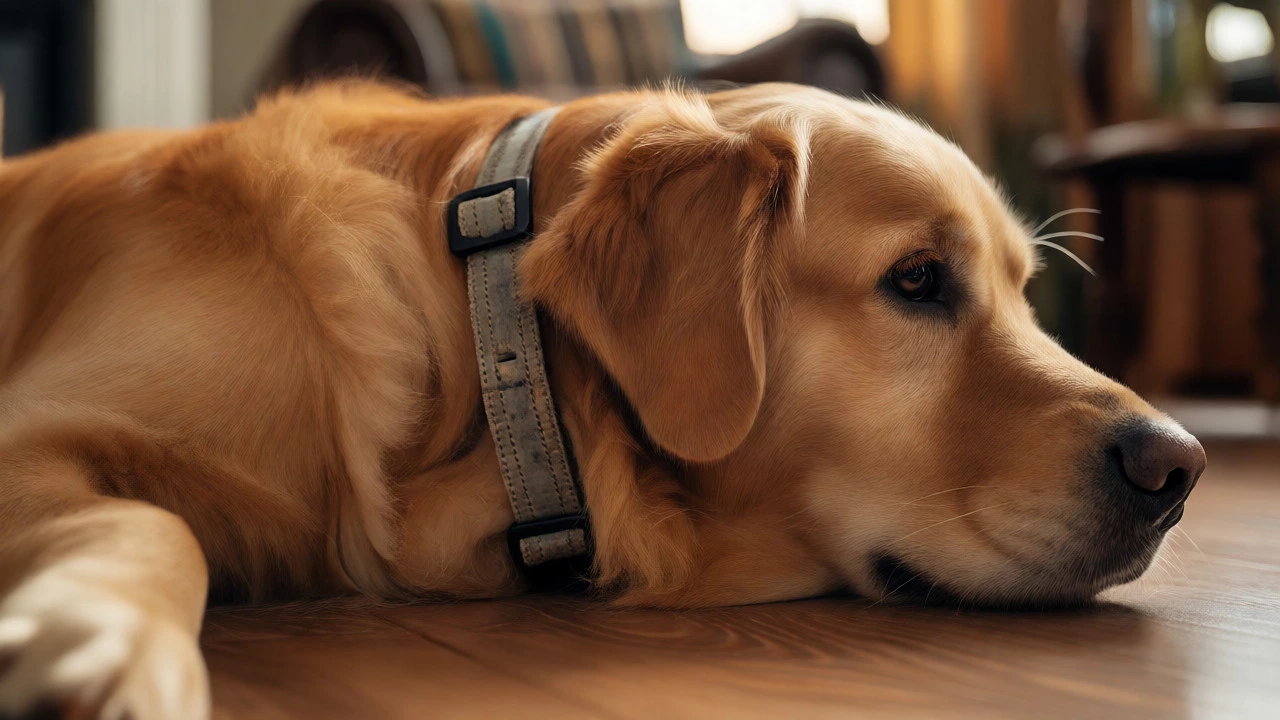
You come home after a long day, kick off your shoes, and look down to see your dog staring back at you. They’re wearing the same nylon band they’ve had on since Tuesday. It’s snug, maybe a little frayed, and honestly, it looks uncomfortable. You wonder: should dogs wear collars 24/7? Is that leather strap actually hurting them while they sleep, or is it a vital safety net you shouldn’t remove?
This isn’t just about aesthetics. It’s about balancing two competing needs: identification and comfort. In New Zealand, where many of us have rural properties or access to open spaces, losing a pet can be a nightmare. But forcing a dog to wear a tight band around their neck for twenty-four hours a day can lead to real physical issues. Let’s break down exactly when a collar is non-negotiable, when it’s better off, and how to spot if yours is causing harm.
The Case for Keeping Collars On
The biggest argument for keeping a collar on all the time is simple: if your dog bolts, they need to be found. A microchip is great, but it requires a scanner. A collar with an ID tag allows a neighbor or a stranger to call you immediately. This is especially critical if you live near busy roads or have a dog prone to slipping out of gates.
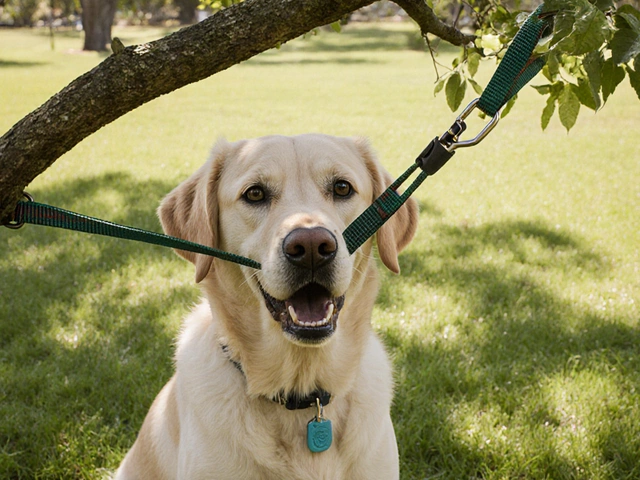
However, there’s a major risk here known as "collar hang-up." If a dog catches its collar on a fence post, a crate wire, or even another dog’s teeth during play, it can panic. Panic leads to thrashing. Thrashing leads to broken necks, tracheal damage, or strangulation. This is why veterinarians often advise against leaving flat buckle collars on unattended dogs, particularly those who are chewers or escape artists.
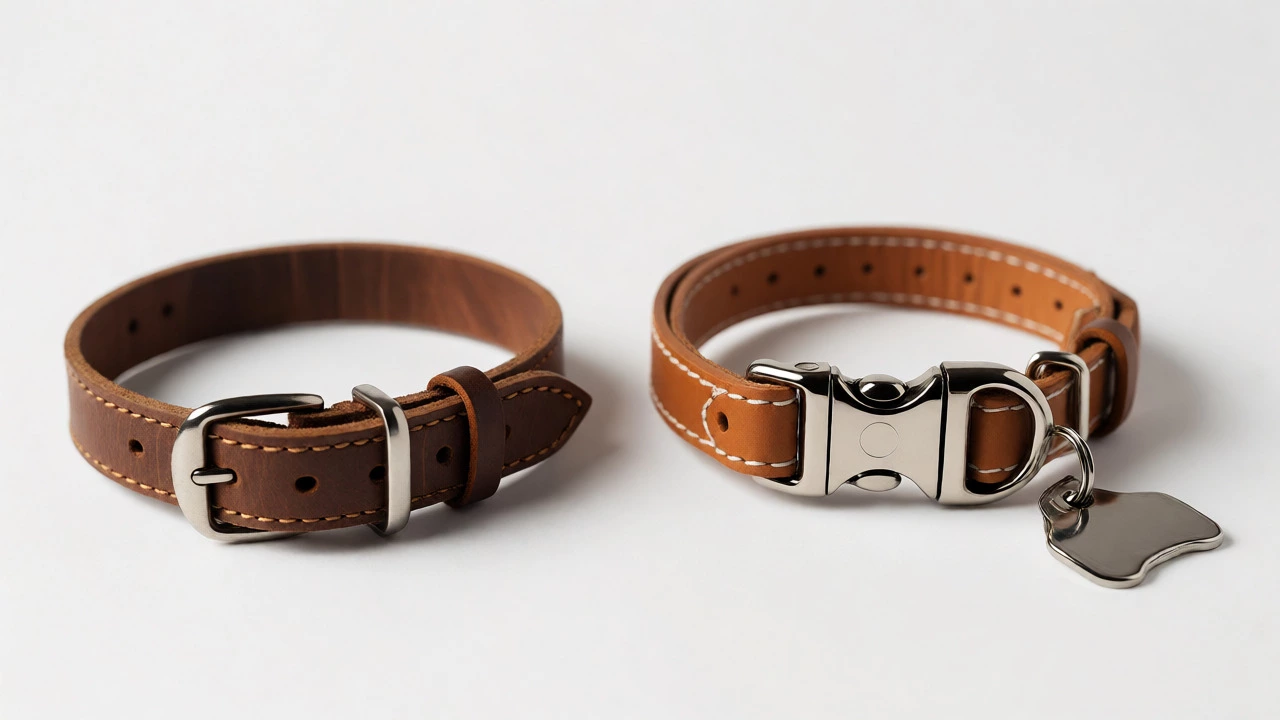
Safety Collars (also called breakaway collars) are designed specifically to solve this problem. Unlike standard nylon or leather bands, these feature a special clasp that releases under pressure. If your dog gets snagged, the collar pops open, freeing them before injury occurs. While they don’t hold up well to heavy pulling on a leash, they are the gold standard for 24/7 wear.
When to Take the Collar Off
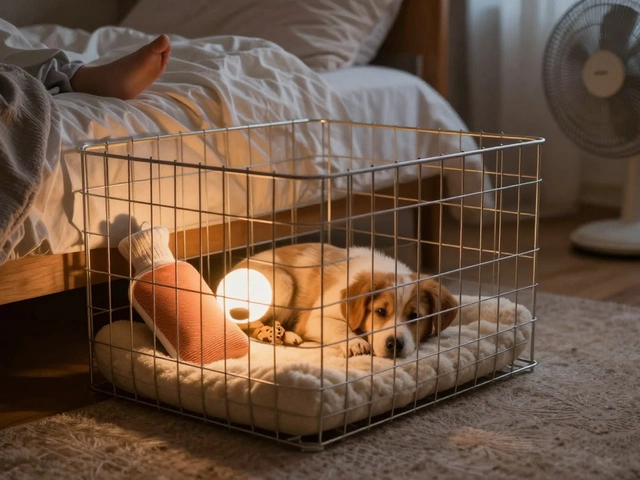
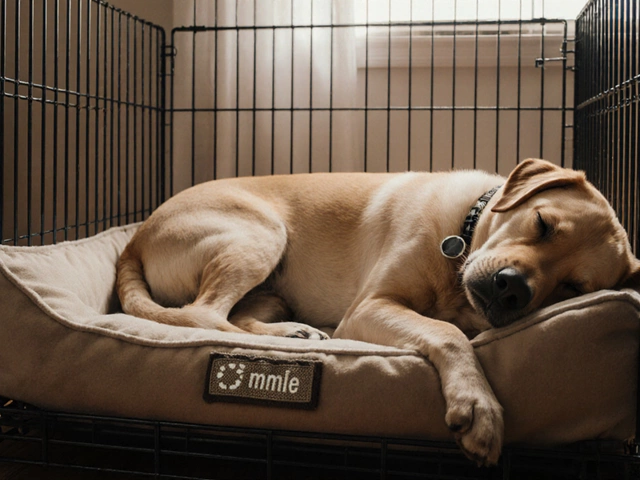
If you have a calm indoor dog who sleeps in a crate or on a bed, taking the collar off at night is usually the best move. Why? Because dogs spend roughly half their lives sleeping. That’s twelve hours a day where their neck muscles are relaxed, but the collar remains static. Over time, this constant pressure-even if minimal-can irritate the skin.
Watch for these signs that your dog needs a break from the band:
- Hair loss: Look for bald patches right under the chin or along the neck line. This is friction alopecia, caused by the collar rubbing against fur and skin repeatedly.
- Redness or rash: Moisture gets trapped under collars, especially in humid Auckland weather. This creates a breeding ground for yeast infections and hot spots.
- Odor: If your dog smells musty despite being clean, check under the collar. Dirt, saliva, and sweat accumulate there, creating a grimy layer that no amount of shampooing will fully reach.
Taking the collar off gives the skin a chance to breathe and recover. Think of it like removing socks after a long hike; your feet feel better, and so does your dog’s neck.
The Two-Collar System Strategy
So, do you throw away the ID tag and risk losing your dog, or keep the collar on and risk skin rot? The smartest solution used by experienced owners is the two-collar system. This approach separates the functions of identification and control.
| Collar Type | Best For | Risks | 24/7 Suitability |
|---|---|---|---|
| Breakaway/Safety Collar | ID tags, everyday wear, sleeping | Can pop off if pulled hard on leash | High |
| Flat Nylon/Leather | Walking, training, strong pullers | Strangulation risk if caught; skin irritation | Low (remove at night) |
| Martingale/Limited Slip | Sighthounds (Greyhounds, Whippets) | Not suitable for 24/7 due to tightening mechanism | Very Low |
| Harness | Walking, dogs with neck issues | Hard to attach ID tags securely | Medium (can chafe armpits) |
Here is how the strategy works: Keep a lightweight, comfortable breakaway collar with an ID tag on your dog at all times. This satisfies the legal and safety requirement for identification. When it’s time for a walk, put a sturdy walking harness or a separate flat collar over the top (or replace the breakaway one temporarily). When you get home, take off the walking gear but leave the light breakaway collar on. Or, if you prefer maximum skin health, remove everything at night and rely on a secure indoor environment.
Fitting Matters More Than Material
Even the most expensive collar will hurt if it doesn’t fit. Many owners buy a collar once when the puppy arrives and never adjust it again. As dogs grow, gain weight, or lose muscle mass, their neck circumference changes. A loose collar slides forward onto the throat, pressing on the windpipe. A tight collar digs into the skin, restricting blood flow.
Use the "Two-Finger Rule." Slide two fingers between the collar and your dog’s neck. If you can barely squeeze them in, it’s too tight. If you can easily slide four or five fingers through, it’s too loose and could slip off. Check this fit monthly. If you have a growing puppy, check weekly.
Material also plays a role in comfort. Nylon is durable but can trap heat. Leather breathes better but requires maintenance to prevent cracking. For sensitive-skinned breeds like Bulldogs or Pugs, consider padded collars or switching entirely to a harness for walks to reduce neck strain.
Legal and Practical Considerations in NZ
In New Zealand, local council bylaws vary, but generally, dogs must be controlled in public places. While wearing a collar isn’t always explicitly mandated by law in every single scenario, having visible identification is strongly encouraged and sometimes required. Under the Dog Control Act 1996, owners are responsible for ensuring their dogs can be identified. Microchipping is mandatory for all dogs registered with councils, but a collar with a phone number provides immediate contact without needing a vet visit.
Consider your specific living situation. If you live in a high-density apartment block in Auckland City with secure doors, the risk of escape is lower than someone living on a rural property in Waikato with open paddocks. Adjust your 24/7 policy based on your risk tolerance. If your dog is an expert escape artist who can open latches, a collar might not be enough-you might need double-leashing or secure enclosures regardless of what they wear.

Alternatives to Traditional Collars
If your dog hates collars or has chronic skin issues, you aren’t stuck. There are alternatives that provide ID without the neck pressure.
- Microchips: Permanent and reliable, but invisible. Ensure your registration details are up to date with the national database (NZCAR).
- Engraved Harnesses: Some manufacturers now offer harnesses with built-in name plates or loops for tags. This moves the ID to the chest, avoiding the neck entirely.
- GPS Trackers: Devices like Fi or Tractive attach to collars or harnesses. These are excellent for active dogs or those in remote areas, offering peace of mind that outweighs the minor inconvenience of wearing a device.
Remember, no alternative replaces the need for supervision. A GPS tracker dies. A microchip needs a scanner. Your eyes and attention are still the best tools for keeping your dog safe.
Final Thoughts on Daily Routine
There is no one-size-fits-all answer. For some dogs, a thin breakaway collar is invisible and harmless. For others, any band causes itching and distress. Listen to your dog. If they scratch at their neck constantly, shake their head, or seem reluctant to let you touch their ears, something is wrong.
Start by inspecting the neck daily. Clean the area under the collar with a damp cloth. Rotate materials if allergies appear. If you decide to go collar-free at night, ensure your house is dog-proofed. If you keep them on, prioritize safety features like breakaway clasps. Your goal isn’t just compliance-it’s comfort and security combined.
Is it cruel to leave a dog's collar on overnight?
It depends on the collar type and the dog. A tight, heavy, or ill-fitting collar left on overnight can cause skin irritation, hair loss, and discomfort. However, a properly fitted, lightweight breakaway collar is generally safe and recommended for emergency identification. Always check for signs of chafing or redness.
What kind of collar is safest for 24/7 wear?
A breakaway (safety) collar is the safest option for continuous wear. It features a clasp that releases if the collar gets caught on something, preventing strangulation. Avoid martingales, choke chains, or prong collars for 24/7 use as they can tighten unintentionally.
Do I need a collar if my dog is microchipped?
Yes, ideally. A microchip is permanent identification but requires a scanner and a vet or shelter visit to read. A collar with an ID tag allows anyone who finds your dog to contact you immediately, which is faster and more convenient. Microchips are a backup, not a replacement for visible ID.
How often should I change my dog's collar?
Inspect collars monthly for wear and tear. Replace them if the material is fraying, the buckle is stiff, or the holes are stretched. For growing puppies, you may need to size up every few months. Regular cleaning is also essential to prevent bacterial buildup.
Can a dog sleep comfortably in a collar?
Most dogs can sleep comfortably in a loose, soft collar. However, if the collar presses on the windpipe or rubs against the skin, it can disrupt sleep. Monitor your dog’s behavior; if they wake up frequently scratching or seem agitated, try removing the collar for a week to see if sleep quality improves.