Post-Grooming Behavior Decoder
Select the behavior you are observing in your dog to understand the likely cause and immediate steps to take.
Select a symptom
Click on a behavior from the list to see analysis and recommendations.
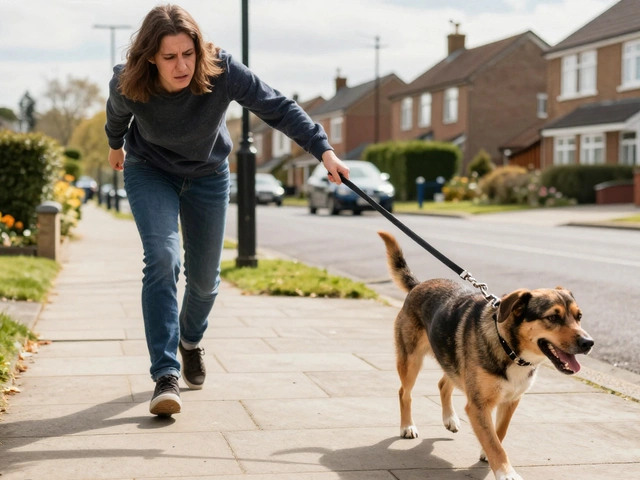
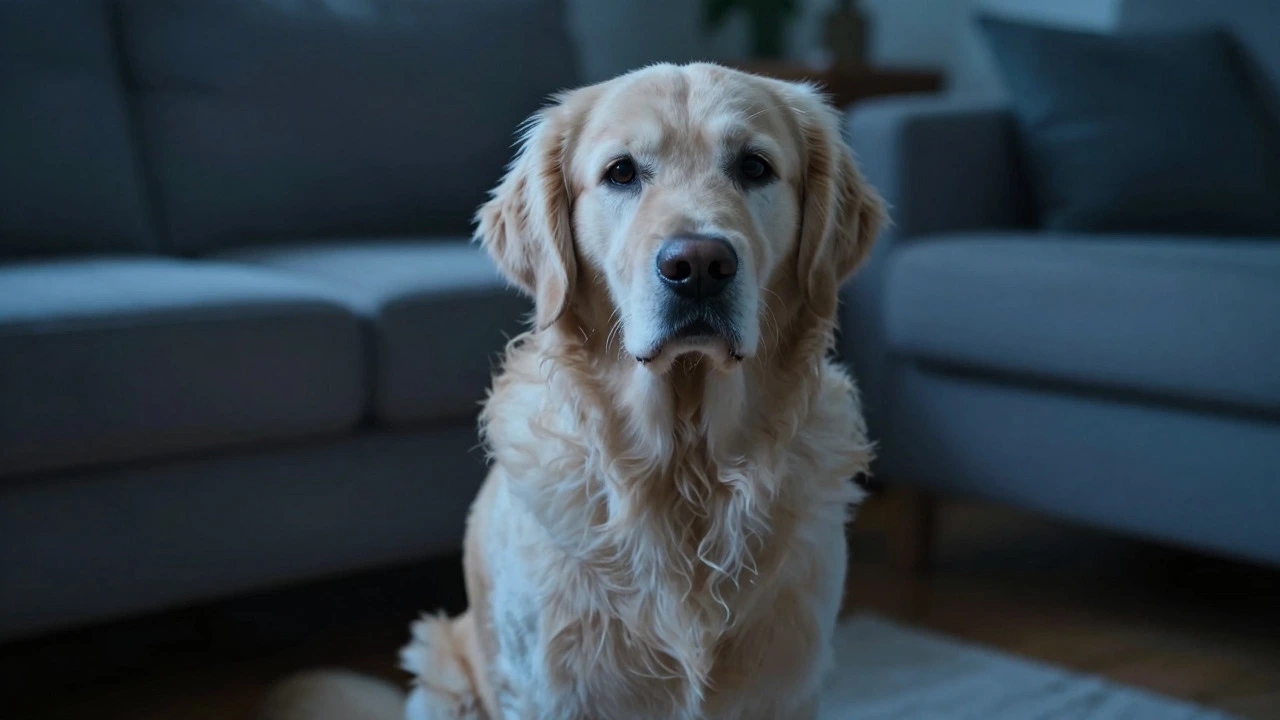
It happens to almost every dog owner. You drop your pup off for a routine bath and haircut, excited to see them fresh and fluffy. When you pick them up, they look great-but their personality has vanished. Maybe they’re hiding under the table, refusing to eat, or acting unusually aggressive toward you. It’s confusing and heartbreaking. Why does my dog act weird after the groomers?
The short answer is that the grooming process is often stressful for dogs. From the loud clippers to the unfamiliar environment, it’s a sensory overload. Understanding why this happens is the first step to fixing it. Let’s break down the specific reasons behind these behavioral shifts and how you can help your dog recover faster.
The Stress of Sensory Overload
Dogs experience the world primarily through their senses. A grooming salon is a chaotic place for their nervous system. Think about the sounds: the high-pitched whine of electric clippers, the roar of the dryer, and other dogs barking in cages. Then there are the smells: strong shampoos, disinfectants, and the scent of anxious animals.
This isn’t just annoying; it’s overwhelming. For a sensitive dog, this creates a state of hyper-arousal. Even if they seem calm during the appointment, the adrenaline stays in their system. When they get home, that residual stress manifests as odd behavior. They might be jumpy, unable to settle, or overly clingy. This is known as "post-event arousal." Your dog isn’t being difficult; they are literally trying to come down from a chemical high caused by fear.
Physical Discomfort and Pain
Sometimes, the weird behavior isn’t emotional-it’s physical. Have you ever had a haircut where the barber pulled too hard on your hair? Now imagine that happening all over your body, plus nails trimmed close to the quick.
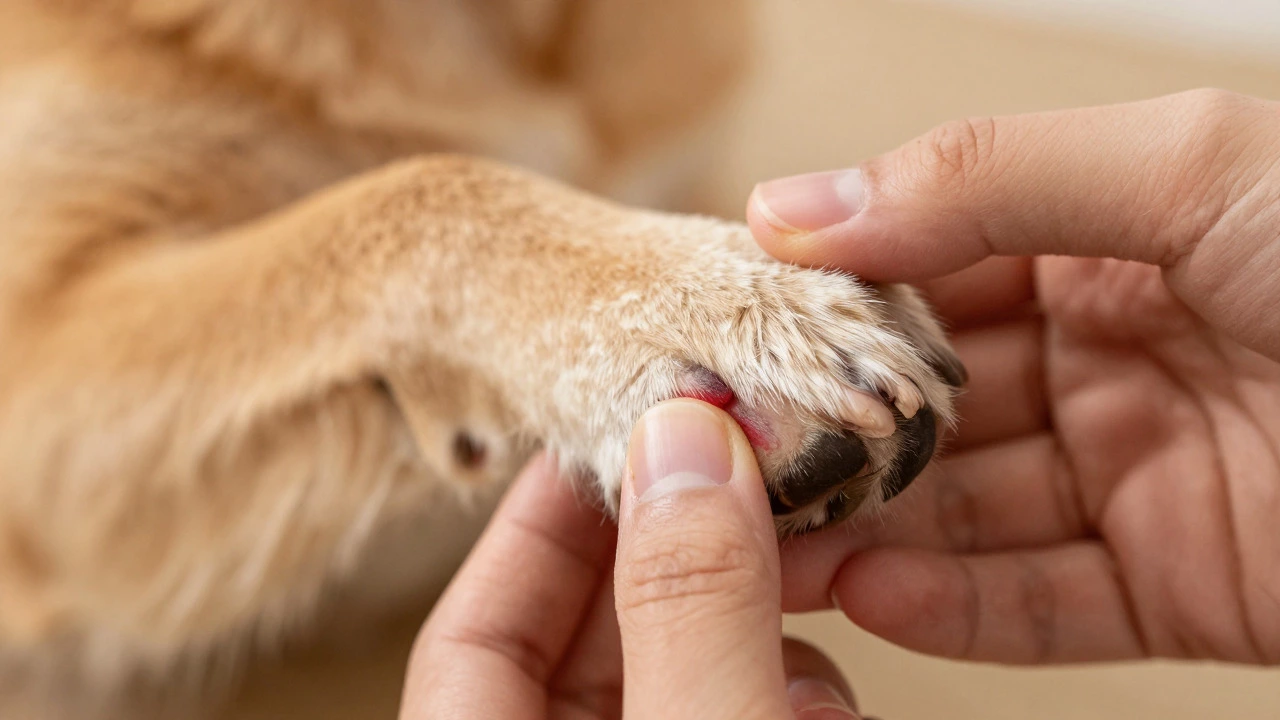
- Nail Trimming Issues: If the groomer cut the nail too short, hitting the quick (the blood vessel inside), your dog will have sharp pain. This causes limping or reluctance to put weight on a paw.
- Skin Irritation: Shampoos and conditioners can dry out sensitive skin. If your dog has allergies, the products used might cause itching or redness.
- Tangled Fur: If mats were shaved off, the skin underneath might be tender or sunburned if they go outside immediately.
If your dog is licking a specific spot excessively or flinching when touched, check for physical causes first. A quick inspection of their paws and skin can rule out pain as the culprit.
The Impact of Negative Associations
Dogs learn through association. If the last few times they went to the groomer involved restraint, loud noises, or discomfort, they start to dread the entire process. This is called classical conditioning. The car ride to the salon becomes a trigger for anxiety.
You might notice your dog acting weird not just after the groom, but even before. Signs include panting in the car, trembling, or hiding. This pre-existing anxiety makes the recovery period longer. The dog feels betrayed because they trusted you to take them somewhere scary. This can lead to temporary trust issues, where they avoid eye contact or turn away from you.
Changes in Routine and Environment
Dogs thrive on routine. Grooming disrupts this in several ways. First, they spend hours in a cage or on a table, which restricts their movement. Second, they lose their natural scent. Dogs identify themselves and their pack members by smell. When you bring them home smelling like lavender shampoo instead of their usual "dog" smell, they feel disoriented.
This loss of scent identity can make them insecure. They might sniff themselves repeatedly or try to roll in something dirty to regain their familiar odor. Additionally, the change in coat length affects their temperature regulation. A short-haired dog in winter might feel cold and uncomfortable, leading to shivering or seeking constant warmth.
How to Help Your Dog Recover
So, what can you do? You can’t undo the groom, but you can manage the aftermath. Here are practical steps to reduce stress and rebuild confidence.
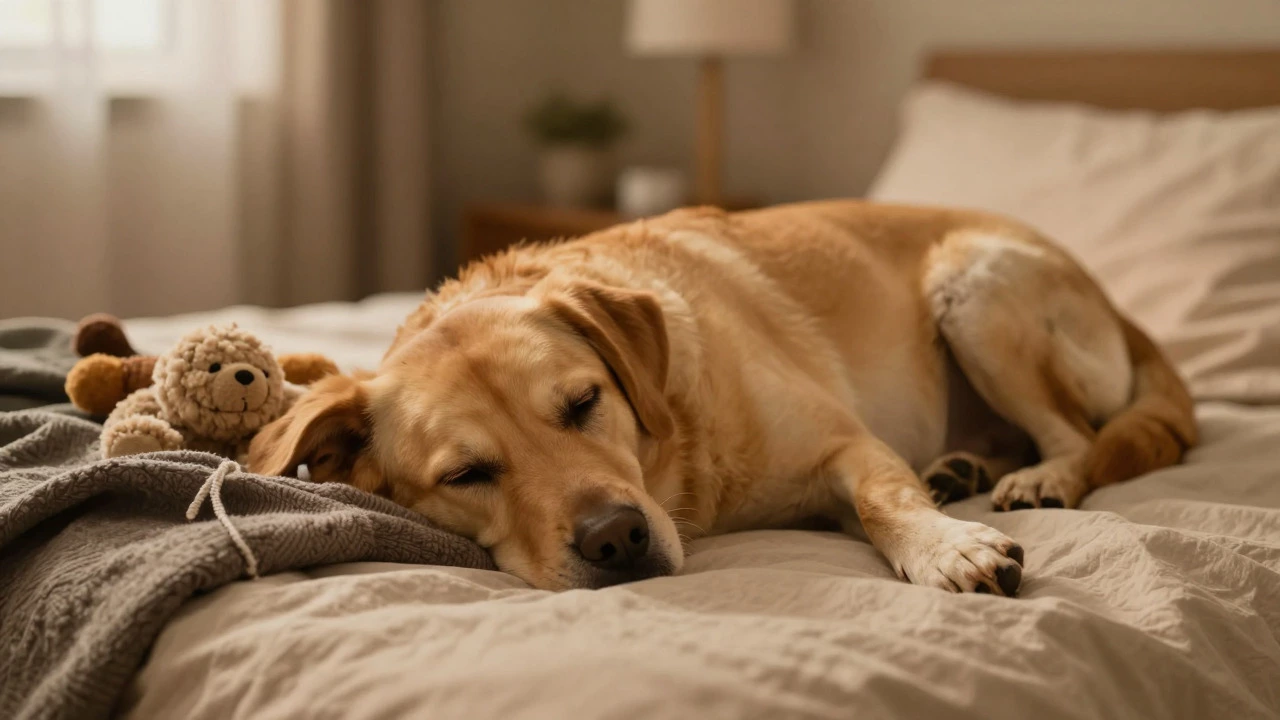
- Create a Quiet Zone: When you get home, don’t force interaction. Let your dog retreat to a quiet room with their bed and toys. Give them space to decompress without pressure.
- Use Calming Aids: Consider using pheromone diffusers like Adaptil, which mimic natural calming scents. These can help lower cortisol levels in the home environment.
- Re-establish Scent: Allow your dog to sniff around the house freely. Some owners even rub a bit of their own clothes on the dog’s bedding to reinforce the pack scent.
- Positive Reinforcement: Offer high-value treats and gentle praise. Avoid forcing play if they aren’t interested. Let them initiate contact.
- Check for Physical Issues: Inspect nails and skin daily for a few days. If irritation persists, consult your vet.
Preventing Future Anxiety
The best solution is prevention. Work with your groomer to create a less stressful experience. Ask if they offer "de-shedding" services that require less clipping, or if they use quieter tools. Some groomers specialize in fearful dogs and use slower, gentler techniques.
You can also desensitize your dog at home. Practice brushing their paws and ears regularly so touch doesn’t become a surprise. Play recordings of clipper sounds at low volume while feeding them treats. Over time, this builds positive associations with grooming stimuli.
| Behavior | Likely Cause | Action Required |
|---|---|---|
| Hiding under furniture | Overstimulation/Fear | Give space, no forcing |
| Refusing food | Stress-induced nausea | Offer bland diet, wait a few hours |
| Limping | Painful nail trim or injury | Inspect paws, consult vet if severe |
| Excessive licking | Skin irritation or anxiety | Check skin, use calming aids |
| Avoiding eye contact | Submissive stress | Gentle reassurance, no direct staring |
When to See a Vet
Most post-grooming weirdness fades within 24-48 hours. However, some signs indicate a more serious issue. Contact your veterinarian if:
- Your dog shows signs of severe pain (whining, growling when touched).
- There is bleeding from nails that won’t stop.
- Skin redness spreads or develops pustules.
- Anxiety symptoms persist for more than three days.
These could indicate infection, allergic reaction, or underlying medical conditions exacerbated by stress. Early intervention prevents minor issues from becoming major health problems.
Choosing the Right Groomer
If your dog consistently acts weird after grooming, it might be time to switch providers. Look for groomers who:
- Offer mobile services (grooming in your car reduces transport stress).
- Have experience with anxious breeds.
- Use positive reinforcement techniques rather than force.
- Allow you to observe the process.
Ask questions during the booking call. A good groomer will welcome your concerns and explain their methods. Don’t hesitate to try a different approach if your current setup isn’t working.
Building Long-Term Confidence
Grooming shouldn’t be a traumatic event. By understanding your dog’s perspective, you can transform it into a manageable part of life. Start small. Brush them at home between professional sessions. Reward calm behavior. Gradually increase exposure to grooming tools.
Remember, every dog is unique. What works for one might not work for another. Pay attention to your dog’s specific triggers. Is it the water? The noise? The handling? Identify the root cause and address it directly.
With patience and consistency, most dogs learn to tolerate-and even enjoy-grooming. The key is to prioritize their comfort over perfection. A slightly messy coat is better than a stressed-out dog.
How long does it take for a dog to return to normal after grooming?
Most dogs return to their normal selves within 24 to 48 hours. Highly anxious dogs may take up to 3 days. If abnormal behavior persists beyond this window, consult a veterinarian to rule out physical pain or infection.
Is it normal for my dog to hide after getting a haircut?
Yes, hiding is a common stress response. It indicates your dog felt overwhelmed by the sensory input of the grooming salon. Provide a quiet, safe space and let them emerge on their own terms. Do not force interaction.
Why is my dog limping after the groomers?
Limping usually suggests a painful nail trim (cutting the quick) or a minor injury sustained during handling. Check the paws for bleeding or swelling. Apply styptic powder if bleeding occurs. If the limp persists for more than a day, see a vet.
Can grooming cause aggression in normally friendly dogs?
Temporary irritability or defensive aggression can occur due to pain or extreme stress. This is often a displacement behavior. If aggression is severe or lasts more than a few days, seek advice from a certified dog trainer or behaviorist.
Should I skip grooming if my dog gets so stressed?
Not necessarily. Regular grooming is important for hygiene and health. Instead, find a groomer specializing in fearful dogs, opt for mobile grooming, or practice desensitization training at home to make the experience less traumatic.