Dog Bedtime Readiness & Routine Builder
Select the behaviors you've observed in the last hour before bed.
Your Personalized Plan:
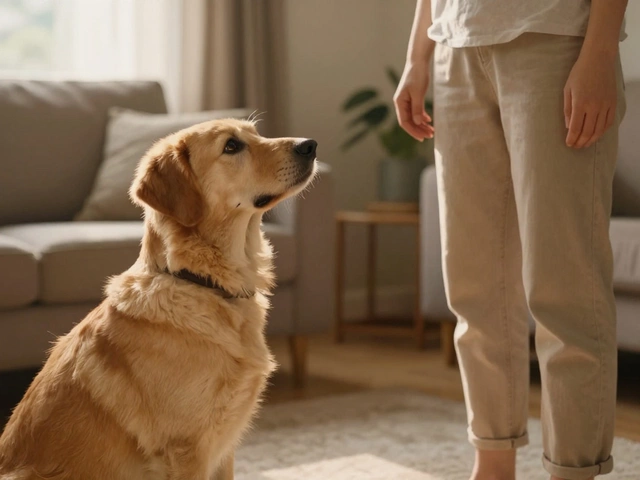
You’re brushing your teeth, the lights are dimming, and you expect your dog to head to their bed. Instead, they’re staring at you with wide eyes or pacing the hallway. It’s a common frustration for dog owners: why doesn’t your pup seem to get the memo that the day is over? The short answer is yes, dogs do know when it’s bedtime, but not in the way humans understand time. They don’t check a clock; they read the room.
Understanding how dogs perceive the end of the day requires looking at biology, habit, and environmental cues. Your dog’s internal clock, known as the circadian rhythm, is tuned to light and dark cycles, but it’s heavily influenced by your own daily patterns. If you want a peaceful night’s sleep, you need to align your dog’s biological drive with your household routine. Here’s how to decode those signals and fix any bedtime battles.
The Science Behind Canine Sleep Timing
Dogs are crepuscular animals, meaning they are naturally most active during dawn and dusk. Unlike humans, who are diurnal (active during the day), dogs have evolved to be alert during low-light periods. However, domestication has shifted this significantly. Most modern dogs have adapted to the human schedule, sleeping up to 14-16 hours a day. But knowing *when* to sleep isn’t just about exhaustion; it’s about anticipation.
Your dog’s brain releases melatonin, the sleep hormone, in response to darkness. But here’s the catch: artificial lighting interferes with this process. If you keep bright LED lights on until midnight, your dog’s melatonin production might be suppressed, keeping them wired long after you’ve hit the pillow. This mismatch between natural biological rhythms and artificial environments is often the root cause of late-night zoomies.
Furthermore, dogs are master observers. They associate specific actions with outcomes. If you always put on pajamas before feeding them their last treat, they learn that pajamas equal food, not sleep. To help your dog understand bedtime, you must create a consistent chain of events that leads exclusively to rest.
Reading Your Dog’s Body Language
How do you know if your dog actually wants to go to bed versus being bored or anxious? Watch for these physical signs:
- The "Sleepy Sigh": A deep exhale while lying down usually indicates contentment and readiness to rest.
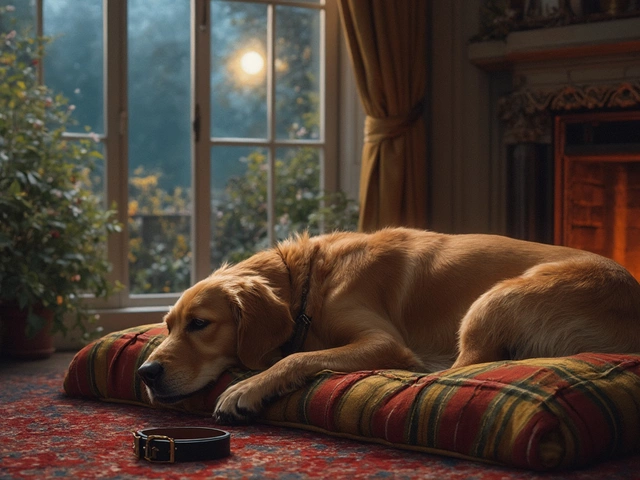
- Circle Behavior: Many dogs will circle their bed several times before settling. This is an ancestral instinct to flatten grass and check for predators, but in a home, it signals they are preparing for sleep.
- Lip Licking and Yawning: While often signs of stress, frequent yawning in a calm environment can indicate tiredness.
- Reduced Responsiveness: If your dog stops reacting to minor noises or toys, they are likely entering a pre-sleep state.
If your dog is panting excessively, pacing, or whining, they aren’t tired-they’re stressed or under-stimulated. In these cases, forcing them to bed won’t work. You need to address the underlying energy level first.

Building a Bedtime Routine That Works
Dogs thrive on predictability. A chaotic evening leads to a chaotic night. Creating a structured wind-down period helps signal to your dog’s brain that high-energy activities are over. Think of it as a countdown timer made of actions rather than minutes.
| Time Before Bed | Action | Purpose |
|---|---|---|
| 60 Minutes | Final potty break & quiet walk | Empty bladder/bowels; lower stimulation |
| 30 Minutes | Remove toys; turn off TV/loud music | Reduce visual and auditory noise |
| 15 Minutes | Gentle grooming or brushing | Calming tactile interaction |
| 5 Minutes | Dim lights; use calming pheromone spray | Mimic sunset; trigger relaxation response |
| Bedtime | Command "Go to bed"; reward with chew | Positive association with sleep spot |
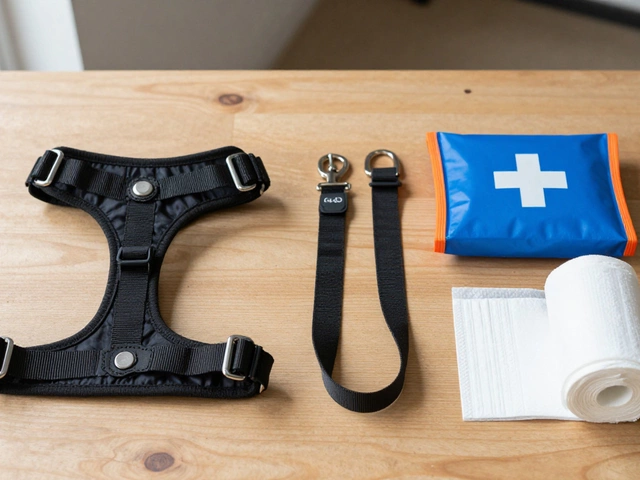
Consistency is key. If you occasionally let your dog sleep on the couch and other times force them to their crate, they’ll never feel secure enough to relax fully. Pick one spot and stick to it. For many owners, especially those traveling or hosting guests, having a portable crate or a familiar blanket helps maintain this routine even outside the home.
Common Reasons Dogs Resist Bedtime
If your dog fights bedtime, it’s rarely because they “don’t know” it’s time. It’s usually because something else is more appealing or uncomfortable.
FOMO (Fear Of Missing Out): Dogs are pack animals. If the rest of the family is still active, eating, or watching TV, your dog may feel excluded. They stay awake to monitor the pack. Solution: Provide a comfortable bed in the same room where the family is relaxing, but out of direct foot traffic. Let them see you, but don’t engage.
Under-Exercise: A tired dog is a good dog, but mental fatigue matters too. If you only took them for a quick pee break, they have pent-up energy. Engage their brain with puzzle toys or scent games earlier in the evening. Mental exhaustion promotes deeper sleep than physical exhaustion alone.
Environmental Discomfort: Check the temperature. Dogs regulate heat differently than humans. If your bedroom is too hot, they’ll move away. Conversely, older dogs with arthritis may find hard floors painful. Orthopedic beds can make a massive difference for senior pups.

Troubleshooting Nighttime Anxiety
Some dogs suffer from separation anxiety or nighttime fears. Thunderstorms, fireworks, or strange noises can disrupt sleep. If your dog wakes up frequently or refuses to settle, consider these adjustments:
- White Noise: Use a fan or a dedicated white noise machine to mask sudden outdoor sounds like cars or barking neighbors.
- Safe Space Training: Ensure the crate or bed is associated with positive things, not punishment. Never send a dog to bed as a timeout.
- Check for Pain: Sudden changes in sleep behavior can indicate health issues. Arthritis, dental pain, or gastrointestinal discomfort can make lying down painful. If the change is abrupt, consult your vet.
Remember, every dog is different. Some puppies need to be crated to prevent accidents, while adult dogs might prefer free-roaming. Tailor the approach to your dog’s age, breed, and personality. Working breeds like Border Collies or Australian Shepherds often need more mental winding down than laid-back breeds like Basset Hounds.
Adapting Routines for Travel and Holidays
Since you’re interested in dog-friendly holidays, maintaining sleep routines while traveling is crucial. Disrupted sleep leads to cranky dogs and exhausted owners. When staying in hotels or Airbnbs, bring your dog’s familiar bedding. The scent of home provides comfort. Keep the bedtime routine identical to what you do at home, even if the location changes. If you normally brush them before bed, do it in the hotel bathroom. These anchors help your dog feel safe in new environments.
Also, be mindful of local time zones. If you travel across time zones, gradually shift your dog’s meal and walk times a few days before departure. On arrival, expose them to morning sunlight immediately to reset their circadian rhythm. This helps prevent jet lag, which affects dogs just like it affects humans.
How do I teach my puppy to go to bed?
Start early with a consistent command like "Go to bed." Lead the puppy to their designated spot with a treat, say the command, and reward them once they lie down. Keep sessions short and positive. Puppies have small bladders, so ensure they’ve had a final potty break right before bed to avoid waking up due to needing to go out.
Should I let my dog sleep in my bed?
This depends on personal preference and the dog’s behavior. If your dog sleeps through the night without snoring loudly, moving excessively, or showing resource guarding tendencies, sharing a bed is fine. However, if you have allergies or need uninterrupted sleep, providing a separate bed nearby is better. Consistency is key regardless of the choice.
Why does my dog pace before sleeping?
Pacing is often an instinctual behavior inherited from wild ancestors who would trample down tall grass to create a sleeping area. It can also indicate mild anxiety or discomfort. If the pacing is excessive and accompanied by whining, check for physical pain or environmental stressors. A comfortable, supportive bed can sometimes reduce this behavior.
Can dogs tell time?
Dogs don’t understand clocks, but they have a strong sense of time intervals based on internal body clocks and external cues like light levels and hunger. They can anticipate regular events like walks or meals. Their ability to sense time passing is linked to their circadian rhythms and memory of past experiences.
What should I do if my dog keeps me up all night?
First, rule out medical issues. Then, increase daytime exercise and mental stimulation. Establish a strict wind-down routine that reduces excitement in the hour before bed. If the behavior persists, consider consulting a certified animal behaviorist to address potential anxiety or learned behaviors.