Cesar Millan's Prong Collar Decision Tool
Answer these questions to see if a prong collar fits your situation according to The Dog Whisperer's philosophy.
Step 1: Assess Your Dog's Behavior
Step 2: Breed & Size Check
Step 3: Training History
Recommendation
Millan's Rules Checklist
Walking your dog feels like a tug-of-war match you’re destined to lose. You’ve tried treats, leashes, and patience, but the pulling persists. Then you hear about prong collars, also known as pinch collars or correction collars, which are training tools featuring metal prongs that press into a dog’s neck when tension is applied to the leash. They promise immediate control. But do they work? And more importantly, what does the most famous dog trainer in the world, Cesar Millan, widely recognized as The Dog Whisperer, who is a behavioral expert known for his philosophy of exercise, discipline, and calm leadership, say about them?
The answer isn’t a simple yes or no. It’s nuanced, practical, and rooted in his core belief that dogs respond to energy, not just physical pressure. If you’re considering using a prong collar, understanding Millan’s specific conditions for their use can save your dog from unnecessary pain and frustration.
The Core Philosophy: Energy Over Equipment
To understand why Cesar Millan has any opinion on gear at all, you first have to grasp his foundational theory. For Millan, equipment is secondary to the handler’s state of mind. He famously states that a dog needs three things: Exercise, physical activity to tire the body; Discipline, consistent rules and boundaries; and Calm Energy. Without these, no collar-flat, martingale, or prong-will truly solve behavioral issues.
Millan argues that many owners reach for aversive tools because they lack confidence. A prong collar might stop a dog from pulling, but if the owner is anxious, tense, or inconsistent, the dog remains stressed. The tool becomes a crutch rather than a solution. In his view, the primary goal is always to establish a calm, confident leader. If you can project that energy, you often don’t need heavy-duty gear. However, he acknowledges that sometimes, physical aids are necessary to bridge the gap between a reactive dog and a trained one.
When Does Cesar Millan Recommend Prong Collars?
Despite his emphasis on gentle leadership, Millan is not a strict advocate of force-free methods only. He is pragmatic. He recommends prong collars in specific scenarios where other methods have failed or where safety is immediately compromised. Here are the situations where he sees value in this tool:
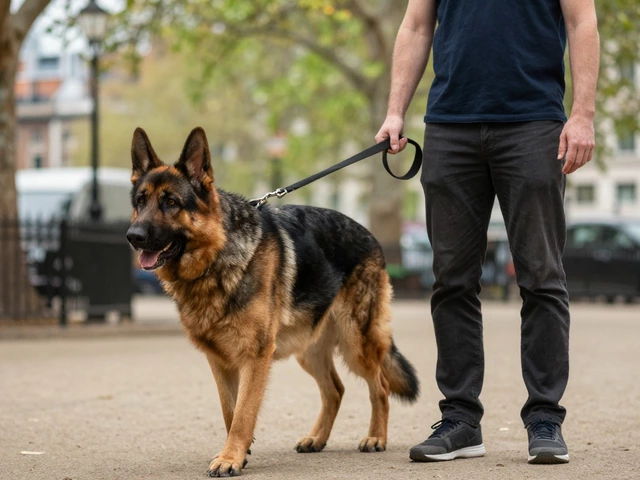
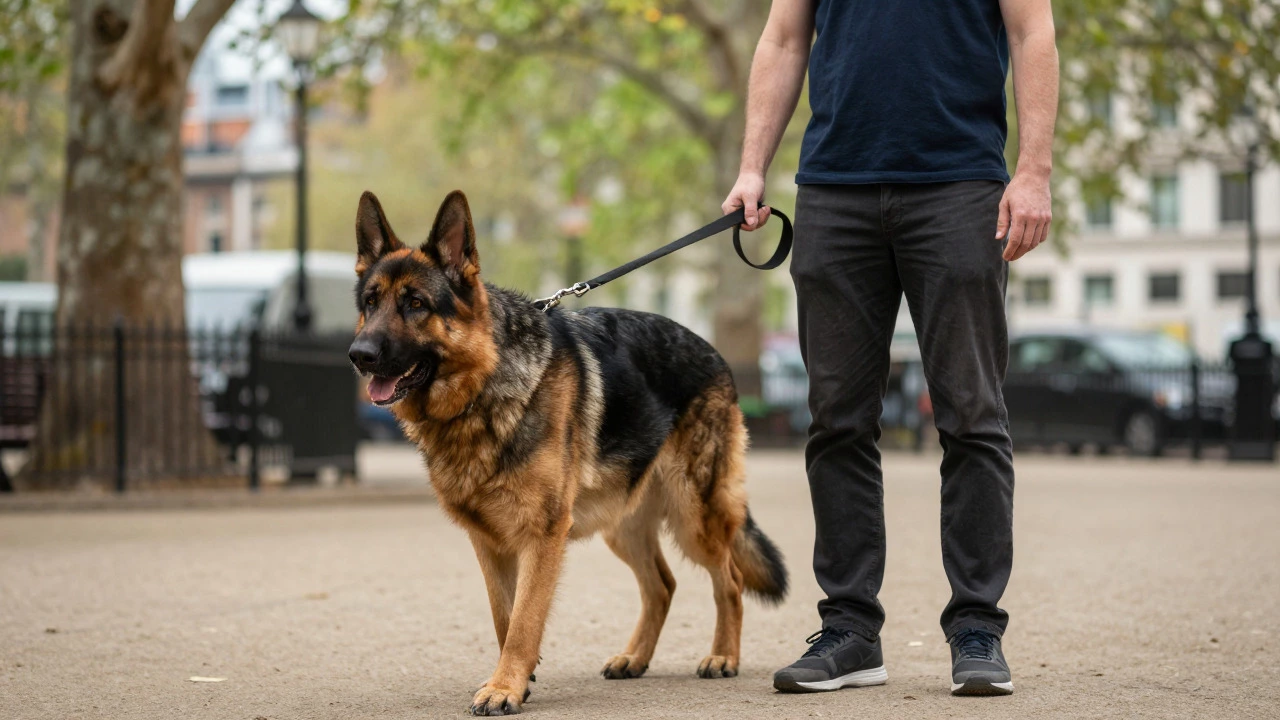
- Large, Powerful Breeds: For dogs like German Shepherds, Rottweilers, or Great Danes, a flat collar may simply slip off or fail to provide enough feedback. A prong collar offers a broader surface area of pressure, distributing force more evenly than a choke chain.
- Severe Pulling: When a dog pulls with such intensity that it risks injuring the owner’s back or causing the dog to gag, a prong collar provides an immediate, clear signal to stop.
- Reactive Dogs: For dogs that lunge at other dogs or people, the quick feedback of a prong collar can interrupt the behavior before it escalates into aggression.
- Failure of Positive Reinforcement Alone: If clicker training and treat rewards haven’t yielded results after weeks of consistent effort, Millan suggests escalating to a tool that provides clearer communication.
In these cases, the prong collar is not a punishment device. It is a communication tool. It mimics the sensation of a mother dog’s teeth gently holding a puppy’s skin-a natural, non-painful feedback mechanism in the canine world.
The Critical Rules for Using a Prong Collar Correctly
This is where most people go wrong. Millan insists that a prong collar is only effective if used correctly. Misuse turns a training aid into an instrument of abuse. Here are his non-negotiable rules:
- Proper Fit is Essential: The collar must sit high on the neck, just behind the ears and under the jawline. This is the "pressure point" where dogs naturally feel control. If it sits low on the throat, it causes choking and discomfort without providing clear feedback.
- Short Leash Only: Never use a prong collar with a long leash. The correction must be instantaneous. A six-foot leash allows too much slack, delaying the signal and confusing the dog.
- No Constant Pressure: The collar should only engage when the dog pulls. If you leave the dog tethered with a prong collar, the constant pressure desensitizes the dog and causes irritation. It is a dynamic tool, not a static restraint.
- Pair with Rewards: Use the prong collar to stop unwanted behavior, then immediately reward the desired behavior (loose-leash walking) with praise or treats. This teaches the dog what *to* do, not just what *not* to do.
- Temporary Use: Millan views the prong collar as a temporary bridge. Once the dog learns to walk politely, you should transition back to a flat collar or harness. The goal is independence from the tool.
Prong Collars vs. Other Tools: A Comparison
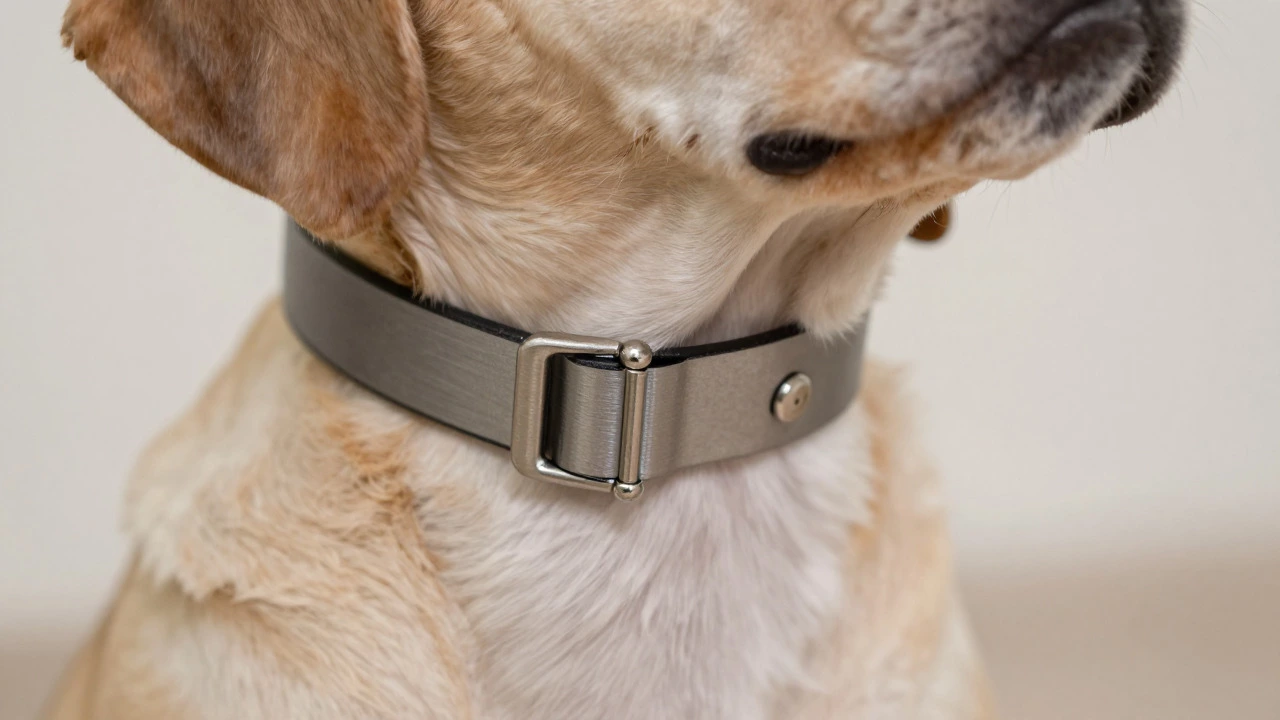
How does the prong collar stack up against other common training aids? Understanding the differences helps you choose the right tool for your dog’s size and temperament.
| Collar Type | Best For | Mechanism | Risk Level | Millan’s View |
|---|---|---|---|---|
| Flat Collar | Small dogs, casual walks | Identification only; minimal control | Low | Good for ID, poor for training pullers |
| Martingale Collar | Sighthounds, narrow-headed breeds | Tightens slightly to prevent slipping | Low | Preferred for breeds that slip out of flat collars |
| Choke Chain | Historical training | Tightens around trachea | High (if misused) | Largely replaced by prong collars for better distribution |
| Prong Collar | Large, powerful, or reactive dogs | Pressure points mimic bite inhibition | Medium (requires skill) | Effective when used correctly with calm energy |
| Front-Clip Harness | Beginners, small dogs, arthritis | Redirects momentum sideways | Very Low | Good starting point, but less precise than prong |
Common Mistakes That Turn Tools Into Torture
Even with Millan’s guidelines, many owners misuse prong collars. Here’s what to avoid:
- Using It as a Punishment Device: Yanking the collar randomly to "scold" the dog creates fear, not respect. Corrections must be tied directly to the action (pulling).
- Ignoring Body Language: If your dog shows signs of stress-whale eye, lip licking, tucked tail-you’re moving too fast. Step back to basic obedience before reintroducing the tool.
- Leaving It On Unsupervised: Never leave a prong collar on a dog while they play or sleep. The prongs can catch on fences, toys, or fur, causing injury.
- Assuming It Fixes Everything: A prong collar won’t fix separation anxiety, resource guarding, or fear-based aggression. These require behavioral modification, not just physical control.

Alternatives to Consider Before Reaching for Prongs
Before investing in a prong collar, consider if simpler solutions might work. Millan often starts with basics:
- Increase Exercise: A tired dog is a good dog. Ensure your dog gets vigorous daily exercise tailored to their breed and age.
- Change Direction: When your dog pulls, simply turn around. This teaches them that pulling leads nowhere, while staying close leads forward.
- Use a Front-Clip Harness: For moderate pullers, a harness that clips on the chest redirects their momentum, making pulling ineffective without adding pressure to the neck.
- Consistent Routine: Dogs thrive on predictability. Feed, walk, and train at the same times each day to reduce anxiety-driven behaviors.
Frequently Asked Questions
Does Cesar Millan think prong collars are cruel?
No, Cesar Millan does not believe prong collars are inherently cruel if used correctly. He views them as a communication tool that mimics natural canine feedback. However, he considers them cruel when misused, fitted improperly, or used by owners lacking calm energy and consistency.
Can I use a prong collar on my small dog?
Generally, no. Prong collars are designed for large, powerful breeds. For small dogs, the pressure can be disproportionate and painful. A front-clip harness or martingale collar is usually a safer and more effective choice for smaller breeds.
How long should I use a prong collar?
Millan recommends using a prong collar as a temporary training aid. Once your dog consistently walks on a loose leash, you should transition back to a flat collar or harness. The goal is to phase out the tool entirely, not rely on it indefinitely.
What is the difference between a prong collar and a choke chain?
A choke chain tightens around the entire circumference of the neck, potentially compressing the trachea. A prong collar distributes pressure across multiple points on the neck, mimicking the sensation of a bite. Millan prefers prong collars because they offer more precise feedback with less risk of airway damage when used correctly.
Do prong collars cause pain?
When fitted and used correctly, prong collars should not cause sharp pain. They create a dull, pressing sensation similar to a firm hand on the shoulder. Pain usually indicates improper fit (too low on the neck), excessive force, or blunt prongs that aren't rounded.
Should I consult a professional before using a prong collar?
Yes, highly recommended. Because proper technique is critical, working with a certified trainer ensures you’re applying corrections correctly and reading your dog’s body language. Misuse can worsen behavioral issues or cause physical injury.