Dog Supplement Need Checker
Analysis Result
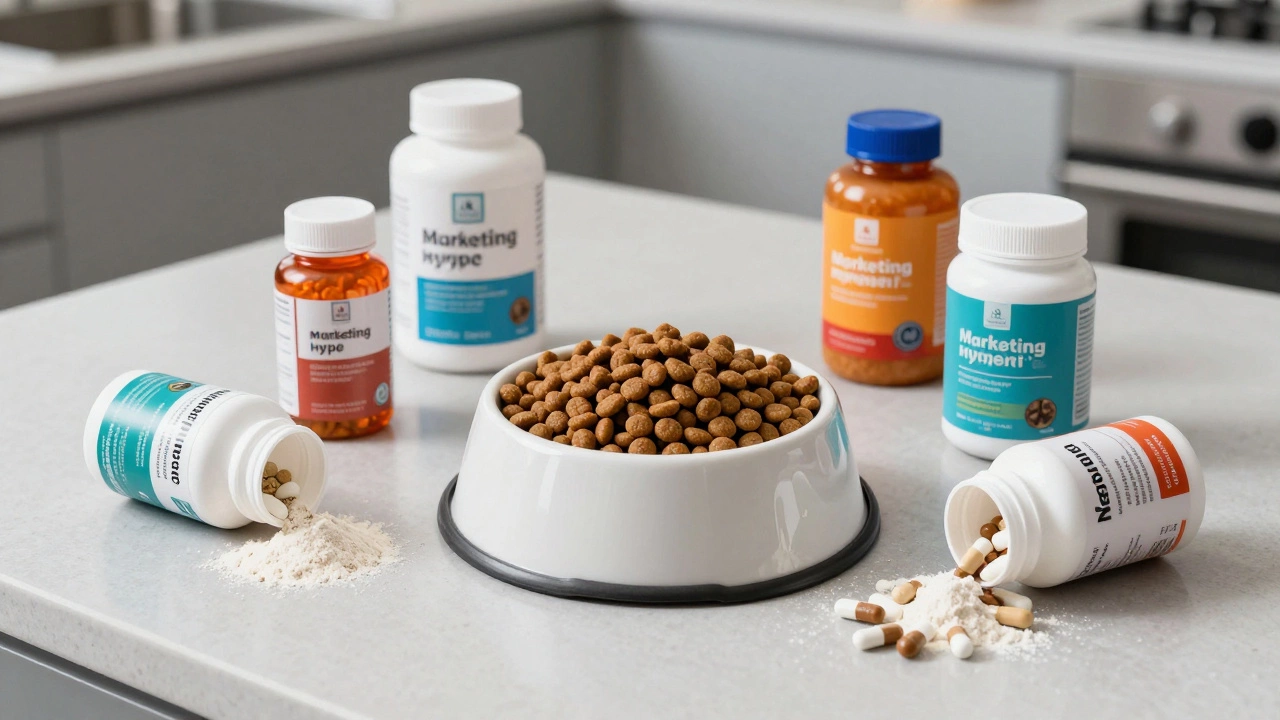
You’ve probably seen them everywhere. From the back of your favorite magazine to targeted ads on social media, bottles promising shinier coats, stronger joints, and happier dogs are popping up constantly. It’s easy to feel like you’re failing your pet if their food bowl doesn’t have a sidecar of pills. But here is the hard truth: most healthy dogs do not need supplements at all. In fact, adding unnecessary powders or chews can sometimes do more harm than good.
The question isn't just "should I give my dog supplements?" It’s "is my dog actually missing something?" To answer that, we have to look past the marketing hype and get into the biology of what a dog actually needs to thrive. Let’s break down when these products are genuine help and when they are just expensive urine.
The Myth of the 'Perfect' Commercial Diet
Most owners assume that because they buy high-quality kibble or wet food, their dog is covered. And for the vast majority of pets, this is true. Commercial diets sold in reputable stores must meet specific nutritional standards set by organizations like the Association of American Feed Control Officials (AAFCO), which sets minimum nutrient profiles for complete and balanced pet foods. If a bag of food claims to be "complete and balanced," it legally contains everything your dog needs-protein, fats, carbohydrates, vitamins, and minerals-in the right ratios.
Think of it like human multivitamins. If you eat three square meals a day with vegetables, fruits, lean meats, and whole grains, you likely don’t need a pill bottle. You might take one as insurance, but it’s rarely critical. The same logic applies to dogs. Unless there is a diagnosed deficiency or a specific life-stage issue, topping off a complete diet with extra nutrients is usually redundant.
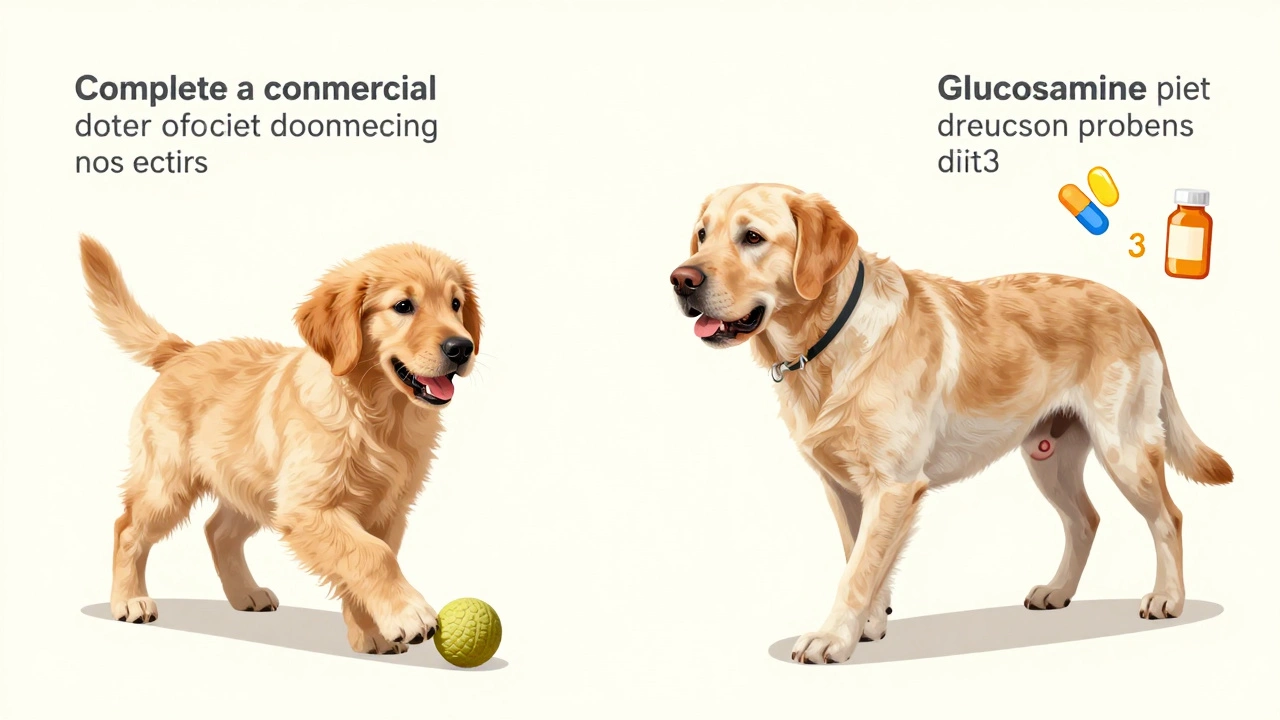
However, "complete" doesn't always mean "perfect for your individual dog." Life stages change nutritional needs. A puppy growing rapidly has different requirements than a senior dog fighting arthritis. This is where the nuance lies. We aren't talking about fixing a broken diet; we are talking about supporting a changing body.
When Supplements Actually Make Sense
There are specific scenarios where veterinary guidance often points toward supplementation. These aren't guesses; they are responses to physiological changes or medical conditions. Here are the most common situations where adding something to the bowl is backed by science.
| Supplement Type | Primary Benefit | Who Needs It? |
|---|---|---|
| Glucosamine & Chondroitin | Supports cartilage health and joint lubrication | Large breeds, seniors, or dogs with diagnosed osteoarthritis |
| Omega-3 Fatty Acids | Reduces inflammation, supports skin/coat, aids brain function | Dogs with dry skin, allergies, or cognitive decline |
| Probiotics | Restores gut flora balance | Dogs recovering from antibiotics, diarrhea, or stress-related GI issues |
| Vitamin D | Calcium absorption and bone health | Rarely needed unless diet is severely deficient or home-prepared without vet oversight |
Glucosamine is perhaps the most famous supplement in the pet world. It is a building block for cartilage. As dogs age, their natural production of glucosamine drops, leading to stiffer joints. For a Golden Retriever hitting their seventh birthday, or a Labrador with hip dysplasia, this isn't a luxury-it's a management tool. Studies suggest that consistent use can slow the progression of joint degeneration, though it won't reverse damage already done.
Then there are Omega-3 fatty acids, specifically EPA and DHA found in fish oil. Unlike Omega-6s, which are abundant in most commercial dog foods, Omega-3s are often low. They are potent anti-inflammatories. If your dog scratches constantly due to mild allergies or has a dull coat, a high-quality fish oil supplement can make a visible difference within weeks. It’s one of the few supplements with broad benefits beyond just one organ system.
The Hidden Dangers of Over-Supplementation
This is the part most marketing campaigns skip. More is not better. In fact, too much of a good thing can be toxic. Vitamins are not harmless water-soluble magic bullets. Fat-soluble vitamins like A, D, E, and K accumulate in the body. If you overdose your dog on Vitamin D, thinking it will make their bones stronger, you risk causing hypercalcemia, which can lead to kidney failure and calcification of soft tissues.
Consider Zinc. Many dog foods are fortified with zinc. If you add a separate zinc supplement on top of that, you can cause copper deficiency, leading to anemia and neurological issues. This is a classic example of nutrient antagonism, where one mineral blocks the absorption of another. Your liver and kidneys have to work overtime to filter out the excess, putting unnecessary strain on organs that should be resting.
Another risk is contamination. The supplement industry is not as tightly regulated as pharmaceuticals. Some studies have found heavy metals, pesticides, or inconsistent dosages in popular pet supplements. Just because a product says "natural" doesn't mean it's safe. Always look for third-party testing certifications, such as those from NSF International or the National Animal Supplement Council (NASC), which verify purity and potency.
Whole Food vs. Pill: The Better Approach
If you want to boost your dog’s nutrition without reaching for a bottle, look at their plate. Adding small amounts of real food can provide bioavailable nutrients that pills struggle to replicate. Bioavailability refers to how easily the body can absorb and use a nutrient. Often, nutrients from whole foods come packaged with cofactors that aid absorption.
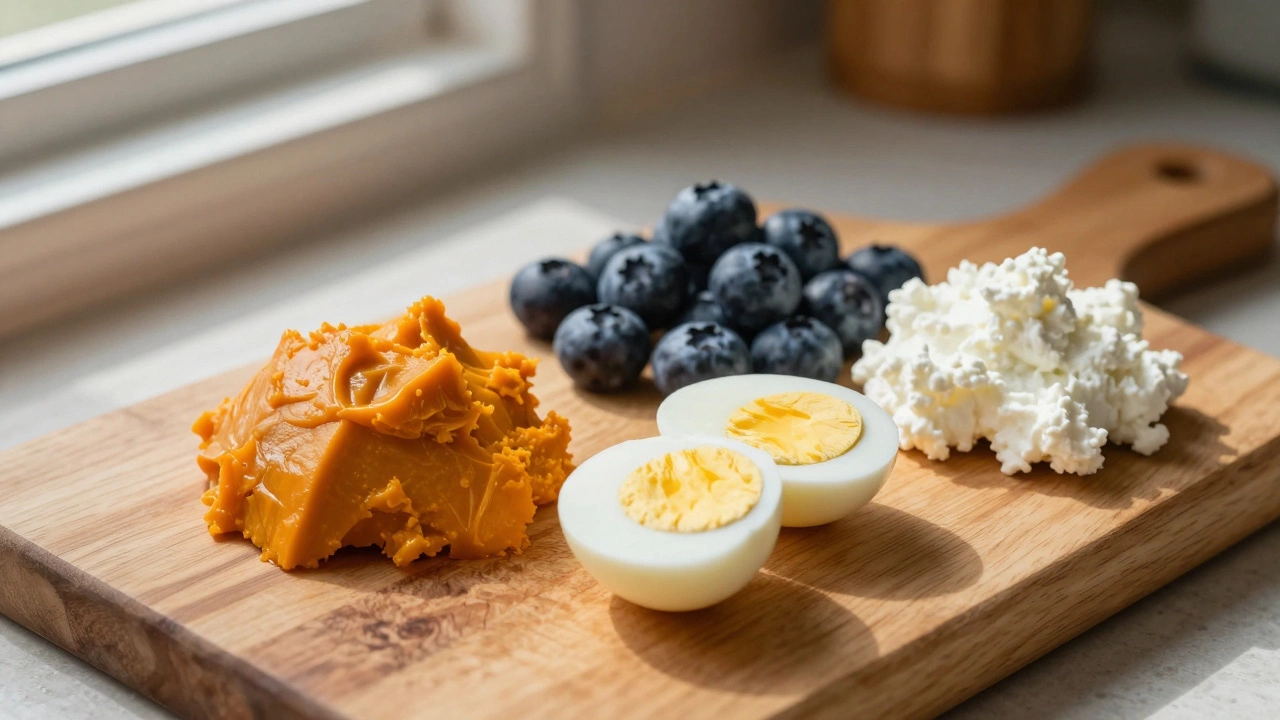
- Pumpkin: Pure canned pumpkin (not pie filling) is rich in fiber and beta-carotene. It’s excellent for regulating bowel movements, whether your dog is constipated or has loose stools.
- Eggs: Cooked eggs are a powerhouse of protein, biotin, and fatty acids. They support muscle repair and promote a glossy coat.
- Blueberries: Packed with antioxidants, these tiny berries help fight cellular damage and support immune health. They are also a great low-calorie training treat.
- Cottage Cheese: Low-fat cottage cheese provides calcium and probiotics, aiding digestion and bone health in moderation.
This approach allows you to control exactly what goes into your dog’s system. You avoid fillers, artificial preservatives, and unknown additives often found in chewable tablets. Plus, most dogs love the taste, making mealtime more engaging.
How to Talk to Your Vet About Supplements
Before buying anything, have a conversation with your veterinarian. Don’t just ask, "Can I give this?" Ask, "Does my dog need this based on their bloodwork and lifestyle?" A good vet will look at your dog’s weight, age, breed predispositions, and current diet.
If you feed a homemade diet, supplementation is non-negotiable. Homemade meals are rarely balanced without careful formulation by a veterinary nutritionist. In this case, you aren't "adding" supplements; you are completing the nutritional profile. But if you feed commercial food, your vet might advise against any additions unless a specific issue arises.
Be honest about what you are currently feeding. Bring the bag of food or the recipe to the appointment. Your vet needs to know the baseline to calculate if there is a gap. They may recommend blood tests to check for deficiencies before starting any regimen. This proactive approach saves money in the long run and prevents potential toxicity.
Reading the Label: What to Look For
If you and your vet decide a supplement is necessary, knowing how to read the label is crucial. The market is flooded with products that sound scientific but lack substance. Here is what separates quality from filler.
- Active Ingredients First: The ingredient list is ordered by weight. If "flavoring" or "filler" appears before the active nutrient, the product is mostly junk. You want the key nutrient (e.g., Glucosamine HCl) to be the first item listed.
- Dosage Clarity: The label should clearly state how much of the active ingredient is per serving. Vague terms like "proprietary blend" hide the actual amounts, making it impossible to dose correctly.
- Third-Party Testing: Look for seals from independent labs. This confirms that what is on the label is actually in the bottle and that the product is free from contaminants like salmonella or heavy metals.
- Form Factor: Powders and liquids often offer better absorption rates than hard chews, which may contain starches and sugars to hold their shape. However, if your dog refuses pills, a tasty chew might be the only way to ensure compliance.
Price is also an indicator. High-quality ingredients cost money. If a bottle of Omega-3s costs less than a tank of gas, question the source of the fish oil. Cheap oils may be rancid or oxidized, which can actually increase inflammation instead of reducing it. Smell the bottle if possible; fresh fish oil should smell like the ocean, not like rotting trash.
Special Considerations for Senior Dogs
As dogs enter their golden years, their metabolism slows, and their bodies become less efficient at processing nutrients. This is when targeted supplementation often becomes most valuable. Senior dogs are prone to cognitive dysfunction syndrome (similar to Alzheimer's in humans). Antioxidants like Vitamin E and C, along with MCT oil (medium-chain triglycerides), have shown promise in supporting brain health.
Joint health remains the biggest concern. Beyond glucosamine, some vets recommend green-lipped mussel extract, which contains unique fatty acids and glycosaminoglycans that reduce joint pain and swelling. It’s a natural alternative for dogs that don’t respond well to synthetic supplements.
Kidney function also declines with age. While you shouldn't supplement blindly, ensuring adequate hydration and potentially adding B-vitamins (which are water-soluble and excreted easily) can support energy levels. However, phosphorus restriction is often necessary for dogs with chronic kidney disease, so always consult your vet before adding bone broths or organ meats, which are high in phosphorus.
Final Thoughts: Less Is Often More
The goal of dog ownership is health and happiness, not a pharmacy cabinet full of unopened bottles. For most dogs, a high-quality, species-appropriate diet provides everything they need. Supplements should be viewed as tools for specific problems, not daily necessities.
Start with observation. Is your dog’s coat dull? Are they stiff after sleeping? Do they have digestive upset? Identify the symptom, then seek the solution. If the solution involves a supplement, choose one with proven efficacy, third-party verification, and appropriate dosage. And always, always involve your veterinarian in the decision-making process. Your dog can’t tell you if they feel better or worse, but you can learn to spot the signs-and know when to reach for the food bowl instead of the pill box.
Can I give my dog human vitamins?
Generally, no. Human vitamins are formulated for human physiology and can contain toxic levels of certain nutrients for dogs. For example, iron supplements can be fatal to dogs in large doses, and some human multivitamins contain xylitol, a sweetener that is highly toxic to canines. Always use products specifically designed for pets.
How long does it take for dog supplements to work?
It depends on the supplement. Probiotics may show results in days for digestive issues. Joint supplements like glucosamine typically take 4 to 8 weeks to build up in the system and show noticeable improvement in mobility. Skin and coat improvements from Omega-3s usually appear within 4 to 6 weeks. Consistency is key.
Are bone broth supplements safe for dogs?
Yes, if prepared correctly. Homemade bone broth should be made without onions, garlic, or excessive salt, as these are toxic to dogs. Store-bought broths must be checked for ingredients. Bone broth is hydrating and rich in collagen, but it should not replace water or a balanced diet. Avoid giving bones themselves, as they can splinter and cause internal injury.
What is the best supplement for a dog with anxiety?
Supplements containing L-theanine, tryptophan, or calming herbs like chamomile and valerian root can help mild anxiety. CBD oil is also gaining popularity, though research is still ongoing. For severe anxiety, behavioral training and prescription medication from a vet are often more effective than supplements alone.
Do puppies need supplements?
Rarely. Puppy food is carefully formulated to support rapid growth. Adding extra calcium, for instance, can disrupt the delicate balance needed for proper bone development and lead to skeletal deformities. Only supplement a puppy if a vet identifies a specific deficiency or if you are feeding a homemade diet under professional supervision.