Dog-Work Compatibility Estimator
Assessment Result:
Enter your details and click calculate to see the analysis.
Recommended Strategy:
Quick Takeaways
- The right breed or age of dog makes a massive difference in how they handle solitude.
- Mental stimulation is just as exhausting for a dog as a long walk.
- A consistent routine prevents separation anxiety and destructive behavior.
- External support, like walkers or daycare, removes the guilt and the stress.
The Reality of the 9-to-5 Grind
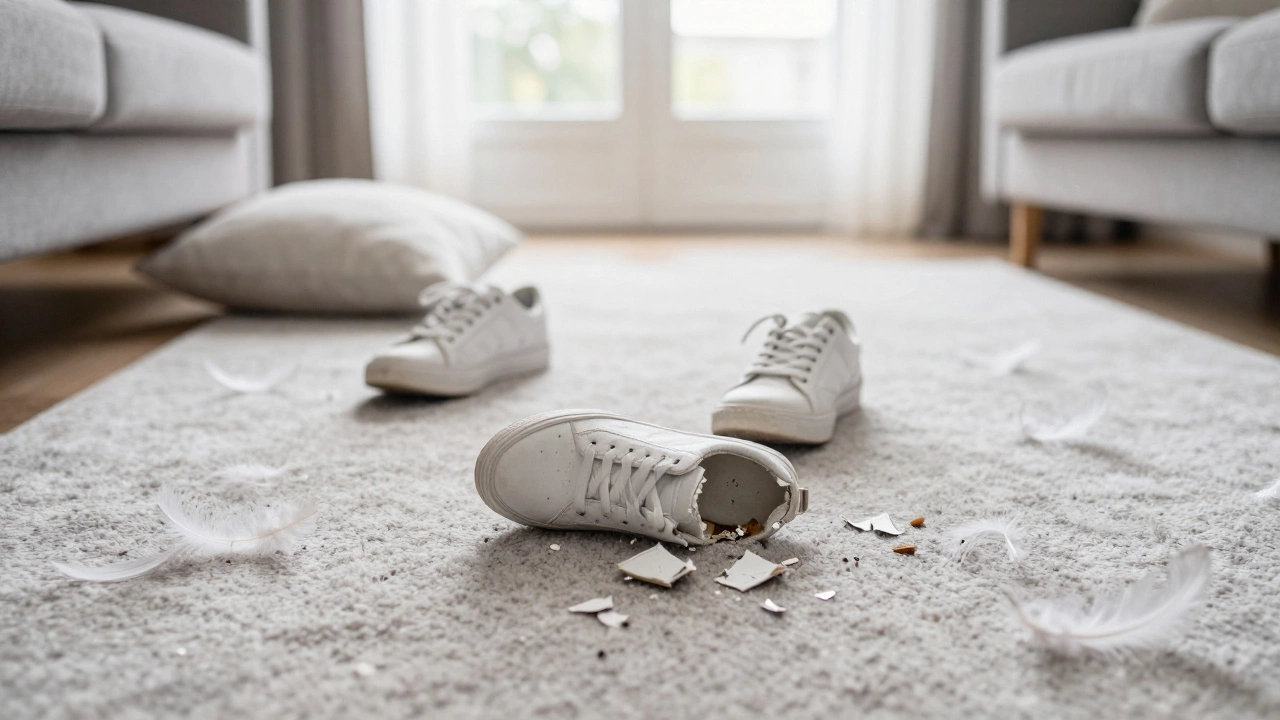
Let's be honest: dogs are pack animals. They didn't evolve to sit in a quiet apartment for nine hours waiting for a door to open. When a dog is bored, they don't just nap; they get creative. This is where "destructive chewing" comes from. If you don't give them a job to do, they'll find one-like reorganizing your bookshelf with their teeth. For a first-time owner, the biggest mistake is assuming a dog can just "hang out" until 5 PM.
To make this work, you need to look at your dog's energy budget. A high-energy Border Collie will treat a 9-to-5 schedule like a prison sentence, while an older rescue or a lower-energy breed might actually enjoy the nap time. The goal is to ensure that by the time you walk through that door, your dog has already spent their physical and mental energy. If they are bursting with energy at 6 PM, you haven't solved the problem; you've just delayed it.
Choosing the Right Companion
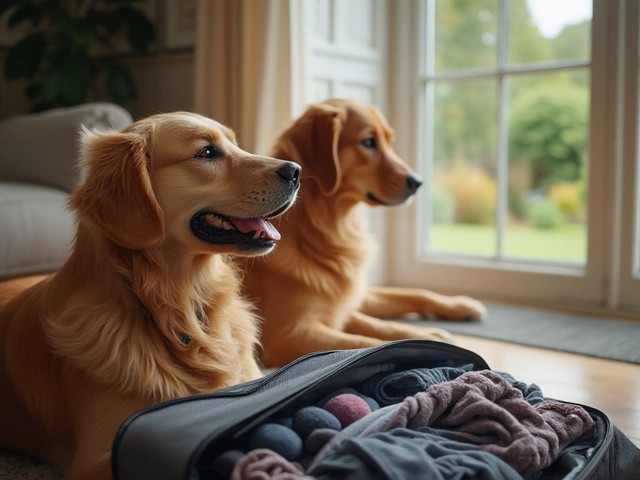
Not all dogs are created equal when it comes to independence. If you're working long hours, you might want to avoid "velcro dogs"-breeds that crave constant human contact. For instance, Golden Retrievers is a friendly and intelligent breed known for its gentle temperament and eagerness to please can be great, but they need a lot of interaction. On the other hand, some adult dogs are far more chilled out than puppies.
Puppies are a different beast entirely. A puppy cannot hold its bladder for eight hours. They require bathroom breaks every 2-4 hours, depending on their age. If you bring a puppy into a 9-to-5 lifestyle without a plan, you aren't just risking your furniture; you're risking their development and house-training progress. Adult dogs, specifically those aged 3 and up, often have settled personalities and lower energy requirements, making them the ideal choice for the working professional.
| Dog Type | Independence Level | Risk of Destruction | Best Strategy |
|---|---|---|---|
| Puppy (under 1yr) | Very Low | Extreme | Dog walker or midday sitter |
| High-Energy Adult | Low | High | Heavy morning exercise + puzzles |
| Low-Energy Adult | Medium-High | Low | Interactive toys + evening walks |
| Senior Dog | High | Very Low | Comfortable bedding + short strolls |
Turning Boredom Into a Game
Since you can't be there to throw the ball, you need a system that keeps their brain moving. This is where Puppy Toys is interactive tools designed to stimulate a dog's cognitive and physical needs through chewing, foraging, and problem-solving come into play. But not all toys are created equal. A tennis ball is great, but it's a "one-and-done" activity. A dog can't play fetch with itself for six hours.
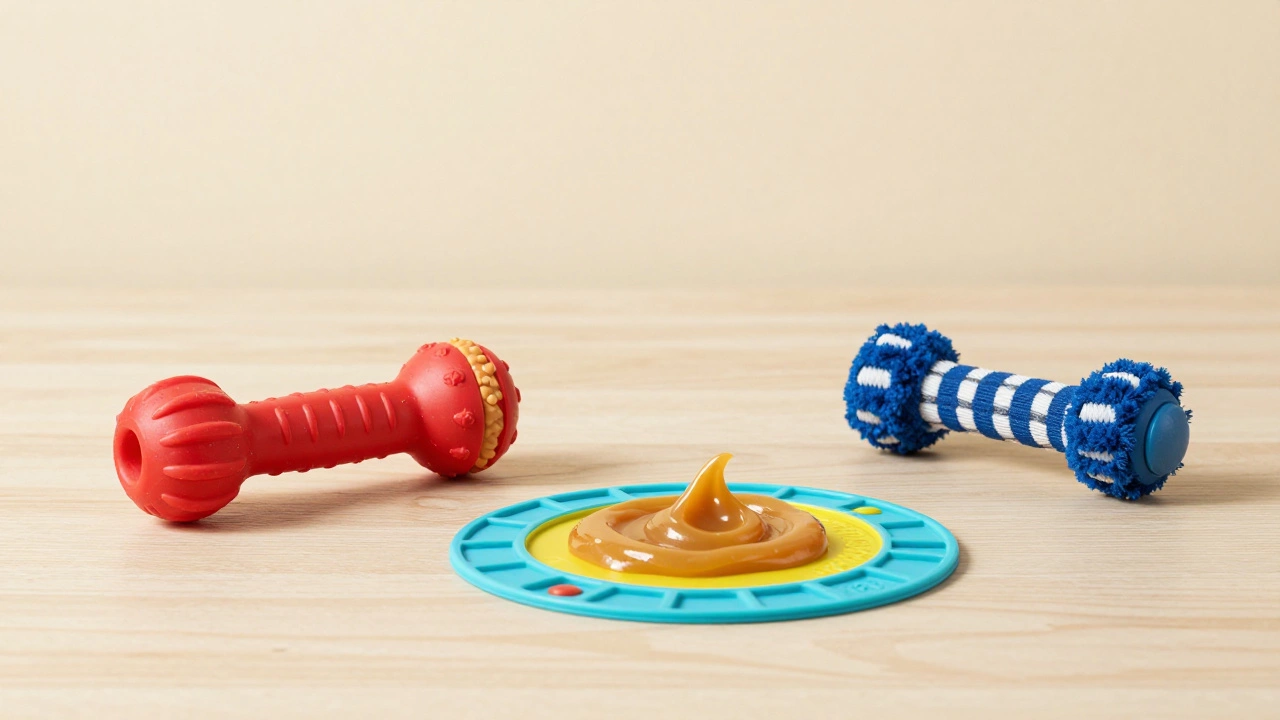
The secret is a rotating toy library. If you leave ten toys on the floor, they become part of the scenery within two days. Instead, leave out two or three and swap them every few days. Focus on "puzzle toys"-things that require the dog to work for a reward. A KONG is a durable rubber toy often stuffed with food to keep dogs occupied through licking and chewing stuffed with frozen peanut butter and kibble can keep a focused dog occupied for an hour or more. This isn't just a distraction; it's a form of mental stimulation that actually tires them out more than a walk would.
Consider using lick mats or treat-dispensing balls. Licking is a naturally calming behavior for dogs and can help them relax while you're gone. If you have a chewer, invest in high-quality nylon toys or natural rubber. Avoid cheap plastic toys that can break into small pieces, which could lead to an emergency vet visit for an intestinal blockage-the last thing you want to deal with during a busy workday.
The Midday Support System
Even with the best toys, most dogs need a break in the middle of the day. If you're truly working a strict 9-to-5, you'll likely need an external support system. This is where Dog Daycare is a supervised facility where dogs can socialize and exercise while their owners are at work is a lifesaver. It's not just about the potty break; it's about the social interaction. A dog that spends Tuesday at daycare will likely sleep through Wednesday at home.
If daycare is too expensive or overstimulating for your dog, a professional dog walker is the next best thing. Having someone come in at 1 PM to take the dog for a 30-minute brisk walk breaks up the day and prevents the "midday slump" where boredom usually peaks. If you live in a city like Auckland, there are countless local walkers who specialize in working-professional schedules. Even a 20-minute visit to let them out in the yard can lower a dog's cortisol levels and make them feel more secure.
Creating a Pre-Work and Post-Work Ritual
The hours you spend with your dog outside of work are the most critical. You cannot expect a dog to be calm for nine hours if they've had zero activity before you leave. The "Pre-Work Burn" is essential. A 30-minute walk or a game of tug-of-war at 6:30 AM sets the tone for the day. When a dog is physically tired, their instinct is to sleep, not to shred your curtains.
On the flip side, the "Post-Work Decompression" is just as important. When you walk through the door, your dog will likely be in a state of high arousal. They're excited, they're jumping, and they're demanding your attention. Resist the urge to just sit on the couch immediately. Spend the first 20 minutes engaging with them. Give them a focused walk or a training session. By meeting their needs immediately, you reinforce a healthy bond and ensure they aren't spending their nighttime hours trying to "catch up" on the attention they missed.

Avoiding Common Pitfalls
One of the biggest mistakes people make is over-compensating. You feel guilty for being gone, so you give them treats all day or let them sleep in your bed despite their bad behavior. This doesn't help them cope with solitude; it just rewards the anxiety. Consistency is the only thing that works. If the rule is "no dogs on the sofa," that rule must hold regardless of how much you missed them while you were at the office.
Also, watch out for separation anxiety. There's a big difference between boredom and anxiety. Boredom is chewing a shoe; anxiety is howling for hours, pacing, or destroying the door frame to get out. If you see these signs, toys won't fix it. You'll need a professional trainer or a behavioral vet to help your dog build confidence. Trying to "tough it out" usually just makes the anxiety worse, leading to a dog that cannot be left alone at all.
Can a puppy handle a 9-to-5 schedule?
Generally, no. Puppies have very small bladders and high energy levels. They typically need to go outside every 2-3 hours. If you work full-time, you will need a dog walker, a pet sitter, or a very flexible work-from-home arrangement to ensure the puppy isn't forced to hold their bladder or develop destructive habits.
What are the best toys for dogs left alone?
Interactive and food-dispensing toys are best. Frozen KONGs, lick mats, and treat puzzles keep their brains engaged. The key is rotation-don't leave all the toys out at once. Swap them every few days to keep the novelty alive and prevent the dog from getting bored with one specific item.
How do I know if my dog has separation anxiety or is just bored?
Boredom usually manifests as destructive chewing on random objects or digging. Separation anxiety is more intense: it often includes howling, drooling, panting, and specifically destroying the exits (doors/windows) or panic-attacking when you leave. If the behavior is focused on the exit and accompanied by distress, it's likely anxiety.
Are there breeds that are better for people who work long hours?
Low-energy breeds or older rescue dogs are typically better. While individual personalities vary, breeds like Greyhounds (often called "45mph couch potatoes") or Bassets are generally more relaxed. Avoid high-drive working breeds like Belgian Malinois or Border Collies unless you have a very robust midday exercise plan.
Will a dog walker actually make a difference?
Yes, immensely. A midday walk does three things: it relieves physical tension, provides a necessary bathroom break, and gives the dog a mental "reset." This prevents the build-up of frustration that often leads to destructive behavior in the late afternoon.
Next Steps for Different Lifestyles
If you're a corporate climber with a strict office presence, your best bet is a combination of a low-energy adult dog and a recurring dog daycare schedule two days a week. This balances their social needs without burning them out.
If you're a hybrid worker (some days home, some days office), be careful not to create a "spoiled" dog. If they get 100% of your attention on Tuesday, the sudden drop to 0% on Wednesday can trigger anxiety. Keep your routine similar on both home and office days to maintain stability.
For those considering a puppy, start by auditing your support system. Do you have a neighbor, a partner, or a budget for a sitter? If the answer is no, consider adopting a 2-year-old dog. You'll skip the "shark phase" and move straight into the companionship phase, which fits a 9-to-5 life much more naturally.