Car Heat Buildup Simulator
Visualize how quickly temperatures rise inside a parked car, even on mild days.
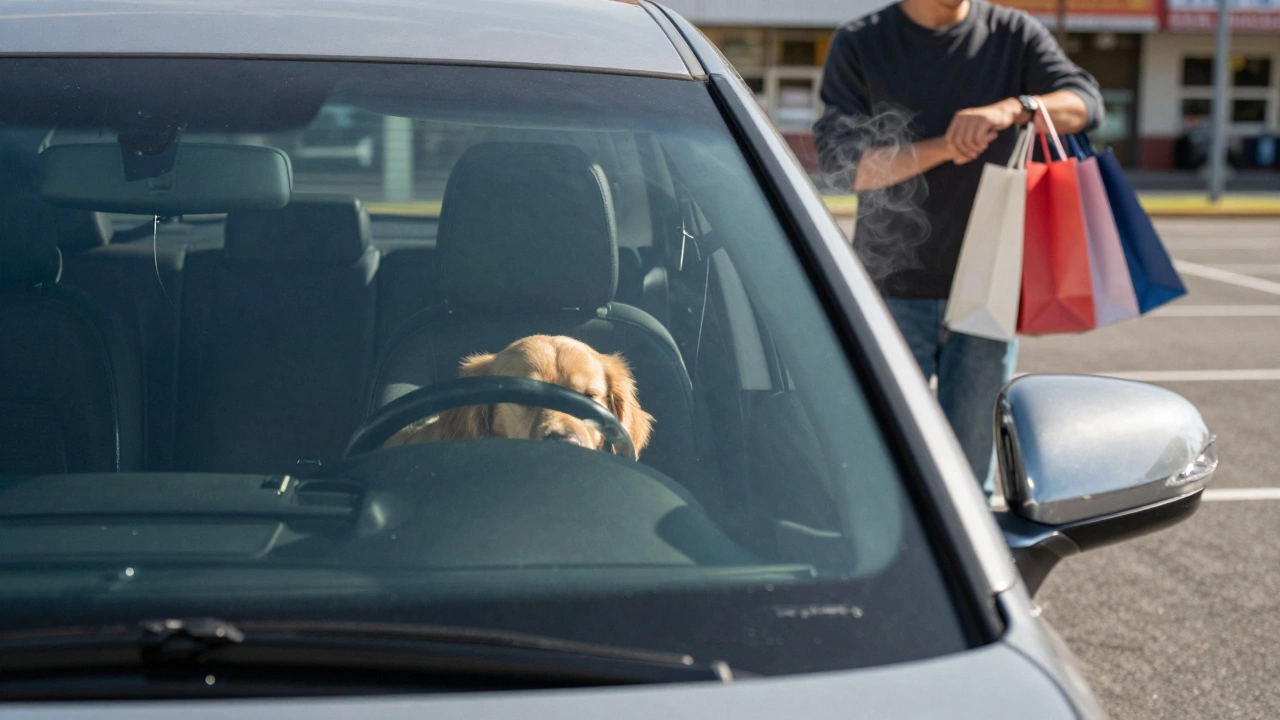
It is a Tuesday afternoon in late January. You are running errands before your big family holiday to the coast. The temperature outside is a mild 24°C (75°F). It feels comfortable enough for you to step out of the air-conditioned store into the sunlight. You glance at your dog, sleeping peacefully in the back seat, windows cracked just an inch. "Just five minutes," you think. "They'll be fine."
This is one of the most dangerous misconceptions in pet ownership. That quick stop can turn lethal faster than you can grab your coffee. Even on days that feel pleasant to humans, a car interior acts like an oven. Within minutes, the temperature inside can skyrocket to levels that cause permanent brain damage or death in dogs.
Understanding the physics of heat buildup, knowing the legal consequences, and having a solid backup plan are essential if you want to keep your furry friend safe during your travels. Let’s break down why this happens and what you should actually do instead.
The Greenhouse Effect: Why Cars Get So Hot So Fast
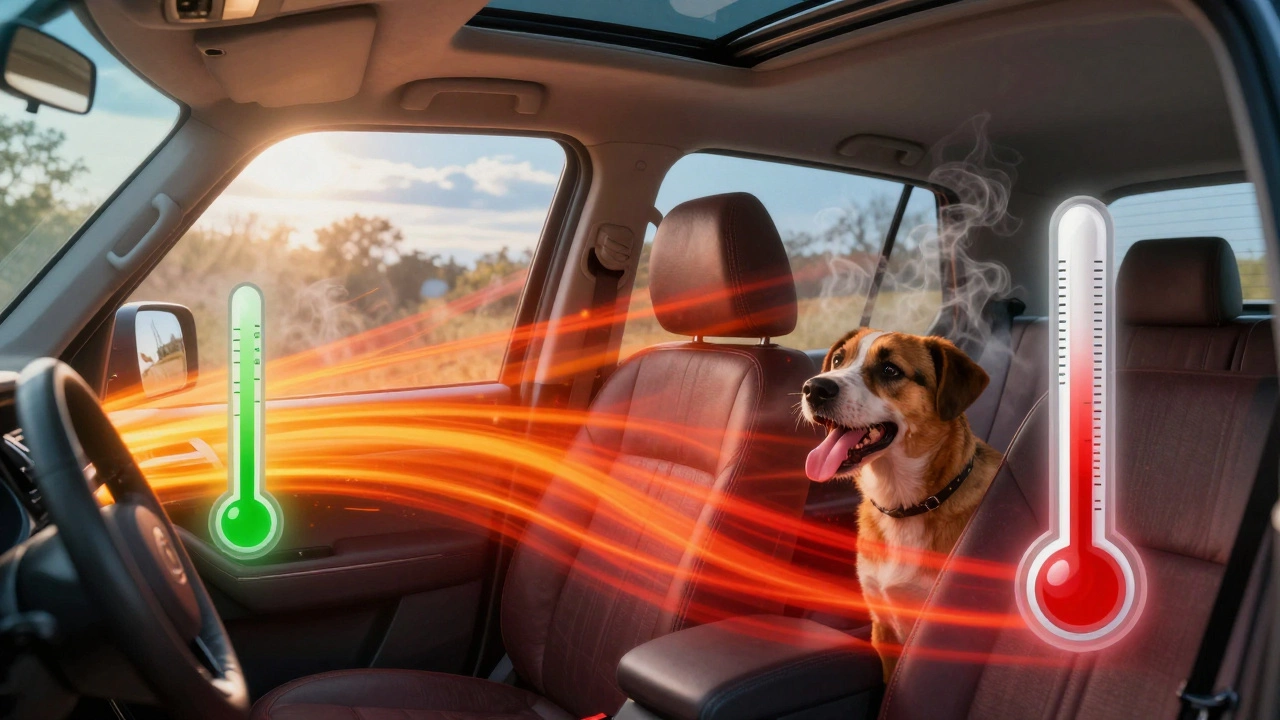
You might assume that because it isn't scorching hot outside, your dog is safe. This is where biology meets physics, and unfortunately, physics wins. A car is essentially a greenhouse. Sunlight passes through the glass windows, hits the dark surfaces of the seats, dashboard, and floor mats, and turns into heat. That heat gets trapped inside because the glass doesn't let it escape easily.
Thermal Dynamics in Vehicles: Research from organizations like the University of Missouri has shown that on a day starting at 22°C (72°F), the temperature inside a parked car can reach 30°C (86°F) within just ten minutes. After thirty minutes, it can hit 38°C (100°F).
Dogs regulate their body temperature differently than humans. We sweat through our pores all over our bodies. Dogs primarily cool themselves by panting. Panting evaporates moisture from their tongue and lungs, which cools their blood. However, this mechanism only works efficiently if the ambient air is cooler than their body temperature. Once the air inside the car exceeds their body temperature (around 38-39°C / 101-102°F), panting becomes useless. They cannot cool down no matter how hard they try.
Cracking the windows does not solve this problem. While it allows some air exchange, studies have consistently shown that opening windows even a few inches makes very little difference in reducing the internal temperature rise. The airflow is insufficient to counteract the rapid heating caused by solar radiation.
The Legal Reality: It Is Not Just Unethical, It Is Illegal
Many people believe that as long as they are nearby, they are responsible. But the law often disagrees. In many jurisdictions around the world, including parts of Australia, the UK, Canada, and numerous US states, leaving a dog unattended in a vehicle where they suffer distress is a criminal offense.
In New Zealand, under the Animal Welfare Act 1999, it is an offense to leave an animal in a situation where they may suffer. If a dog is left in a hot car, police or animal welfare officers have the right to break the window to rescue the animal. You will be held financially liable for the cost of the window replacement and face significant fines or even imprisonment.
Even in places where specific "hot car" laws don't exist, general negligence laws apply. If your dog dies or suffers severe health issues due to heatstroke while in your care, you can be prosecuted for animal cruelty. The definition of "distress" includes anxiety, fear, and physical discomfort. A dog pacing, drooling excessively, or whining in a hot car is in distress.
Signs of Heatstroke: What to Look For
If you ever find yourself in a situation where you need to assess a dog's condition quickly, know the signs. Heatstroke progresses rapidly. Early detection can save a life, but waiting too long means irreversible organ damage.
- Excessive Panting: More than usual, often with wide-open mouth.
- Bright Red Gums or Tongue: Indicates increased blood flow to the surface trying to cool down.
- Thick, Sticky Saliva: Drooling that looks glue-like.
- Lethargy or Collapse: The dog stops moving and seems weak.
- Vomiting or Diarrhea: Sometimes with blood.
- Seizures: In advanced stages, neurological symptoms appear.
If you see these signs, act immediately. Move the dog to a shaded, cool area. Apply cool (not ice-cold) water to their paw pads, belly, and groin area. Ice-cold water can cause shock or constrict blood vessels, trapping heat inside. Call a veterinarian immediately. Do not wait to see if they get better.
Safe Alternatives for Quick Stops
So, what do you do when you absolutely must run into a shop? Here are practical strategies that keep your dog safe and happy.
1. The Buddy System
Bring a friend or family member with you. One person stays in the car with the dog, keeping the engine running if it's cold, or simply providing company and monitoring the temperature. This is the safest option. The presence of a human also reduces the dog's anxiety, which can contribute to overheating.
2. Take Your Dog With You
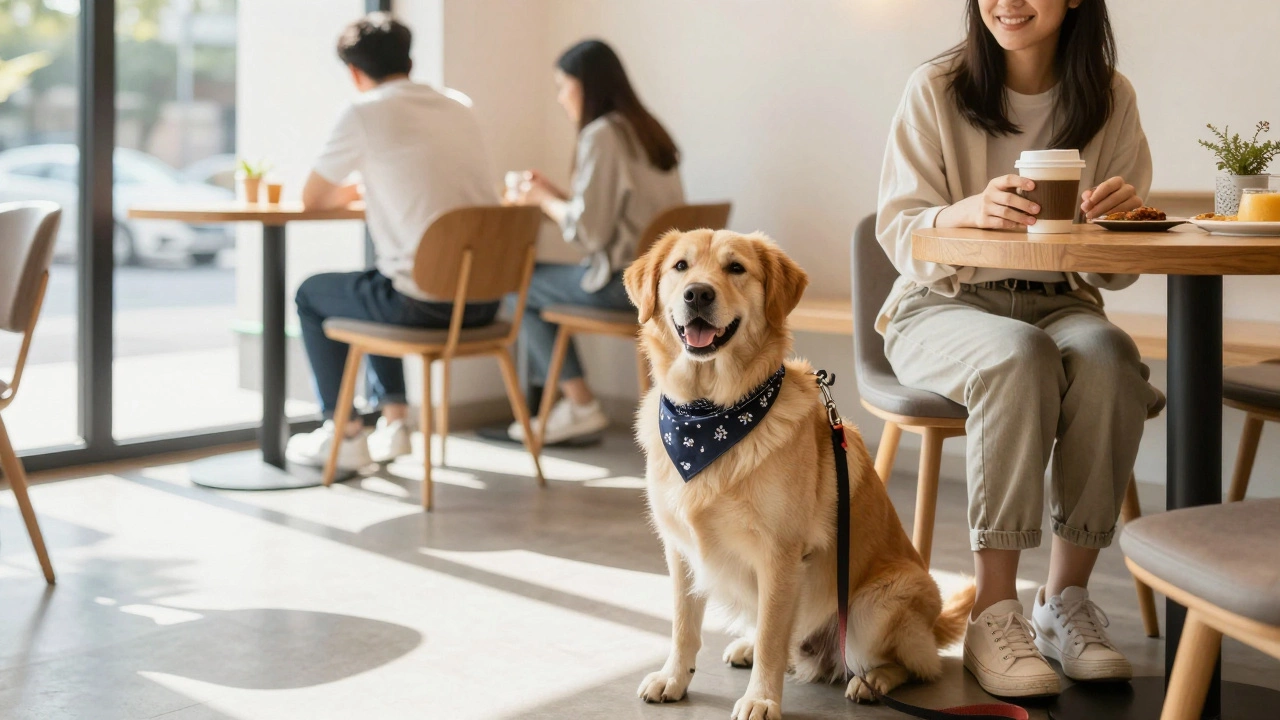
More stores and cafes are becoming pet-friendly. Check ahead of time. If your dog is well-behaved and leashed, many shops allow them inside. This eliminates the risk entirely and gives your dog mental stimulation through sniffing and exploring.
3. Skip the Stop
Is it really necessary? Can you order groceries online? Can you wait until everyone is home to go shopping? Often, we underestimate how much time a "quick" errand takes. Parking, walking, browsing, paying, and returning can easily take twenty minutes. Twenty minutes in a parking lot is enough time for a tragedy to unfold.
4. Use a Pet-Friendly Hotel or Facility
If you are traveling for holidays, look for accommodations that offer pet sitting services or secure indoor kennels. Some hotels even have "pet concierge" services. Never rely on leaving your dog in the hotel room unless you are certain the climate control is reliable and the room is not directly exposed to sun through large windows.
Traveling with Dogs: Beyond the Car
Leaving your dog in the car is just one part of pet travel safety. When planning holidays, consider the entire journey.
| Aspect | Safety Tip | Why It Matters |
|---|---|---|
| Restraint | Use a crash-tested harness or crate | Prevents injury in sudden stops and keeps dog focused |
| Hydration | Bring portable water bowl and fresh water | Dogs dehydrate quickly, especially in warm weather |
| Breaks | Stop every 2-3 hours | Allows bathroom breaks and stretching |
| Identification | Ensure tags and microchip info are current | Crucial if dog escapes during travel |
| Comfort Items | Bring familiar blanket or toy | Reduces anxiety in new environments |
Anxiety plays a huge role in heatstroke. A stressed dog pants more, generating more body heat. If your dog is anxious in the car, work on desensitization training before long trips. Short drives to fun places help build positive associations.
What If You See a Dog Left in a Hot Car?
You might be driving along and spot a dog alone in a parked car. Panic sets in. What do you do? Here is a step-by-step guide:
- Assess the Situation: Is the dog visibly distressed? Are windows closed? Is the owner nowhere in sight?
- Note Details: Write down the license plate number, make, model, and color of the car. Take photos or video if possible.
- Find the Owner: Check nearby stores. Ask staff if they saw someone enter with a dog. They may have cameras.
- Contact Authorities: Call the police or animal control. In many places, they can authorize breaking the window if the dog is in immediate danger.
- Do Not Break the Window Unless Necessary: Laws vary by location. In some places, civilians can break a window to save an animal, but you may still face legal hurdles. Always try to get official authorization first. If the dog is collapsing and no help is coming, saving a life is usually the priority, but understand the potential legal aftermath.
Remember, good Samaritan laws often protect those who act in good faith to save an animal's life. Document everything.
Planning Pet-Friendly Holidays
When booking your next trip, prioritize destinations that welcome dogs. Many beaches, parks, and hiking trails have specific rules about pets. Some require leashes, others allow off-leash play in designated areas. Research local regulations beforehand.
Hotels and Airbnbs vary widely in their pet policies. Some charge extra fees, others prohibit pets entirely. Read reviews from other pet owners. Look for mentions of cleanliness, noise complaints, and staff attitude towards animals.
Consider the climate of your destination. If you are traveling to a hotter region, plan activities for early morning or late evening when temperatures are lower. Avoid midday walks on hot pavement, which can burn paw pads.
Is it safe to leave my dog in the car with the AC on?
While the AC keeps the temperature down, it is still risky. If the engine stalls, the AC stops working, and the car heats up rapidly. Also, if you forget to turn off the AC or leave the car unlocked, there is a risk of theft or the dog escaping. It is safer to bring your dog inside or have someone stay with them.
How long can I leave my dog in the car in winter?
Cars lose heat quickly once the engine is off. Even on a mild winter day, the temperature inside can drop below freezing within an hour. Hypothermia is a real risk. Additionally, exhaust fumes can accumulate in enclosed spaces, posing a poisoning risk. Never leave your dog unattended in a cold car.
Does cracking the window help prevent heatstroke?
No. Studies show that cracking windows has a minimal effect on lowering the internal temperature of a car. The greenhouse effect traps heat faster than the small amount of airflow can release it. It creates a false sense of security for the owner.
What should I do if my dog shows signs of heatstroke?
Move the dog to a cool, shaded area immediately. Apply cool (not ice-cold) water to their paw pads, belly, and groin. Offer small amounts of water to drink. Contact a veterinarian immediately. Do not use ice packs directly on the skin as this can cause shock.
Are there any breeds more susceptible to heatstroke?
Yes. Brachycephalic breeds (flat-faced dogs) like Bulldogs, Pugs, and Boxers have shorter airways, making it harder for them to pant effectively. Older dogs, puppies, overweight dogs, and dogs with heart or respiratory conditions are also at higher risk. Dark-coated dogs absorb more heat than light-coated ones.