Large Dog Flight Cost & Logistics Estimator
Travel Method Breakdown
Method:
Base Cargo/Fee Estimate:
Multiplier:
*Estimates based on average 2026 market rates for dogs over 20 lbs.
Critical Requirements Checklist
- ✅ IATA Compliant Crate: Required for any dog over 20 lbs traveling in cargo.
- ✅ Vet Health Certificate: Must be issued within 10 days of departure.
- ✅ Temperature Check: Ensure no stops are below 45°F or above 85°F.
- ✅ No Sedation: Do not sedate unless prescribed by an avian vet specialist.
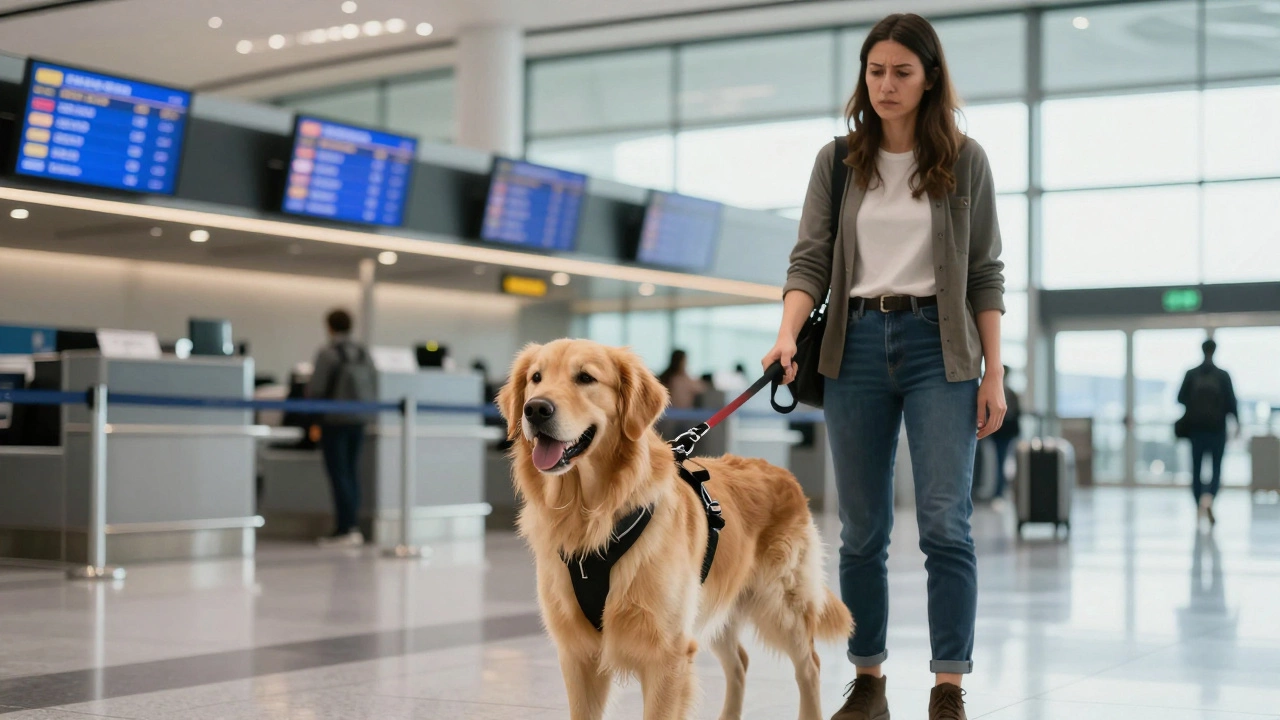
Picture this: you’ve booked the flight, packed your bags, and now you’re staring at your 50-pound golden retriever mix. You want them there with you, but every airline website seems to say "under 20 pounds" or "combined weight under 15kg." It feels like a dead end. The short answer is yes, you can take a 50 lb dog on a plane, but they almost certainly won’t be sitting next to you. For most commercial flights, dogs of that size must travel in the cargo hold as "excess baggage" or via a dedicated pet transport service.
This isn't just about comfort; it's about safety regulations and cabin space constraints. Understanding exactly how airlines handle medium-to-large dogs will save you from denied boarding, massive fees, or worse, leaving your pet behind. Let’s break down the rules, costs, and safety checks you need to know for traveling in 2026.
The Weight Limit Reality Check
Most major airlines have a strict cutoff for in-cabin pets. Typically, the combined weight of the dog and their soft-sided carrier cannot exceed 15 to 20 pounds (7-9 kg). Some newer aircraft with larger overhead bins might allow up to 25 pounds, but these are exceptions, not the rule. A 50 lb dog clearly exceeds this limit.
| Airline Type | In-Cabin Limit | Large Dog Option | Typical Fee Range |
|---|---|---|---|
| Major US Carriers (Delta, United, AA) | 15-20 lbs (with carrier) | Checked Baggage / Cargo | $125 - $200 each way |
| European Carriers (Lufthansa, Air France) | 8-15 kg (with carrier) | Cargo Hold (Manifested Cargo) | €100 - €300+ |
| Pet-Specific Airlines (PetsAir, etc.) | N/A | In-Cabin (Climate Controlled) | Variable by distance |
If your dog is 50 lbs, you are looking at two main options: checking them as excess baggage (if flying domestically on some carriers) or booking them through the airline’s cargo division. International flights usually require all animals over a certain weight to go through cargo, regardless of destination.
In-Cabin vs. Cargo: What’s the Difference?
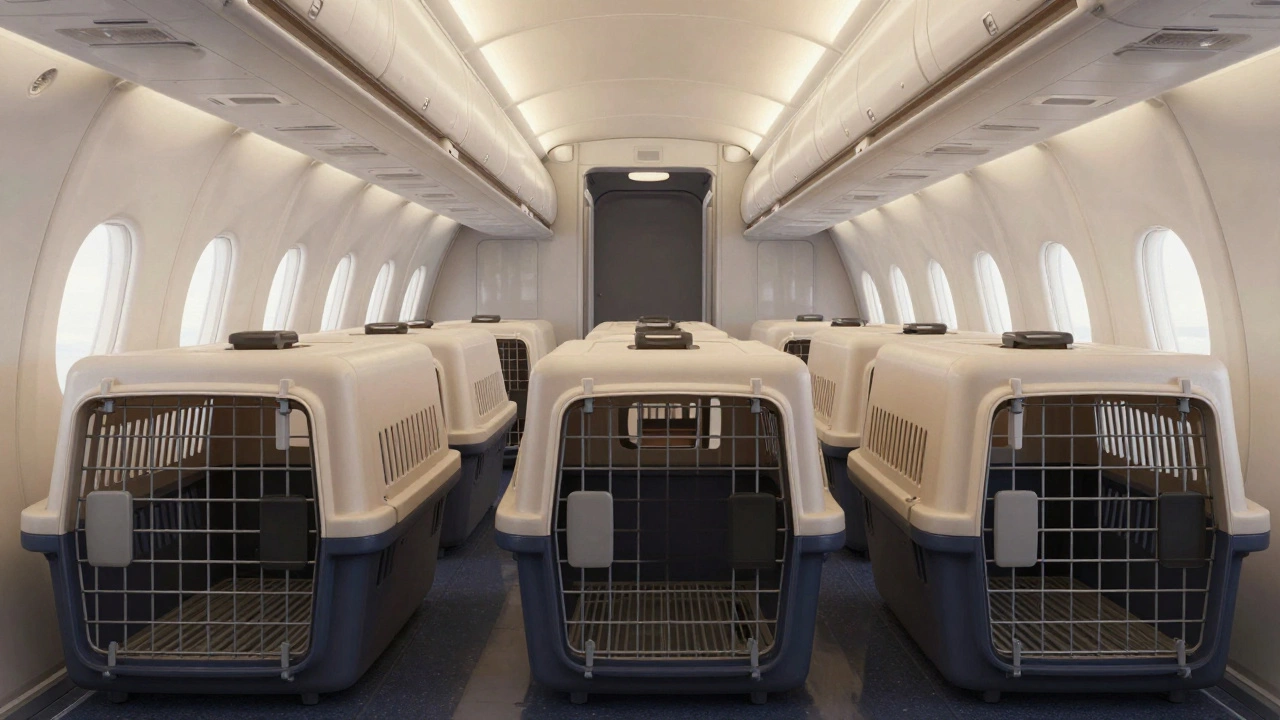
Many owners worry about the term "cargo." It sounds industrial and cold. However, for large dogs, this is often the safest and most regulated option. When an airline accepts a large dog as manifested cargo, the animal travels in the climate-controlled belly of the plane. This area is pressurized and heated/cooled to maintain safe temperatures, similar to the passenger cabin.
Key differences include:
- Visibility: In-cabin allows you to see your dog. Cargo means they are out of sight until arrival.
- Handling: Cargo animals are handled by specialized ground crews trained in animal care. They are loaded last and unloaded first.
- Cost: Cargo fees are significantly higher than the standard $100-$150 in-cabin fee. Expect to pay between $200 and $500 depending on distance and airline.
- Restrictions: Brachycephalic breeds (short-nosed dogs like Pugs, Bulldogs, and Boxers) face severe restrictions or bans in cargo due to breathing issues during pressure changes. Always check breed-specific policies.
Preparing Your 50 lb Dog for Flight
Just because they *can* fly doesn’t mean they should fly without preparation. Stress is the biggest enemy of pet travel. Here is how to get your dog ready.
1. The Right Crate is Non-Negotiable
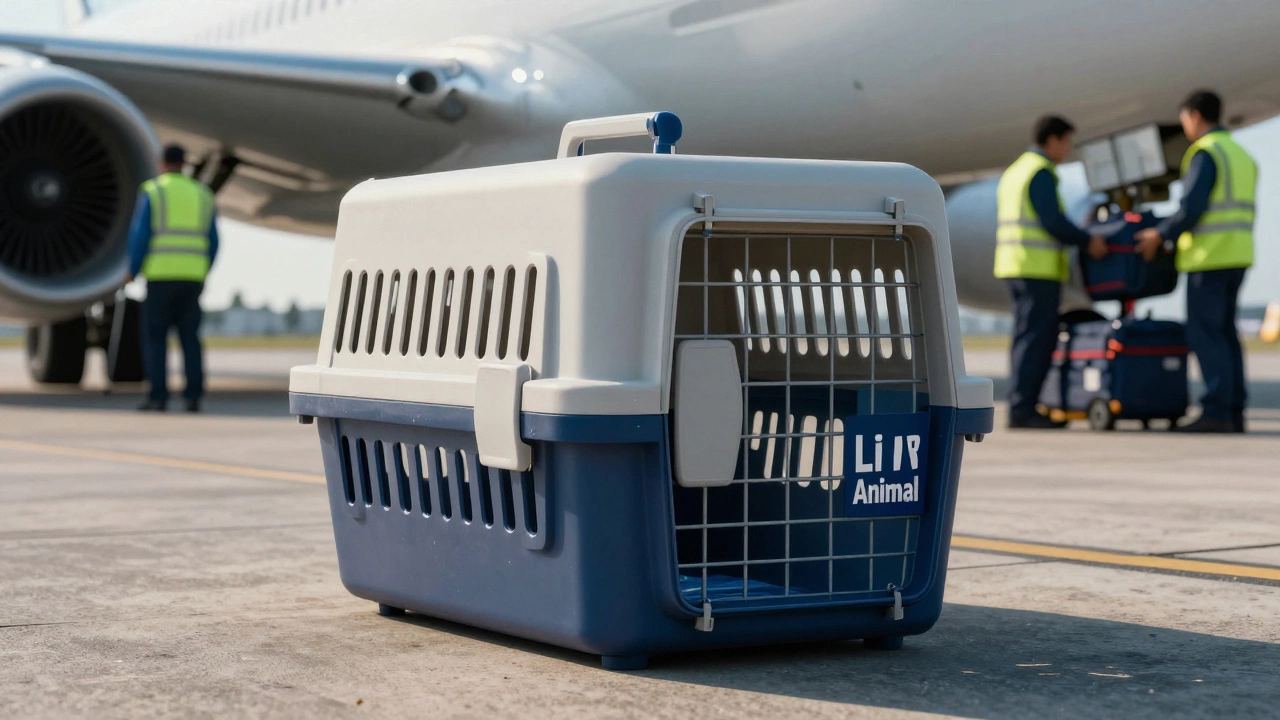
You cannot use a soft carrier for a 50 lb dog in cargo. You need an IATA-compliant hard plastic kennel. The crate must be large enough for your dog to stand up, turn around, and lie down comfortably. If the crate is too tight, the airline will reject it. If it’s too loose, your dog could shift and injure themselves during turbulence.
Look for crates labeled "IATA Compliant" or "ATA Certified." These meet international standards for ventilation, strength, and locking mechanisms. Secure food and water bowls to the inside of the door so your dog has access during layovers.
2. Veterinary Health Certificate
For domestic flights, many airlines require a health certificate issued by a vet within 10 days of travel. For international flights, this is mandatory and may require additional vaccinations (like rabies titers) months in advance. Start this process early. A simple call to your vet can confirm if they offer "export health certificates" which are required for crossing borders.
3. Acclimatization Training
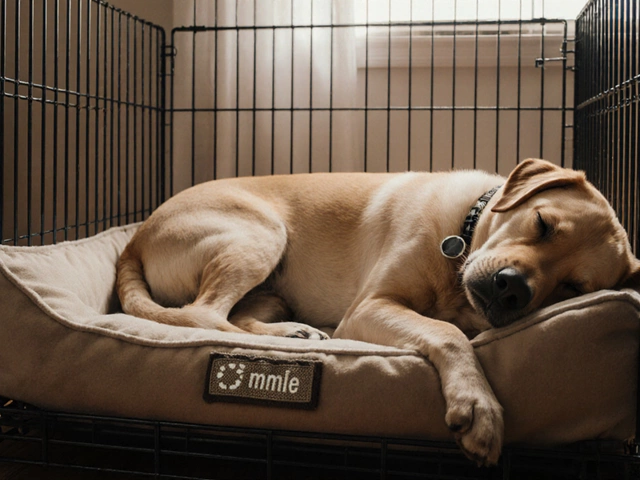
Don’t wait until the day of the trip to introduce the crate. Start weeks in advance. Leave the crate open in your living room with treats and bedding inside. Feed your dog near it, then inside it. Gradually close the door for short periods, extending the time as your dog becomes comfortable. This reduces anxiety when they are placed in the crate at the airport.
Day-of-Travel Checklist
Arrive at the airport early-ideally three hours before departure for large dogs. You will likely need to drop your dog off at a separate terminal or cargo facility, not the regular check-in counter.
- Identification: Attach multiple ID tags to the crate and your dog’s collar. Include your name, phone number, destination address, and a "Live Animal" sticker facing both ways.
- Food and Water: Offer a light meal 4-6 hours before the flight to prevent nausea. Ensure fresh water is available in the attached bowl.
- Bathroom Break: Walk your dog thoroughly before crating. Place absorbent pads in the bottom of the crate for accidents.
- Sedation Warning: Do NOT sedate your dog unless explicitly prescribed by a vet who specializes in travel anesthesia. Sedatives can interfere with breathing and balance at high altitudes, posing serious health risks.
Alternatives to Commercial Airlines
If the idea of your dog being in the cargo hold stresses you out, consider these alternatives:
- Pet-Specific Airlines: Companies like PetsAir (operating in Europe and expanding) offer in-cabin travel for dogs of any size. They use smaller planes designed specifically for pets, with handlers monitoring the animals throughout the flight. It’s more expensive but provides peace of mind.
- Ground Transport: For distances under 500 miles, professional pet taxi services or overnight kennels with transport options might be safer and less stressful than flying.
- Drive Yourself: If feasible, driving allows you to control the environment, stop for breaks, and keep your dog in the back seat with you.
Common Pitfalls to Avoid
Mistakes happen, especially when you're tired and rushing. Here are the most common errors owners make with large dog travel:
- Assuming All Airlines Are the Same: Policies vary wildly. Southwest, for example, does not accept dogs in cargo on most routes. Always read the specific "Pet Travel" page of your chosen airline.
- Ignoring Temperature Restrictions: Many airlines refuse to check pets if the temperature at departure, arrival, or any layover is below 45°F (7°C) or above 85°F (29°C). Check the forecast. If it’s too hot or cold, your flight might be delayed or canceled.
- Skipping the Pre-Flight Vet Visit: A quick check-up ensures your dog is fit to fly. Older dogs or those with heart conditions may not be suitable candidates for air travel.
What Happens at Arrival?
When you land, don’t head straight to baggage claim. Go to the designated pet pickup area, usually located near the cargo terminal. Bring your receipt and ID. An agent will hand over your crate. Inspect your dog immediately for signs of distress. Most dogs emerge fine, perhaps a bit wiggly or needing a bathroom break. Have a leash ready and walk them slowly to help them decompress.
Can a 50 lb dog fly in the cabin on any airline?
It is extremely rare. Most airlines cap in-cabin weight at 15-20 lbs including the carrier. A 50 lb dog would need a specialized pet airline or to travel in the cargo hold. Always verify with the specific airline, as policies change frequently.
How much does it cost to fly a large dog?
Costs vary by distance and airline. Domestic cargo fees typically range from $200 to $500 one-way. International flights can cost $500 to $1,000+ due to additional documentation and handling requirements. Pet-specific airlines may charge premium rates for in-cabin comfort.
Is it safe for a large dog to fly in the cargo hold?
Yes, when done correctly. The cargo hold is pressurized and temperature-controlled. Accidents are rare, but stress can be high. Proper acclimatization, a secure IATA-compliant crate, and avoiding extreme weather conditions significantly improve safety.
Do I need a health certificate for a domestic flight?
Many US airlines require a health certificate issued within 10 days of travel for dogs traveling in cargo, even for domestic flights. International flights always require a health certificate and often additional vaccinations. Check your airline's specific requirements.
Should I sedate my dog for the flight?
Generally, no. Sedation can affect breathing and blood pressure at high altitudes, which is dangerous. Only use medication if explicitly prescribed by a veterinarian who understands aviation risks. Behavioral training and crate acclimatization are safer alternatives.
What if the weather is too hot or cold?
Airlines have "temperature embargoes." If the temperature at origin, destination, or layover cities is outside a safe range (usually below 45°F or above 85°F), they will not accept pets. You may need to reschedule your flight to avoid delays or denial of transport.
Are brachycephalic breeds allowed to fly?
Many airlines restrict or ban short-nosed breeds (like Bulldogs, Pugs, and French Bulldogs) from cargo due to respiratory risks. Some may allow them in-cabin if under weight limits, but cargo travel is often prohibited. Always check breed-specific restrictions before booking.