The Short Answer: Yes, But Plainly Cooked
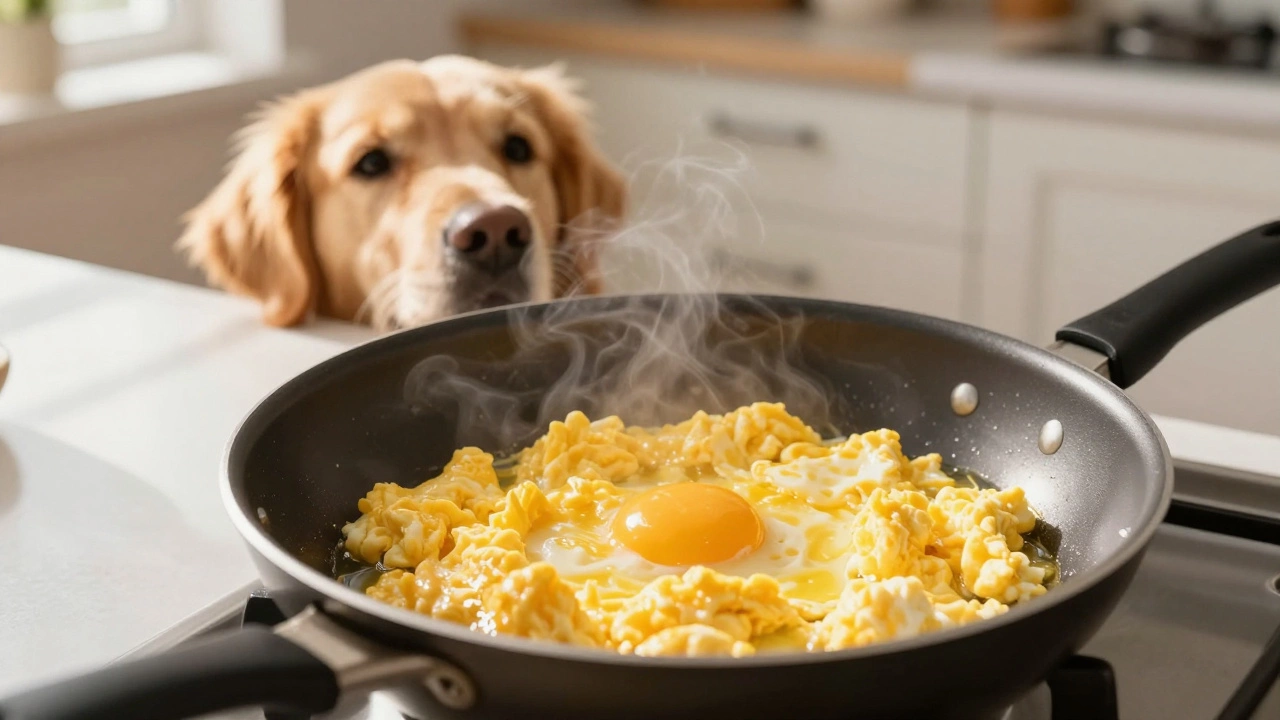
If you are wondering whether to share your breakfast with your pup, the answer is generally a resounding yes. Scrambled Eggs are a nutrient-dense treat that most adult dogs can enjoy safely. However, the kitchen preparation matters more than the ingredient itself. Many owners accidentally turn a healthy treat into a stomach upset by adding ingredients that look harmless to humans but are toxic or indigestible for dogs.
An average large egg contains approximately six grams of protein and healthy fats that support muscle maintenance and skin health. Unlike many commercial dog treats laden with fillers, an egg offers complete nutrition. Yet, there are strict rules regarding how those eggs are cooked and served. If you serve them raw, or worse, seasoned with salt and garlic, the potential benefits flip quickly toward risk.
Nutritional Breakdown: Why Eggs Benefit Canines
To understand why veterinarians often recommend eggs, we need to look at the components. Proteins in eggs are considered "complete," meaning they contain all the essential amino acids a dog needs to synthesize their own tissues. Specifically, eggs provide significant amounts of lysine, which supports immune function and tissue repair.
Beyond protein, the yolk is where the magic happens for coat condition. Eggs are rich in fatty acids, including omega-3 and omega-6. These lipids are crucial for reducing inflammation within joints and keeping the skin barrier hydrated. A dog with a dull coat might see visible improvement after introducing moderate amounts of eggs, provided the change isn't too abrupt for their digestive system to handle.
Vitamins are also abundant. An egg yolk serves as a delivery system for Vitamin A (vision/immunity), Vitamin D (bone health), and Biotin (B7). Biotin is particularly relevant because it directly affects nail strength and skin cell turnover. If your dog tends to have brittle nails or frequent dandruff, the B-vitamin complex in the yolk can act as a natural supplement.
The Danger Zone: Seasonings and Additives
Most dogs love the smell of cooking eggs, largely due to the Maillard reaction happening in the pan. Unfortunately, that aroma usually comes from butter and salt. You must resist the urge to finish the scramble like you would for yourself.
- Milk: While a splash of milk makes human eggs creamier, most dogs are lactose intolerant. Cow's milk often leads to gas, bloating, and soft stools. Water is a far better alternative to hydrate the mixture while cooking.
- Butter and Oils: High-fat dairy can trigger pancreatitis in susceptible breeds. While a small drizzle of olive oil is occasionally okay, heavy frying oils add empty calories that contribute to weight gain without nutritional upside.
- Salt: Excess sodium is hard on a dog's kidneys. Commercial bacon bits or ham crumbles hidden in the egg mix can lead to dangerous electrolyte imbalances.
- Toxic Spices: Garlic powder, onion powder, and even green onions are strictly prohibited. These members of the allium family damage red blood cells in dogs, leading to hemolytic anemia. Even small amounts accumulate over time.
The safest method is to use a non-stick pan with no oil, or just enough water to keep the proteins from sticking. If you find you need lubrication, use a tiny amount of dog-safe oil, but aim for zero-flavor cooking.
Cooked Versus Raw: Understanding Avidin
A long-standing debate in the raw food community centers on raw eggs. Some claim raw eggs provide superior enzymes, but there are biological hurdles to consider. Raw egg whites contain a protein called avidin.
Avidin binds to biotin (Vitamin B7) in the digestive tract, preventing your dog's body from absorbing it. Over time, feeding exclusively raw egg whites can cause a biotin deficiency. Symptoms include hair loss, dry skin, and lethargy. The solution is simple: heat. Cooking denatures the avidin, destroying its ability to bind nutrients while retaining the protein value.
Furthermore, Salmonella is a bacterium found on or inside uncooked eggs that poses infection risks. While chickens can carry this bacteria, dogs have slightly more robust stomach acidity than humans. However, puppies, elderly dogs, and senior dogs with compromised immune systems should definitely not consume raw eggs to avoid severe gastrointestinal illness.

Portion Sizes and Frequency
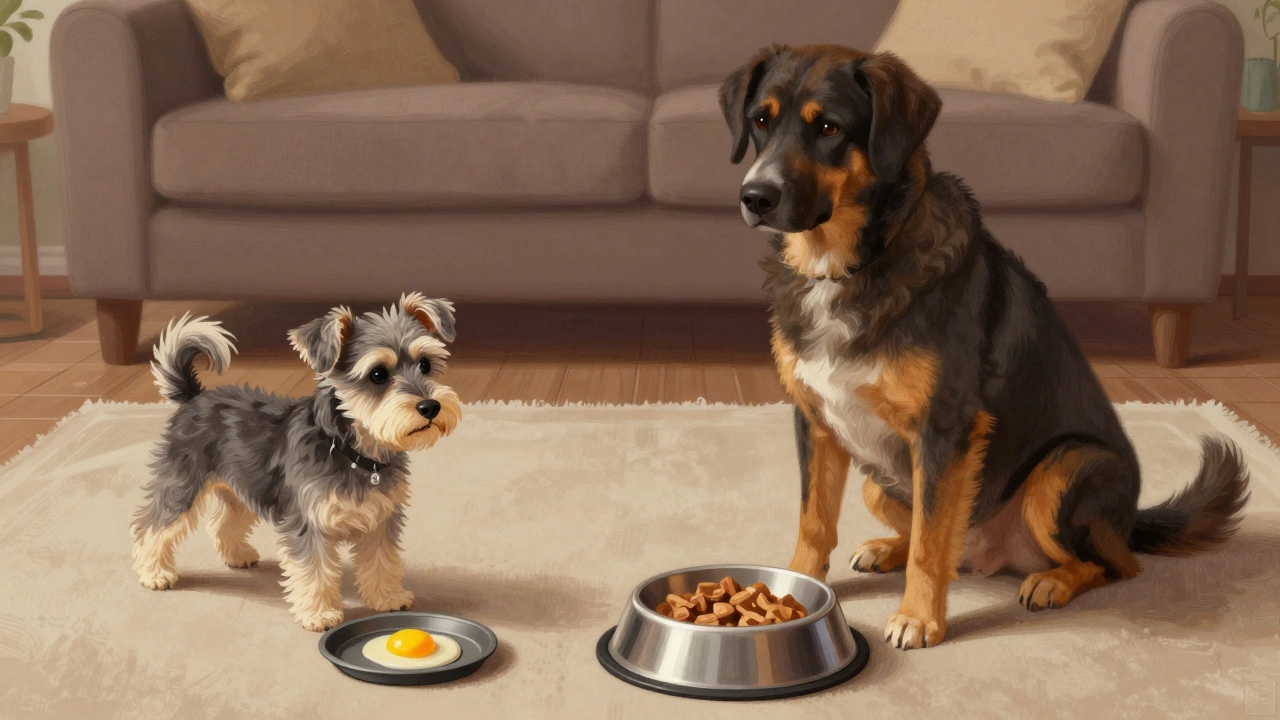
Eggs are calorie-dense. A standard large chicken egg has about 70 to 80 calories. For a small Chihuahua, one whole egg represents a massive portion of their daily caloric intake, potentially displacing their balanced kibble. For a Great Dane, that same egg is a negligible snack.
| Dog Weight | Max Daily Amount | Frequency |
|---|---|---|
| Under 10 lbs | ¼ egg | 2-3 times per week |
| 10-50 lbs | ½ to 1 egg | Daily or every other day |
| Over 50 lbs | 1 to 2 eggs | Daily (if weight permits) |
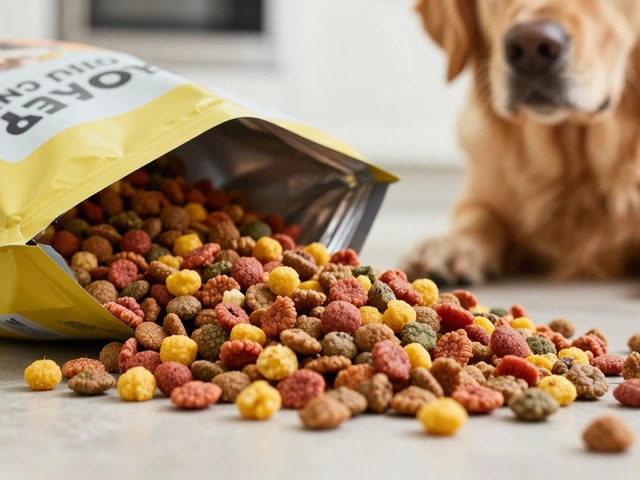
Treats should generally account for no more than 10% of a dog's total daily calories. If your dog eats dry food that already claims to be grain-free or high-protein, monitor their stool closely. Adding eggs to an already high-meat diet can sometimes overwhelm the gut flora, leading to loose stools.
Recognizing Egg Allergies in Dogs
Peculiar as it sounds, eggs are among the top three food allergens for dogs. Chicken protein is frequently used in commercial foods, so many dogs develop sensitivities early on. If you've always fed your dog a chicken-based kibble, suddenly giving them fresh scrambled eggs might be safe; however, if they haven't had chicken protein recently, introduce eggs very slowly.
Allergic reactions can manifest physically or dermatologically. Watch for:
- Excessive scratching, particularly around the paws and face.
- Ear infections occurring repeatedly despite treatment.
- Gastrointestinal distress, such as vomiting or urgent diarrhea.
- Facial swelling (rare, but indicates a serious IgE-mediated response).
If you suspect an allergy, stop feeding eggs immediately and consult a veterinarian. Switching to a novel protein source like duck or rabbit might be necessary later on.
What About Eggshells?
Many people wonder if they should feed the crunchy bits left behind. Eggshells are composed almost entirely of calcium carbonate. While calcium is vital for skeletal health, most commercial dog diets are already fortified with calcium. Giving raw, ground shell dust is a viable way to supplement calcium, but there are risks.
Risk number one is sharp edges. If a dog tries to chew a whole shell, they could chip a tooth or puncture their esophagus. Risk number two is bacterial contamination. The porous surface of a shell traps fecal bacteria easily. Unless you bake the shells at 250°F (120°C) for 20 minutes and grind them into a fine powder using a coffee grinder, it is safer to discard the shells. Your dog gets plenty of calcium from their regular meals; the egg yolk and white provide the actual nutritional benefit here.
Feeding Eggs to Puppies and Senior Dogs
Puppies have delicate digestive systems. Their enzyme levels are not fully matured until about six months of age. For young pups, ensure the eggs are well-scrambled rather than runny. Soft curds are easier to digest than liquid yolk.
Senior dogs often suffer from dental issues or reduced kidney function. If your older dog has chronic kidney disease (CKD), phosphorus management becomes critical. Egg yolks are higher in phosphorus than the whites. In cases of renal failure, a vet might suggest feeding mostly egg whites to reduce the phosphorus load while maintaining protein quality. Always cross-reference with your vet's renal diet plan.
Alternatives to Chicken Eggs
Not all eggs are created equal. While chicken eggs are the most common, you can explore alternatives depending on availability and your dog's taste preferences.
- Duck Eggs: Larger and richer in fat. Great for energy needs but watch the cholesterol.
- Quail Eggs: Smaller, lower allergen profile for some dogs. Often sold preserved in vinegar jars which are bad for dogs-buy fresh ones.
- Plant-Based Substitutes: Vegan egg products like chickpea flour mixes work differently for dogs. They lack the full spectrum of amino acids unless synthetically added back. Real animal eggs remain the gold standard for canine nutrition.
Storage and Handling Safety
Once the eggs are scrambled, spoilage begins immediately. Bacteria multiplies rapidly in the "danger zone" between 40°F and 140°F. If you cook a batch for multiple days' worth of meals, refrigerate portions in sealed containers. Do not leave leftovers sitting out on the counter for more than two hours.
Freezing is also an option. You can freeze raw eggs in ice cube trays to grab-and-go single servings later. Thaw them in the fridge, then scramble. This prevents you from having to cook fresh eggs every morning, reducing the risk of undercooking.
Can my dog eat boiled eggs instead of scrambled?
Yes, boiled eggs are equally safe. The key is avoiding butter or seasonings. Hard-boiled eggs offer the same protein benefits. Peel them first, as the rubbery texture might bother some dogs, though shells should not be fed.
Is the yolk bad for my dog?
No, the yolk is the most nutritious part. It contains the healthy fats, omega fatty acids, and vitamins. Avoid discarding the yolk unless your vet specifically instructs you to restrict fat or phosphorus.
Why does my dog vomit after eating eggs?
Vomiting can indicate an intolerance or simply eating too fast. Try slowing their meal pace, mixing the egg with water, and ensuring it is fully cooked. If vomiting persists, discontinue and consult a vet.
Are egg whites safe to eat raw?
It is risky. Raw whites contain avidin which blocks biotin absorption. Cooking destroys avidin, making them safe. Also, raw handling increases Salmonella exposure for both you and your pet.
How do I introduce eggs to my picky dog?
Mix a small amount of plain scrambled egg into their regular kibble. Gradually increase the ratio over a week. The distinct smell might be off-putting initially if they are used to dry food flavors, but most prefer the taste eventually.