Dog Sleep Location Advisor
About Your Dog
Recommendation Analysis
Enter your dog's details to generate a personalized sleep plan.
It’s 10 PM. You’re sinking into your mattress, ready for eight hours of uninterrupted rest. Then you hear it-the soft thud of paws on the floorboards, followed by a heavy sigh as your dog settles onto the rug right next to your bed. Or maybe they’ve claimed the laundry basket in the hallway. Or perhaps they are pacing anxiously because their designated spot feels too far away from you.
The question of where your dog should sleep is one of the most common debates among pet owners. There is no single "correct" answer that applies to every household. The best sleeping arrangement depends entirely on your dog’s age, temperament, your home layout, and your own sleep quality needs. Getting this right isn’t just about convenience; it is crucial for your dog’s mental health and physical comfort.
Why Sleep Location Matters for Canine Health
Dogs are crepuscular animals, meaning they are naturally most active at dawn and dusk. However, domestic dogs have adapted to human schedules, often sleeping through the night. Where they sleep impacts their sense of security and their ability to regulate body temperature.
A dog’s sleeping environment directly influences their stress levels. If a dog feels vulnerable or isolated, their cortisol (stress hormone) levels can remain elevated throughout the night, leading to poor sleep quality and potential behavioral issues during the day. Conversely, a secure, comfortable spot promotes deep REM sleep, which is essential for memory consolidation and immune function.
Consider the difference between a high-traffic hallway and a quiet bedroom. A hallway might expose your dog to noise and foot traffic, causing light, fragmented sleep. A bedroom offers stability and proximity to their pack leader (you), which can significantly reduce anxiety in sensitive breeds.
Option 1: Sleeping in Your Bedroom
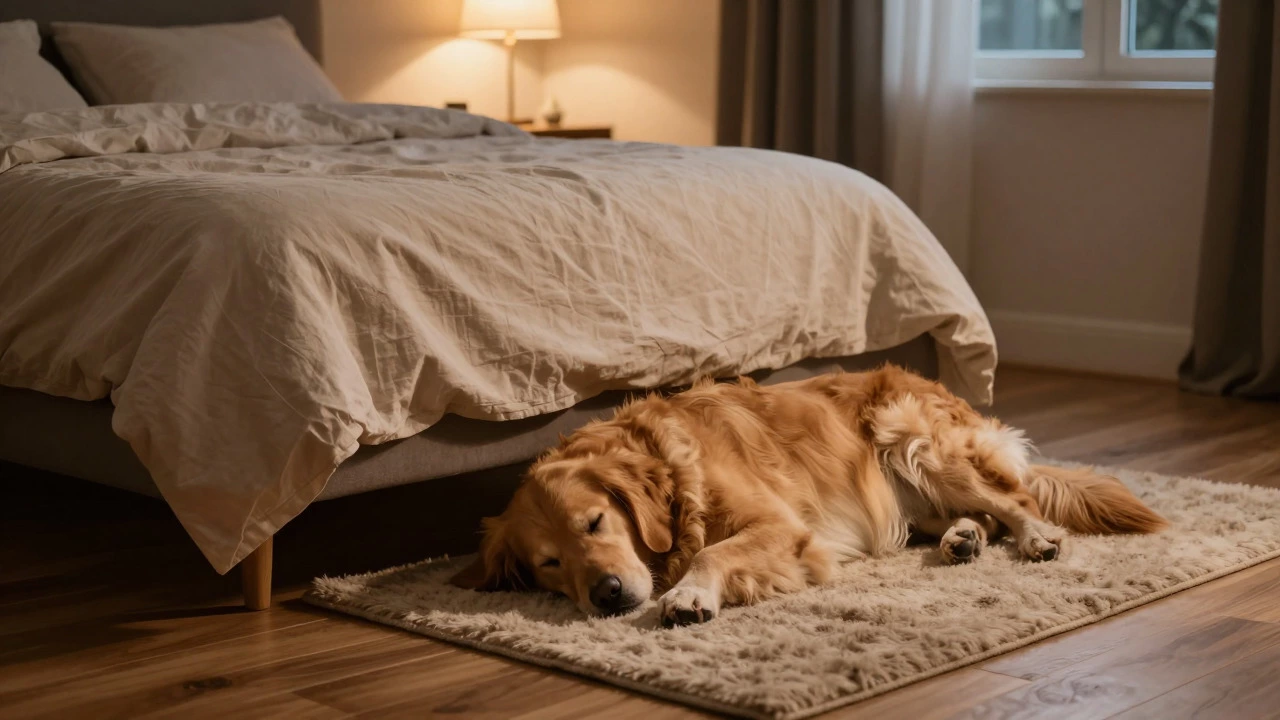
For many owners, having their dog in the bedroom is non-negotiable. This setup is particularly beneficial for puppies, senior dogs, or those with separation anxiety. The presence of their owner provides a powerful calming effect, lowering heart rates and promoting faster sleep onset.
Pros of bedroom sleeping:
- Anxiety reduction: Dogs feel safer when close to their humans.
- Better monitoring: You can quickly notice if your dog is coughing, whining, or having trouble moving.
- Temperature regulation: Bedrooms are often warmer and draft-free compared to living areas.
Cons to consider:
- Sleep disruption: Snoring, tossing, and turning can wake light sleepers.
- Allergens: Pet dander accumulates in bedding, which can aggravate allergies.
- Territorial behavior: Some dogs may become possessive of the bed space.
If you choose this option, establish clear boundaries early. Decide whether the dog sleeps in the bed or beside it. Consistency is key. If you allow them on the mattress tonight but kick them off tomorrow, it creates confusion and frustration.
Option 2: The Crate Training Approach
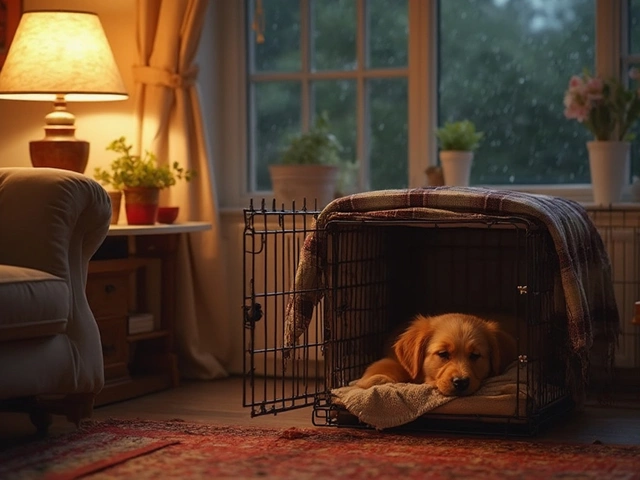
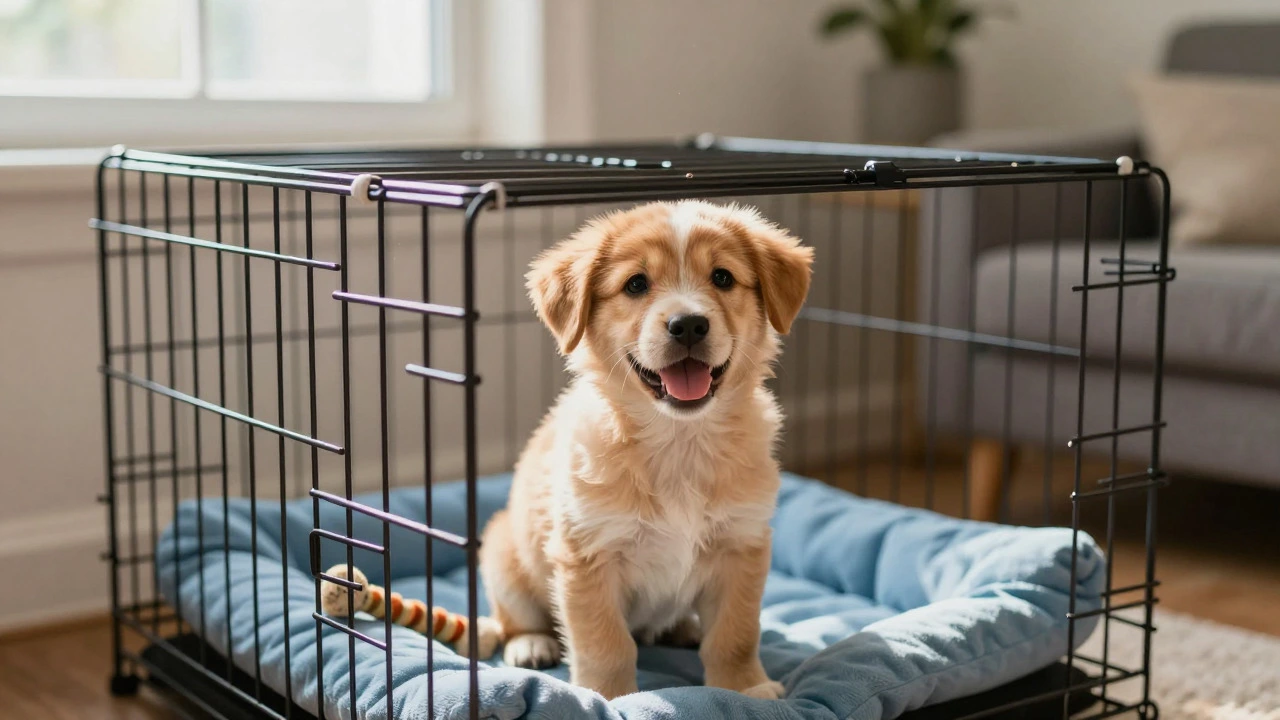
Crate training remains one of the most effective tools for establishing a safe sleeping routine, especially for puppies and rescue dogs. A crate mimics a den, tapping into a dog’s instinctual desire for a enclosed, secure space. When introduced correctly, a crate is not a prison; it is a sanctuary.
Crate Training involves teaching your dog to view their crate as a positive space. Start by feeding meals inside the crate with the door open. Gradually introduce closed-door periods while you are present, then slowly extend the time while you leave the room. Never use the crate as punishment.
Best practices for crate sleeping:
- Size matters: The crate should be large enough for the dog to stand, turn around, and lie down comfortably, but not so large that they can use one corner as a bathroom.
- Comfort: Use a washable, supportive crate pad or a memory foam insert.
- Location: Place the crate in a social area, like the bedroom or living room, rather than isolating it in a basement or garage.
Many owners find that placing the crate next to their bed allows for visual contact without the physical intrusion of the dog jumping up. This hybrid approach often works well during the transition from puppyhood to adulthood.
Option 3: Free Roaming with a Dedicated Dog Bed
Mature, well-trained dogs often prefer freedom. They may roam the house and eventually settle in their favorite spot, which could be the living room rug, the kitchen tile, or a dedicated dog bed in a quiet corner. This option requires a dog that is fully house-trained and does not suffer from separation anxiety.
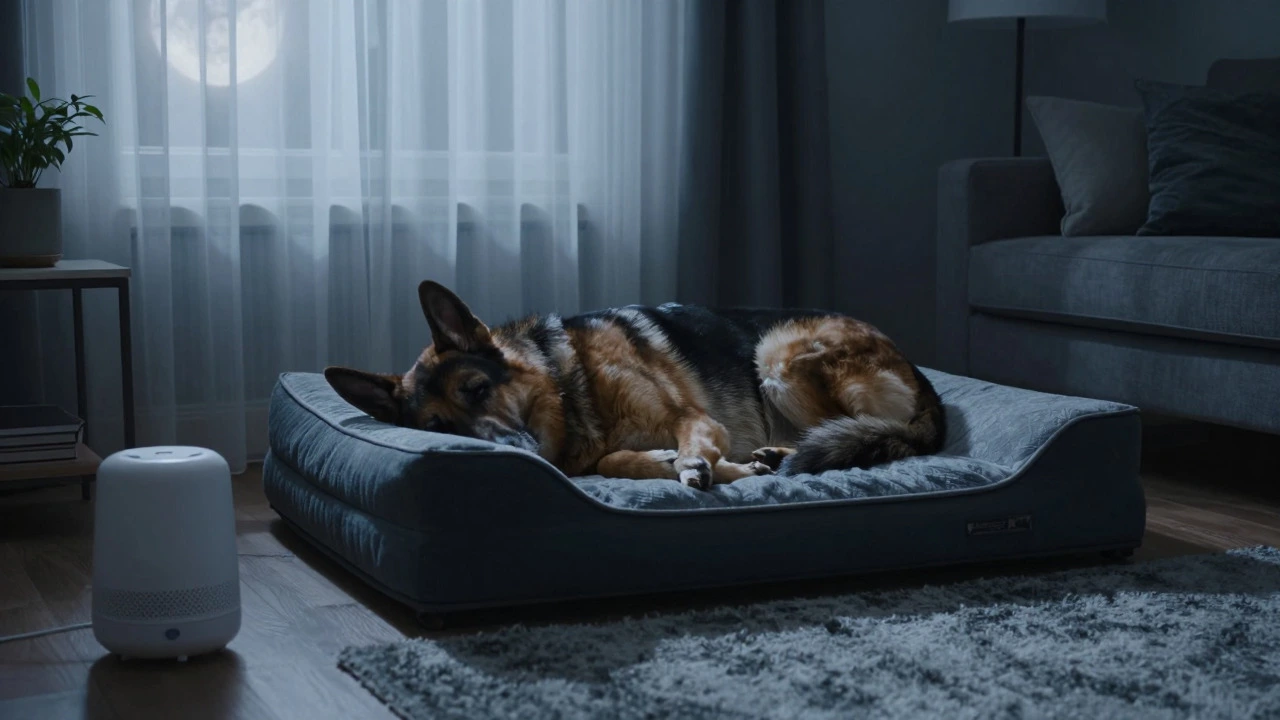
Choosing the right Dog Bed is critical here. Not all beds are created equal. Orthopedic beds with memory foam are ideal for older dogs or large breeds like German Shepherds and Golden Retrievers who suffer from joint pain. Elevated cooling beds are better for hot climates or breeds with thick coats like Huskies.
Factors to consider for free-roaming sleepers:
- Surface type: Hard floors are cool but offer little cushioning. Carpets are warm but trap allergens.
- Noise levels: Ensure the chosen spot is away from TVs, stereos, or busy family activity.
- Accessibility: Senior dogs may struggle to jump onto raised furniture or climb stairs to reach a preferred spot.
If your dog chooses to sleep under the dining table or behind the sofa, respect their choice unless it poses a safety risk. Dogs are experts at finding the perfect microclimate for rest.
Special Considerations for Puppies
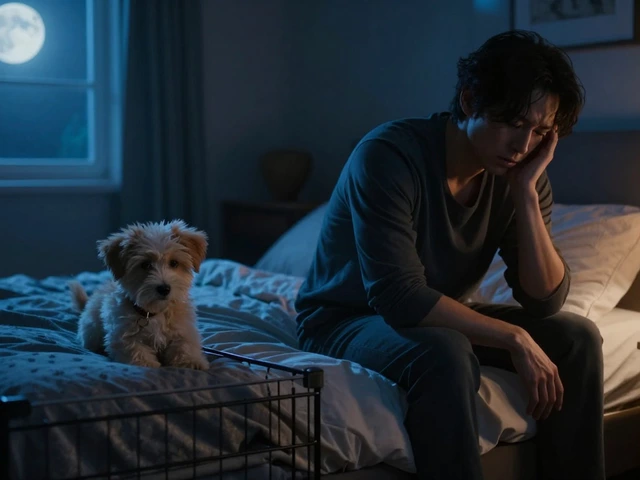
Puppies have different needs than adult dogs. They need frequent bathroom breaks, typically every 2-3 hours at night. Therefore, their sleeping location must be close to you so you can hear them whine.
I recommend starting with a crate placed in your bedroom. As the puppy matures and gains bladder control, you can gradually move the crate further away from your bed, inch by inch, over several weeks. This slow desensitization helps prevent separation anxiety later in life.
Never leave a puppy alone in another room for the entire night until they are at least six months old and reliably house-trained. Accidents happen, and waking up to a mess is frustrating, but isolation causes more long-term behavioral damage.
Managing Separation Anxiety
If your dog suffers from separation anxiety, their sleeping location becomes a therapeutic tool. Signs of anxiety include excessive whining, destruction of property, pacing, and drooling when left alone.
In these cases, keeping the dog in your bedroom is often the best initial strategy. It reassures them that you are nearby. Over time, you can work with a professional trainer to gradually increase distance. Using pheromone diffusers, such as Adaptil, near their sleeping area can also help calm nervous dogs.
Avoid punishing anxious behavior. Instead, create a predictable bedtime routine. Walk the dog, feed them a small meal, and then guide them to their bed with a calm command like "Settle." Consistency builds confidence.
Comparison of Sleeping Arrangements
| Location | Best For | Pros | Cons |
|---|---|---|---|
| Owner's Bed | Anxious dogs, seniors | Maximum comfort, bonding | Sleep disruption, hygiene |
| Crate in Bedroom | Puppies, new rescues | Security, house-training aid | Requires training, space needed |
| Dedicated Dog Bed | Independent adults | Freedom, personal space | Risk of wandering, less supervision |
| Living Room/Family Area | Social dogs | Part of the "pack," warmth | Noise, distractions |
Creating the Perfect Sleep Environment
Regardless of where your dog sleeps, the environment itself plays a huge role in sleep quality. Here are some practical tips to optimize their resting space:
- Lighting: Keep the room dark. Use blackout curtains if streetlights keep your dog awake. Darkness triggers melatonin production, helping both you and your dog fall asleep faster.
- Temperature: Most dogs prefer temperatures between 60-80°F (15-27°C). Provide a blanket for cold nights and a cooling mat for summer heatwaves.
- Sound: White noise machines or fans can mask outside noises like traffic or barking neighbors that might startle your dog.
- Scent: Leave an unwashed t-shirt with your scent in their bed. Familiar smells are incredibly comforting to dogs.
When to Change the Sleeping Arrangement
Your dog’s needs will change over time. A playful puppy who loves cuddling may grow into an independent adult who prefers their own space. Conversely, a confident adult dog may develop arthritis or cognitive decline in their senior years, requiring closer proximity to you for comfort and assistance.
Watch for signs that the current setup isn’t working. Is your dog sleeping less? Are they showing signs of stress, like panting or yawning excessively? Are you waking up tired? If so, it might be time to experiment with a new location. Try moving their bed to a different room for a week and observe the changes in their behavior and your own sleep quality.
Ultimately, the goal is mutual comfort. Your dog should feel safe and secure, and you should get the rest you need. There is no shame in letting your dog sleep on your bed if it makes everyone happier. Just ensure that boundaries are respected and hygiene is maintained.
Is it bad to let your dog sleep in your bed?
Not necessarily. Many studies show that co-sleeping can strengthen the bond between owner and dog and reduce anxiety. However, it can disrupt sleep quality for light sleepers and increase allergen exposure. It is a personal preference based on your lifestyle and your dog’s temperament.
Where should a puppy sleep at night?
Puppies should sleep in a crate placed in your bedroom. This keeps them close to you for bathroom breaks and reduces separation anxiety. As they mature and gain bladder control, you can gradually move the crate to another room.
How do I stop my dog from sleeping on my bed?
Start by making your bed less appealing. Close the bedroom door at night and place a comfortable dog bed outside. Reward your dog heavily when they sleep in their own bed. Be consistent and patient, as changing habits takes time.
Should dogs sleep in the same room as their owners?
For many dogs, yes. Sleeping in the same room provides a sense of security and pack cohesion. It is especially recommended for puppies, senior dogs, and those with anxiety. However, independent dogs may prefer their own space.
What is the best type of dog bed for joint pain?
Orthopedic beds filled with memory foam or egg-crate foam are best for dogs with joint pain or arthritis. These materials distribute weight evenly and provide cushioning for pressure points, improving comfort and sleep quality.