Dog Bedtime Optimizer
Find the perfect window for your dog's sleep. This tool accounts for age-specific bladder limits, digestion time, and your own household schedule.
Quick Sleep Hygiene Tips
🌑 Dim the Lights
Blue light suppresses melatonin. Use warm lighting in the evening to help your dog wind down naturally.
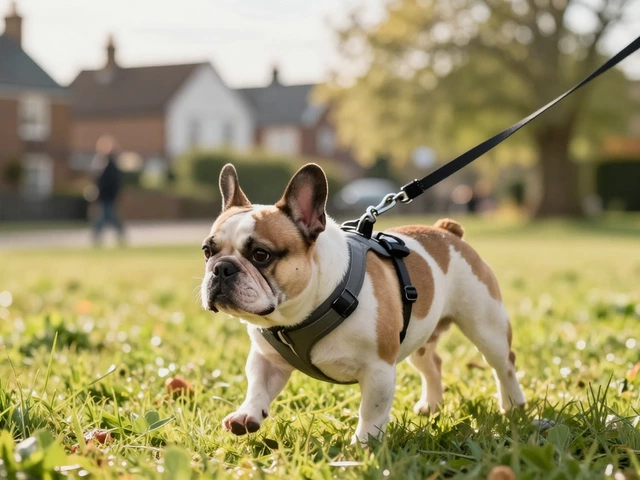
🚶 Boring Walks
The final walk should be short and strictly for elimination. Avoid exciting sniffing or play right before bed.
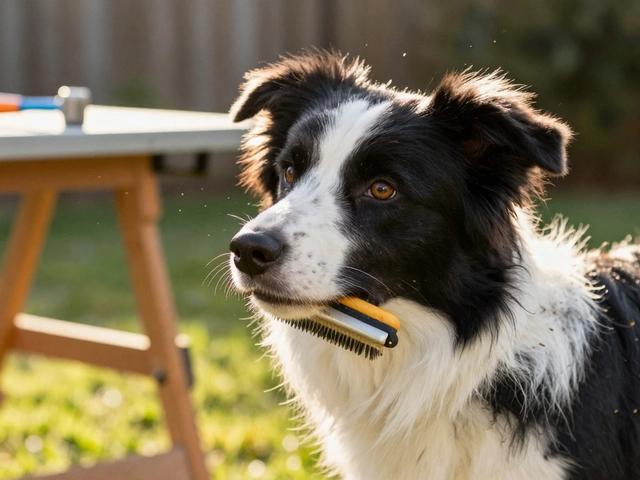
🧠 Mental Calm
Use lick mats or gentle grooming instead of tug-of-war. Low-arousal activities lower cortisol levels.
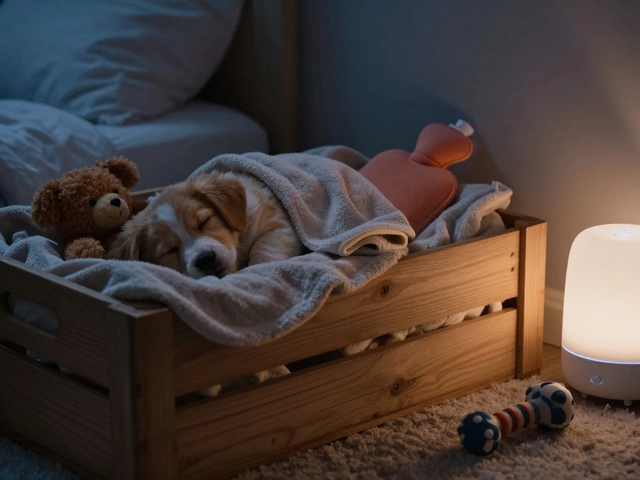
🛏️ Supportive Bed
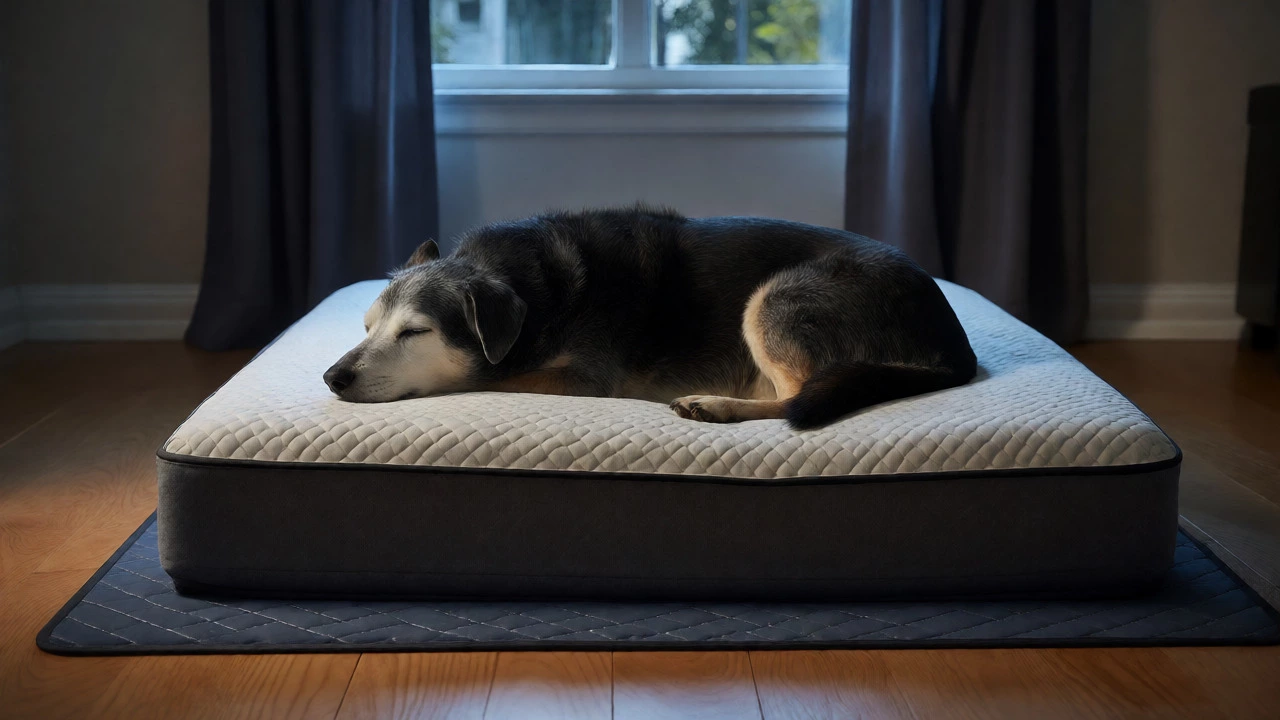
Ensure a cool, dark environment. Orthopedic beds help seniors and large breeds avoid joint pain disruptions.
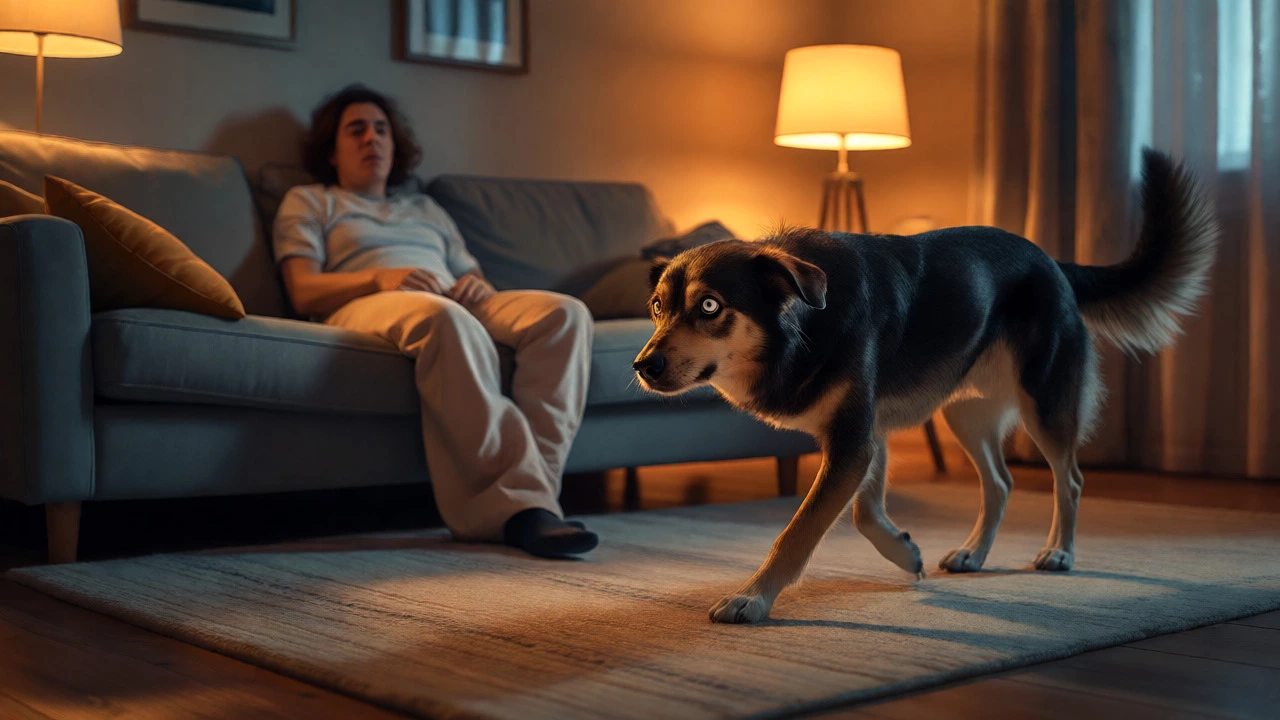
You’re exhausted. It’s 10 PM, you’re ready to crash, but your dog is pacing, whining, or staring at you with wide, unblinking eyes. You wonder if you missed the window. Did you feed them too late? Are they overstimulated? The truth is, there isn’t one universal "magic hour" for every dog, but there is a science-backed sweet spot that aligns with their biology and your lifestyle. Getting this right transforms chaotic evenings into peaceful nights.
The best time to put a dog to bed generally falls between 9:00 PM and 11:00 PM for adult dogs, depending on their age, activity level, and your household schedule. This window allows enough time for digestion after dinner and a final potty break, while still letting the dog settle into deep sleep before the household goes quiet. Puppies need earlier bedtimes due to smaller bladders, while senior dogs might benefit from later routines if they suffer from cognitive dysfunction or joint pain that worsens at night.
Understanding Your Dog’s Internal Clock
Dogs aren’t nocturnal like cats; they are crepuscular, meaning they are naturally most active at dawn and dusk. However, domestication has shifted their rhythms to match ours. Their bodies run on a circadian rhythm, an internal clock regulated by light exposure and melatonin production. Just like humans, dogs produce more melatonin when it gets dark, signaling their body it’s time to rest. If you keep the lights blazing and the TV loud until midnight, you’re fighting their biology. Conversely, putting them to bed at 6 PM when they’ve had zero mental stimulation often leads to early morning wake-ups because they’ve already slept through the evening slump.
A healthy adult dog needs about 12 to 14 hours of sleep per day. If they nap heavily during the workday, forcing them to bed at 8 PM might result in them being awake and restless by 5 AM. The goal is synchronization. You want their peak alertness to overlap with your waking hours and their deepest sleep to coincide with yours. This alignment reduces nighttime accidents and anxiety behaviors.
Age Matters: Tailoring Bedtime for Puppies, Adults, and Seniors
One size definitely does not fit all. A 10-week-old puppy has different physiological constraints than a 7-year-old Labrador. Let’s break down the optimal windows for each life stage.
| Life Stage | Recommended Bedtime | Key Reason | Pre-Bed Routine Length |
|---|---|---|---|
| Puppy (8-16 weeks) | 8:00 PM - 9:30 PM | Small bladder capacity; needs frequent breaks | 15-20 minutes |
| Adult Dog (1-7 years) | 9:30 PM - 11:00 PM | Matches human schedule; adequate digestion time | 30-45 minutes |
| Senior Dog (8+ years) | Variable (often earlier) | Joint pain or cognitive decline may disrupt sleep | 20-30 minutes |
For puppies, the constraint is physical. They simply cannot hold their urine for long periods. Putting a young pup to bed too late increases the risk of overnight accidents. An earlier bedtime means fewer interruptions for you, too. For adults, the focus shifts to energy management. If you go to bed at 11 PM, try to start winding your dog down around 9:30 PM. For seniors, watch for signs of discomfort. Some older dogs pace at night due to arthritis. In these cases, a slightly earlier, calmer routine with orthopedic support can help them settle faster.

The Pre-Bed Routine: Why Timing Isn’t Everything
You could pick the perfect hour, but if you skip the wind-down process, your dog will still be wired. Think of the pre-bed routine as a bridge between high-energy play and deep sleep. This period should last 30 to 60 minutes before actual lights-out.
- The Final Walk: Take them out for a short, boring walk. No sniffing marathons or zoomies. This is strictly for elimination. Doing this 15-20 minutes before bed ensures their bladder is empty.
- Mental Decompression: Engage in low-arousal activities. Chew toys, lick mats, or gentle grooming help lower cortisol levels. Avoid tug-of-war or fetch, which spike adrenaline.
- Consistent Cues: Use the same phrase every night, like “Bedtime” or “Nighty-night.” Over time, this verbal cue becomes a conditioned stimulus that triggers relaxation.
Feeding timing is critical here. Never feed your dog immediately before bed. Digestion requires blood flow to the stomach, which can cause discomfort or gas if they lie down right away. Aim to finish dinner at least two to three hours before bedtime. If you eat at 7 PM, your dog should have eaten by 6 PM. This gap prevents bloating, especially in deep-chested breeds like Great Danes or German Shepherds.
Environmental Factors That Impact Sleep Quality
Even with a perfect schedule, a poor environment ruins sleep. Dogs are sensitive to temperature, noise, and light. Most dogs prefer cooler temperatures than humans do. If your bedroom is kept at 72°F (22°C), your dog might be overheating, leading to restlessness. Lowering the thermostat or providing a cooling mat can make a huge difference.
Light exposure is another major factor. Blue light from screens suppresses melatonin in both humans and dogs. If you scroll through your phone in bed with the dog at your feet, the blue glow might keep them alert. Consider using dim, warm lighting in the evening. Also, evaluate their sleeping surface. A thin blanket on hardwood floors offers no insulation or support. Investing in a quality orthopedic dog bed can reduce joint pressure and encourage longer, uninterrupted sleep cycles.
Troubleshooting Common Bedtime Issues
If your dog refuses to settle down, look for underlying causes rather than just adjusting the clock.
- Separation Anxiety: If they whine or scratch at doors, they may fear being alone. Gradual desensitization helps. Leave them for short periods during the day so they learn solitude is safe.
- Under-Stimulation: A bored dog is a hyper dog. Ensure they get enough physical exercise during the day. A tired dog sleeps better than a rested one.
- Medical Issues: Sudden changes in sleep patterns can signal health problems. Urinary tract infections, kidney disease, or thyroid issues can cause increased thirst and urination at night. Consult your vet if the change is abrupt.
Remember, consistency is key. Dogs thrive on predictability. Shifting bedtime by an hour every few days confuses their internal clock. Pick a reasonable window based on your lifestyle and stick to it for at least two weeks to see results.
Frequently Asked Questions
Should I let my dog sleep in my bed?
This depends entirely on your preference and your dog's behavior. Sleeping together can strengthen bonds and provide warmth, but it may disturb your sleep if the dog moves frequently or snores loudly. If you choose to share the bed, ensure the mattress supports both species adequately. If your dog shows resource guarding tendencies, a separate crate or bed nearby might be better.
How many hours of sleep does a dog actually need?
Adult dogs typically need 12 to 14 hours of sleep per day. Puppies and senior dogs require more, often up to 18 to 20 hours. This total includes naps throughout the day. If your dog sleeps only 8 hours at night, they likely compensate with daytime naps. Monitor their overall energy levels to ensure they are well-rested.
Is it bad to wake my dog up early in the morning?
Occasional early wakes are fine, but making it a habit can disrupt their circadian rhythm. If you must wake them early, try to maintain a consistent wake-up time even on weekends. Dogs adapt quickly to regular schedules. Waking them randomly at 4 AM one day and 8 AM the next creates confusion and can lead to early morning barking.
Can I give my dog melatonin supplements for sleep?
Yes, many owners use canine-specific melatonin to help with anxiety or sleep disturbances. However, always consult your veterinarian before starting any supplement. Dosage varies significantly by weight and breed. Melatonin is generally safe but can interact with other medications, particularly those for diabetes or seizures.
Why does my dog pace at night?
Nighttime pacing can stem from several causes: insufficient exercise, anxiety, cognitive dysfunction syndrome (common in seniors), or medical pain such as arthritis. Rule out medical issues first with a vet checkup. If healthy, increase daytime mental and physical stimulation. Creating a calm, dark, and cool sleeping environment also helps reduce restlessness.