Dog Grooming Frequency Calculator
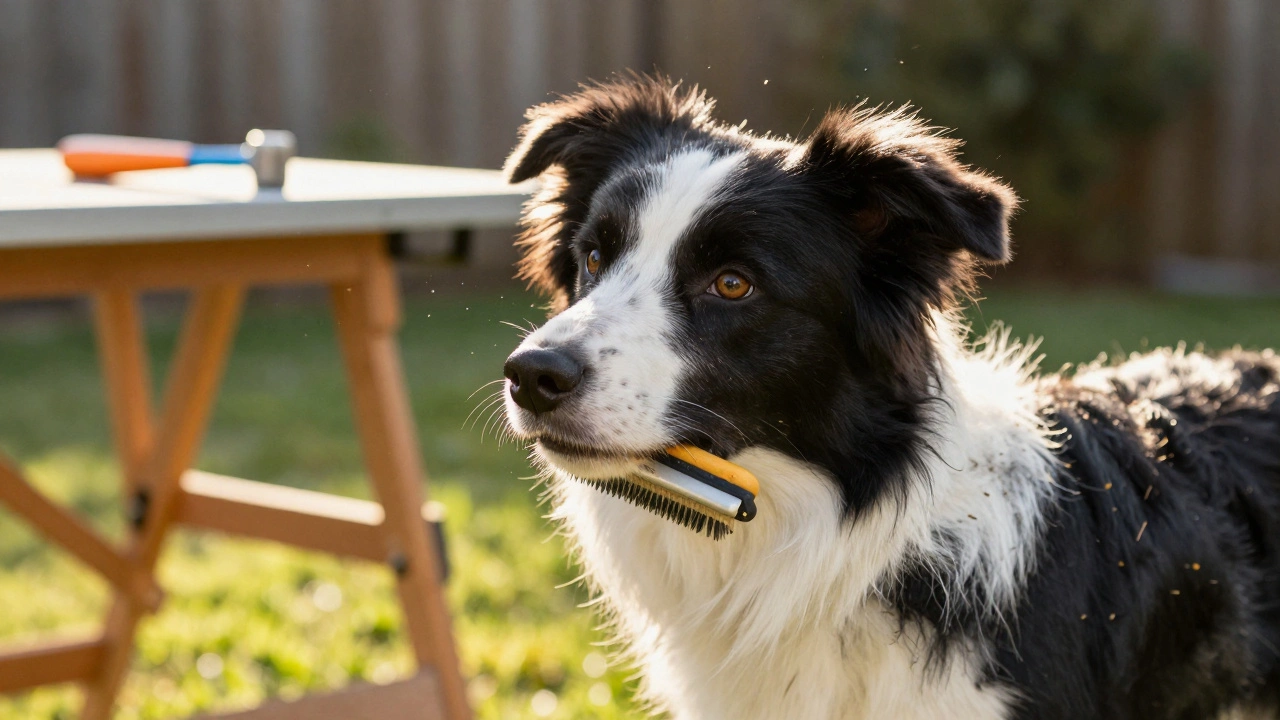
How often should dogs get groomed? It’s not a one-size-fits-all answer. Your dog’s coat type, lifestyle, and even where you live play a bigger role than most owners realize. In Auckland, where humidity and grass seeds cling to fur, a short-haired Border Collie might need brushing twice a week, while a Poodle in the same neighborhood could need a professional trim every 6 weeks. Skipping grooming isn’t just about looks-it affects health, comfort, and even behavior.
Why Grooming Matters More Than You Think
Grooming isn’t just about making your dog look nice. Matted fur traps moisture, dirt, and parasites. It can lead to skin infections, hot spots, and painful pressure sores. Long hair around the eyes can cause irritation or even corneal ulcers. Tangled fur under the armpits or between the toes can make walking uncomfortable. A dog that’s constantly scratching or licking its paws might not have an allergy-it might just need a brush.
Regular grooming also gives you a chance to check for lumps, ticks, cuts, or ear infections. Many owners catch early signs of health problems during brushing. A study from the University of Sydney found that dogs with consistent grooming routines had 40% fewer skin-related vet visits over a 12-month period.
Short-Haired Dogs: Less Fur, But Still Need Care
Think short hair means low maintenance? Think again. Breeds like Beagles, Boxers, and Dachshunds shed constantly. Their fur sticks to clothes, furniture, and car seats. Brushing them 2-3 times a week removes loose hair before it ends up everywhere. A slicker brush or rubber grooming mitt works best.
Even short-haired dogs need occasional baths-every 4 to 6 weeks-unless they roll in mud or smell like a dumpster. Over-bathing strips natural oils and dries out the skin. In Auckland’s damp climate, skipping baths for too long can lead to yeast buildup, especially in skin folds.
Long-Haired and Curly-Coated Breeds: The High-Maintenance Group
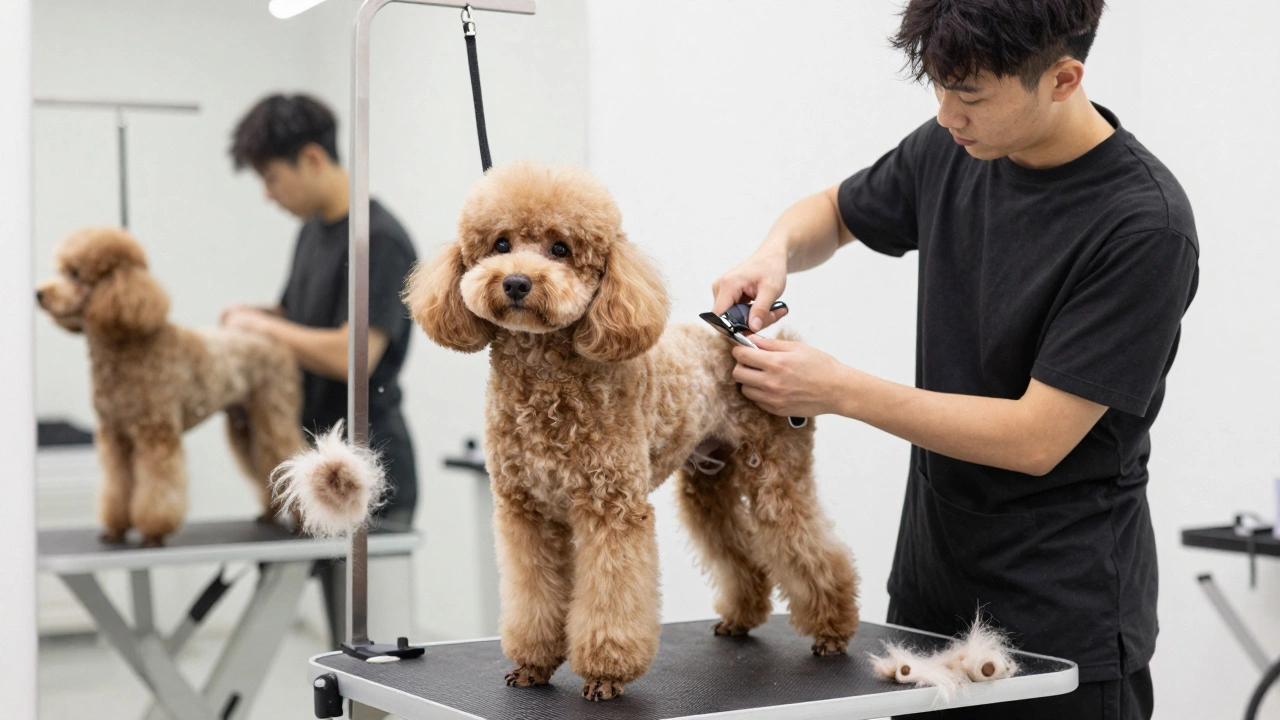
Shih Tzus, Maltese, Poodles, and Bichon Frises are beautiful-but they’re high upkeep. Their hair grows continuously, like human hair. If not trimmed, it mats fast. Mats pull on the skin, cause pain, and block airflow. A single mat under the armpit can turn into a painful, infected pocket in just a few weeks.
These breeds need professional grooming every 4 to 6 weeks. Between visits, daily brushing is non-negotiable. Use a metal comb to check for tangles starting at the skin. A detangling spray helps, but don’t skip the comb. Skipping a single week can mean a full groom takes 2 hours instead of 45 minutes.
Double-Coated Breeds: Shedding Seasons Are Critical
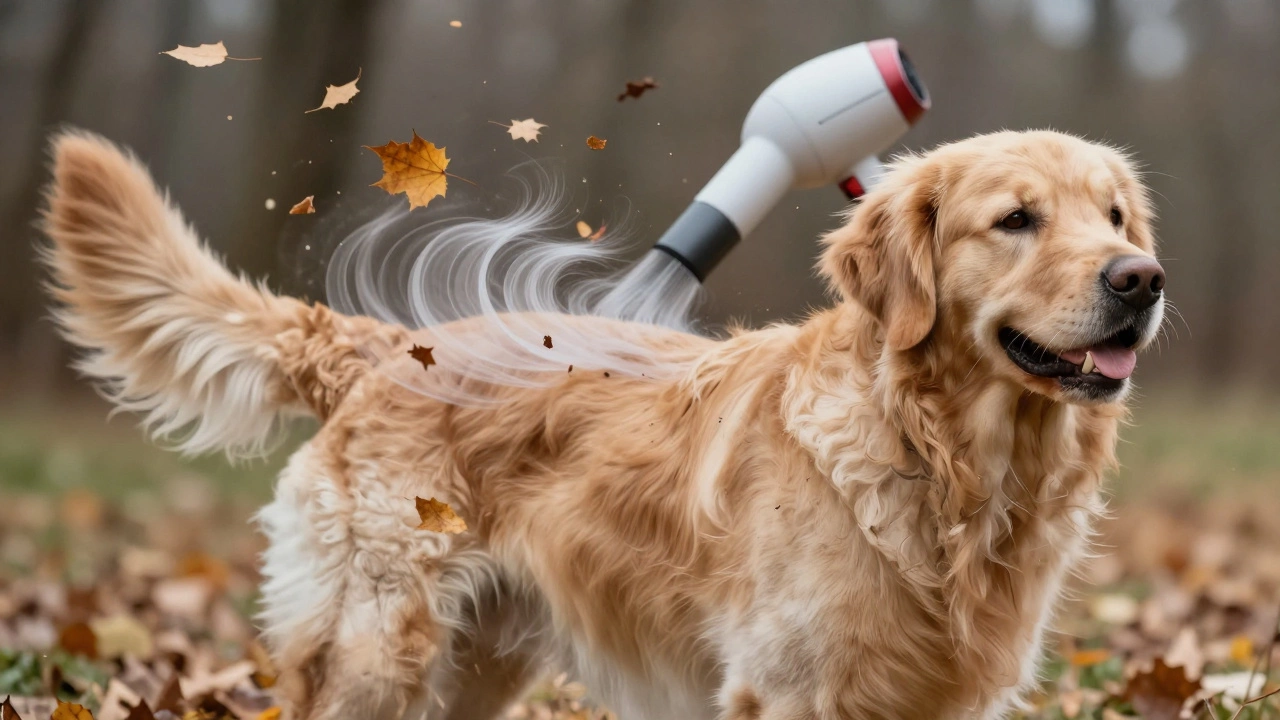
Golden Retrievers, Huskies, German Shepherds, and Newfoundlands have a thick undercoat that sheds twice a year. In spring and fall, they blow their coat-losing up to 70% of their fur in a few weeks. During these times, daily brushing with an undercoat rake is essential. Otherwise, you’re not just cleaning up hair-you’re fighting a full-blown shedding crisis.
Never shave a double-coated dog thinking it’ll help. Their coat protects them from sunburn and cold. Shaving disrupts temperature regulation and can lead to permanent coat damage. Instead, focus on deep brushing and regular baths to loosen the undercoat. A good groomer will use a high-velocity dryer to blow out loose fur.
What About Hairless Dogs?
Even hairless breeds like the Chinese Crested or Xoloitzcuintli need grooming. Their skin gets oily, dry, or sunburned easily. Bathe them every 1-2 weeks with a gentle, fragrance-free cleanser. Apply dog-safe sunscreen before walks in summer. Moisturize with a vet-approved lotion twice a week. Don’t forget to clean their ears-they’re prone to wax buildup.
How Often Should You Bathe Your Dog?
There’s no magic number. Most dogs need a bath every 4-8 weeks. But if your dog loves muddy trails, swimming in lakes, or rolling in dead fish, you’ll need to wash them more often.
Use a dog-specific shampoo. Human shampoo changes the pH of a dog’s skin and can cause irritation. Look for oatmeal-based or hypoallergenic formulas. Rinse thoroughly-leftover shampoo is a common cause of itchy skin.
Too many baths? You’ll dry out their skin. Not enough? Oil and dirt build up. Watch for signs: greasy fur, flaky skin, or a sour smell. That’s your cue for a bath.
At-Home vs. Professional Grooming
You can do most brushing, nail trimming, and ear cleaning at home. But professional groomers have tools and training you don’t. They use high-velocity dryers, clippers with different blade sizes, and know how to handle anxious dogs. For breeds with complex haircuts-like a Poodle’s lion cut or a Shih Tzu’s topknot-a pro is worth the cost.
Most vets recommend professional grooming every 4-8 weeks for dogs with curly or long hair. For short-haired dogs, every 8-12 weeks is enough unless they’re messy. In Auckland, where grass seeds and pollen are high, many owners schedule a grooming session every 6 weeks as a preventative health check.
Signs Your Dog Needs Grooming Now
- Fur that mats easily, especially behind the ears or under the legs
- Odor that doesn’t go away after a bath
- Excessive scratching or licking
- Overgrown nails that click on the floor
- Dirt or debris stuck in paw pads
- Stained fur around the mouth (common in dogs with drool)
- Visible dandruff or flaky skin
If you notice any of these, don’t wait. A quick brush or trim now prevents a vet bill later.
Seasonal Grooming Adjustments
Weather changes how your dog’s coat behaves. In winter, their undercoat thickens. In summer, they shed more. Adjust your routine:
- Spring: Brush daily to remove loose undercoat. Bathe more often if pollen triggers allergies.
- Summer: Trim hair around paws and sanitary areas. Keep ears clean-moisture leads to infections.
- Fall: Brush heavily to remove shedding hair before indoor heating dries the air.
- Winter: Use a moisturizing conditioner. Protect paws with wax or booties on icy sidewalks.
What Not to Do
- Don’t use human clippers. They’re too loud, too hot, and too weak for dog hair.
- Don’t cut mats out with scissors. You’ll cut the skin. Use a detangler and comb them out.
- Don’t ignore the anal glands. If your dog scoots, it’s not just itchiness-it’s a blocked gland that needs vet attention.
- Don’t assume your dog hates grooming. Most dogs calm down with routine. Start young, go slow, and reward with treats.
Final Rule of Thumb
If you can’t easily run your hand through your dog’s coat without feeling tangles or resistance, it’s time to groom. If their nails touch the ground when they stand, they’re too long. If their fur smells sour or looks greasy, they need a bath.
There’s no universal schedule. But if you brush your dog 2-3 times a week and take them to a pro every 6-8 weeks, you’ll avoid most problems. Keep a grooming log-note dates, what you did, and any changes in skin or behavior. It helps you spot patterns before they become problems.
Can I groom my dog at home instead of taking them to a professional?
Yes, you can handle basic grooming like brushing, nail trimming, and ear cleaning at home. But for breeds with curly, long, or thick coats, professional grooming is necessary every 4-8 weeks. Pros have the right tools, experience with anxious dogs, and know how to cut hair safely without matting or skin damage. If you’re unsure, start with a groomer every 6 weeks and ask them to show you how to maintain it at home.
How do I know if my dog’s coat needs trimming?
If your dog’s hair hangs past the skin or gets tangled easily, it’s time for a trim. Check the hair around the eyes, paws, and rear end. If it’s long enough to get in the way-like blocking vision or trapping poop-you need a trim. Also, if the coat looks uneven or feels rough instead of smooth, it’s overdue. A good rule: if you can’t see your dog’s natural shape because of hair, it’s time for a cut.
Is it true that shaving a double-coated dog helps them stay cool?
No, and it can actually harm them. Double-coated breeds have an insulating undercoat that protects them from both heat and cold. Shaving removes this layer and can lead to sunburn, overheating, or even permanent coat thinning. Instead of shaving, brush them daily during shedding season to remove loose undercoat. Use a high-velocity dryer after baths to blow out dead hair. This keeps them cooler naturally.
How often should I trim my dog’s nails?
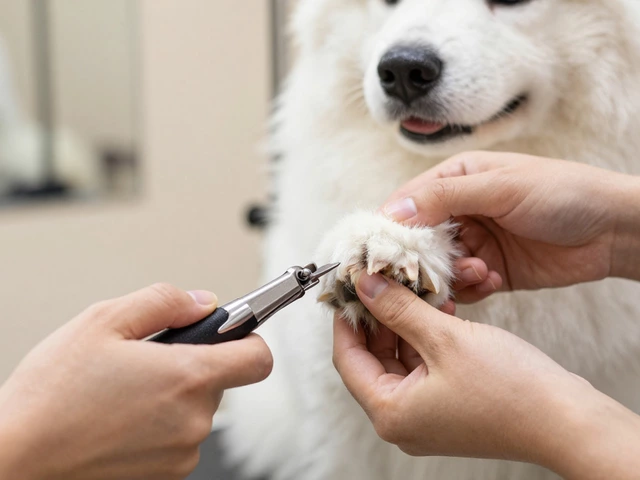
Most dogs need nail trims every 3-4 weeks. If you hear clicking on hard floors, it’s too long. Overgrown nails can cause pain, change how your dog walks, and even lead to joint problems. If the nails are dark, don’t cut past the quick-the pink part inside. If you’re unsure, ask a groomer or vet to show you how. Some dogs get used to it with practice and treats.
Can I use human shampoo on my dog?
No. Human shampoo is too harsh for a dog’s skin, which has a higher pH level. It can strip natural oils, cause dryness, and lead to itching or rashes. Always use a dog-specific shampoo. Look for ones labeled hypoallergenic or oatmeal-based. If your dog has a skin condition, ask your vet for a medicated formula.