Dog Grooming Cost & Frequency Estimator
Select your dog's details and click Calculate to see estimated costs and frequency recommendations.
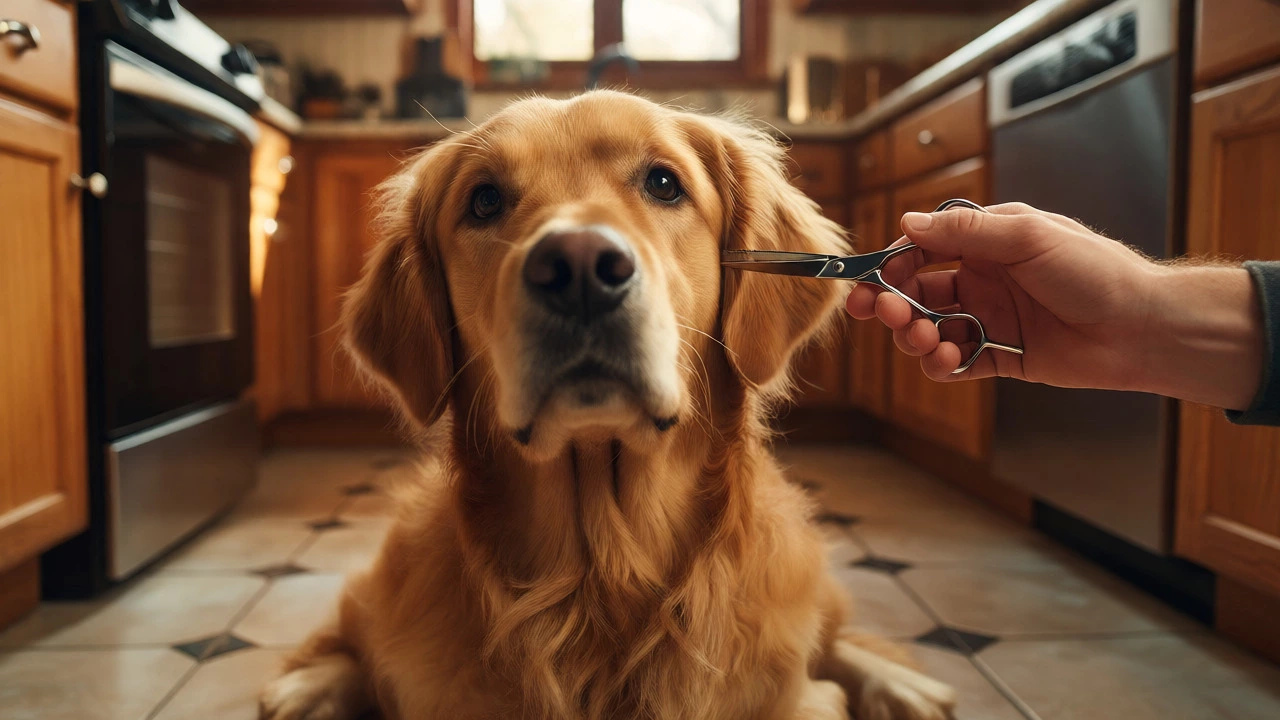
You’re staring at your golden retriever’s matted fur, holding a pair of scissors that feel dangerously sharp near his ears. You know you should call a pro, but the quote you got last week made your wallet wince. Is it really worth getting a dog groomer, or are you just paying for someone else to do what you could learn to do yourself?
This isn’t just about vanity. For many breeds, regular grooming is a health necessity, not a luxury. But for others, it might be overkill. The answer depends entirely on your dog’s coat type, your own skill level, and how much time you can realistically commit. Let’s break down exactly when hiring a professional dog groomer saves you money and stress, and when you’re better off grabbing the clippers yourself.
The Real Cost: Money vs. Time vs. Stress
Let’s talk numbers first because that’s usually the biggest hurdle. In 2026, average prices for a full groom (bath, haircut, nail trim, ear cleaning) range from $50 for small short-haired dogs to $150+ for large, high-maintenance breeds like Poodles or Old English Sheepdogs. If you have a medium-sized doodle mix, expect to pay around $80-$100 every 6-8 weeks. That adds up to roughly $600-$800 a year.
Now, look at the DIY route. You’ll need to buy equipment upfront: a decent clipper set ($100-$300), a dryer ($50-$150), brushes, shampoo, and nail tools. Total initial investment? Maybe $300-$500. After that, your ongoing cost is just shampoo and replacement blades, which is negligible. So, financially, DIY wins after the first year if you stick with it.
But here’s the catch: time. A proper groom for a long-haired dog takes 2-4 hours if you’re doing it right. That includes bathing, drying, brushing out mats, cutting hair, trimming nails, and cleaning ears. Do you actually have four free hours every six weeks? Most people don’t. And if you rush it, you end up with uneven cuts or missed mats, which leads back to the groomer anyway-just with an extra bill for de-matting charges.
Breed Matters More Than You Think
Not all dogs need a groomer. Some barely need a brush. Here’s how to categorize your pup:
- Low Maintenance: Short-haired breeds like Beagles, Boxers, or Dachshunds. These dogs shed, but their coats don’t mat. Regular brushing at home is enough. A bath once a month or when they roll in something gross is plenty. Hiring a groomer for these dogs is often unnecessary unless you hate baths.
- Moderate Maintenance: Breeds like Golden Retrievers, German Shepherds, or Labradors. They have double coats that blow out seasonally. You need to brush them weekly to prevent undercoat buildup. Professional help is optional but helpful during shedding seasons to speed up the process.
- High Maintenance: Curly or continuously growing hair breeds like Poodles, Bichon Frise, Shih Tzus, Yorkies, and most Doodle mixes. Their hair grows forever, just like human hair. If you don’t cut it regularly, it mats against the skin, pulling painfully and trapping moisture that causes hot spots. These dogs almost always need a groomer every 4-8 weeks.
If you have a high-maintenance breed, skipping the groomer isn’t really an option unless you’re willing to become a skilled stylist. Mats aren’t just ugly; they hurt. When hair mats tight against the skin, it pulls on the follicles constantly. Over time, this causes chronic pain and skin infections.
The Hidden Risks of DIY Grooming
People often underestimate the skill required to use clippers safely. Dog skin is thinner and more elastic than human skin. It stretches easily, making it easy to nick with clippers, especially in sensitive areas like the armpits, groin, and around the eyes. One slip can mean a trip to the vet for stitches, costing far more than a groomer ever would.
Then there’s the issue of technique. Cutting against the grain of the hair or using the wrong blade length can result in a patchy, uneven coat that looks worse than before. Worse, improper drying can leave dampness deep in the undercoat, creating a perfect environment for yeast infections and bacterial growth. This is particularly common in thick-coated breeds if owners don’t use a high-velocity dryer properly.
| Factor | DIY Grooming | Professional Groomer |
|---|---|---|
| Upfront Cost | $300-$500 for equipment | $0 (pay per visit) |
| Ongoing Cost | Low (shampoo, blades) | $50-$150 per session |
| Time Commitment | 2-4 hours per session | Drop-off/Pick-up (1-2 hours travel) |
| Skill Level Required | High (for good results) | N/A (Pro does it) |
| Risk of Injury | Moderate (clippers, scissors) | Low (trained professionals) |
| Health Check | Limited (unless you’re trained) | Yes (skin lumps, ticks, ear issues) |
When a Groomer Is Non-Negotiable
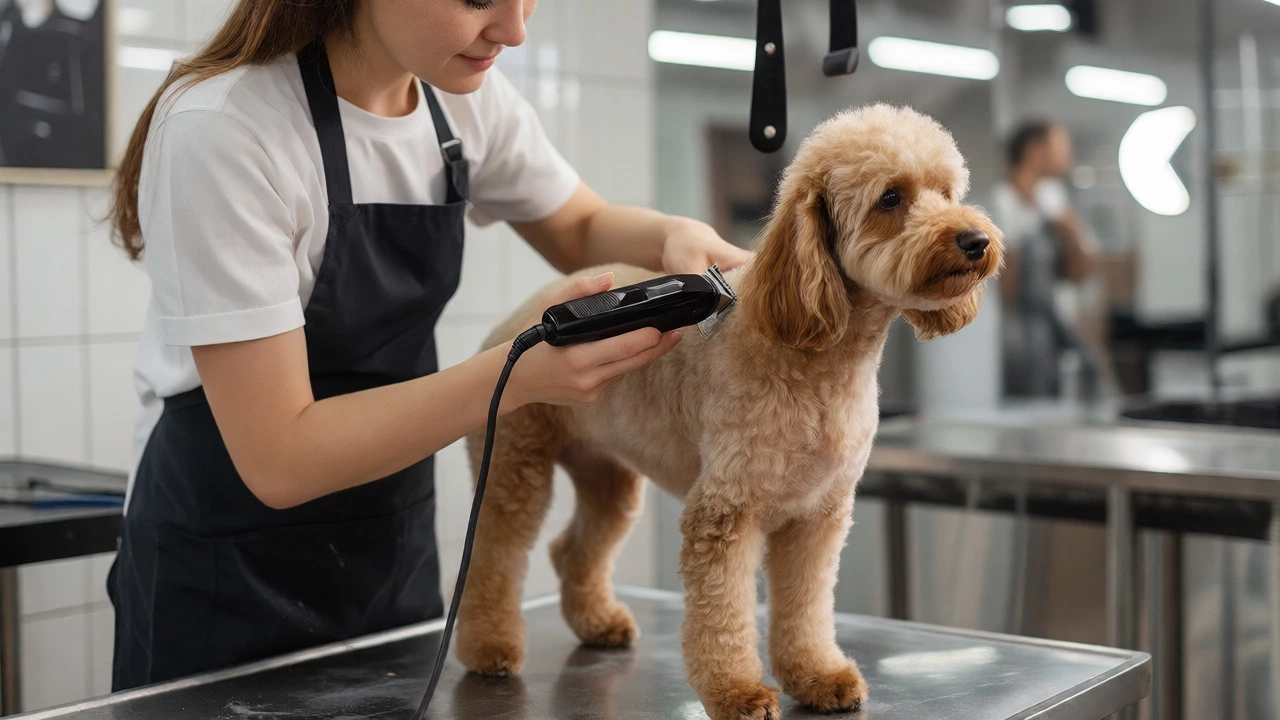
There are specific scenarios where trying to save money by grooming at home is a false economy. If your dog has severe matting, do not try to cut it out with scissors. Scissors can trap loose hair inside the mat, leading to further tangling, and it’s nearly impossible to see the skin underneath. A groomer uses clippers to shave the mat out, which is safer and faster.
Also, consider your dog’s temperament. If your dog panics when touched, bites when restrained, or cannot stand still for five minutes, a professional groomer is worth every penny. Groomers are trained in handling techniques and behavior modification. They know how to desensitize anxious dogs to dryers and clippers. Trying to force a struggling dog into submission often leads to negative associations, making future handling even harder.
Older dogs or those with arthritis also benefit from professional services. Holding a dog in position for a groom requires physical strength and patience. A groomer knows how to adjust tables and positions to minimize strain on stiff joints. If you have back problems or limited mobility, lifting a 60-pound dog onto a tub can be risky.
How to Choose the Right Groomer
Not all groomers are created equal. Before booking, ask these questions:
- What certifications do they hold? Look for graduates from reputable schools like the International Professional Groomers, Inc. (IPG) or National Dog Groomers Association of America (NDGAA). While certification isn’t mandatory everywhere, it shows a baseline of knowledge.
- Do they offer cage-free facilities? Modern grooming shops are moving away from keeping dogs in cages all day. Ask how they manage multiple dogs. Are they supervised in playgroups or kept in individual crates only during active grooming?
- Can I watch the process? A transparent groomer will let you observe. This helps you learn tips and ensures they’re treating your dog gently.
- What’s their policy on sedation? Reputable groomers rarely sedate dogs themselves. If they suggest sedation, it should come from your vet, not the groomer. Avoid places that routinely give calming treats without asking you first.
Check online reviews specifically mentioning "mat removal" or "anxious dogs." These details tell you more about their skill and patience than general star ratings.
Hybrid Approach: Best of Both Worlds
You don’t have to choose one extreme. Many owners find a middle ground works best. Hire a groomer for major trims and health checks every 2-3 months, but handle basic maintenance at home in between.
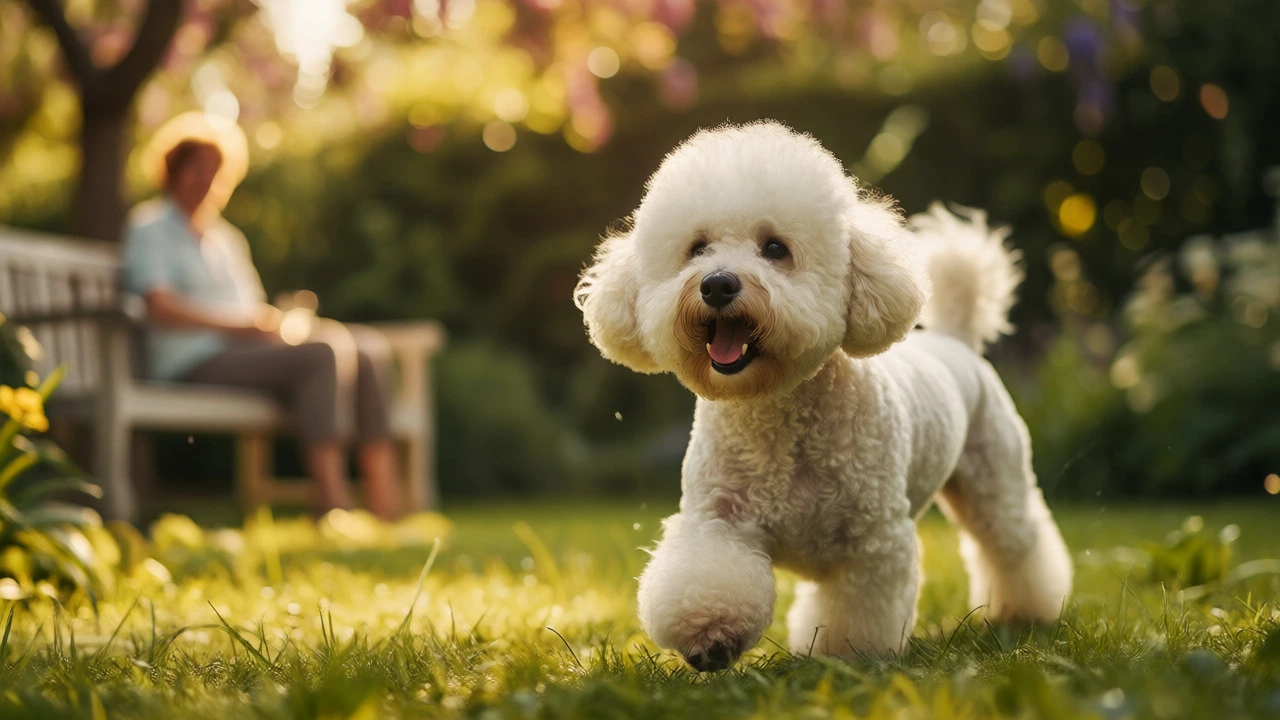
For example, if you have a Poodle, get a professional trim every 8 weeks. In between, bathe your dog monthly and brush thoroughly twice a week. Learn to clean ears and trim nails at home. Nails grow fast, and waiting for a groomer appointment to fix overgrown nails can cause gait issues. Buying a good pair of scissor-style nail clippers and learning to avoid the quick is a valuable life skill for any dog owner.
This hybrid model reduces the frequency of expensive visits while keeping your dog comfortable. It also strengthens your bond with your pet through regular touch and care.
Signs Your Dog Needs Immediate Professional Help
Don’t wait for a scheduled appointment if you notice these red flags:
- Foul odor: Smells bad even after a bath? Could be impacted anal glands or infected ears.
- Excessive scratching: Check for fleas, but also look for hot spots (red, raw patches).
- Visible parasites: Ticks or fleas hiding in thick fur.
- Crusty eyes or ears: Signs of infection that need veterinary attention, not just cleaning.
- Painful mats: If your dog flinches when you touch a specific area, stop. Don’t pull. Call the groomer.
A good groomer acts as an early warning system. They spot lumps, bumps, and skin changes that you might miss under layers of hair. Catching a tumor early because a groomer felt a lump during a bath can literally save your dog’s life.
How often should I take my dog to a groomer?
It depends on the breed. High-maintenance breeds like Poodles, Shih Tzus, and Doodles typically need grooming every 4-6 weeks. Medium-maintenance breeds like Golden Retrievers may only need professional help every 3-4 months for baths and nail trims, provided you brush them regularly at home. Low-maintenance breeds like Beagles rarely need a groomer at all.
Is it cheaper to groom my dog at home?
Initially, no. You must buy equipment (clippers, dryer, tools) which costs $300-$500. However, after the first year, DIY becomes significantly cheaper than paying $80-$100 per visit. The trade-off is time and skill. If you enjoy grooming and have the time, it pays off. If you dread it, the stress isn’t worth the savings.
What happens if I never groom my dog?
For long-haired breeds, lack of grooming leads to severe matting, which pulls on the skin causing pain and restricting movement. Trapped moisture under mats causes skin infections and hot spots. Nail overgrowth can alter your dog’s gait and lead to joint problems. Ear wax buildup without cleaning causes painful infections. Eventually, you may face expensive vet bills for skin treatments or surgery.
Do groomers hurt dogs?
No, a competent groomer does not hurt dogs. They use safe tools and gentle handling techniques. However, some dogs find the experience stressful due to noise, strange smells, or being handled by strangers. Choosing a groomer who specializes in fear-free or low-stress handling can make a big difference. Never use a groomer who yells at or physically forces a dog excessively.
Can I use human shampoo on my dog?
Occasionally, yes, but it’s not ideal for regular use. Human skin has a different pH balance (around 5.5) compared to dog skin (around 7.0-7.5). Frequent use of human shampoo can strip natural oils from a dog’s coat, leading to dry, itchy skin. Always use shampoo formulated specifically for dogs.