
Dog Bed Placement Calculator
Your Situation
Fill in your details and click calculate to get personalized recommendations
Picture this: you’re watching TV on the couch, and your dog is asleep at your feet. Later, you check on them in the bedroom, and they’ve migrated to their own bed there. It’s not unusual for dog owners to wonder if they should keep up with this migration by placing a dog bed is a designated resting place designed specifically for canines to sleep comfortably and safely. in every room of the house. Is it necessary? Is it wasteful? Or does it actually benefit your pet’s well-being?
The short answer is no, you don’t *need* a bed in every room. However, having multiple sleeping spots can significantly improve your dog’s quality of life, reduce anxiety, and prevent destructive behaviors. The decision depends heavily on your dog’s personality, age, health, and your home layout.
Why Dogs Like Multiple Sleeping Spots
Dogs are pack animals by nature. In the wild, wolves rotate guard duty and sleep close to each other for warmth and security. Domestic dogs have retained this instinct. They want to be near their “pack”-which is you and your family. When you move from the kitchen to the living room, then to the bedroom, your dog often follows because being isolated feels vulnerable to them.
If your dog only has one bed in a spare room or basement, they may feel left out. By providing beds in high-traffic areas like the living room or master bedroom, you allow them to stay close while still having a defined space. This isn’t just about convenience; it’s about emotional security.
Consider an older dog with arthritis. Climbing stairs to reach a single bed in another part of the house might be painful or difficult. Having a comfortable spot on each floor or in frequently used rooms reduces physical strain. Similarly, puppies who are still learning bladder control need easy access to their owner during the night to minimize accidents.
The Benefits of Multi-Room Dog Beds
Providing more than one sleeping area offers several practical advantages:
- Reduced Separation Anxiety: Dogs with separation anxiety often panic when left alone. A familiar bed in a room where you spend time-even if you’re not directly touching them-can provide comfort through scent and association.
- Better Sleep Quality: Dogs, like humans, prefer different temperatures and light levels at different times of day. A cool spot in the hallway during summer or a warm corner near a heater in winter lets them self-regulate.
- Prevention of Furniture Chewing: If your dog doesn’t have an acceptable alternative to the couch, they’ll claim it anyway. Offering a plush bed nearby gives them a choice between chewing your sofa or lounging on their own.
- Easier Training: During crate training or housebreaking, having a consistent bed location helps reinforce boundaries. You can gradually move the bed closer to your sleeping area as trust builds.
For example, a rescue dog named Max struggled with noise sensitivity. His new owners placed a sound-dampening orthopedic bed in a quiet closet off the main hallway. Within weeks, he began seeking it out during thunderstorms, showing measurable reductions in stress hormones according to veterinary observations.
When One Bed Might Be Enough
Not every household needs multiple beds. If your dog is independent, enjoys solitude, or prefers sleeping under desks or in closets, extra beds may go unused. Some breeds, such as Greyhounds or Basenjis, are known for being content with minimal interaction and less attachment to specific locations.
Additionally, small apartments or homes with limited square footage make multi-bed setups impractical. In these cases, a single high-quality bed placed strategically-near your seating area but away from foot traffic-is often sufficient.
Cost is another factor. Premium orthopedic beds can cost $100-$300 each. Buying three or four could exceed what many budgets allow. Instead of spreading funds thin across multiple mediocre options, investing in one durable, washable bed that serves all purposes might be smarter.
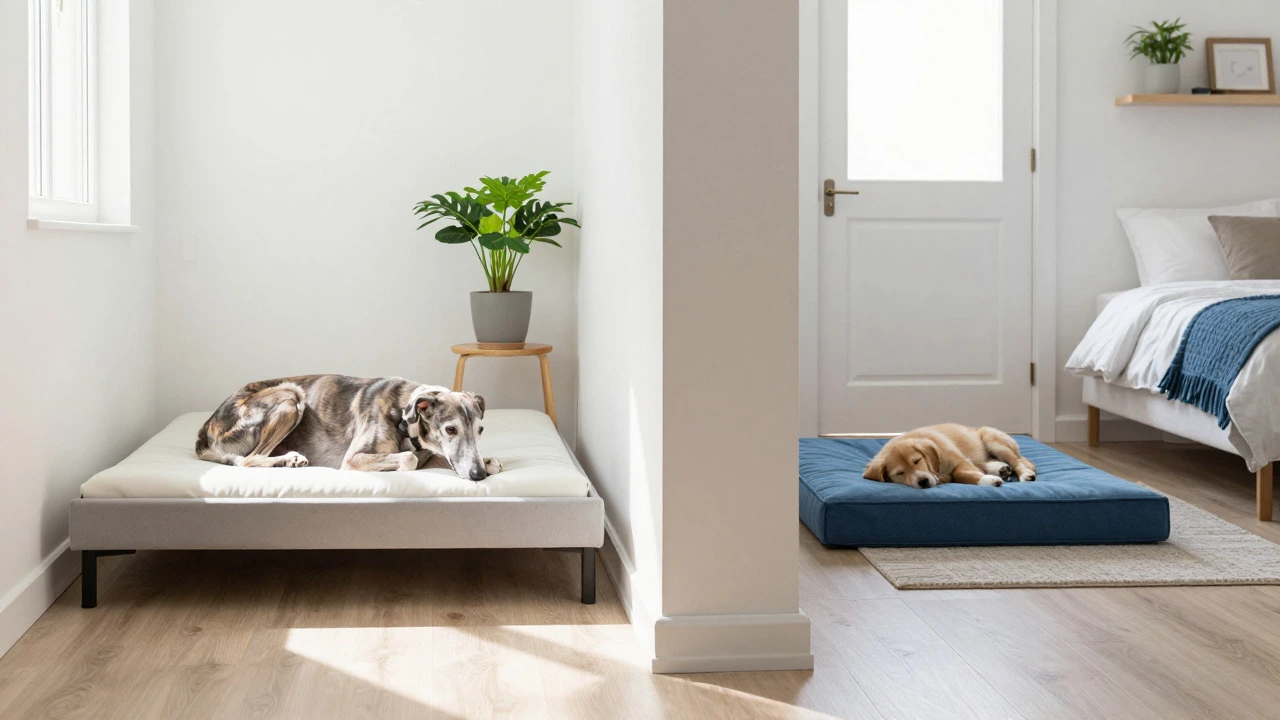
How Many Beds Should You Actually Buy?
There’s no universal rule, but here’s a general guideline based on common scenarios:
| Household Scenario | Suggested Bed Count | Reasoning |
|---|---|---|
| Single dog, large home | 2-3 beds | Cover main living areas and bedroom |
| Multiple dogs | 1 per dog + 1 shared | Respect individual preferences and avoid conflict |
| Small apartment | 1 bed | Space constraints limit placement options |
| Senior or disabled dog | 2-4 beds | Easy access on each floor or key rooms |
| Puppy in training | 1-2 beds | Start with one, add second near owner’s bedroom |
This table reflects real-world usage patterns observed by professional trainers and veterinarians. Adjust based on your dog’s behavior-if they ignore certain beds, remove them rather than letting clutter accumulate.
Choosing the Right Bed for Each Location
Not all beds serve the same purpose. Matching bed type to room function enhances effectiveness:
- Living Room: Opt for stylish, low-profile designs that blend with decor. Memory foam supports joints without looking bulky.
- Bedroom: Choose elevated or insulated models to block drafts. Waterproof covers help manage nighttime accidents.
- Kitchen/Dining Area: Avoid absorbent materials here due to spill risks. Vinyl-coated fabrics wipe clean easily.
- Outdoor Patio (if applicable): Use weather-resistant hammocks or raised cots with UV protection.
Avoid placing beds near windows with strong sunlight or heating vents. Temperature fluctuations disrupt sleep cycles. Also, ensure beds are positioned away from high-traffic zones where people walk over them constantly.
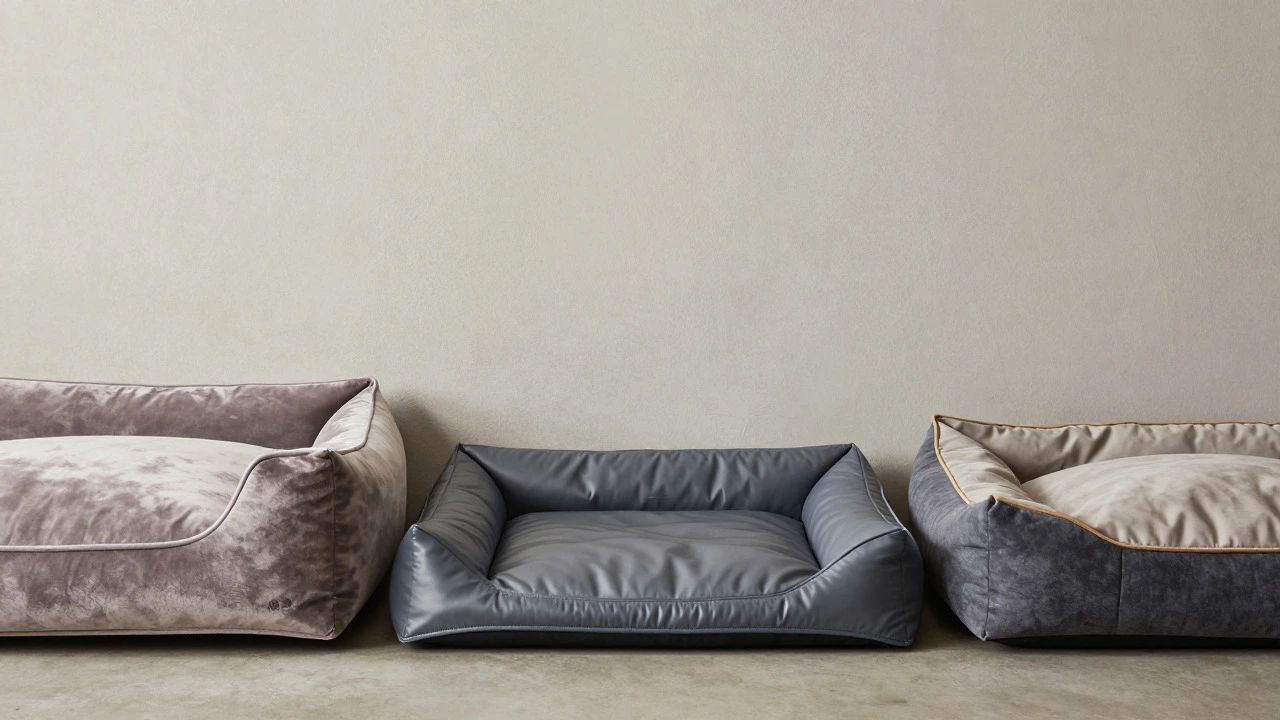
Signs Your Dog Needs More Than One Bed
Pay attention to behavioral cues. These signs suggest your current setup isn’t meeting their needs:
- Frequent whining or pacing when separated from you
- Sleeping on inappropriate surfaces (stairs, laundry piles)
- Digging excessively into existing beds
- Refusing to use a bed despite encouragement
- Increased barking or restlessness after moving rooms
If you notice any of these, try adding a temporary bed in a central location. Monitor changes over two weeks. If improvement occurs, consider making it permanent.
Maintaining Cleanliness Across Multiple Beds
More beds mean more cleaning. To keep things manageable:
- Use removable, machine-washable covers.
- Rotate washing schedules so not all beds get cleaned at once.
- Vacuum surrounding floors weekly to trap hair and dander.
- Apply enzyme cleaners immediately after accidents.
- Store unused beds in breathable bags-not plastic-to prevent mold.
Investing in vacuum-sealed storage solutions keeps spare beds fresh until needed. Don’t let cleanliness become a burden; simplicity wins long-term.
Final Thoughts on Dog Bed Placement
You don’t need to turn your home into a luxury resort for your dog. But giving them choices about where they rest shows respect for their instincts and comfort. Start with one well-placed bed, observe how your dog interacts with it, then expand only if necessary. Quality matters far more than quantity.
Do dogs really need a bed in every room?
No, most dogs do not require a bed in every room. Two to three strategically placed beds usually suffice depending on your home size and your dog’s mobility needs. Focus on accessibility and proximity to human activity rather than filling every space.
Where should I put my dog’s first bed?
Place the initial bed in a quiet yet visible area near where you spend most of your time-typically the living room or bedroom. Ensure it’s away from direct airflow, loud noises, and heavy foot traffic to promote relaxation.
Can too many dog beds confuse my dog?
Rarely. Dogs adapt quickly to available resources. Confusion typically arises from inconsistent rules (e.g., sometimes allowed on furniture, sometimes not), not from having multiple beds. Maintain clear expectations regardless of bed count.
What type of bed works best for anxious dogs?
Cave-style or den beds with enclosed sides create a sense of security. Orthopedic memory foam adds physical comfort, which indirectly reduces stress. Place these beds in calm corners rather than open spaces to enhance feelings of safety.
How often should I replace my dog’s bed?
Every 1-2 years for standard beds, sooner if sagging, tearing, or retaining odors despite washing. Senior dogs may benefit from annual replacements since joint support degrades faster with frequent use. Always inspect for hidden damage before reuse.