Find Your Safest Dog Match
Tell us about your situation:
Breed Name
Safety Compatibility Score
Explanation goes here.
Answer the questions to find the safest breed for your specific lifestyle needs.
There is a common misconception floating around the internet that "state" refers to a geographical location when people ask about dog safety. In reality, most users are asking, "What breed is the safest dog?" or perhaps referring to the behavioral state of a dog. If you are looking for a pet that won’t bite your children, destroy your furniture, or cause anxiety in public spaces, the answer isn't found on a map. It is found in genetics, socialization, and consistent care. While no dog is 100% risk-free, certain breeds are statistically and behaviorally predisposed to gentleness. Understanding these traits is crucial not just for safety, but for effective dog grooming, which requires a calm, cooperative animal.
Safety in dogs is multifaceted. It involves physical strength, bite history, and temperament stability. For families, the goal is usually a dog with low aggression and high tolerance. However, if you travel frequently or live in areas with strict regulations, knowing how to navigate local resources can be helpful. For instance, some travelers use directories like this directory to find verified services in specific cities, ensuring they know what to expect before arriving. Similarly, as a dog owner, you want verified information about breed behaviors before bringing a puppy home. Let’s break down which breeds earn the title of "safest" and why.
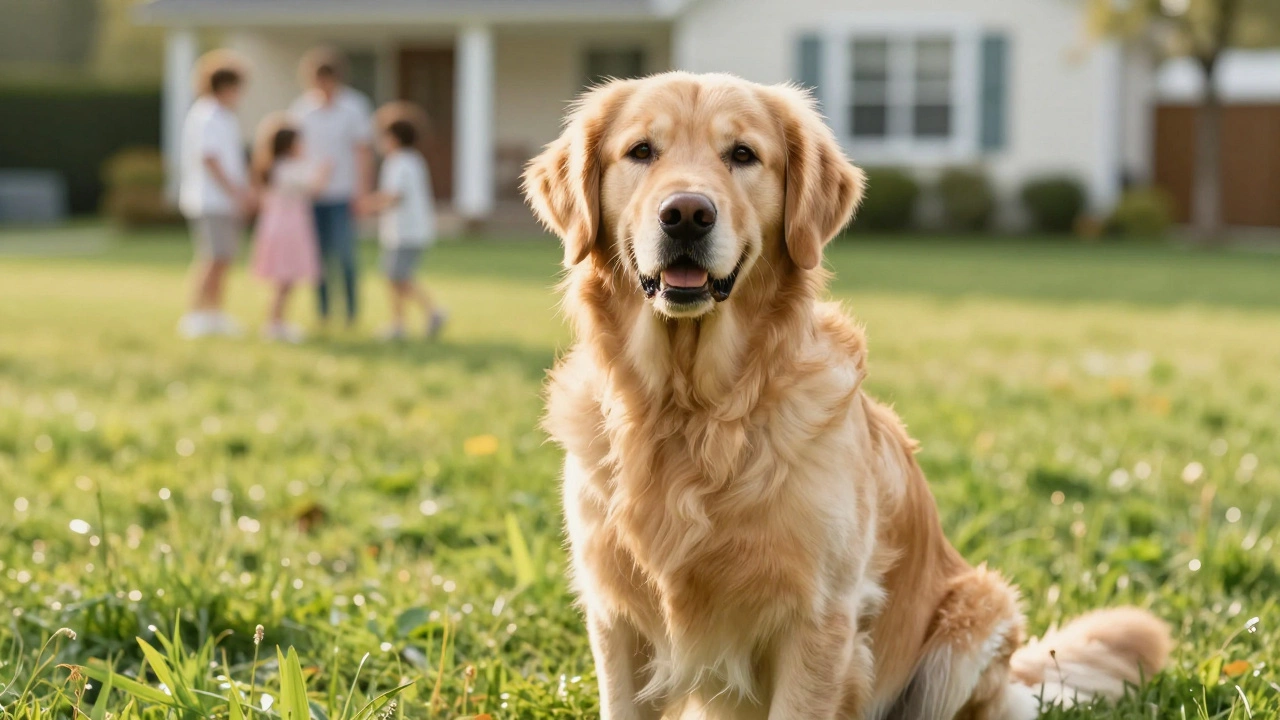
The Golden Retriever: The Gold Standard for Safety
When experts discuss the safest dogs for families, the Golden Retriever almost always tops the list. Why? Because they were bred specifically to retrieve game without damaging it. This means they have soft mouths and a gentle nature. They are eager to please, highly trainable, and rarely show unprovoked aggression. According to data from the American Veterinary Medical Association (AVMA), Golden Retrievers consistently rank among the lowest breeds for bite incidents reported to police.
From a grooming perspective, Goldens require regular brushing due to their double coat. A safe dog is also a groomable dog; if a dog snaps at the brush, grooming becomes dangerous. Goldens typically enjoy the process, making maintenance easier for owners. Their patience with children is legendary, often tolerating rough play that would trigger a defensive response in other breeds.
Labrador Retriever: Friendly and Forgiving
Closely related to the Golden, the Labrador Retriever shares many safety traits. Labs are known for their outgoing disposition and even temper. They are less likely to be fearful, which is a key predictor of aggression. Fearful dogs bite when they feel trapped; Labs generally do not feel trapped easily. They are sturdy enough to handle active kids but gentle enough to avoid injury.
However, Labs can be energetic. An understimulated Lab might chew shoes or jump on guests, which is a nuisance rather than a safety threat. Proper training channels this energy into positive behaviors. Their short coats make them lower-maintenance for grooming, reducing the stress associated with long bathing sessions.
Bichon Frise: Small, Safe, and Hypoallergenic
If you prefer a smaller dog, the Bichon Frise is an excellent choice. These dogs are cheerful, affectionate, and rarely aggressive. They are great for apartment living because they don’t need vast amounts of space. Their hypoallergenic coat is a bonus for households with allergies, though it does require professional grooming every four to six weeks. Because they are small, they pose less physical danger if they do get excited, but their temperament remains stable and friendly.
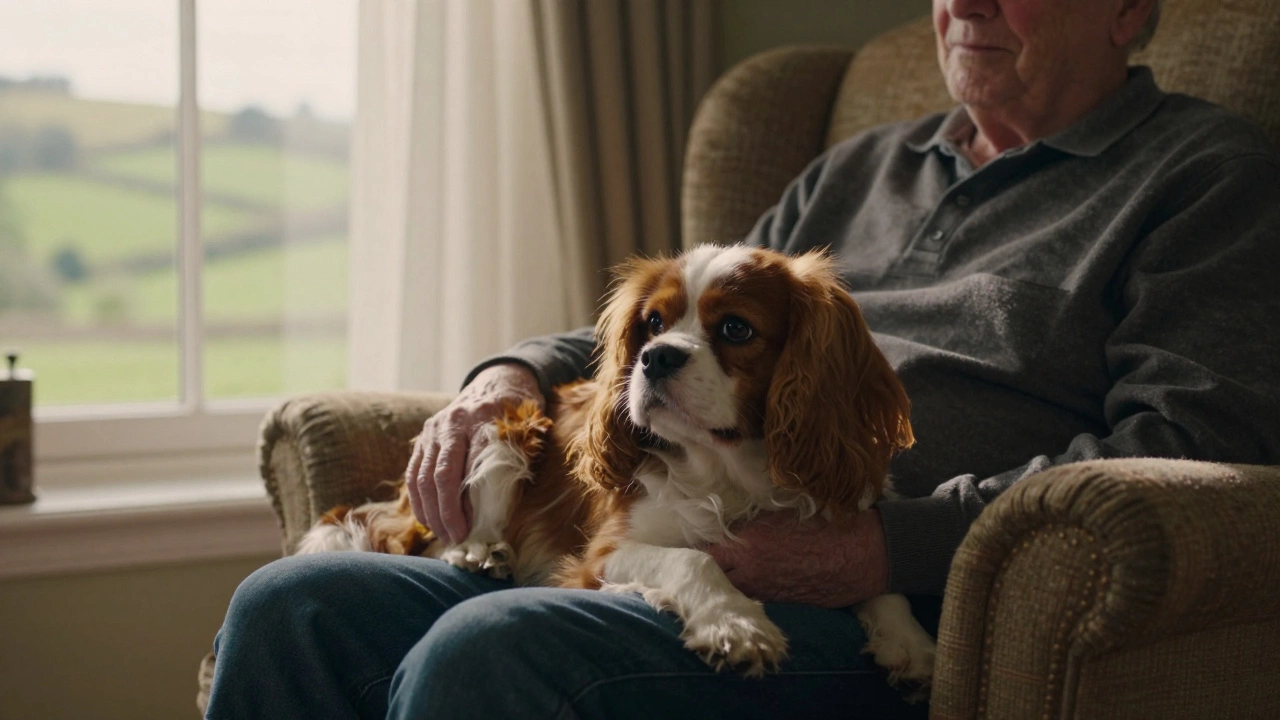
Cavalier King Charles Spaniel: The Gentle Companion
The Cavalier King Charles Spaniel was bred to be a lap dog for royalty. They are incredibly sweet-natured and adaptable. They thrive on human companionship and are unlikely to guard territory aggressively. This makes them one of the safest choices for elderly owners or families with very young children. Their moderate size and gentle demeanor ensure they integrate smoothly into any household dynamic.

Poodle: Intelligent and Low-Risk
Poodles, whether Standard, Miniature, or Toy, are highly intelligent. Intelligence contributes to safety because smart dogs learn boundaries quickly. They are also less prone to fear-based reactions. Poodles are alert but not overly protective, meaning they will bark to warn you but rarely escalate to biting. Their curly coat sheds minimally, but it mats easily, so regular grooming is essential to prevent skin issues.
Understanding Temperament vs. Breed
While breed matters, individual temperament is shaped by environment. A poorly socialized Golden Retriever can still be reactive. Conversely, a well-trained Pit Bull can be a gentle giant. Socialization during the critical period (3 to 14 weeks) is vital. Expose puppies to different sounds, people, and animals to build confidence. Training reinforces good behavior. Positive reinforcement methods work best, as punishment-based training can increase fear and aggression.
| Breed | Size | Grooming Needs | Best For | Safety Rating |
|---|---|---|---|---|
| Golden Retriever | Large | High | Families with kids | Very High |
| Labrador Retriever | Large | Low | Active households | Very High |
| Bichon Frise | Small | High | Apartments/Seniors | High |
| Cavalier King Charles | Small | Moderate | Lap companions | Very High |
| Poodle | Varies | High | Allergy sufferers | High |
Grooming as a Safety Indicator
A dog’s reaction to grooming reveals its comfort level. If a dog tenses up or growls during brushing, it may indicate underlying anxiety or pain. Regular grooming checks allow you to spot lumps, ticks, or skin infections early. Use positive associations: treat your dog during brushing sessions. Start with short sessions and gradually increase duration. Never force a resistant dog; consult a professional groomer who specializes in anxious pets.
Red Flags to Avoid
Even safe breeds can develop issues. Watch for signs of fear aggression: tucked tail, whale eye (showing whites of eyes), lip licking, or yawning. These are calming signals. Ignore them, and the dog may escalate to snapping. Also, avoid breeding sources that prioritize looks over health. Reputable breeders test for genetic conditions that can cause pain-related aggression.
Training Tips for Safer Dogs
- Socialize Early: Introduce your puppy to diverse environments.
- Teach Impulse Control: Commands like "wait" and "leave it" prevent jumping and grabbing.
- Respect Boundaries: Allow your dog to retreat if overwhelmed.
- Exercise Regularly: Tired dogs are calmer dogs.
- Positive Reinforcement: Reward good behavior instead of punishing bad.
Conclusion
The safest dog is one that matches your lifestyle and receives proper care. Breeds like Golden Retrievers, Labradors, Bichons, Cavaliers, and Poodles offer excellent starting points. But remember, safety is a partnership between you and your dog. Invest time in training, socialization, and grooming. Your effort pays off in a loyal, gentle companion who enhances your life without causing worry.
Is there truly a 100% safe dog breed?
No breed is completely risk-free. Every dog has individual personality traits influenced by genetics, upbringing, and environment. However, certain breeds have lower statistical rates of aggression and higher tolerance for handling, making them safer choices for most households.
Why are Golden Retrievers considered the safest?
Golden Retrievers were bred to retrieve waterfowl gently, resulting in soft mouths and patient tempers. They are highly trainable, socially oriented, and rarely exhibit unprovoked aggression. Their consistency in behavior makes them ideal for families with children.
How does grooming affect dog safety?
Grooming requires close physical contact. A dog that is uncomfortable being touched may react defensively. Regular, positive grooming experiences help desensitize dogs to handling, reducing the risk of bites during vet visits or daily care routines.
Can a small dog be dangerous?
Yes. Small dogs can bite out of fear or territoriality. While their bites are less physically damaging than those of large dogs, they can still cause infection or significant pain. Proper socialization is crucial for all sizes to prevent reactive behaviors.
What should I do if my dog shows signs of aggression?
Consult a certified professional dog trainer or veterinary behaviorist immediately. Do not punish the dog, as this can worsen fear-based aggression. Identify triggers and create a management plan to keep everyone safe while addressing the root cause through behavior modification.