Pet Travel Companion Cost Estimator
1. Select Flight Type
2. Departure City Size
Rates are higher in major hubs due to demand.
3. Additional Services
Estimated Total
Breakdown
- Base Service Fee: $0
- Location Adjustment: +0%
- Add-ons & Tickets: $0
Booking a flight for your dog or cat usually comes with a stressful choice: put them in the cargo hold or risk their safety and comfort. The cargo hold is cheap, but it’s not safe. Temperatures fluctuate, handling can be rough, and stress levels skyrocket. Flying in the cabin with you is the safest option, but airlines strictly limit how many pets can ride in the passenger area-usually just one or two per flight. If you’re traveling without your furry friend, or if you need to move them across the country but can’t book a seat next to them, you might be asking yourself: Can I pay someone to fly with my pet?
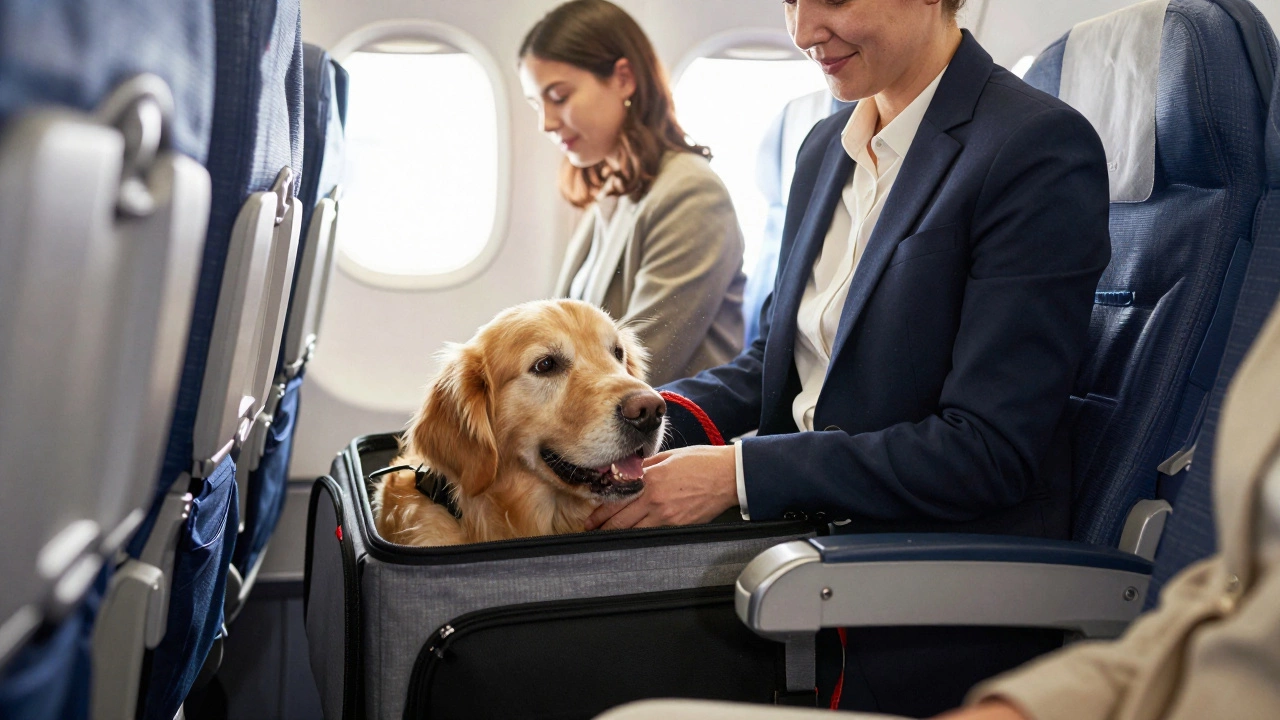
The short answer is yes. You can hire a professional pet travel companion to sit next to your animal during the flight. This service bridges the gap between unsafe cargo transport and the logistical nightmare of booking your own travel around your pet’s schedule. It ensures your pet stays in the climate-controlled cabin, gets water, and has a human advocate watching over them from takeoff to landing.
What Is a Pet Travel Companion?
A Pet Travel Companion is a trained individual hired specifically to accompany an animal on an airplane flight, ensuring it remains in the cabin rather than the cargo hold. These professionals are often experienced pet sitters, veterinarians, or specialized animal handlers who understand airline regulations and animal behavior.
Unlike a standard pet sitter who watches your home while you’re away, a travel companion travels *with* the pet. Their job isn’t just to hold the carrier; it’s to manage the entire airport experience. They handle check-in procedures, navigate security checkpoints, monitor your pet’s anxiety levels during turbulence, and ensure the animal is hydrated and comfortable. Think of them as a personal assistant whose only client is your dog or cat.
This service has grown significantly since the mid-2010s. Before then, most people had no choice but to use cargo services. Now, with stricter airline rules regarding emotional support animals (ESAs) and a growing awareness of pet welfare, dedicated companions have become a viable, albeit premium, solution for relocating pets safely.
Why Hire Someone Instead of Flying Yourself?
You might wonder why you wouldn’t just buy a ticket and go with your pet yourself. There are several practical reasons where hiring a companion makes more sense:
- Schedule Conflicts: You might be moving to a new city, but your work contract doesn’t allow you to leave yet. Your pet needs to arrive first to settle in, or perhaps you’re shipping furniture and want the pet to arrive separately.
- Multiple Pets: Airlines typically allow only one pet per passenger in the cabin. If you have three cats, you’d need to book three separate tickets and potentially three different flights if seats aren’t available. Hiring one person to fly with two pets (if allowed by the specific airline policy) or splitting them among two hires can be logistically easier.
- Anxiety Management: Some pets are extremely stressed by travel. A professional handler knows how to calm an animal using pheromones, treats, and behavioral techniques that an average owner might not master under pressure.
- Cost Efficiency for Short Trips: If you’re sending a pet for a weekend vet visit or a specialized treatment, buying a round-trip ticket for yourself might cost more than hiring a local handler for a one-way trip.
How Much Does It Cost to Pay Someone to Fly With Your Pet?
Price is the biggest factor for most owners. Hiring a pet travel companion is not cheap. You are paying for their time, their expertise, and often their own travel expenses. Here is what you can expect to pay in 2026:
| Service Type | Estimated Price Range (USD) | What’s Included |
|---|---|---|
| One-Way Domestic Flight | $300 - $600 | Handler fee, pet monitoring, basic supplies |
| Round-Trip Domestic Flight | $500 - $900 | Handler fee, return flight coordination |
| International Flight | $800 - $1,500+ | Customs paperwork assistance, longer duration, higher risk |
| Airline Ticket for Handler | Varies ($100 - $400+) | Usually billed separately or reimbursed by owner |
| Ground Transport (Airport Pickup/Drop-off) | $50 - $150 | Uber/Lyft or private car service fees |
Note that these prices vary wildly based on location. In major hubs like New York, London, or Auckland, rates are higher due to demand. Also, some companies bundle the handler’s airfare into the package, while others require you to purchase the ticket for them directly. Always clarify this upfront.

Where to Find a Reliable Pet Travel Companion
Finding the right person is critical. You are trusting them with your family member. Do not just post on a random social media group. Use established platforms or agencies that vet their staff.
- Specialized Pet Relocation Companies: Firms like Global Pet Movers or PawRelocation offer full-service relocation. They don’t just fly with the pet; they handle customs, health certificates, and quarantine arrangements. This is the safest but most expensive route.
- Pet Sitting Platforms: Apps like Rover or Wag! sometimes list "traveling sitters" who are willing to fly with pets. Check reviews carefully. Look for sitters with thousands of verified reviews and specific mentions of air travel.
- Veterinary Referrals: Ask your vet if they know any trusted handlers. Vets often work with people who transport surgical patients or exotic animals and may have contacts who do companion flying.
- Freelance Handlers: Some individuals market themselves as "pet pilots" or "flying sitters." Ensure they have liability insurance. If something happens to your pet at 30,000 feet, you need legal recourse.
Key Questions to Ask Before Hiring
Before you sign a contract or send money, ask these specific questions to gauge professionalism:
- "Do you have experience with my specific breed?" A French Bulldog has different breathing risks than a Golden Retriever. A Siamese cat may be more vocal than a Persian. Breed-specific knowledge matters.
- "What is your emergency protocol?" If your pet has a panic attack or a medical issue mid-flight, what will you do? Will you notify the flight crew? Do you carry a pet first-aid kit?
- "Who pays for the airline ticket?" Is the ticket included in your fee, or do I need to book it in your name? What if the flight is canceled? Who covers the rebooking costs?
- "Can I video call during the flight?" Many modern companions offer live updates via WhatsApp or FaceTime once the plane is airborne. This provides peace of mind.
- "Are you insured?" Request proof of liability insurance that covers pet injury or loss during transit.
Airline Rules You Must Know
Hiring a person doesn’t bypass airline rules. The companion must still comply with all carrier policies. Here is what you need to prepare:
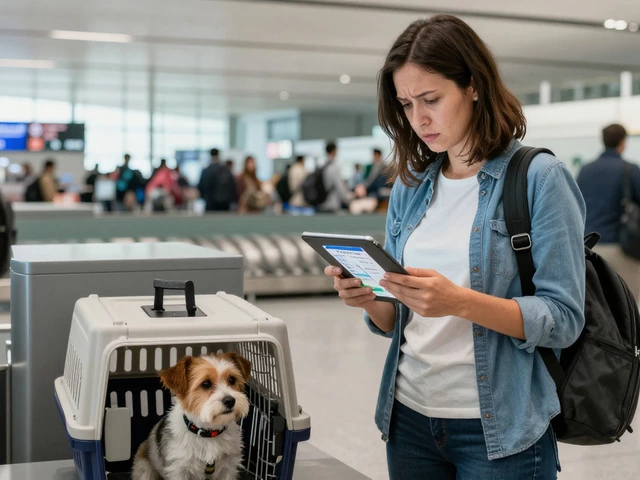
Carrier Requirements: The pet carrier must fit under the seat in front of the companion. Most airlines require soft-sided carriers that can compress slightly. Hard plastic crates are almost never allowed in the cabin. Measure your current carrier against the airline’s dimensions before booking.
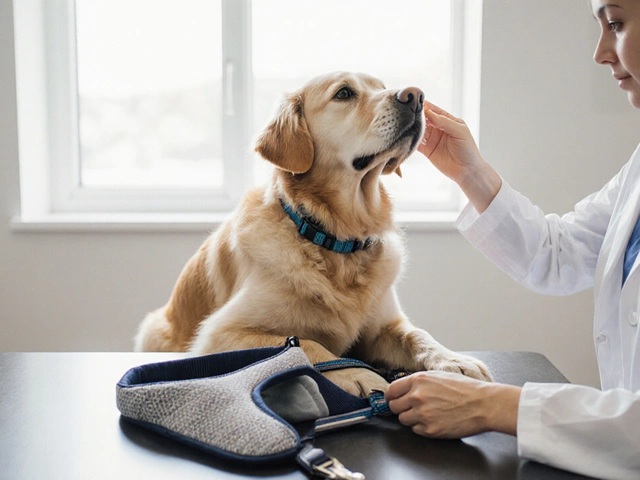
Health Certificates: For domestic flights, a recent health certificate (usually within 10 days) is often required. For international flights, strict veterinary documentation is mandatory. The companion should help verify this paperwork at check-in, but you are responsible for obtaining it from your vet.
Breed Restrictions: Even in the cabin, some airlines ban brachycephalic (short-nosed) breeds like Pugs, Bulldogs, and Persians due to respiratory risks. Check the airline’s website for banned breeds. No amount of money can override this rule.
Age Limits: Most airlines will not allow puppies or kittens under 8 weeks old to fly. Ensure your pet meets the minimum age requirement.

Risks and How to Mitigate Them
No method of travel is 100% risk-free. When you pay someone to fly with your pet, you introduce human error into the equation. Here are the main risks and how to handle them:
Risk: The Handler Gets Delayed. If the companion misses their flight, your pet is stuck at the airport. Mitigation: Choose a handler who arrives at the airport 3 hours early. Have a backup plan, such as a local pet hotel near the departure airport, just in case.
Risk: Theft or Abandonment. While rare, there have been cases of pet theft. Mitigation: Use a microchip tracker (like AirTag or Tile) inside the carrier. Share the live location with family members. Only use vetted, insured professionals.
Risk: Airline Policy Changes. Airlines frequently change pet policies. A rule that existed when you booked might be gone by the time you fly. Mitigation: Confirm the pet reservation directly with the airline 24 hours before the flight. Do not rely solely on the handler’s word.
Alternatives to Hiring a Companion
If the cost of a companion is too high, consider these alternatives:
- Fly Yourself: If your schedule allows, this is always the best option. You know your pet’s quirks better than anyone.
- Ground Transport: For distances under 1,000 miles, a professional pet taxi or ground transport service might be safer and cheaper than flying. Services like Door2Door Pets drive your animal in a climate-controlled vehicle.
- Cargo Service with Monitoring: If you must use cargo, choose an airline that offers monitored cargo holds and requires temperature controls. Avoid extreme weather seasons for cargo travel.
Final Checklist for Booking
To ensure a smooth process, follow this checklist:
- [ ] Verify airline pet policy and breed restrictions.
- [ ] Obtain a valid health certificate from your vet.
- [ ] Purchase a compliant, airline-approved carrier.
- [ ] Hire a vetted, insured pet travel companion.
- [ ] Clarify payment terms for airfare and incidentals.
- [ ] Attach a GPS tracker to the carrier.
- [ ] Provide the handler with your vet’s contact info and emergency instructions.
- [ ] Confirm the reservation with the airline 24 hours prior.
Paying someone to fly with your pet is a legitimate and often necessary service for modern pet owners. It prioritizes your animal’s safety and comfort over convenience or cost savings. By doing your due diligence and choosing a professional, you can ensure your pet arrives at their destination happy, healthy, and ready to explore.
Is it legal to pay someone to fly with my pet?
Yes, it is completely legal. There are no laws prohibiting an individual from purchasing a ticket to accompany another person's pet, provided they follow all airline regulations regarding in-cabin animals. The handler acts as the pet's temporary guardian for the duration of the flight.
Can I hire a stranger to fly with my dog on budget airlines?
It depends on the airline. Many budget airlines (like Spirit or Ryanair) do not allow pets in the cabin at all, only in cargo. Full-service carriers (like Delta, United, or Air New Zealand) generally allow small pets in the cabin. Always check the specific airline's pet policy before hiring a companion.
Who is responsible if my pet gets sick during the flight?
Responsibility usually falls on the pet owner, unless negligence by the handler is proven. This is why hiring an insured professional is crucial. If the handler fails to provide water or follows incorrect protocols, their insurance may cover veterinary bills. Always get a written agreement outlining liability.
Do I need to be present at the airport when the companion flies with my pet?
Not necessarily. You can drop off your pet and the carrier at the airport, or arrange for the handler to pick up the pet from your home. However, being present for the initial check-in can help resolve any last-minute issues with airline staff regarding the pet's weight or carrier size.
Can a pet travel companion bring multiple pets on one flight?
Most airlines restrict passengers to one pet in the cabin per person. Therefore, a single companion can usually only fly with one pet. If you have multiple pets, you would need to hire multiple companions or book separate tickets for yourself and a helper, ensuring each person has one pet assigned to them.