
Indoor Cat Collar Safety & Readiness Checker
Answer these questions about your indoor cat's current situation to determine if they are properly protected.
Safety Score
Analysis & Recommendations
It happens to the best of us. You’re in the shower, you hear a thump, and when you rush out, your indoor-only cat is gone. The door was left ajar. A window latch failed. In those first few panicked hours, a simple piece of plastic or fabric can be the difference between a quick reunion and a weeks-long search.
This is why the question do indoor cats need collars isn't just about fashion or tradition. It’s about safety, identification, and peace of mind. Even if your feline friend never steps foot outside, a collar serves as a critical backup ID system. But not all collars are created equal. Using the wrong type can turn a safety tool into a deadly hazard.
The Reality of Indoor Cat Escapes
We often think of "indoor cats" as creatures who live their entire lives within four walls. While many do, statistics from animal welfare organizations suggest that a significant percentage of indoor cats escape at least once in their lifetime. Common causes include:
- Open doors: Delivery drivers, guests, or even a momentary lapse in attention by the owner.
- Broken windows: Storms or faulty latches can create unexpected exits.
- Balcony access: Cats can slip through gaps in railings or jump from high floors.
When an indoor cat escapes, they are often disoriented and terrified. They don’t have the survival skills of outdoor cats. They may hide immediately, making them hard to find. This is where immediate identification becomes crucial. If a neighbor finds a scared cat hiding under a bush, a collar with an ID tag provides instant contact information. Without it, the cat goes to a shelter, adding days or weeks to the reunion process.
Why Microchips Aren't Enough
You might wonder, "I microchipped my cat. Isn't that enough?" Microchips are fantastic, but they have limitations. A microchip requires a scanner to read it. Not every person who finds a lost cat has a scanner. Shelters and vets do, but the average passerby does not.
A collar with an ID tag is visible instantly. It allows anyone-neighbors, mail carriers, or good Samaritans-to contact you immediately without needing special equipment. Think of the microchip as your permanent insurance policy and the collar as your business card. You want both.
The Danger of Standard Collars: Choking Hazards
If you decide to put a collar on your indoor cat, the type of collar matters more than the color. Traditional dog-style collars or non-breakaway cat collars pose a severe risk. Cats are agile climbers and explorers. If a standard collar gets caught on a branch, a piece of furniture, or even a toy, the tension can tighten around the neck, leading to strangulation or serious injury.
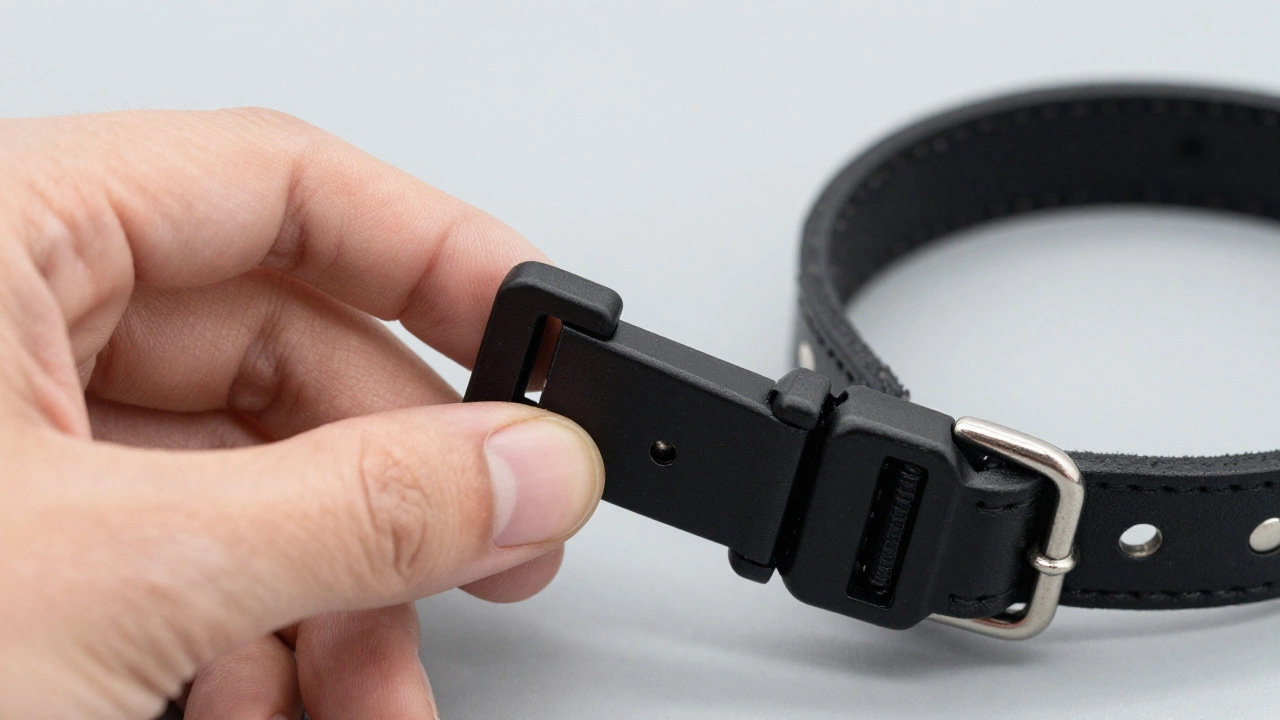
This is why veterinary professionals universally recommend breakaway collars, which are collars designed with a clasp that releases under pressure. These collars snap open when pulled with a specific amount of force (usually between 3-5 pounds). This mechanism ensures that if your cat gets snagged, the collar breaks away, saving their life.
Benefits Beyond Identification
Aside from emergency ID, collars offer other practical benefits for indoor cats:
- Deterrent for Pests: Some collars contain ingredients like permethrin (never use this on cats; it's toxic) or safer alternatives like borax or essential oils (use with caution) to deter fleas and ticks. However, for indoor cats, topical treatments prescribed by a vet are usually safer and more effective.
- Bell Awareness: A bell on the collar can help you locate your cat if they hide in closets or behind appliances. It also alerts birds and small wildlife if your cat ever does get outside, though its effectiveness is debated.
- Medical Alerts: If your cat has diabetes, kidney disease, or is on medication, a tag stating "MEDICATION REQUIRED" or "SEE VET" can prompt a finder to seek professional help rather than just feeding the cat.
How to Choose the Right Collar
Selecting the right collar involves balancing visibility, safety, and comfort. Here is what to look for:
| Feature | Breakaway Collar | Standard/Fixed Collar | No Collar |
|---|---|---|---|
| Safety Risk | Low (releases under pressure) | High (strangulation risk) | None |
| ID Visibility | High (instant recognition) | High | Low (requires scanning) |
| Comfort | High (lightweight) | Medium | High |
| Vet Recommendation | Yes | No | Conditional |
Key Features to Look For:
- Adjustable Fit: You should be able to fit two fingers comfortably between the collar and your cat's neck. Too tight causes chafing; too loose increases snagging risk.
- Lightweight Material: Nylon or soft leather works well. Avoid heavy metals or bulky decorations.
- Reflective Strips: Essential if your cat goes near windows at night or if you live in an area with outdoor lighting. Reflective material makes your cat visible to cars or people.
- Quiet Bell: If you choose a bell, ensure it’s not so loud that it stresses your cat. Some cats hate the constant jingling and will try to remove the collar.

Fitting and Acclimating Your Cat
Even the safest collar won't help if your cat refuses to wear it. Introducing a collar should be a gradual process.
- Start Slow: Let your cat sniff the collar before putting it on. Associate it with positive experiences like treats or playtime.
- Short Sessions: Put the collar on for 10-15 minutes at first, supervising your cat closely. Remove it if they seem distressed.
- Increase Duration: Gradually increase the time your cat wears the collar over several days.
- Check Regularly: Inspect the fit daily. Kittens grow quickly, and adult cats can gain or lose weight. A collar that fits last month might be too tight today.
- Monitor Behavior: Watch for signs of irritation, such as scratching at the neck or rubbing against furniture excessively. If your cat seems unhappy, consult your vet.
Alternatives to Collars
If your cat absolutely cannot tolerate a collar, or if you prefer a less visible option, consider these alternatives:
- Harnesses: Useful for supervised outdoor walks. Ensure the harness is secure and escape-proof.
- Microchip Updates: Keep your microchip registration current. Many people forget to update their address or phone number after moving.
- GPS Trackers: Small GPS devices can attach to a harness or a specialized collar. They provide real-time location data, which is invaluable for finding escaped cats.
- Window Screens: Install sturdy, pet-safe screens on all windows to prevent accidental escapes.
Maintenance and Safety Checks
A collar is only useful if it’s functional. Perform regular checks:
- Inspect the Clasp: Test the breakaway mechanism monthly. Pull gently to ensure it releases as expected. Replace the collar if the clasp is stiff or broken.
- Clean the Tag: Dirt and grime can obscure the text on ID tags. Wipe them clean regularly.
- Replace When Worn: Frayed edges or cracked plastic can fail unexpectedly. Replace collars every 6-12 months, or sooner if damaged.
Can I leave my indoor cat's collar on 24/7?
Yes, provided it is a properly fitted breakaway collar. Most veterinarians recommend leaving it on continuously so it's there if an escape occurs. Just check the fit regularly, especially if your cat is growing or changing weight.
Is a bell necessary on a cat collar?
A bell is optional. It helps you locate your cat indoors and may alert wildlife if your cat goes outside. However, some cats find bells stressful. If your cat dislikes the noise, skip the bell and rely on the ID tag and reflective strips.
What information should be on my cat's ID tag?
Include your name, phone number, and city. Avoid your full home address for privacy reasons. If your cat has medical needs, add a note like "MEDICATION REQUIRED" or "SEE VET." Consider using a QR code tag that links to a digital profile with more details.
How do I know if a breakaway collar is safe?
Test the clasp. It should release with a firm pull (around 3-5 pounds of force). If it doesn't break open easily, it's not safe. Also, ensure the collar fits snugly but allows two fingers to slide underneath comfortably.
Should I remove the collar when my cat is sleeping?
No, you don't need to remove it. Breakaway collars are designed to be worn 24/7. Removing it nightly increases the risk that you'll forget to put it back on, leaving your cat unprotected if an escape happens during the day.