In-Cabin Dog Stress Predictor
Answer these 5 questions to gauge how prepared your dog is for the cabin environment and identify key risk factors.
How does your dog react to being confined in a carrier or crate at home?
What is your dog's general reaction to loud noises (thunder, fireworks, vacuum)?
Does your dog have any specific health or breed traits that affect breathing?
Have you exercised your dog immediately before boarding?
Is there familiar scent (your worn shirt) inside the carrier?
Your Dog's Flight Readiness Score
Personalized Recommendations:
You’re standing at the gate, boarding pass in hand, with your dog tucked under your arm or squeezed into a bag. The plane is waiting. But as you look at your pup’s wide eyes and trembling paws, a question hits hard: is it stressful for dogs to fly in-cabin? It’s a valid worry. While many airlines market in-cabin travel as the 'stress-free' option compared to cargo holds, the reality is more nuanced. Your dog isn’t just dealing with a new environment; they are navigating loud noises, strange smells, confined spaces, and the sheer unpredictability of air travel.
Here’s the short answer: Yes, it can be stressful. But it doesn’t have to be traumatic. With the right preparation, understanding of canine body language, and smart choices about carriers and timing, you can significantly lower the anxiety levels for both you and your four-legged friend. This guide breaks down exactly what causes that stress, how to spot it, and practical steps to make the flight manageable.
The Reality of Airplane Sensory Overload
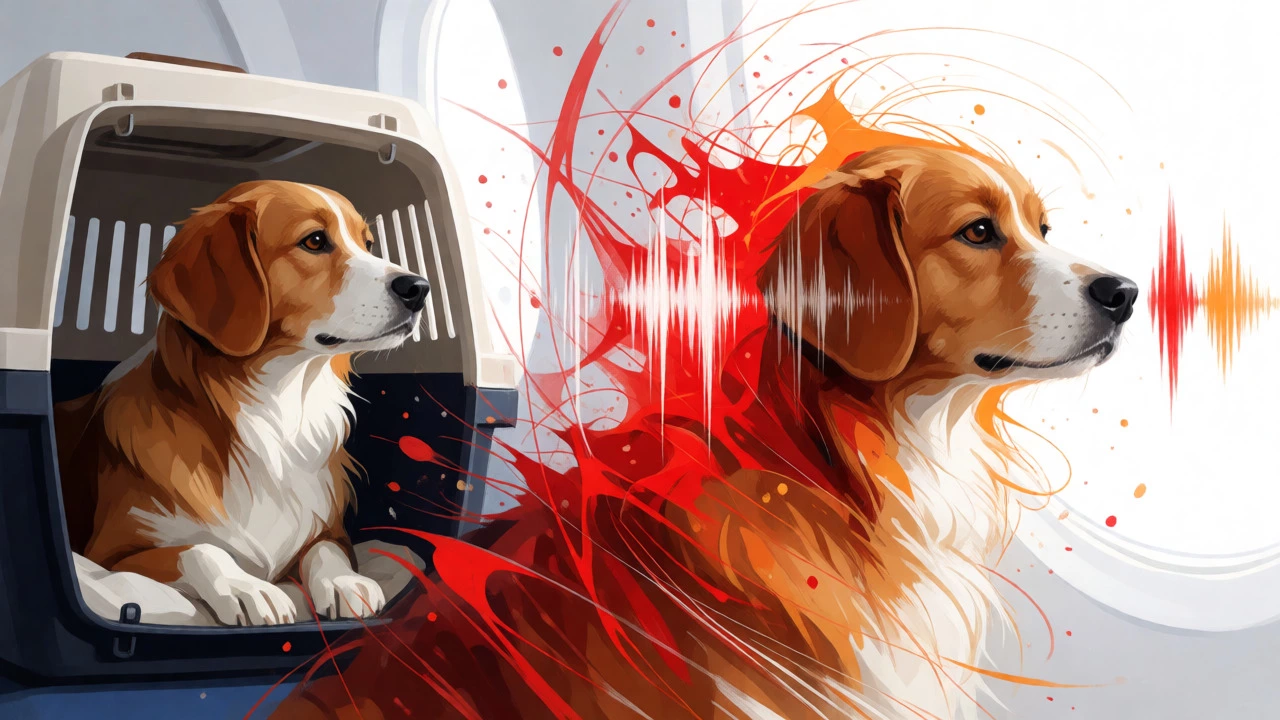
Dogs experience the world primarily through scent and sound. An airplane cabin is an assault on both senses. Imagine being trapped in a metal tube where the air pressure changes, the humidity drops to desert-like levels (often below 20%), and the noise level hovers around 85 decibels during takeoff. For a human, this is annoying. For a dog with hearing up to four times more sensitive than ours, it’s overwhelming.
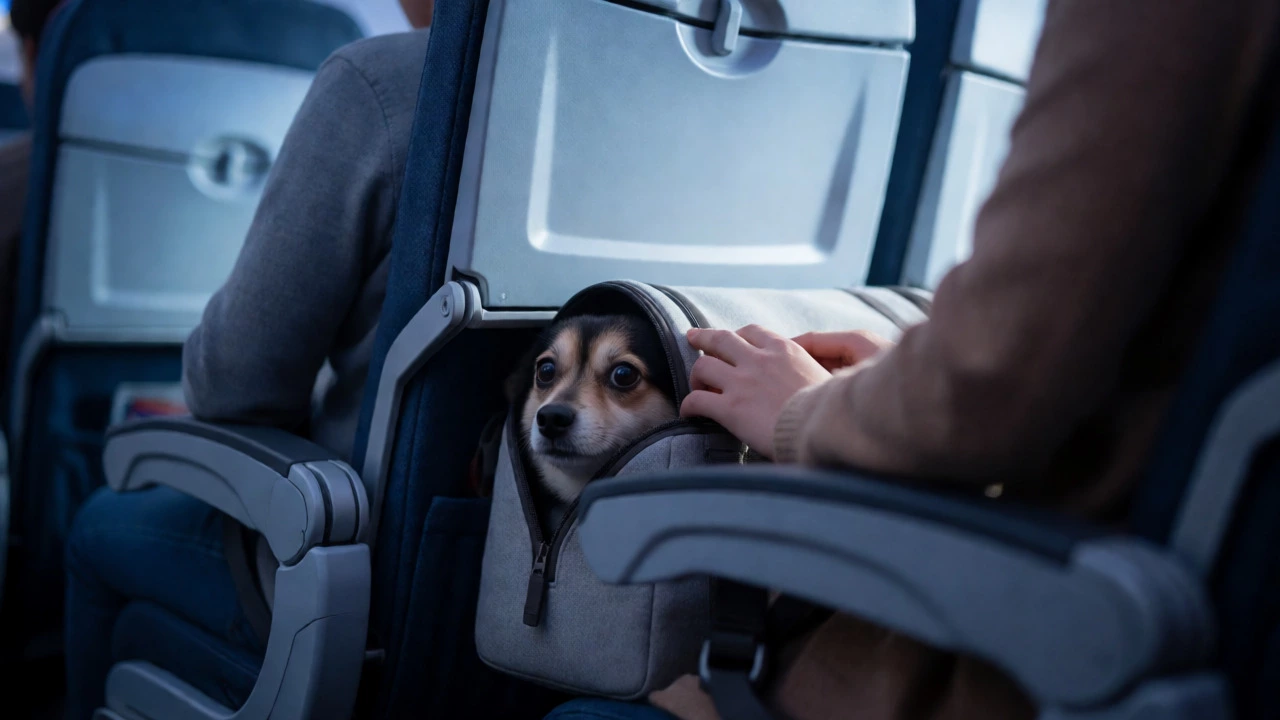
When we talk about in-cabin pet travel, we often forget the physical constraints. Most airlines require pets to stay in their carrier under the seat in front of you for the entire duration of the flight. This means your dog cannot pace, stretch fully, or move away from stimuli they find threatening. They are locked in a small box while surrounded by hundreds of strangers, other animals’ scents leaking from nearby bags, and the constant vibration of the engines.
This confinement triggers a primal response. In the wild, being trapped usually means danger. When a dog feels trapped and hears high-pitched mechanical whines or sudden announcements over the intercom, their cortisol levels spike. This isn't just 'being grumpy'; it's a physiological stress response that can lead to panting, drooling, shaking, or even accidents inside the carrier if the dog loses bladder control due to fear.
Reading Your Dog’s Body Language Before and During Flight
Before you book that ticket, you need to assess your dog’s baseline temperament. Not all dogs handle confinement well. A dog that panics when the vet puts them in a crate will likely struggle on a plane. Look for specific signs of anxiety before you even leave the house:
- Excessive Panting: If your dog is panting heavily in cool weather, especially if their tongue looks bright red or thickened, they are stressed.
- Pacing or Whining: Constant movement inside the carrier or vocalization indicates they want out and are unhappy with their current situation.
- Tucked Tail and Ears: A tail tucked between the legs and ears pinned back against the head are classic signs of fear.
- Yawning or Lip Licking: These are displacement behaviors. Your dog isn't hungry or tired; they are trying to self-soothe because they feel uncomfortable.
During the flight, keep a close eye on these signals. If your dog starts trembling violently or refuses to drink water, the stress is becoming severe. Some dogs shut down completely-this is called 'learned helplessness.' They stop moving and reacting, not because they are calm, but because they feel they have no control. Don’t mistake this silence for relaxation.
Choosing the Right Carrier: Comfort vs. Compliance
Your carrier is your dog’s safe space, or their prison, depending on how you set it up. Most major airlines like Air New Zealand or Qantas have strict size limits for soft-sided carriers. Usually, the carrier must fit under the seat. This creates a conflict: smaller carriers save you hassle at the gate, but larger carriers offer more comfort.
Here is a quick comparison of carrier types to help you decide:
| Carrier Type | Pros | Cons | Best For |
|---|---|---|---|
| Soft-Sided Mesh | Lightweight, fits under most seats, allows airflow and visual contact. | Limited structure, less privacy, harder to clean if accidents happen. | Small, confident dogs who like seeing their owners. |
| Rigid Plastic Crate | High security, easy to clean, provides a 'den-like' enclosed feeling. | Bulkier, may not fit under tight seat pitches, heavier to carry. | Anxious dogs who prefer darkness and enclosure. |
| Convertible Backpack | Hands-free, keeps dog close to owner’s body heat and heartbeat. | Can be hot, restrictive movement, not allowed on all airlines. | Tiny breeds (under 5kg) and very social dogs. |
Pro tip: Break in the carrier weeks before the trip. Leave it open in your living room with treats and blankets inside. Let your dog sleep in it voluntarily. If they associate the carrier only with the vet or being separated, they’ll dread entering it at the airport.
Strategies to Reduce Stress: From Gate to Landing
You can’t eliminate all stress, but you can manage it. Here are actionable strategies that actually work, based on advice from veterinary behaviorists and frequent flyers with pets.
1. Exercise Before Boarding Take your dog for a long walk or play session before heading to the airport. A tired dog is generally a calmer dog. If they have burned off energy, they are more likely to nap during the flight rather than panic. Aim for at least 30-45 minutes of active exercise two hours before departure.
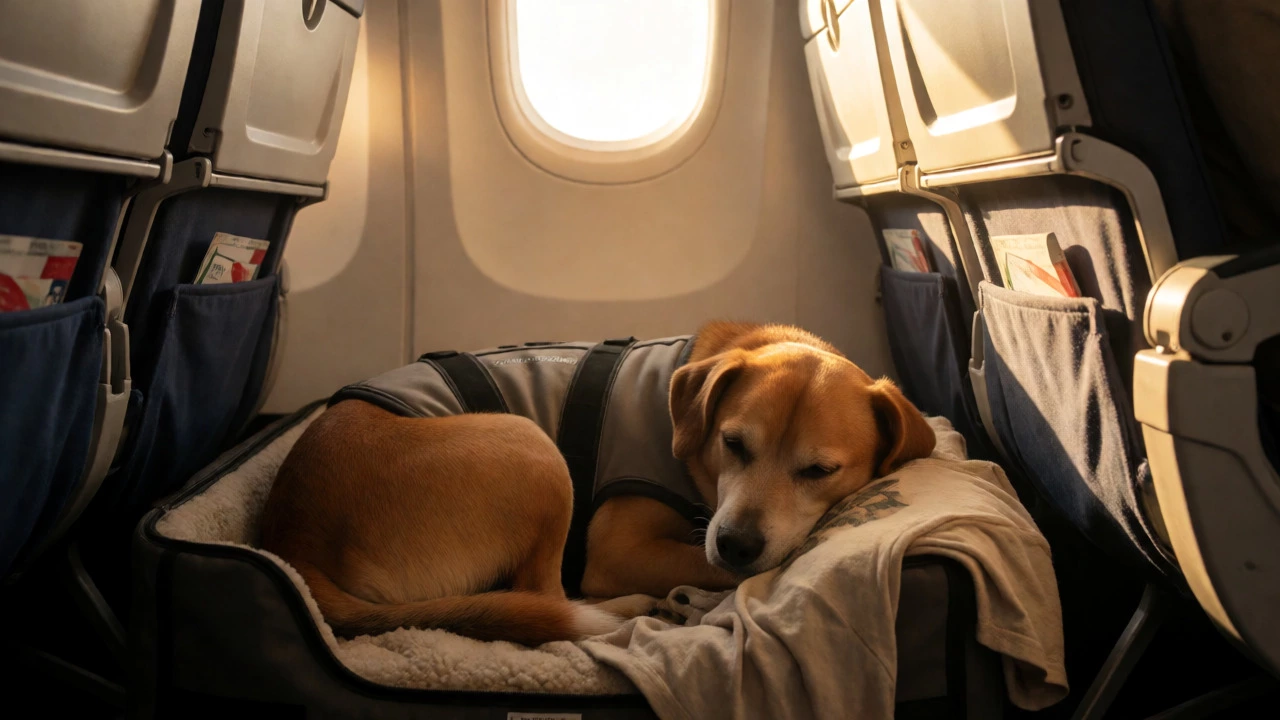
2. Familiar Scents Put a worn t-shirt of yours inside the carrier. Your scent is the most powerful calming signal for your dog. Avoid using strong synthetic sprays or lavender oils unless you know your dog tolerates them well; some dogs find artificial scents irritating.
3. Hydration Management Dehydration worsens stress. Offer water frequently before the flight. However, limit water intake one hour before boarding to prevent bathroom emergencies mid-flight. Bring a collapsible bowl and ask flight attendants for ice cubes-they melt slowly and provide hydration without splashing everywhere.
4. The Power of Routine Stick to your dog’s normal feeding schedule as much as possible. If they usually eat at 7 AM, try to feed them around that time, even if you’re traveling. Disrupted routines add cognitive load to an already confusing day.
5. Calming Aids: Use with Caution Many owners reach for sedatives. Be careful. Sedation can lower blood pressure and interfere with breathing at high altitudes. Always consult your vet first. Natural options like Adaptil (a synthetic pheromone diffuser) or ThunderShirts (compression vests) often work better than drugs for mild anxiety. Pheromones mimic the natural scent mother dogs release to calm puppies, signaling safety.
When Is Flying Too Much for Your Dog?
Not every dog should fly in-cabin. Consider skipping the flight if your dog falls into these categories:
- Brachycephalic Breeds: Pugs, Bulldogs, and Shih Tzus have shortened snouts that make breathing difficult, especially in pressurized cabins with lower oxygen levels. They are at higher risk for respiratory distress.
- Puppies Under 8 Weeks: Their immune systems are immature, and they haven’t had enough socialization to handle chaos.
- Senior Dogs with Health Issues: Arthritis makes sitting still painful; heart conditions worsen with stress.
- Severe Separation Anxiety: If your dog destroys furniture when you leave the room, they may panic when hidden under a seat.
If your dog fits these profiles, driving might be safer and less stressful. If you must fly, speak to your vet about specific risks and potential medication adjustments.
Airline Policies and Hidden Costs
Stress isn’t just emotional; it’s financial too. Check the fine print. Most airlines charge $95-$125 USD per direction for in-cabin pets. Some, like Southwest Airlines in the US, allow two pets per carrier, which can save money if you have multiple small dogs. Others strictly enforce weight limits (usually 20 lbs including carrier).
Also, note that policies change. As of 2026, several major carriers are tightening rules due to increased complaints about barking and hygiene issues. Ensure your documentation is ready. You typically need a health certificate issued within 10 days of travel. Missing paperwork adds last-minute panic for you, which your dog will sense immediately.
Final Thoughts: Preparation Beats Perfection
Flying with your dog in-cabin is a compromise. It’s not perfect, but it’s infinitely better than leaving them behind or shipping them in cargo. The key is managing expectations. Your dog won’t enjoy the turbulence, but they will appreciate your presence. Stay calm. Speak softly. Keep a hand near the carrier zipper so they can smell you. By preparing thoroughly and respecting your dog’s limits, you turn a potentially stressful ordeal into a manageable adventure.
Do dogs get jet lag after flying?
Yes, dogs can experience jet lag. Their circadian rhythms shift along with their owners'. Expect disrupted sleep patterns and appetite for 2-3 days after crossing multiple time zones. Stick to local meal times quickly to help them adjust.
Can I give my dog Benadryl for flight anxiety?
Diphenhydramine (Benadryl) is sometimes used for mild anxiety, but it can cause drowsiness or paradoxical excitement in some dogs. Dosage depends on weight. Never administer it without consulting your veterinarian first, as it interacts with other medications and health conditions.
What happens if my dog needs to pee on the plane?
Most airlines require dogs to remain in carriers. If an accident happens, use absorbent puppy pads lined inside the carrier. Clean up immediately with wet wipes and dispose of waste properly. Bringing a spare towel and plastic bags is essential for containment.
Are there quiet seats for dogs on planes?
There are no designated 'quiet zones' for pets. However, bulkhead rows often have more legroom, though they may lack under-seat storage. Window seats might offer slightly less foot traffic disturbance than aisle seats. Check specific airline seating charts for pet-friendly configurations.
How early should I arrive at the airport with a dog?
Arrive at least 2 hours earlier than usual for domestic flights. This gives you time to walk your dog outside the terminal, handle check-in paperwork calmly, and let your dog decompress before entering the busy security area.