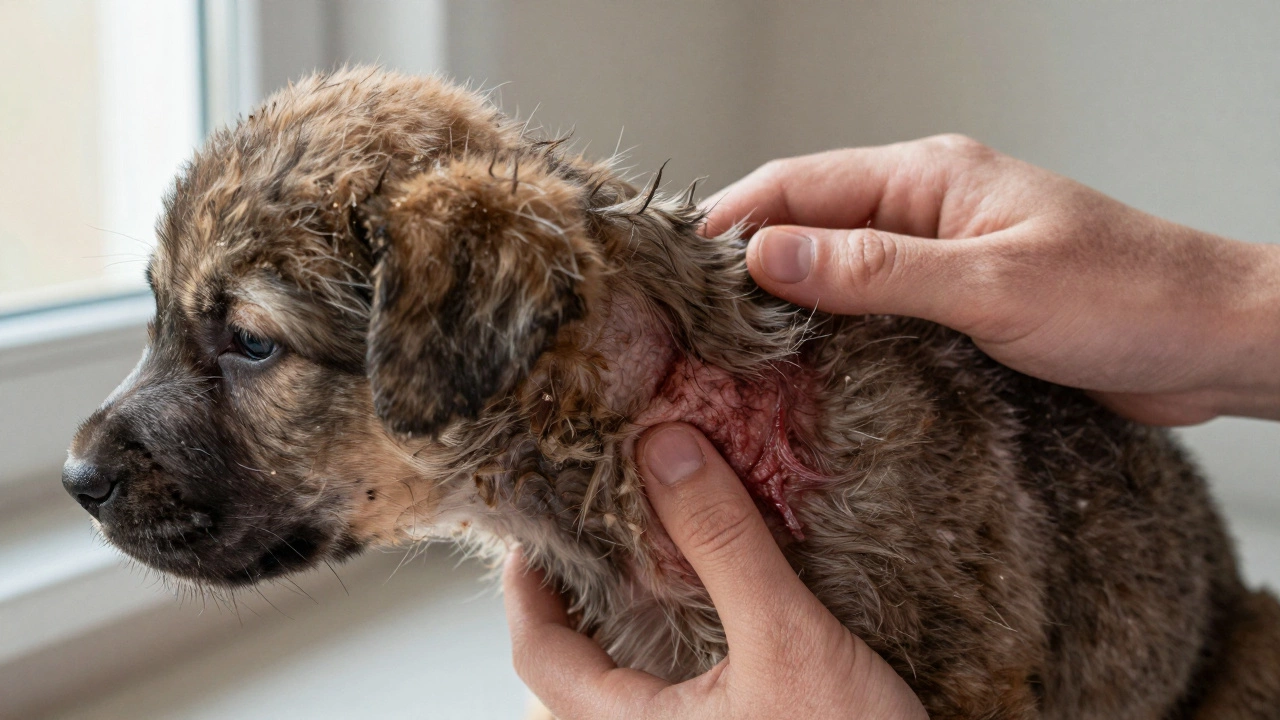
You take your new puppy out for playtime, and suddenly you notice something strange. Their skin looks red, maybe even weeping a bit, and there is an unpleasant greasy smell coming off their coat. You start Googling frantically and stumble across terms like "wet puppy syndrome." It sounds alarming, but before you panic, you need to understand what is actually happening under your pup's fur.
This condition is not a single, official medical diagnosis found in every veterinary textbook. Instead, it is a colloquial term often used by pet owners to describe a cluster of skin issues that involve excessive moisture, greasiness, and secondary infections in young dogs. It typically manifests as oily skin, bad odors, and hot spots that refuse to dry out. Understanding the root cause is crucial because treating the symptoms alone rarely solves the problem long-term.
Quick Summary: What You Need to Know
- It is not a standalone disease: "Wet puppy syndrome" usually describes juvenile seborrhea, bacterial pyoderma, or fungal infections exacerbated by moisture.
- Recognize the signs early: Look for a greasy coat, yellow crusts, strong yeast-like odors, and persistent scratching.
- Dryness matters: Keeping a puppy's coat completely dry after bathing or rain prevents many flare-ups.
- Veterinary diagnosis is key: What looks like a simple rash might be a mite infestation or allergy requiring prescription medication.
- Home care helps: Medicated shampoos and gentle grooming can manage mild cases effectively.
Understanding the Condition
When people ask about Wet Puppy Syndromea descriptive term for skin conditions in young dogs characterized by excess oil, moisture, and bacterial overgrowth., they are usually referring to a presentation of Juvenile Seborrhea. This is a primary skin disorder where the glands produce too much oil. Think of human oily skin, but on steroids. That excess oil creates a perfect breeding ground for bacteria and yeast living on all our skin surfaces.
In a healthy environment, these microbes stay in check. However, when a puppy gets wet-whether from rain, swimming, or a bath-and isn't dried thoroughly, the moisture traps the oil against the skin. This combination leads to inflammation. The skin breaks down, creating open wounds that weep fluid. This cycle makes the puppy feel constantly damp, hence the name. It is vital to distinguish this from Canine Parvovirus, which causes systemic illness, whereas this is localized to the dermis.
The confusion surrounding this term often stems from overlapping symptoms. Sometimes what owners call "wet puppy syndrome" is actually Malassezia dermatitis, a yeast infection that thrives in humid, warm environments on the skin. Other times, it is simply a reaction to Sarcoptes mites (scabies) causing intense scratching that breaks the skin barrier. Because the visual symptoms look similar-a red, oozing patch-getting the right lab work done is essential.
Key Symptoms to Watch For
Catching the issue early prevents serious tissue damage. You need to inspect your puppy regularly, paying close attention to areas prone to moisture buildup. The most common indicators include:
- Seborrhea: The coat feels greasy to the touch. There may be visible scales or dandruff flakes.
- Odor: A distinct, musty, or cheesy smell is often the first sign of yeast involvement.
- Exudate: Yellow or brown crusting appears on the skin surface, especially behind ears and between toes.
- Alopecia: Hair loss occurs where the infection is concentrated.
- Behavior: Your puppy scratches, licks, or rubs their face against furniture excessively.
| Stage | Skin Appearance | Action Required |
|---|---|---|
| Mild | Yellow crusts, slight odor | Gentle home cleaning |
| Moderate | Redness, hair loss, wet patches | Vet consultation + shampoo |
| Severe | Oozing pus, deep scratches | Prescription meds + diet review |
Do not ignore the moderate stage. Once a puppy starts self-traumatizing the area with their tongue or paws, secondary bacterial infections set in rapidly. These bacteria, such as Staphylococcus pseudintermedius, are normal flora but become dangerous when the skin barrier is compromised.
Common Causes and Triggers
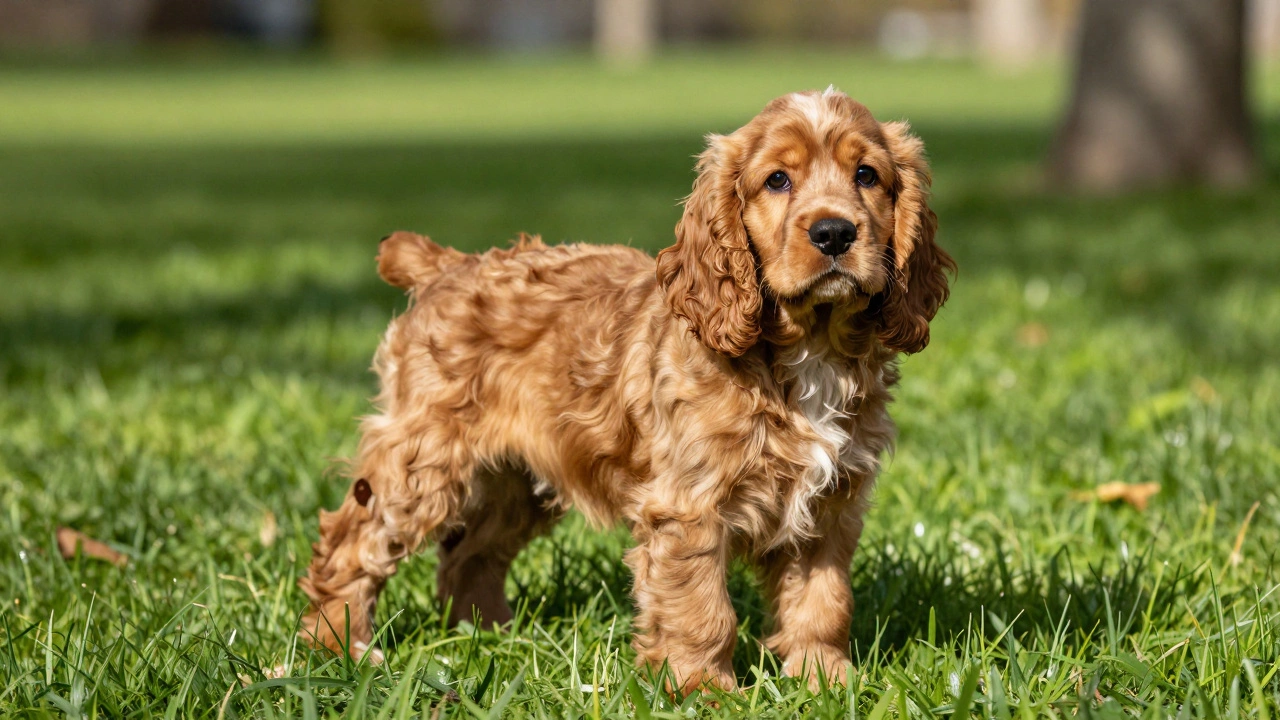
Why does this happen in the first place? Genetics plays a role; certain breeds are predisposed to oily skin issues. Breeds like Cocker Spaniels, Shar-Peis, and Dachshunds have loose skin folds or naturally sebum-rich coats that trap moisture easily. However, environmental management is equally important.
Over-bathing can strip natural oils initially, causing a rebound effect where the skin produces even more oil to compensate. Using harsh human soaps instead of pH-balanced canine shampoos damages the acid mantle of the skin. Additionally, allergies cannot be ignored. Many puppies develop food sensitivities or flea allergies that manifest as itchy, inflamed skin that eventually becomes infected due to the scratching.
Humidity is another silent culprit. Living in a rainy climate or a damp basement provides a constant backdrop for fungal growth. If your puppy sleeps on a damp bed or rug, the risk increases significantly.
Diagnosis and Treatment Path
Once you suspect an issue, visiting a veterinarian is the safest route. A simple skin cytology test involves taking a tape sample of the scale or crust and examining it under a microscope. This distinguishes between bacteria, yeast, or mites. Misdiagnosing a fungal infection as bacterial means the puppy won't get better despite antibiotic treatment.
Treatment depends entirely on the organism causing the infection. If it is bacterial, topical antiseptic sprays or oral antibiotics are prescribed. For yeast overgrowths, antifungal shampoos containing chlorhexidine or ketoconazole are the standard care approach. Systemic medications are rarely needed unless the infection has penetrated deeply.
Here is a typical recovery routine recommended by veterinarians:
- Bathing Schedule: Bathe twice weekly for two weeks using medicated shampoo. Let the lather sit for 10 minutes before rinsing to allow ingredients to penetrate.
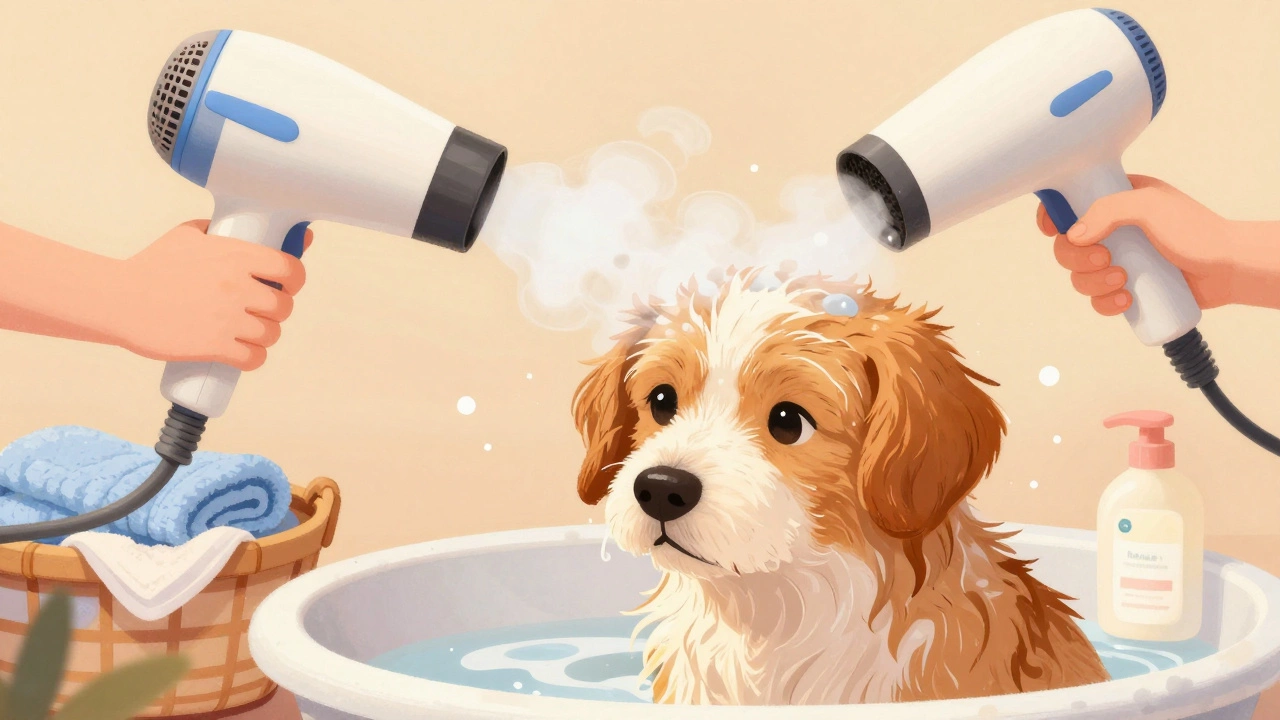
- Drying Technique: Do not air dry completely in humid weather. Use a low-heat dryer to ensure no moisture remains in the undercoat.
- Topical Application: Apply prescribed creams to affected areas after bathing.
- Environmental Control: Wash bedding in hot water daily to remove spores and bacteria.
Always finish the full course of medication even if the skin looks healed. Stopping early allows resistant strains to return.
Prevention Strategies for Owners
You can stop recurrence by adjusting your grooming habits. Thorough drying is the single most effective preventative measure. Invest in a high-quality towel and a blow dryer designed for pets that operates at room temperature. Avoid soaking your puppy unless necessary for training hygiene.
Diet also influences skin health. High-quality protein diets rich in Omega-3 fatty acids support the skin barrier function. Supplements like fish oil or EPA/DHA can help reduce inflammation internally. Monitor your puppy's weight; obesity exacerbates skin fold problems in brachycephalic breeds.
When to Seek Immediate Veterinary Help
Some signs indicate the situation has escalated beyond home remedies. If your puppy develops a fever, loses appetite, or if the lesions spread rapidly to healthy areas, seek help immediately. Open wounds that bleed do not heal on their own and can lead to sepsis in young pups.
Furthermore, if home remedies fail after three days of consistent application, professional intervention is needed. Delaying treatment can turn a manageable skin condition into a chronic health issue requiring lifelong management.
Is Wet Puppy Syndrome contagious to other dogs?
Generally, the underlying skin condition itself is not contagious. However, the bacteria or mites causing the infection can spread to other dogs through direct contact or shared bedding. Quarantine is wise until the infection clears.
Can I use baby shampoo to clean the area?
No, baby shampoo is too alkaline for dog skin and disrupts the natural pH balance. This worsens the oil production and irritation. Always use a product formulated specifically for canines.
How long does it take to see improvement?
Most puppies show significant reduction in itching and redness within one week of proper treatment. Complete clearance of scabs and odor usually takes 3 to 4 weeks depending on severity.
Does this condition go away on its own?
Rarely. Without intervention, the cycle of oil, moisture, and scratching continues indefinitely. Untreated cases often become chronic skin disorders that require heavy medication later in life.
Are older dogs susceptible to this?
The "puppy" label suggests youth, but adult dogs get similar presentations if they have allergies or endocrine issues. The condition is less common in senior dogs unless they suffer from hypothyroidism.