Dog Vitamin Safety Checker
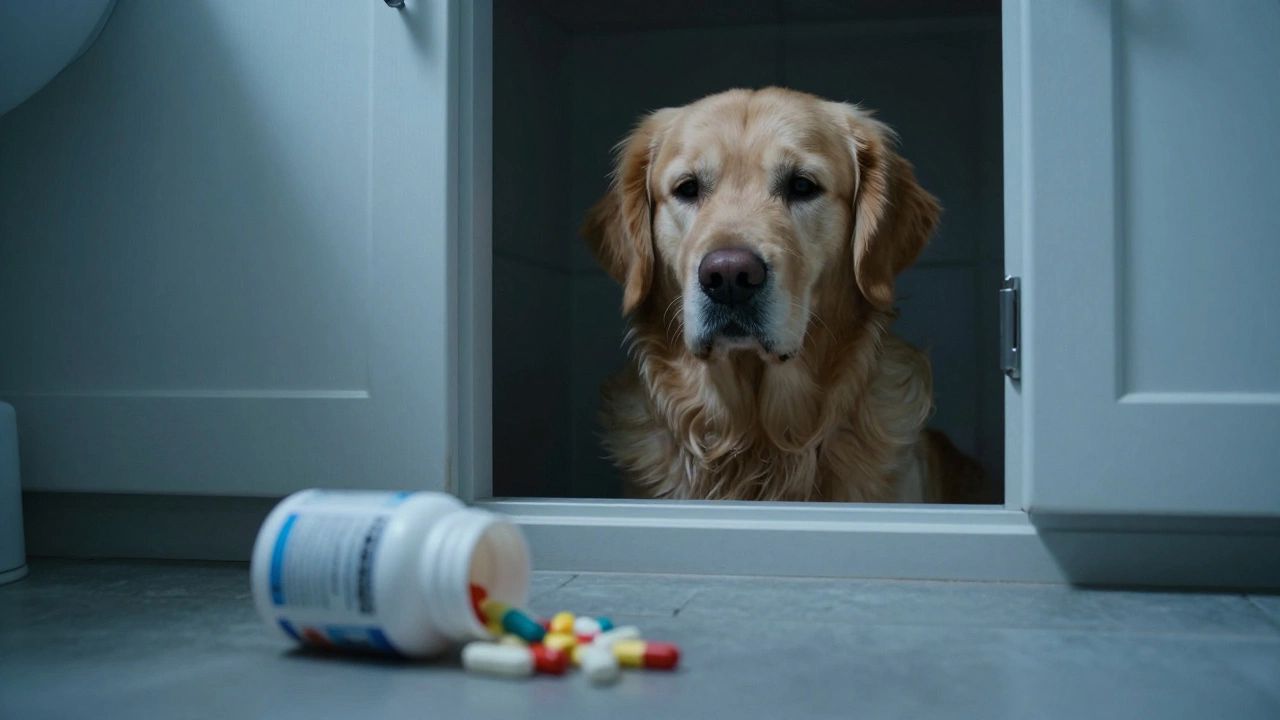
You probably keep a bottle of multivitamins in your bathroom cabinet. Maybe you even pop one every morning to stay sharp. It’s an easy assumption that if it’s good for you, it must be harmless for your furry best friend. But here is the hard truth: many vitamins that are essential for human health can be lethal to dogs.
Dogs process nutrients differently than we do. Their livers and kidneys handle chemical compounds at different rates, and their metabolic pathways for fat-soluble vitamins are much more sensitive. Giving your dog a human vitamin isn't just ineffective; it can lead to acute poisoning or chronic organ damage. Before you reach for that pill bottle to "boost" your dog's energy or coat, you need to know exactly which supplements belong in the trash when it comes to canine care.
The Fat-Soluble Trap: Why Storage Matters
To understand why certain vitamins are dangerous, you have to look at how they work. Vitamins fall into two categories: water-soluble (like B-complex and C) and fat-soluble (A, D, E, and K). Water-soluble vitamins flush out of the body through urine if you take too much. Fat-soluble vitamins, however, store up in the liver and fatty tissues. They don't leave easily. This means that small doses taken over time can build up to toxic levels, a condition known as hypervitaminosis.
For dogs, this storage mechanism is a double-edged sword. While it ensures they get enough nutrients during lean times, it makes them incredibly vulnerable to overdoses from well-meaning owners. The most common culprits in this category are Vitamin A and Vitamin D. These aren't just slightly risky; in high enough doses, they cause permanent physical changes and organ failure.
Why are fat-soluble vitamins more dangerous than water-soluble ones?
Fat-soluble vitamins (A, D, E, K) accumulate in the liver and body fat because they are not easily excreted. If a dog ingests excess amounts, these vitamins build up to toxic levels over time, causing severe health issues. Water-soluble vitamins are flushed out by the kidneys before they can reach dangerous concentrations.
Vitamin A: The Silent Bone Destroyer
Vitamin A is a nutrient crucial for vision, immune function, and skin health. In humans, we get it from carrots, spinach, and liver. For dogs, the danger zone is specifically preformed Vitamin A (retinol), found in animal products like fish liver oil and cod liver oil capsules.
Chronic Vitamin A toxicity is insidious. It doesn't always show up with immediate vomiting or seizures. Instead, it attacks the skeleton. Excess Vitamin A stimulates osteoblasts (bone-building cells) too aggressively, leading to abnormal bone growth. You might notice your dog limping, having stiff joints, or developing painful spurs on their elbows and spine. In severe cases, the skull bones fuse prematurely, causing facial deformities and eye problems.
If you are feeding your dog a raw diet rich in liver, you are likely already providing plenty of Vitamin A. Adding cod liver oil on top of that is a recipe for disaster. Stick to commercial dog foods formulated by veterinary nutritionists, or consult a vet before adding any liver-based supplements.
Vitamin D: The Kidney Killer
Vitamin D helps regulate calcium and phosphorus. In the right amount, it keeps bones strong. In excess, it becomes a poison. Vitamin D toxicity leads to hypercalcemia, or dangerously high blood calcium levels.
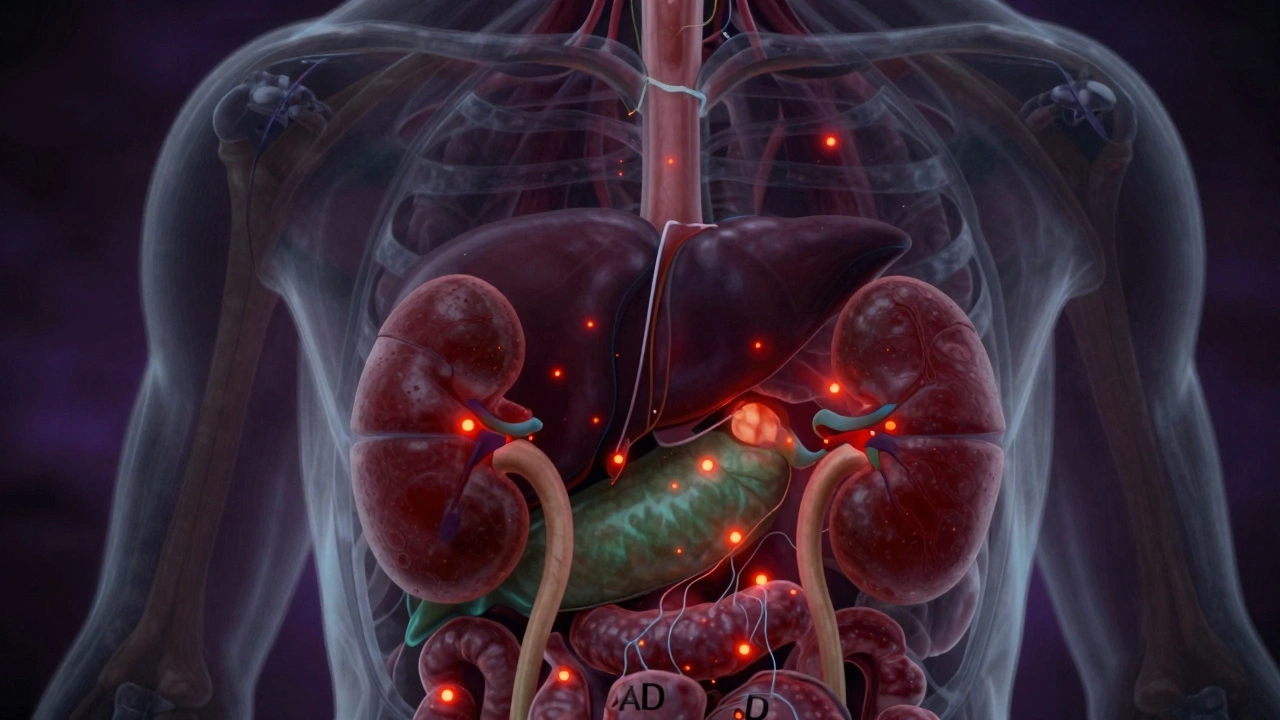
When calcium levels spike, the body tries to dump the excess into the soft tissues. This results in calcification of the kidneys, heart valves, and blood vessels. The kidneys are usually the first to fail. Symptoms include excessive thirst, frequent urination, vomiting, lethargy, and loss of appetite. If left untreated, this leads to irreversible kidney failure and death.
One of the biggest risks with Vitamin D is accidental ingestion. Many rodenticides (rat poisons) use cholecalciferol (Vitamin D3) as the active ingredient. If your dog eats a rat that has eaten poison, or directly consumes the bait, the dose is massive. Even some homemade dog food recipes go wrong when owners miscalculate the amount of Vitamin D needed, leading to widespread outbreaks of toxicity in home-fed pets.
Vitamin E and Selenium: When Antioxidants Turn Toxic
We often hear about Vitamin E as a healthy antioxidant. It protects cells from damage. However, high doses can interfere with blood clotting. Vitamin E acts as a mild anticoagulant. If your dog is on blood-thinning medication or has a bleeding disorder, extra Vitamin E can increase the risk of hemorrhage.
Furthermore, Vitamin E is often paired with selenium in supplements. Selenium is another trace mineral that has a very narrow safety margin. Too little causes muscle weakness; too much causes selenosis. Symptoms of selenium toxicity include brittle nails, hair loss, neurological issues, and cardiac dysfunction. Because these two nutrients are frequently combined in human multivitamins, giving your dog a "just one pill" boost can expose them to both risks simultaneously.
Vitamin C: The Urinary Stone Risk
Humans cannot make Vitamin C, so we supplement it. Dogs, however, synthesize their own Vitamin C in the liver. They only need extra supplementation in specific medical cases, such as fighting off severe infections or dealing with certain genetic conditions. For a healthy dog, extra Vitamin C is unnecessary.
The problem arises when you force-feed large amounts of Vitamin C to a dog that doesn't need it. The body converts the excess into oxalates. Oxalates can crystallize in the urine, forming calcium oxalate stones in the bladder or kidneys. These stones are painful, can block urinary flow, and often require surgical removal. If your dog has a history of urinary issues, avoid Vitamin C supplements unless explicitly prescribed by a veterinarian.
Biotin and B-Complex: Generally Safe but Misused
Vitamins in the B-complex family, including biotin (B7), are water-soluble and generally considered safe because excess is peed out. You will see biotin marketed heavily for "shiny coats." While a deficiency in biotin can cause skin and coat problems, true deficiencies are rare in dogs eating balanced commercial diets.
The issue here is not toxicity, but false security. Owners might give biotin hoping to fix a dull coat, ignoring the real underlying cause, such as a poor-quality diet, parasites, or allergies. Masking symptoms with safe vitamins delays proper diagnosis and treatment. Additionally, while rare, extremely high doses of Niacin (B3) can cause flushing and gastrointestinal upset in sensitive dogs.
| Vitamin | Solubility | Risk Level | Primary Danger |
|---|---|---|---|
| Vitamin A | Fat-soluble | High | Bone deformities, joint pain |
| Vitamin D | Fat-soluble | Critical | Kidney failure, hypercalcemia |
| Vitamin E | Fat-soluble | Moderate | Bleeding disorders, interacts with Selenium |
| Vitamin C | Water-soluble | Low-Moderate | Urinary stones (oxalates) |
| Vitamin B Complex | Water-soluble | Very Low | Gastrointestinal upset (rare) |
The Multivitamin Myth
This brings us to the most common mistake: giving dogs human multivitamins. These pills are designed for adult humans, typically containing doses meant for a 150-pound person. A 30-pound dog receiving one of these pills is effectively getting five times the intended dose relative to body weight. Plus, human multivitamins often contain iron. Iron overload is another serious toxicity risk for small animals, damaging the heart and liver.
Always remember: "Natural" does not mean "Safe." Just because a supplement is sold in a health food store doesn't mean it's appropriate for a canine metabolism. The concentration of active ingredients in human supplements is rarely calibrated for veterinary use.
What To Do Instead
If you believe your dog needs nutritional support, start with their diet. High-quality commercial dog foods are required by law (AAFCO standards in the US, FEDIAF in Europe) to be complete and balanced. They already contain the precise amounts of vitamins and minerals your dog needs. Adding more is like trying to fill a bucket that already has a tap running inside it.
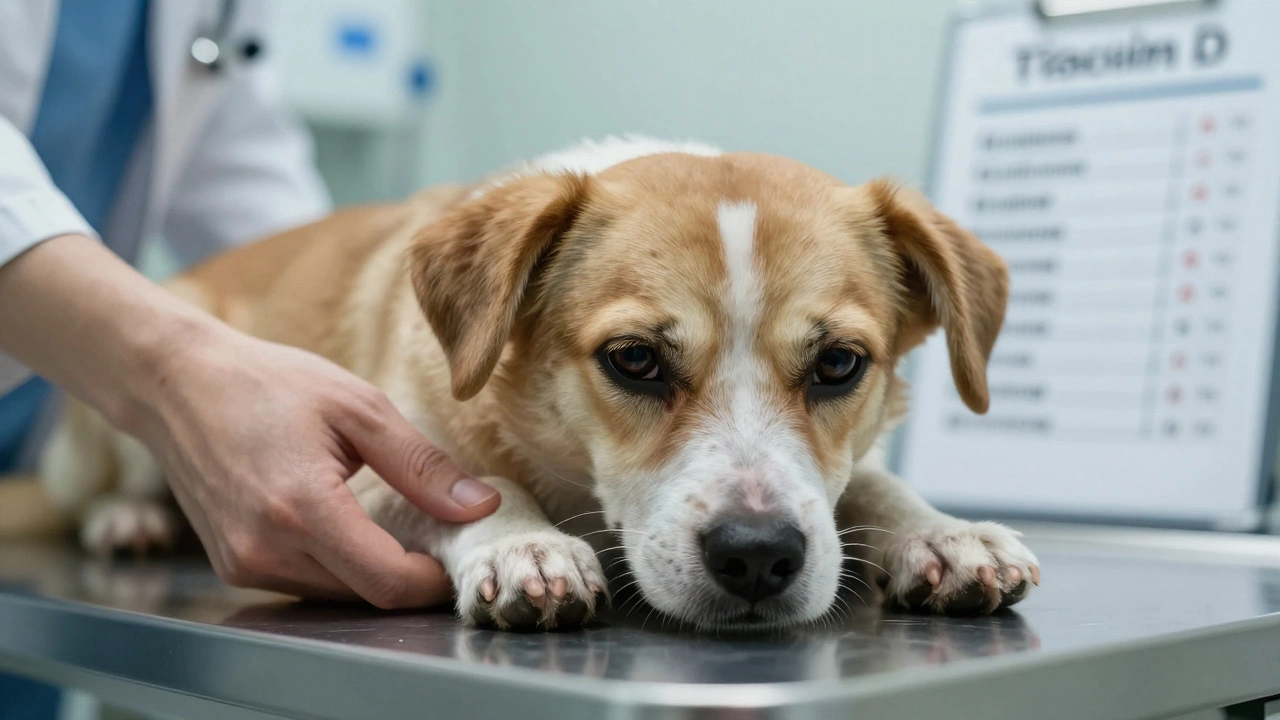
If you suspect a deficiency, look for clinical signs: poor coat quality, lethargy, weight loss, or skeletal abnormalities. Bring these observations to your veterinarian. They can run blood tests to check actual nutrient levels rather than guessing. If a supplement is truly needed, your vet will prescribe a veterinary-grade product with dosages calculated for your dog's specific weight and breed.
Immediate Steps for Suspected Overdose
If your dog accidentally ingests a human vitamin, especially those containing Vitamin A, D, or Iron, act fast. Time is critical. Call your veterinarian or the ASPCA Animal Poison Control Center immediately. Do not wait for symptoms to appear. Have the bottle ready to provide the exact dosage and ingredients. Inducing vomiting should only be done under professional guidance, as some substances can cause more damage coming back up than going down.
Can I give my dog my leftover multivitamins?
No. Human multivitamins are dosed for human body weights and may contain ingredients like iron or high levels of fat-soluble vitamins (A and D) that are toxic to dogs. Always use supplements specifically formulated for canines and approved by a veterinarian.
Is cod liver oil safe for dogs?
Cod liver oil is high in Vitamin A and D. While small amounts may be tolerated, regular use can lead to toxic buildup. It is safer to use fish oils that are fortified with Omega-3s but low in Vitamins A and D, or to choose a veterinary-approved brand.
What are the signs of Vitamin D toxicity in dogs?
Signs include excessive thirst, increased urination, vomiting, loss of appetite, lethargy, and weakness. In severe cases, it can lead to kidney failure. If you suspect your dog has ingested Vitamin D-rich poisons or supplements, seek emergency veterinary care immediately.
Do dogs need Vitamin C supplements?
Most dogs do not need Vitamin C supplements because their bodies produce it naturally. Supplementing unnecessarily can increase the risk of forming calcium oxalate bladder stones. Only supplement if directed by a vet for a specific medical condition.
How can I tell if my dog has a vitamin deficiency?
Symptoms vary by vitamin but can include poor coat condition, brittle nails, bone deformities, night blindness (Vitamin A), or muscle weakness. However, these symptoms can also indicate other diseases. A veterinarian should diagnose deficiencies through blood tests rather than self-prescribing supplements.